admin
admin
In the early months of 2020, just before the global pandemic reshaped the hospitality landscape, Josh and Heather Lange, the founders of Newark, Ohio-based DankHouse Brewing, faced a technical crisis that would eventually become a celebrated piece of brewery lore. Having been invited to the prestigious Juicy Brews IPA festival in Pittsburgh, the Langes intended to showcase "Banana Peel’d," a hazy India Pale Ale designed to mimic the creamy, tropical profile of its namesake fruit. Despite the beer’s existing popularity at their taproom, which opened in 2017, the couple found the specific batch intended for the festival lacked the aromatic intensity required for a high-profile industry event.
The logistical hurdles were significant. Bulk aseptic banana purée, the industry standard for consistent fruit integration, could not be sourced and shipped within the 72-hour window before the festival. Attempts to utilize store-bought bananas resulted in rapid oxidation, turning the beer an unappealing brown. Dried banana chips failed to yield the necessary oil and sugar extraction. The solution ultimately came from an unlikely source: Gerber banana baby food. After discovering that their preferred commercial purée shared an almost identical ingredient profile with the infant staple, the Langes cleared the shelves of every grocery store within a 40-mile radius of Columbus. This "scooping party" successfully amplified the beer’s profile, allowing DankHouse to stand confidently alongside industry titans like The Alchemist during the festival. This anecdote serves as a microcosm of the broader craft beer industry’s obsession with the banana—a fruit that is as technically challenging to manage as it is beloved by consumers.
The Regulatory Shift: From Exemptions to Tradition
For decades, the use of bananas in American brewing was governed by stringent federal oversight. Until the latter half of 2023, the Alcohol and Tobacco Tax and Trade Bureau (TTB) did not classify bananas as a "traditional" brewing ingredient. Unlike malted barley, hops, or water, the inclusion of bananas required breweries to submit formal "formula exemptions." This administrative hurdle often deterred smaller operations from experimenting with the fruit, as the approval process could take weeks or months, misaligning with the rapid production cycles of craft beer.
In late 2023, the TTB expanded its list of ingredients exempt from formula requirements, finally recognizing bananas alongside other common adjuncts. This regulatory easing has catalyzed a new wave of experimentation. Brewers are no longer required to prove the "necessity" of the fruit in their recipes, allowing for more spontaneous and seasonal releases. This shift reflects a broader recognition of the "pastry" and "smoothie" beer trends that have dominated the market over the last five years, where fruit density is often the primary selling point.
The Chemistry of Scent: Isoamyl Acetate and the Ghost of the Gros Michel
To understand why banana flavor is so polarizing and complex in beer, one must look at the historical biology of the fruit itself. A century ago, the global banana market was dominated by the Gros Michel (or "Big Mike") cultivar. This variety was rich in isoamyl acetate, a fruity ester that provides the pungent, sweet aroma most people associate with banana-flavored candies like Runts or Laffy Taffy. In the 1950s, Panama disease decimated the Gros Michel, leading to the rise of the Cavendish banana. The Cavendish contains significantly lower levels of isoamyl acetate, creating a sensory disconnect: modern consumers are often more familiar with the "artificial" scent of the extinct Gros Michel than the "real" scent of the fruit in their kitchens.
In brewing, isoamyl acetate is a naturally occurring byproduct of fermentation. All beers contain trace amounts of it; for instance, Coors Banquet is noted for a subtle banana note derived from its specific cold fermentation process. However, in most styles, excessive banana aroma is considered a technical flaw, signaling that the yeast was stressed or fermented at temperatures too high for the style. The notable exception is the German Hefeweizen.
Technical Mastery in Traditional Styles: The Hefeweizen Revival
The German Hefeweizen relies entirely on yeast—specifically the Torulaspora delbrueckii or specialized Saccharomyces cerevisiae strains—to produce banana notes without the addition of actual fruit. Derek Goodman, the head brewer at Westbound & Down Brewing in Colorado, notes that achieving the perfect banana profile in their silver-medal-winning "Don’t Hassle the Hef" requires intentional "yeast stress."
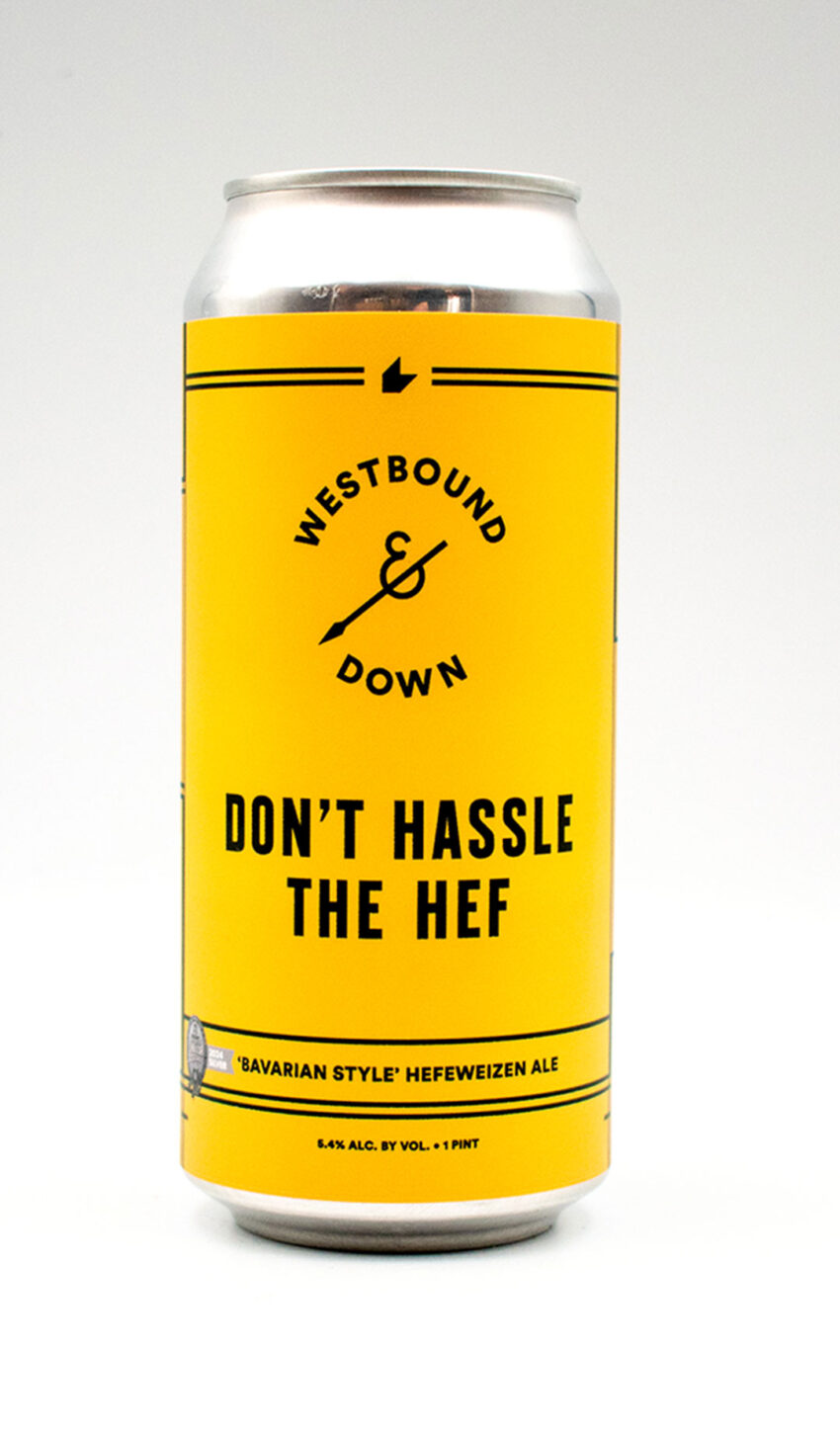
Goodman’s technique involves "under-pitching," a process where the brewer introduces only about one-third of the recommended yeast cells into the wort. By limiting oxygen and over-supplying sugar (wort), the yeast enters a state of rapid, "greedy" reproduction. This metabolic struggle produces the high concentrations of isoamyl acetate that define the style. This resurgence in traditional techniques is backed by market data from yeast suppliers like Bootleg Biology and Spot Yeast. According to founder Jeff Mello, Hefeweizen yeast has surged to become their second best-selling strain, trailing only the ubiquitous "hazy IPA" yeast. This suggests a consumer pivot away from overly hopped beers toward ester-driven, fermentation-forward profiles.
The "Cheetos Dilemma" and the Rise of Pastry Stouts
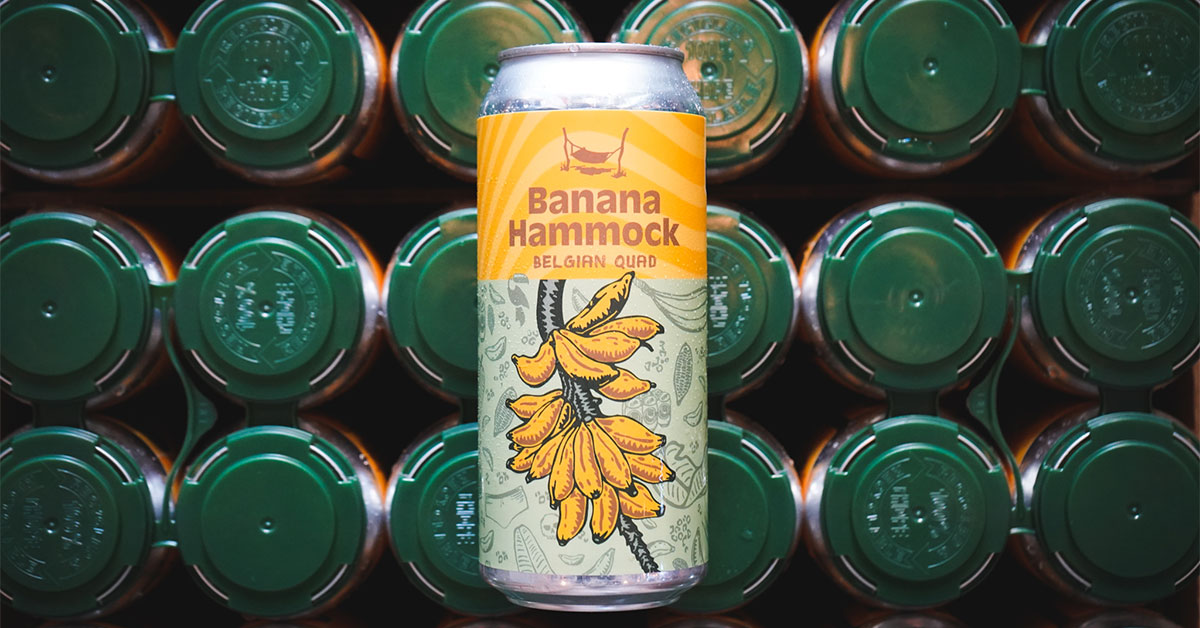
While traditionalists rely on yeast, modern "pastry stout" brewers utilize massive quantities of fruit to achieve dessert-like profiles. Establishments like WeldWerks Brewing and Crooked Hammock Brewery have pioneered beers that evoke chocolate-dipped bananas or banana pudding. However, introducing high-sugar fruit like banana purée into a high-alcohol environment presents a biological challenge known in the industry as the "Cheetos Dilemma."
Larry Horwitz, director of brewing operations at Crooked Hammock, explains that yeast cells are biologically inclined to consume simple sugars (like those found in bananas) over the more complex malt sugars found in beer. If the fruit is added too early, the yeast may "shut down" or produce off-flavors like sulfur once the simple sugars are exhausted. To combat this, brewers often add purées after the primary fermentation is complete. This ensures the fruit’s sugars remain unfermented, providing a thick, "smoothie-like" body and residual sweetness. This method, however, requires sterile "aseptic" fruit to prevent the beer from fermenting inside the can or bottle, which could lead to structural failures (exploding cans).
The Global Supply Chain: Wild Thai Bananas as a Premium Adjunct
The pinnacle of banana integration in the craft sector involves the use of dried wild Thai bananas. Often referred to by purveyors like Rodrick Markus of Rare Tea Cellar as the "Grand Cru of bananas," these fruits are prized for their concentrated fructose and lack of moisture, which prevents the thinning of a beer’s body.
The adoption of this ingredient was accelerated by the COVID-19 pandemic. As restaurants closed, Markus found that his wholesale business was sustained by craft breweries like Other Half, Evil Twin, and The Veil, which were purchasing thousands of pounds of Thai bananas weekly for their barrel-aged stouts. Despite their effectiveness, these bananas represent a significant financial risk. Current market prices hover around $50 per pound, exacerbated by a 35% tariff on Thai imports.
For Matt Tarpey, co-founder of The Veil Brewing in Richmond, Virginia, using these bananas is a "labor of love" rather than a profit-driven decision. To achieve the desired intensity in a beer like "Sky Summoner," Tarpey utilizes more than 10 pounds of fruit per barrel. When factoring in the cost of the fruit alongside other premium adjuncts like vanilla beans and toasted coconut, the profit margins on these specialty releases are razor-thin.
Broader Impact and Industry Implications
The "banana moment" in American craft brewing reflects a larger trend toward culinary-inspired beverages. The evolution from the Langes’ baby food "scooping party" to the sophisticated use of imported Thai fruit demonstrates an industry that is increasingly comfortable with high-cost, high-risk ingredients to satisfy a consumer base that demands "dynamic" and "experiential" flavors.
The regulatory changes by the TTB suggest that the federal government is finally catching up to consumer tastes, potentially opening the door for more mainstream breweries to experiment with fruit-forward recipes. However, the economic realities of the global supply chain and the technical volatility of fruit fermentation mean that banana-infused beers will likely remain a specialty tier. Whether through the careful manipulation of yeast esters in a traditional Hefeweizen or the lavish application of dried tropical fruit in an imperial stout, the banana has solidified its place as a cornerstone of the modern brewer’s toolkit. The fruit’s journey from a "non-traditional" outlier to a "Grand Cru" adjunct is a testament to the ingenuity of an industry that continues to push the boundaries of what constitutes "beer."