admin
admin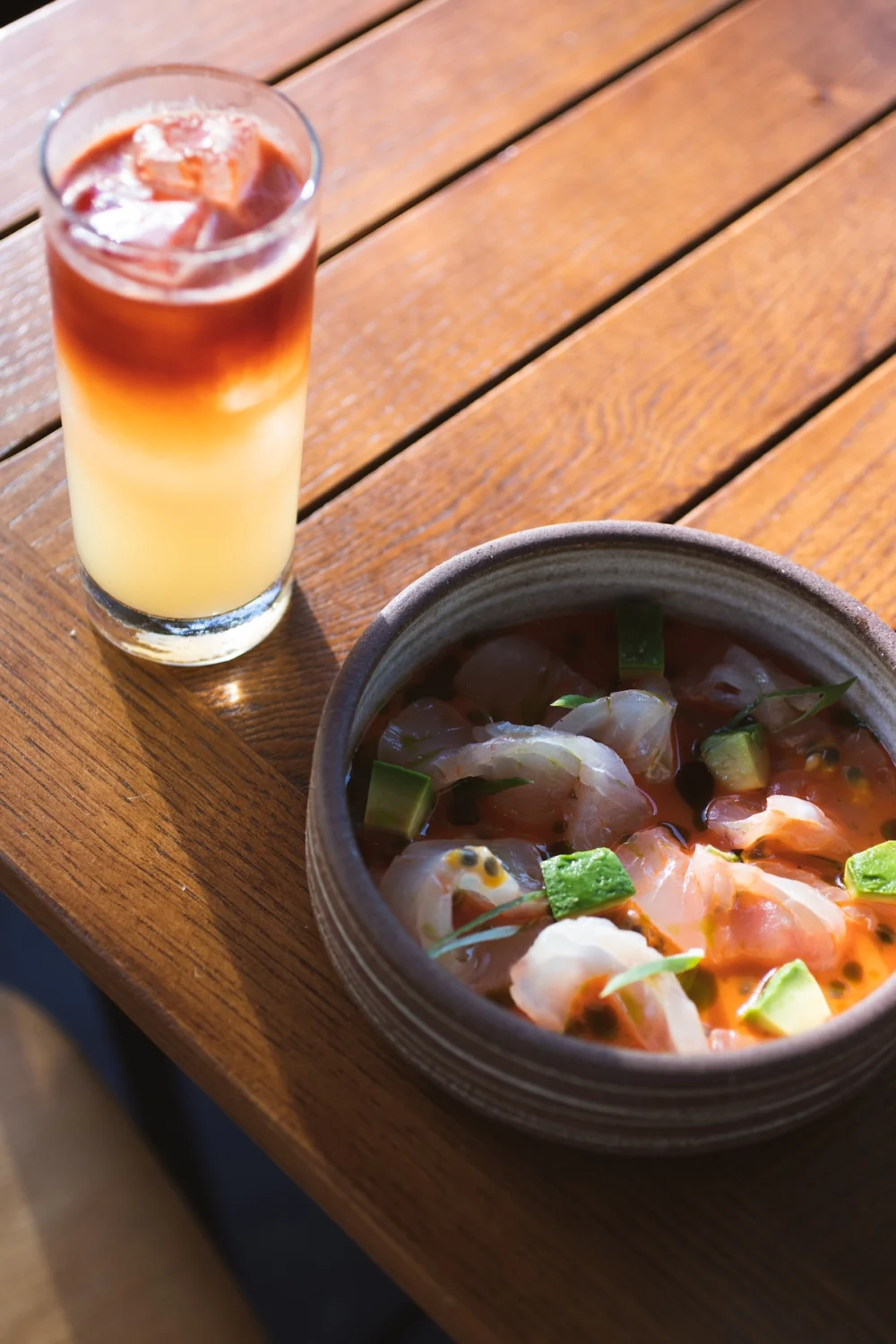
The modern restaurant industry has increasingly moved toward a model where ingredients are no longer viewed merely as components of a recipe but as strategic assets capable of defining a brand’s identity and financial health. Among these assets, the California avocado has emerged as a preeminent example of how a seasonal, locally sourced product can influence menu engineering, guest satisfaction, and bottom-line profitability. While avocados are available year-round from various global regions, the specific window of the California growing season—typically spanning from spring through late summer—presents a unique opportunity for operators to leverage peak freshness and a "local" narrative that resonates deeply with contemporary consumers.
The Strategic Importance of Sourcing and Seasonality
For high-volume operators and independent chefs alike, the decision to feature California avocados is often driven by a combination of quality control and marketing prowess. The California avocado industry, primarily centered in the coastal regions between San Diego and San Luis Obispo, benefits from a Mediterranean climate that produces fruit with a high oil content and a signature creamy texture. This physical profile is not merely a culinary preference; it is a functional advantage in the kitchen.
Chef Gavin Schmidt, the chef and co-owner of Morris Restaurant and Sirene Restaurant in the San Francisco Bay Area, views the avocado as a dynamic seasonal marker rather than a static pantry staple. His approach reflects a broader industry trend where menus are dictated by the rhythm of local harvests. By prioritizing California avocados during their peak season, Schmidt ensures that the ingredient’s flavor profile is at its most potent, reducing the need for heavy seasoning or masking agents.
The reliance on local sourcing also addresses a growing consumer demand for transparency. According to recent industry data, over 60% of diners report that they are more likely to visit a restaurant that highlights locally sourced ingredients. For California-based establishments, the ability to name-check local growers creates a "halo effect," where the perceived quality of one ingredient elevates the entire dining experience.
Culinary Versatility: Beyond the Traditional Guacamole
The utility of the avocado in a professional kitchen extends far beyond its role in Mexican cuisine or the ubiquitous avocado toast. The ingredient’s unique chemical composition—rich in monounsaturated fats—allows it to function as a fat substitute, a thickening agent, and a textural contrast.
Chef Schmidt notes that the stage of ripeness dictates the culinary application, allowing for zero-waste strategies within the kitchen. Firm, early-season avocados are ideal for dicing into salads or even being subjected to high-heat techniques. Charring an avocado on a grill or in a wood-fired oven introduces a smoky dimension that contrasts with its natural richness, a technique that has gained traction in modern American and fusion dining.
Conversely, as the fruit softens, its applications shift toward emulsions and purees. In fine-dining contexts, avocado purees provide a silkiness that rivals heavy cream or butter-based sauces but maintains a plant-forward appeal. One of Schmidt’s signature applications involves a sophisticated pairing of avocado with passion fruit, citrus, and sea urchin (uni). This dish exemplifies the "what grows together goes together" philosophy, as all components are sourced from the California coast. The acidity of the passion fruit cuts through the density of the avocado and the umami of the sea urchin, creating a balanced, regional narrative on the plate.
The Economic Impact: Driving Check Averages and Margins
While chefs focus on the plate, operators focus on the P&L (Profit and Loss) statement. Ingrid Martinez, Vice President of Marketing at the Southern California diner chain NORMS, emphasizes that the avocado is a powerful tool for margin management. Despite the historical volatility of avocado pricing due to environmental factors and international trade dynamics, the California-grown variety offers a premium perception that justifies a higher price point.
At NORMS, the "California" branding acts as a signal of quality. The transition of items like the California Omelet and Huevos Rancheros from Limited-Time Offerings (LTOs) to permanent menu staples demonstrates the ingredient’s staying power. When guests see "California Avocado" on a menu, there is a built-in willingness to pay a premium add-on fee, often ranging from $1.50 to $2.50 per serving. This incremental revenue requires minimal labor, as the preparation—slicing or mashing—is operationally simple compared to more complex proteins or scratch-made sauces.
Furthermore, the versatility of the avocado across dayparts—from breakfast omelets to lunchtime sandwiches and dinner garnishes—allows for high inventory turnover. High turnover is critical for fresh produce to minimize spoilage and maximize the return on investment. By integrating the ingredient into multiple dishes, operators can purchase in bulk, streamlining the supply chain while maintaining menu variety.
Chronology of the California Avocado Season
The lifecycle of the California avocado season provides a predictable roadmap for menu planning. Understanding this chronology is essential for operators who wish to maximize the "peak freshness" narrative.
- March – April (Early Season): The first harvests begin to hit the market. These fruits typically have a slightly lower oil content and a firmer texture, making them ideal for slicing and presentation-focused dishes.
- May – July (Peak Season): This is the window of maximum availability and optimal flavor. The oil content is at its highest, providing the rich, buttery mouthfeel that consumers associate with the Hass variety. This is the period when restaurants often launch avocado-centric marketing campaigns.
- August – September (Late Season): As the season winds down, the fruit becomes exceptionally creamy. While supply begins to tighten, the intensity of the flavor allows for more concentrated applications, such as mousses or high-end purees.
By aligning marketing efforts with this timeline, restaurants can create a sense of urgency. The "get it while it’s here" mentality encourages repeat visits and positions the restaurant as a seasonal authority.
Market Analysis and Consumer Perception
The success of the California avocado is also rooted in the broader "health halo" surrounding the fruit. As consumers increasingly prioritize heart-healthy fats and nutrient-dense foods, the avocado has transitioned from an occasional indulgence to a functional food staple. According to the Hass Avocado Board, avocado consumption in the United States has more than tripled since the early 2000s.
In a competitive landscape, the "California" designation serves as a point of differentiation. In a market often flooded with imports, the domestic product is perceived as having a smaller carbon footprint and supporting local economies. This sentiment is particularly strong in the Western United States but has significant resonance nationwide as a mark of premium American agriculture.
The financial implications of this perception are clear. For a chain like NORMS, the addition of avocado doesn’t just change a dish; it changes the brand’s competitive positioning. It allows a traditional diner to compete with modern fast-casual concepts that built their brands on "fresh-mex" or "wellness" platforms.
Broader Industry Implications and Future Outlook
The strategic use of California avocados reflects a larger shift in the foodservice industry toward "ingredient-led" storytelling. As diners become more educated about sourcing, the role of the operator evolves from a provider of calories to a curator of experiences. The avocado, with its vibrant color and photogenic qualities, is also a driver of organic social media marketing—a crucial factor in the modern "Instagrammable" food economy.
Looking ahead to the 2024 and 2025 seasons, the industry expects continued innovation in how avocados are processed and served. We are likely to see more exploration of avocado oil in high-end cooking and a greater emphasis on lesser-known California varieties, such as the Reed or GEM avocados, which offer different windows of seasonality and flavor profiles.
For operators, the takeaway is clear: the California avocado is more than a topping. It is a multi-functional tool that addresses the three pillars of modern restaurant success—culinary excellence, operational efficiency, and brand authenticity. By embracing the seasonality of the California harvest, restaurants can provide a product that is not only fresh and flavorful but also demonstrably profitable.
In conclusion, the integration of California avocados into a professional menu represents a sophisticated intersection of agriculture and commerce. As demonstrated by the experiences of Chef Gavin Schmidt and the leadership at NORMS, the ingredient provides a rare synergy where the interests of the chef, the guest, and the accountant align. Whether it is through a complex sea urchin pairing or a classic breakfast omelet, the California avocado remains a cornerstone of the American culinary landscape and a vital component of a successful restaurant strategy.