admin
admin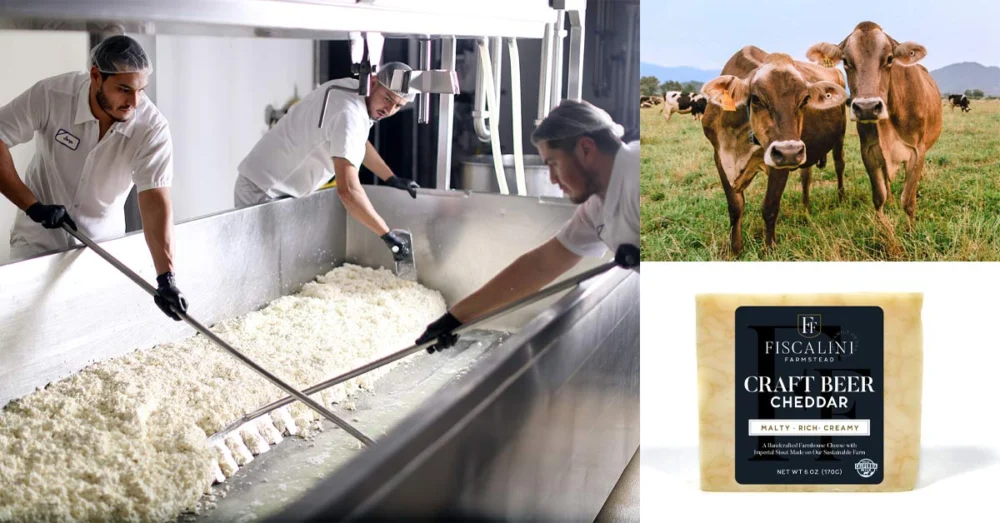
The culinary landscape of the United States has long been defined by its ability to take humble, utilitarian foods and elevate them into sophisticated, artisanal crafts. Among these transformations, few are as striking as the evolution of beer cheese. Once regarded primarily as a tangy, spicy spread served in the roadside taverns of Kentucky, beer cheese has undergone a significant paradigm shift. Today, the category is being redefined by American farmstead cheesemakers who are no longer merely mixing beer into finished products, but are instead incorporating craft brews into the very foundation of the cheesemaking process. This transition represents a convergence of two of America’s most vibrant industries: craft brewing and artisanal dairy production.
The Historical Genesis: From Kentucky Pubs to National Recognition
The origins of beer cheese are rooted in the mid-20th century, specifically within the rural landscape of Clark County, Kentucky. While historical accounts vary, the most widely accepted narrative traces the product back to the 1940s at a restaurant called Johnny Allman’s, situated along the Kentucky River. The original recipe was born out of a desire for sustainability and flavor punch; it utilized leftover sharp cheddar cheese and surplus beer, spiked with a heavy hand of cayenne pepper, garlic, and proprietary spices.
In 2006, the brand was revived under the name Howard’s Creek Authentic Beer Cheese by Kathy Gorman Archer. Archer, who sought to preserve the "golden-orange" legacy of the product, noted that the original appeal lay in its "southwestern flare"—a sharp, spicy profile designed to complement the social atmosphere of a mid-century taproom. For decades, this "Kentucky style" served as the definitive model for beer cheese in the U.S.: a spreadable, processed snack intended for dipping crackers or vegetables. However, as the American palate grew more discerning and the "farm-to-table" movement took hold, the definition of beer cheese began to expand beyond the condiment aisle and into the cheese cave.
Technological Integration: The Science of Infusing Malt and Hops
Modern artisanal beer cheese differs fundamentally from its ancestors in how the alcohol and grain components are introduced. Rather than blending beer into a finished cheese base, contemporary cheesemakers such as Rogue Creamery and Fiscalini Farmstead treat beer as a primary ingredient in the curd-forming process. This requires a sophisticated understanding of biochemistry, specifically the management of pH levels.
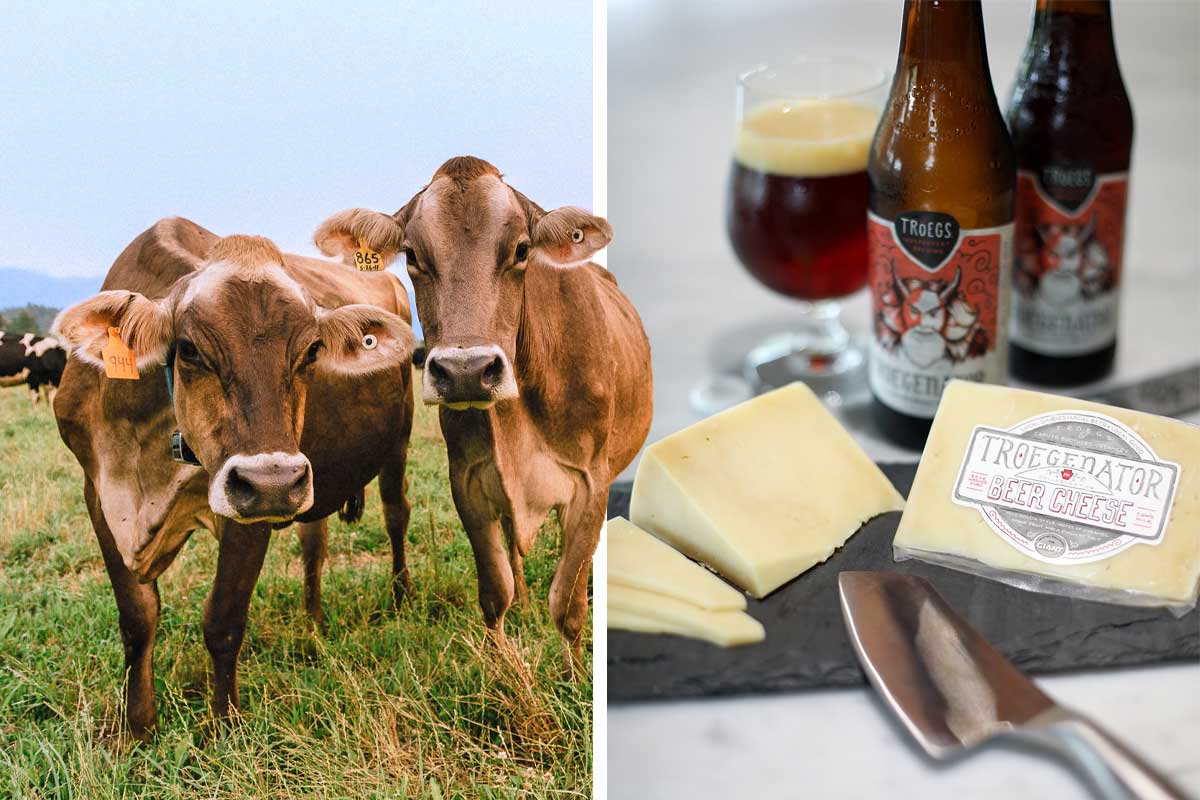
In the cheesemaking cycle, milk typically holds a pH between 6.4 and 6.8. To successfully form curds that will bind together, the pH must be carefully managed. If the acidity becomes too high (a pH below 4.0), the resulting cheese becomes rubbery; if it is too low (above 5.5 during certain stages), the curds may fail to knit. Integrating beer—which is inherently acidic—requires precise timing. Rynn Caputo, co-founder of Caputo Brothers Creamery, has turned this challenge into a specialized science. By monitoring the interaction between microbial enzymes and the sugars in the beer, cheesemakers can ensure that the final product maintains the structural integrity of a traditional Gouda or Cheddar while absorbing the complex flavor profile of the brew.
Case Studies in West Coast Innovation: Rogue and Fiscalini
In the Pacific Northwest, Rogue Creamery has spent decades bridging the gap between organic dairy and craft brewing. Although Rogue Creamery and the famed Rogue Ales share a name and a geographic region, they operate as separate entities that have historically collaborated on anniversary releases. A cornerstone of their innovation is the Chocolate Stout Cheddar, developed in partnership with Portland’s Hopworks Brewery.
Unlike a spread, this cheese incorporates the stout just as the whey begins to separate from the curd. This timing allows the milk solids to absorb the malty, roasted notes of the beer, resulting in a marbled aesthetic and a subtle sweetness that balances the natural sharpness of the cheddar. Marguerite Merritt, a certified sommelier and brand manager for Rogue Creamery, notes that this process creates a "savory-sweet" profile that avoids the overpowering bitterness often found in lower-quality beer-infused products. Rogue has further experimented with "Hopyard Cheddar," where fresh Northwest-grown hops are mixed directly into the curds, mimicking the floral and citrus notes of a West Coast IPA without the liquid volume of a finished beer.
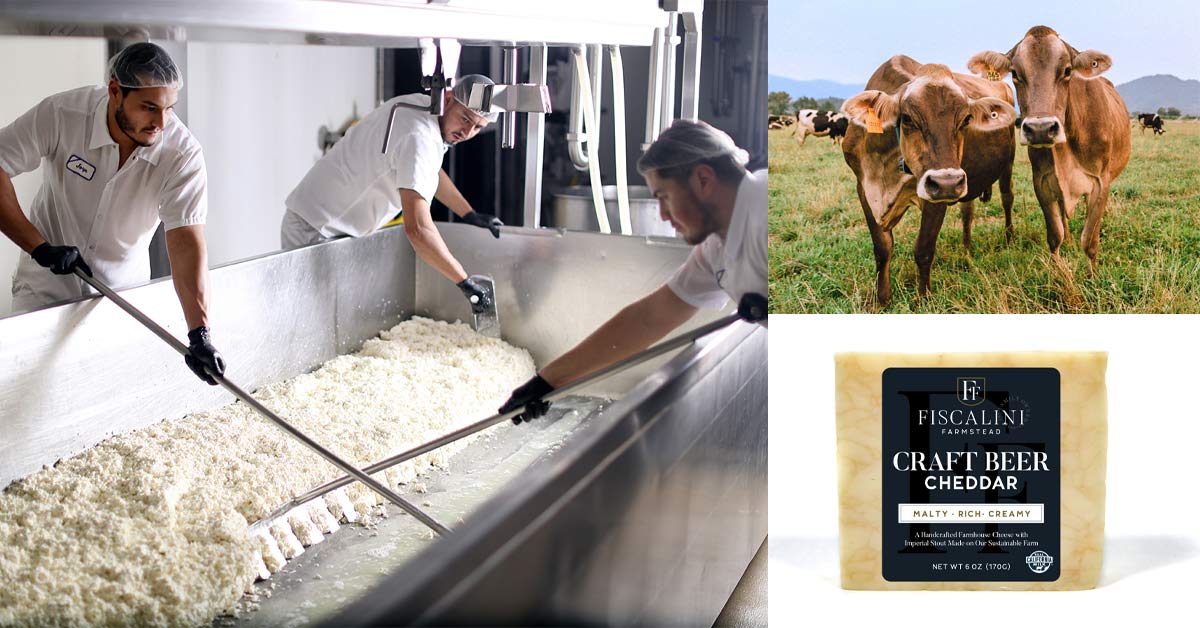
Further south in Modesto, California, Fiscalini Farmstead has utilized its century-long history as a dairy farm to create a highly traceable beer cheese. Fourth-generation owner Laura Genasci emphasizes the importance of "estate-grown" milk in their collaboration with Dust Bowl Brewing. Their "Craft Beer Cheddar" uses Black Blizzard Imperial Stout, a heavy, roasty brew that imparts notes of coffee and chocolate into the cheese. The Fiscalini method involves pressing 40-pound blocks of curd overnight after the beer infusion, a process that ensures the "mottled" flavor is consistent throughout every bite. According to Fiscalini cheesemaker Alex Borgo, the aging process—typically lasting three months or more—allows the microbial enzymes from the cheese and the grain enzymes from the beer to mature in tandem, deepening the complexity of the final product.
The Mid-Atlantic Movement: Collaborative Ecosystems
In Pennsylvania, the evolution of beer cheese has been driven by retail demand and regional pride. Giant Food Stores, a major grocery chain, acted as a catalyst by pairing Caputo Brothers Creamery with Tröegs Independent Brewing. This collaboration was designed to have a direct regional impact, utilizing dairy farms located geographically between the brewery and the creamery.
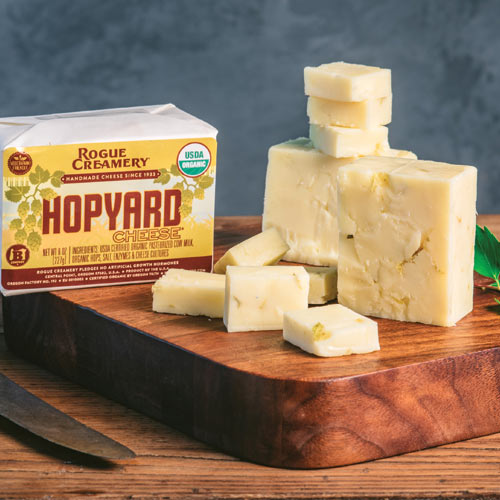
The partnership resulted in the "Troegenator" cheese, based on Tröegs’ iconic double bock. The high malt content of the beer lends a golden hue and a distinct sweetness to what Caputo Brothers calls a "beer-infused Gouda." The success of this product led to more daring experiments, such as a cheese made with "Perpetual IPA." In this instance, Rynn Caputo implemented a "dry-hopping" technique for the milk itself, using Citra hops to create an "intense hop milk" before the cheesemaking even began. The rinds of these cheeses are also sprayed with IPA during the brining process, creating a multi-layered sensory experience that bridges the gap between the beverage and the food.
The Midwestern Approach: Washed Rinds and Urban Creameries
In the Midwest, the focus has shifted toward "washed-rind" styles and fresh cheeses. Tulip Tree Creamery in Indianapolis employs a technique rooted in Dutch traditions, where the exterior of the cheese is repeatedly washed with a solution of bacteria cultures, salt, and local beer. This method, used in collaborations with Sun King and Centralpoint Brewing, allows the essence of porters and pilsners to permeate the cheese through the rind rather than being mixed into the curd. This results in a "double cream" style that is softer and more pungent than the hard cheddars of the West Coast.
Simultaneously, Urban Stead Cheese in Cincinnati is reviving the "Kentucky style" but through the lens of an urban creamery. By using Braxton Brewing’s Storm Golden Cream Ale, they produce a fresh "Quark"—an Eastern European-style farmer’s cheese. Because Quark is an unaged cheese, it retains a bright, lactic acidity that complements the spicy hop presence of the cream ale. Co-founder Andrea Robbins notes that this "fresh" approach allows for a faster production cycle, helping to balance the financial demands of long-aged cheddars while honoring the German heritage of the Ohio River Valley.
Economic Implications and Market Synergy
The rise of artisanal beer cheese is not merely a culinary trend but a strategic economic move. According to data from the Specialty Food Association, the artisanal cheese market has seen steady growth, with consumers increasingly seeking products with "storytelling" elements—local sourcing, heritage breeds, and collaborative branding. Similarly, the Brewers Association reports that while the overall beer market has faced fluctuations, the "local and independent" craft sector relies heavily on community engagement and unique product offerings.
The collaboration between creameries and breweries creates a "circular economy" effect:
- Brand Cross-Pollination: Breweries gain entry into the premium dairy case, while creameries tap into the loyal "fanboy" culture of craft beer.
- Resource Efficiency: As seen in the original Kentucky recipes, utilizing brewery byproducts or specific batches for cheesemaking can reduce waste.
- Regional Tourism: Areas like the "Cheddar Trail" in Oregon or the "Cheese and Beer" tours in Pennsylvania and Wisconsin drive agritourism.
Conclusion: A New Standard for American Craft
The transformation of beer cheese from a simple pub dip to a sophisticated farmstead product reflects the broader maturation of the American food industry. By moving the integration of beer "upstream" in the production process—from the mixing bowl to the fermentation vat—cheesemakers have created a new category of food that is technically complex and culturally significant.
Whether it is a dry-hopped Gouda from Pennsylvania, a stout-infused cheddar from California, or a beer-washed double cream from Indiana, these products represent a "culinary collaboration where the artistic work of brewmasters and cheesemakers collide," as Fiscalini’s Alex Borgo aptly describes. As the category continues to evolve, it stands as a testament to the innovation of small, independent U.S. producers who are redefining what it means to be "Made in America." The beer is no longer just a sidecar to the cheese; it is an essential part of its DNA, meant to be savored with the same reverence as a fine wine or a vintage ale.