admin
admin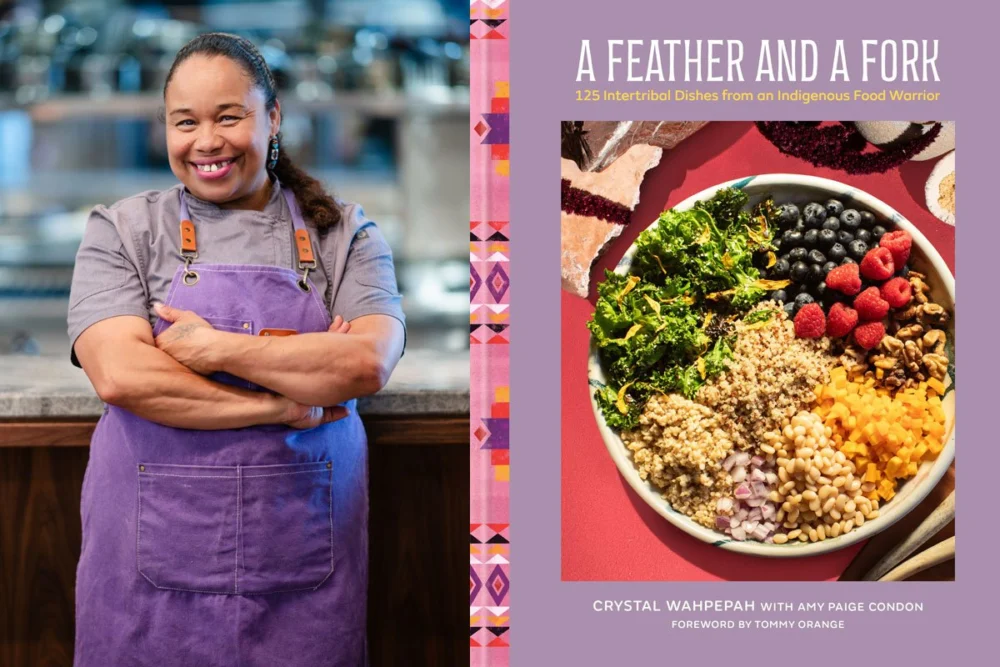
Oakland, CA – In a significant moment for Indigenous cuisine and cultural preservation, Chef Crystal Wahpepah, a trailblazing Kickapoo culinary artist, is set to release her highly anticipated debut cookbook, A Feather and a Fork, on March 17. The publication marks a pivotal step in her mission to elevate intertribal foods, intertwining ancestral knowledge with contemporary culinary expression. This comprehensive collection of 125 recipes is not merely a guide to cooking but a vibrant narrative of heritage, resilience, and the ongoing movement for Indigenous food sovereignty, deeply rooted in her Kickapoo traditions while honoring the diverse tapestry of Native communities, including the Ohlone people, the original stewards of the land now known as Oakland.
A Culinary Journey Rooted in Heritage
Crystal Wahpepah’s culinary journey is a testament to the power of food as a vehicle for cultural identity and healing. Her restaurant, Wahpepah’s Kitchen in Oakland, has become a beacon for Indigenous gastronomy, offering a taste of authentic Native American flavors often overlooked in mainstream culinary discourse. The cookbook, A Feather and a Fork, extends this experience, featuring recipes that are meticulously titled in both English and Kickapoo, a deliberate choice to honor and preserve her linguistic heritage. Beyond the recipes, the book is enriched with practical advice on ingredient sourcing, deep dives into Wahpepah’s personal life story, detailed accounts of her tribe’s history, and crucial cultural context surrounding the featured foods. This holistic approach ensures that readers gain not just culinary skills but also a profound understanding of the cultural significance embedded within each dish.
Wahpepah’s rise in the culinary world has been marked by several notable achievements, underscoring her role as a formidable voice for Indigenous foodways. A finalist for the prestigious James Beard Foundation Emerging Chef Award, she shattered barriers as the first Indigenous chef to compete on Food Network’s highly popular show Chopped. Her professional accomplishments have also earned her induction into the Native American Almanac, recognizing her significant contributions to her community and beyond. These accolades not only celebrate her individual talent but also highlight the increasing recognition of Indigenous culinary arts on a national stage.
Defining the Indigenous Food Warrior
At the core of Wahpepah’s philosophy is the concept of the "Indigenous food warrior," a term she uses to describe herself and the broader community engaged in revitalizing traditional food systems. For Wahpepah, an Indigenous food warrior is anyone actively participating in the food sovereignty movement, committed to keeping ancestral knowledge alive. This expansive definition encompasses a wide array of roles, from farmers and seed keepers meticulously preserving heirloom varieties, to hunters and gatherers maintaining sustainable practices, to those who prepare and consume traditional foods. She recalls the genesis of the term during her early catering days, traveling between Oakland and Los Angeles with her niece, embracing it as a descriptor for their shared culinary mission. This collective spirit, she emphasizes, is evident across "Indian Country," where countless individuals are dedicated to reconnecting with the land and its sustenance.
The food sovereignty movement, to which Wahpepah is deeply committed, seeks to empower Indigenous communities to define their own food systems, control their land, and ensure access to healthy, culturally appropriate food. This stands in stark contrast to historical injustices, where colonial policies systematically disrupted traditional foodways, leading to widespread food insecurity and diet-related health disparities among Native populations. By promoting traditional foods and sustainable practices, Wahpepah and her peers are actively working to reverse these legacies, fostering health, economic independence, and cultural pride.

Community Engagement and Collaborative Efforts
Wahpepah’s commitment extends far beyond her restaurant kitchen. She is deeply integrated into Oakland’s vibrant, though often overlooked, Native community and is a leading advocate for food sovereignty initiatives throughout the Bay Area. Her effervescent personality and "big auntie energy" make her a natural collaborator, fostering strong partnerships with key organizations. Among her most significant alliances is with The Culture Conservancy, a Native-led nonprofit dedicated to preserving and empowering Indigenous cultures. Wahpepah’s relationship with the conservancy began over a decade ago, stemming from a dinner she cooked at the Intertribal Friendship House in Oakland, one of the nation’s oldest urban Indian centers. This enduring partnership exemplifies her belief that true culinary impact is achieved through collective action and community upliftment.
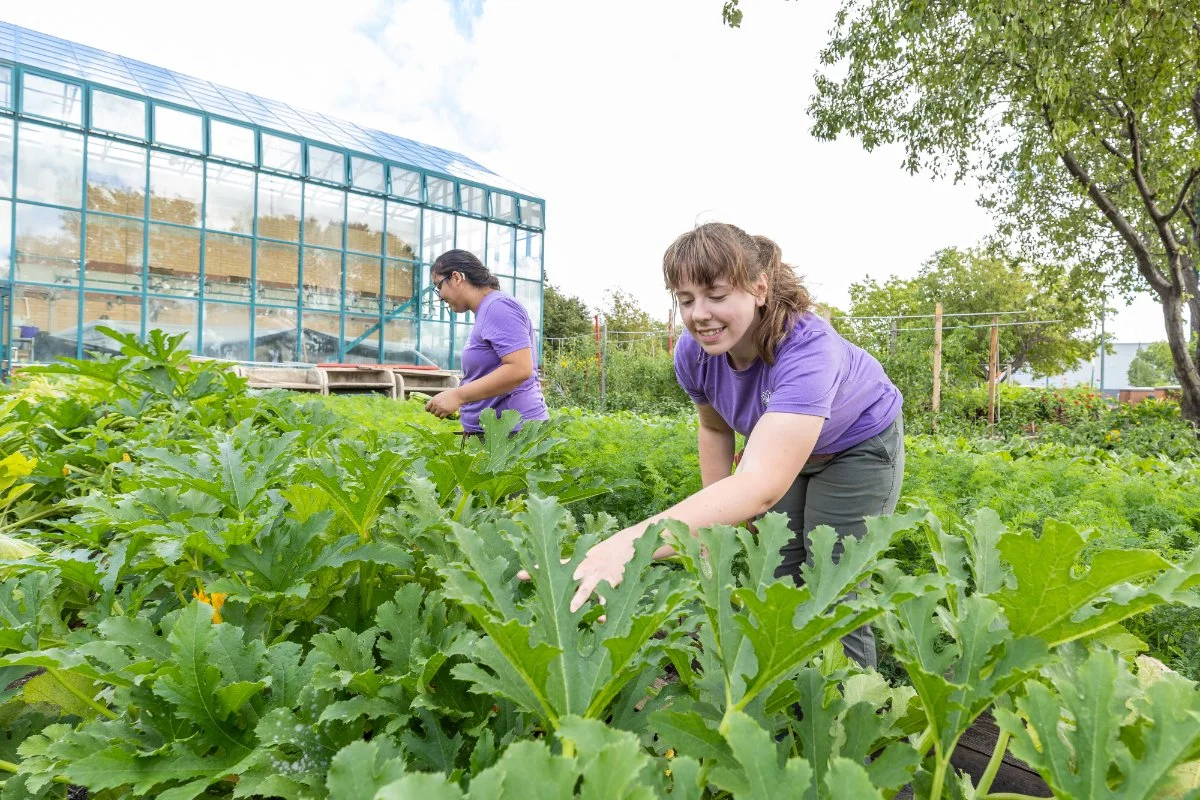
The collaboration with The Culture Conservancy is particularly impactful at their Sonoma farm, Heron Shadow. Here, Wahpepah actively participates in cultivating a diverse array of traditional Indigenous vegetables, including Hopi black beans, Quapaw red corn, Buffalo Creek squash, chilies, tomatoes, and amaranth. While some of this meticulously grown produce finds its way onto the menu at Wahpepah’s Kitchen, the majority is generously distributed to community members, directly addressing food access issues faced by Native people. This work is not solely about providing sustenance; it is equally about educating and inspiring the next generation. Wahpepah observes that young people are increasingly drawn to these efforts, recognizing the importance of reconnecting with their heritage and the land.
Oakland, a city renowned for its rich multiculturalism, harbors a significant Native community, particularly concentrated in areas like Fruitvale, where Wahpepah’s restaurant is located. While this vibrant presence might be familiar to local residents, it often remains unseen by outsiders. Wahpepah actively encourages broader community involvement, highlighting opportunities to volunteer with organizations like The Culture Conservancy, the Intertribal Friendship House, and the Sogorea Te’ Land Trust. The latter, a Native-led nonprofit, is at the forefront of the "Land Back" movement, dedicated to returning Indigenous land to Indigenous people, a critical component of restorative justice and genuine food sovereignty.
Further extending her educational outreach, Wahpepah serves as chef-in-residence at Cal Poly Humboldt’s Food Sovereignty Lab since October of the previous year. In this role, she teaches a class designed to introduce students from diverse backgrounds to the profound benefits of Indigenous foods and the critical importance of sovereignty work. The presence of numerous Native students in her class underscores the growing interest among young Indigenous individuals in reclaiming their foodways and cultural narratives.
Food as Medicine: A Holistic Perspective
The concept of "food as medicine" is not a novel idea but an ancient principle deeply embedded in Indigenous cultures, a philosophy that profoundly shapes Wahpepah’s work. She recounts personal experiences from her youth, navigating the complexities of intergenerational trauma, where she found solace and healing in connecting with specific traditional foods, such as picking berries. This act of engaging directly with nature and its bounty remains her "happiest place" to this day, illustrating the therapeutic power of ancestral practices.
Wahpepah believes that contemporary society’s widespread feelings of loss and disconnection stem from a profound detachment from the land. She advocates for a conscious effort to understand the history of the land one inhabits and the origins of one’s food. This understanding, she argues, is not merely intellectual but spiritual, facilitating a reconnection with ancestral wisdom. Many Indigenous healing traditions emphasize a holistic approach, where physical, mental, and spiritual well-being are inextricably linked to one’s relationship with the environment and the foods it provides. By embracing tribal foods, Wahpepah suggests, individuals can embark on a journey of healing, not only for themselves but for future generations, restoring balance and harmony.

Traditional Indigenous diets, rich in wild game, fish, berries, nuts, seeds, and cultivated crops like corn, beans, and squash, are inherently nutrient-dense and align with modern nutritional science as preventative medicine. In contrast, the forced assimilation policies and removal from traditional lands led to the imposition of government-issued rations, often high in processed ingredients, sugar, and unhealthy fats. This dietary shift contributed significantly to the high rates of diabetes, heart disease, and other chronic illnesses prevalent in many Native communities today. Wahpepah’s work directly counters this historical trauma by reintroducing and celebrating the health-giving properties of ancestral foods. For instance, her cookbook features a bison roast with chokecherry rub, highlighting chokecherries (Misiikwaa Katoowakimina) as a powerful medicine rich in antioxidants and anti-inflammatory properties, a testament to the scientific wisdom embedded in traditional knowledge. Similarly, blue corn mush with mixed berries (Peeskipaateeki Methiikwaki Meekateethichik Miinaki), a staple at Wahpepah’s Kitchen, exemplifies how traditional dishes can be both delicious and incredibly nourishing.
Fry Bread: A Complex Symbol of Resilience
During her interview with Civil Eats, Wahpepah touched upon the nuanced symbolism of fry bread, a dish often associated with Native American cuisine. Fry bread’s history is complex, reflecting both resilience and the painful legacy of colonization. It emerged as a survival food, created by Native peoples from the limited government rations—flour, sugar, lard—provided when they were forcibly displaced from their ancestral lands and traditional food sources. In this context, it represents ingenuity and adaptation in the face of adversity, a symbol of survival.
However, its high calorie and fat content also contributes to health issues when consumed regularly, leading to ongoing debates within Native communities about its place in a diet focused on health and ancestral foods. Wahpepah’s perspective acknowledges this duality, recognizing fry bread as a symbol of resilience while simultaneously advocating for a broader return to the diverse, healthier traditional foods that predated colonial contact. This perspective underscores the ongoing process of healing and re-evaluation within Indigenous food movements.
Broader Implications and the Future of Indigenous Cuisine
Chef Crystal Wahpepah’s work with A Feather and a Fork and her tireless advocacy in the Bay Area represent a significant force in the broader movement to revitalize Indigenous cultures and economies. Her efforts contribute to a growing national conversation about food justice, cultural appropriation, and the importance of supporting Indigenous-led initiatives. By showcasing the richness and diversity of Native American cuisine, she is not only educating the public but also inspiring a new generation of Indigenous chefs, farmers, and activists.
The impact of such work is multifaceted. Economically, supporting Indigenous food businesses and farmers contributes to self-sufficiency and strengthens local Indigenous economies. Culturally, the revival of traditional foodways helps to preserve endangered languages, stories, and ceremonies intrinsically linked to food. Environmentally, Indigenous agricultural practices, often based on sustainable, reciprocal relationships with the land, offer valuable lessons for addressing contemporary ecological challenges.
The success of A Feather and a Fork is anticipated to further solidify Wahpepah’s position as a national leader in Indigenous culinary arts. Her ability to bridge traditional knowledge with modern appeal makes her an invaluable ambassador for Native American culture. As the Indigenous food sovereignty movement gains momentum, chefs like Wahpepah are not just cooking food; they are actively shaping a future where Indigenous food systems are thriving, celebrated, and recognized as fundamental to the health and vitality of their communities and the planet. Her cookbook is more than a collection of recipes; it is an invitation to engage with a profound cultural legacy and participate in a movement of healing and reclamation.