admin
admin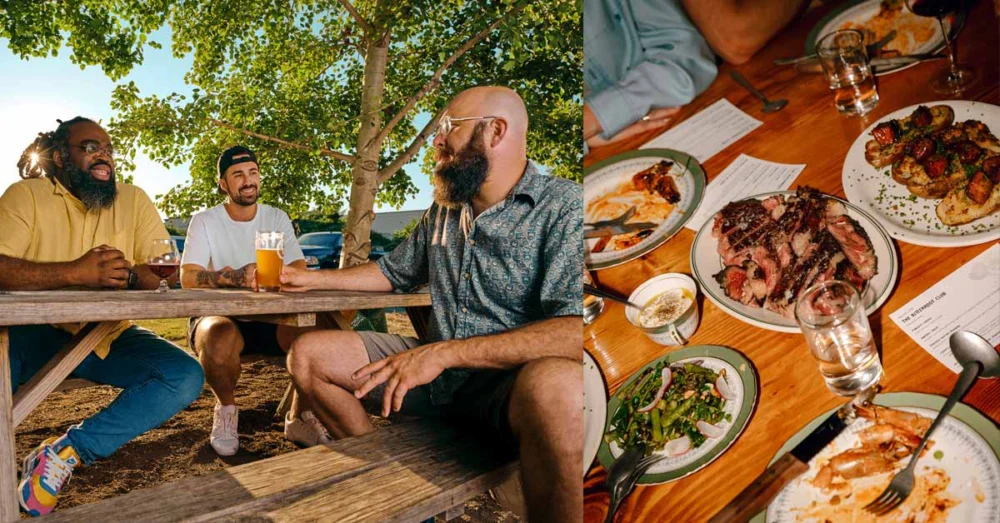
The landscape of the American craft beer industry is currently undergoing a significant transformation, characterized by a tightening marketplace and shifting consumer preferences. Nowhere is this evolution more visible than in Portland, Oregon—a city long ago dubbed "Beervana" for its dense concentration of independent breweries and its sophisticated consumer base. As breweries nationwide grapple with post-pandemic economic pressures, Portland’s industry leaders are increasingly turning toward "elevated" experiences that merge high-end culinary arts with traditional brewing. A prime example of this trend is found at Grand Fir Brewing in the city’s Buckman neighborhood, where the weekly "Bitterroot Club" supper club serves as a case study for the modern survival strategies of independent brewers.
Founded in November 2022 by the husband-and-wife team of Doug Adams and Whitney Burnside Adams, Grand Fir Brewing represents a convergence of elite culinary talent and veteran brewing expertise. Doug Adams, a finalist on Bravo’s Top Chef and a James Beard Award semifinalist, utilizes the Bitterroot Club to showcase a $135-per-person prix fixe menu that pairs seasonal, locally sourced ingredients with beers crafted by Whitney, a former brewmaster at 10 Barrel Brewing Company with a pedigree including Upright Brewing and Elysian. This model—pairing sophisticated dishes like charcoal-grilled pork chops and Columbia King salmon with specific beer profiles—highlights a strategic shift away from the traditional "burger and a pint" brewpub model toward a more curated, destination-oriented experience.
The Historical Foundations of the Portland Beer Market
The resilience of the Portland beer scene is rooted in a unique historical and geographical context. According to industry veterans, the city’s identity as a global brewing hub was forged in the late 1980s and early 1990s. Van Havig, master brewer and co-founder of Gigantic Brewing, notes that Portland’s geographic isolation played a crucial role in its development. During the formative years of the craft movement, major national conglomerates like Miller and Anheuser-Busch maintained a minimal presence in the Pacific Northwest. This vacuum allowed local distributors and independent brewpubs to dominate the market early on, fostering a culture where "craft" was not a niche category but the standard expectation.
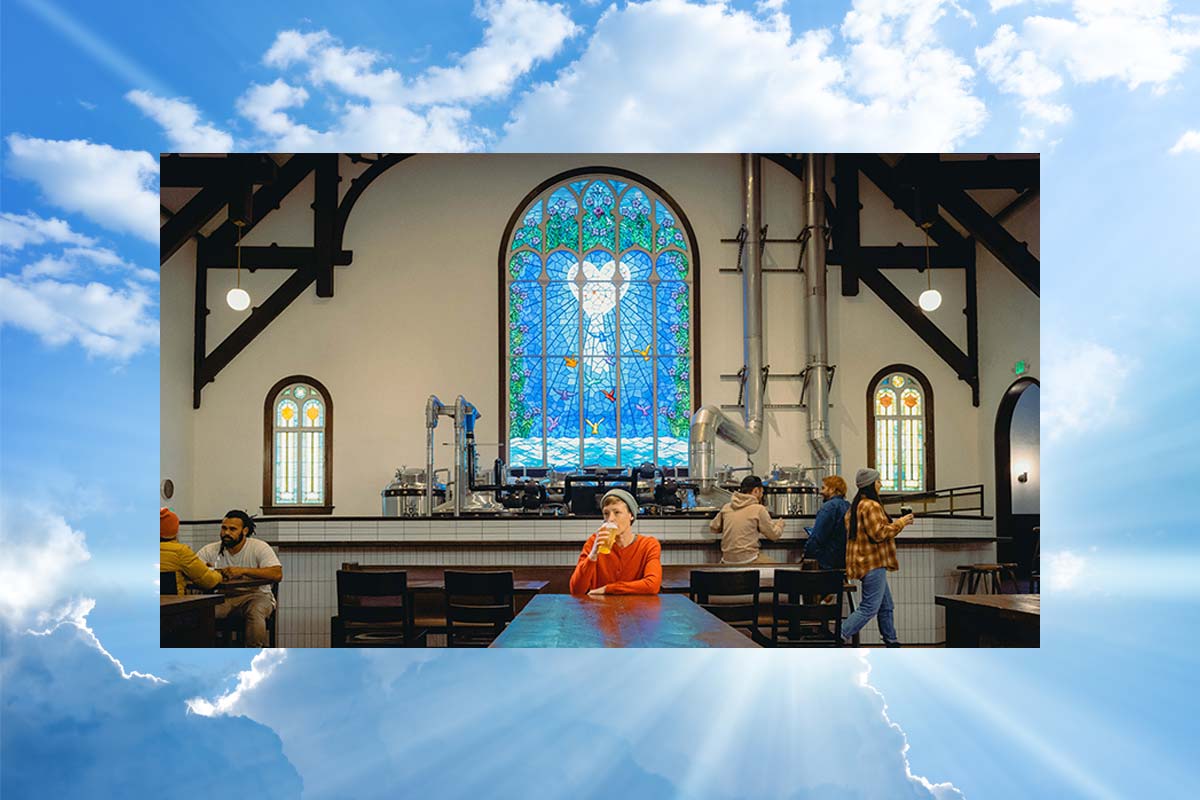
The term "Beervana" was first popularized by the local alternative weekly Willamette Week in 1994, reflecting a culture that was already decades ahead of most American cities. By the early 2000s, Portland had established what many considered the most developed craft market in the country. The "Big Six" beers of that era—Widmer Brothers’ Hefe, Deschutes’ Mirror Pond Pale Ale and Black Butte Porter, Portland Brewing’s MacTarnahan’s Amber Ale, Full Sail Brewing’s Amber Ale, and BridgePort Brewing’s IPA—set the stylistic templates for the region. BridgePort’s IPA, introduced in 1996, is specifically credited with defining the "Northwest-style IPA," a hop-forward profile characterized by citrus, floral, and pine notes derived from local hop varietals.
The Agricultural Advantage: Willamette Valley and Yakima
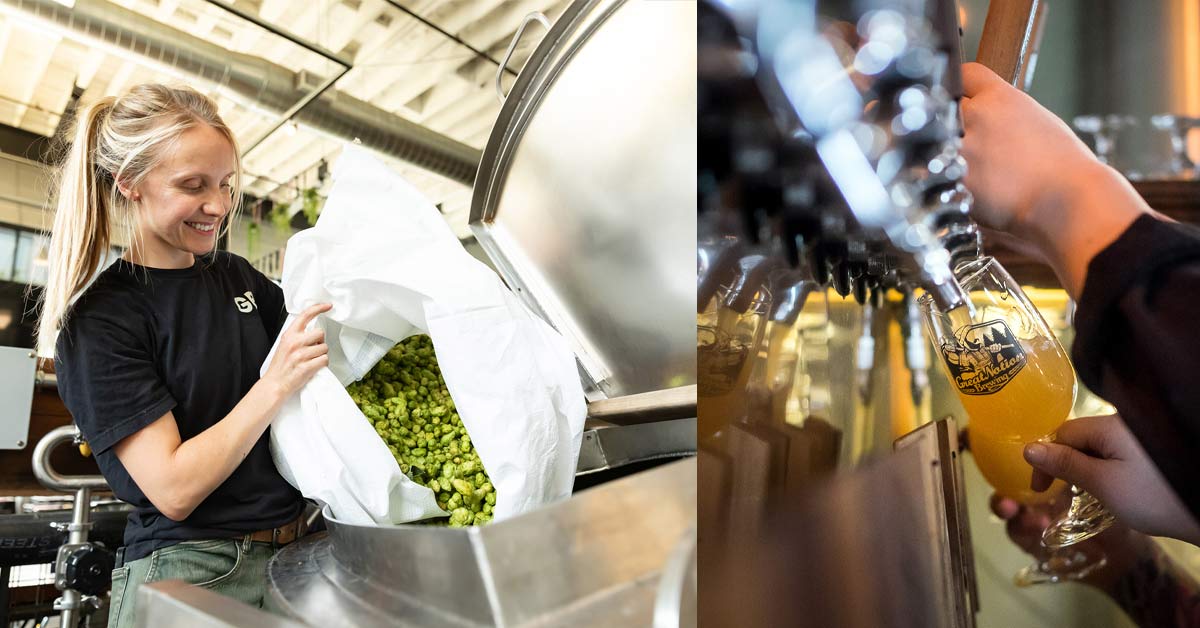
A primary driver of Portland’s brewing success is its proximity to the world’s most productive hop-growing regions. The Willamette Valley, located just south of Portland, produces some of the most coveted aroma hops in the global market. Additionally, the Yakima Valley in neighboring Washington State provides the bulk of the bittering and dual-purpose hops used in the American IPA revolution.
This agricultural proximity allows Portland brewers unparalleled access to fresh ingredients, particularly during the annual "fresh hop" season in late summer and early autumn. This accessibility has fostered a "savvy" consumer base that Whitney Adams describes as having a "good pulse on what’s happening with each brewery." The relationship between the producer and the consumer in Oregon is symbiotic; the drinkers’ high expectations drive the brewers to innovate, while the brewers’ innovations expand the consumers’ palates.
Chronology of Expansion and Market Diversification
The Portland beer scene has moved through several distinct phases of growth:
- The Brewpub Era (1984–2000): Characterized by the rise of family-friendly establishments that brewed on-site, such as McMenamins and BridgePort.
- The IPA Dominance and Style Expansion (2000–2010): A period where Northwest IPAs became the dominant style, and breweries like Breakside Brewing (founded in 2010) began pushing the boundaries of traditional styles.
- The Growler and Retail Boom (2010–2018): As noted by Breakside’s Ben Edmunds, this era saw a massive expansion of "draft real estate." Gas stations, grocery stores, and dedicated bottle shops installed draft towers, providing small breweries with unprecedented access to consumers outside of their own taprooms.
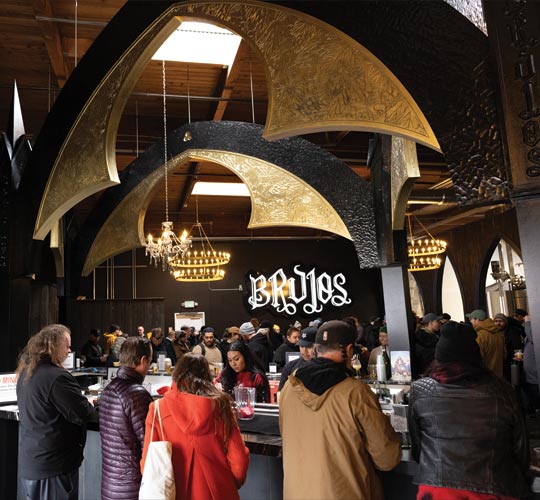
- Specialization and Hyper-Localization (2018–Present): The current era is defined by breweries focusing on specific niches. This includes lager-centric operations like Wayfinder, "heavy metal" hazy IPA houses like Brujos Brewing, and pastry sour specialists like Great Notion.
Economic Realities and the "Elevated" Strategy
Despite its storied history, the Portland market is not immune to the broader economic headwinds facing the hospitality sector. Rising real estate prices, labor costs, and a general cooling of the craft beer growth rate nationally have forced local breweries to adapt. Whitney Adams argues that simply opening a brewery is no longer a guaranteed path to success. "You need a certain angle these days," she notes, explaining that Grand Fir’s focus on high-end food is a necessary differentiator in a crowded field.
Data from the Brewers Association suggests that while overall craft beer production has plateaued, taproom-focused models and those offering "premiumized" experiences have shown greater resilience. By integrating a "supper club" atmosphere, Grand Fir is able to maintain higher margins and attract a demographic looking for an evening that transcends the casual bar experience.
This shift toward "elevation" is also seen in the technical side of brewing. Legacy breweries like Deschutes are investing heavily in non-alcoholic (NA) versions of their flagship beers, such as Black Butte Porter, to capture the growing "sober-curious" market. Meanwhile, newer establishments like Living Häus Beer Company and Ruse Brewing focus on technical perfection in lagers and West Coast IPAs to appeal to the most discerning enthusiasts.
Broader Implications for the Industry
The current state of Portland’s beer scene offers a roadmap for other mature markets. The "Beervana" model suggests that long-term sustainability depends on three factors: quality, community integration, and adaptability.
Ben Edmunds of Breakside Brewing points out that the "brewing family tree" in Portland has matured. Historically, brewers stayed at one location for decades. Today, a new generation of experienced brewers is branching out to start their own ventures, bringing a high level of technical expertise to the "startup" phase of new breweries. This influx of "new blood" prevents the scene from becoming stagnant and ensures that quality remains high even as the number of establishments grows.
The integration of beer into the local culture is so complete that, as Van Havig observes, the term "craft beer" is rarely used by locals. "Here, it’s just beer," he says. This cultural normalization acts as a buffer against market volatility. While other regions might see craft beer as a trend, in Portland, it is a staple of the local economy and social fabric.
Conclusion: The Future of Beervana
As Portland navigates the complexities of the 2020s, its brewing industry remains a cornerstone of the city’s identity. The transition from the "microbrew" era to a sophisticated, multi-disciplinary hospitality model—represented by the likes of Grand Fir Brewing and The Bitterroot Club—demonstrates the industry’s ability to pivot without losing its core identity.
While challenges such as skyrocketing overhead and changing consumption habits persist, the fundamental strengths of the region—access to world-class raw materials, a highly educated consumer base, and a deep bench of experienced talent—suggest that Portland will continue to serve as a bellwether for the global craft beer movement. In the words of Van Havig, Portland is "where craft beer won." The victory, however, is not a static state but a continuous process of refinement, innovation, and an unwavering commitment to the craft.