admin
admin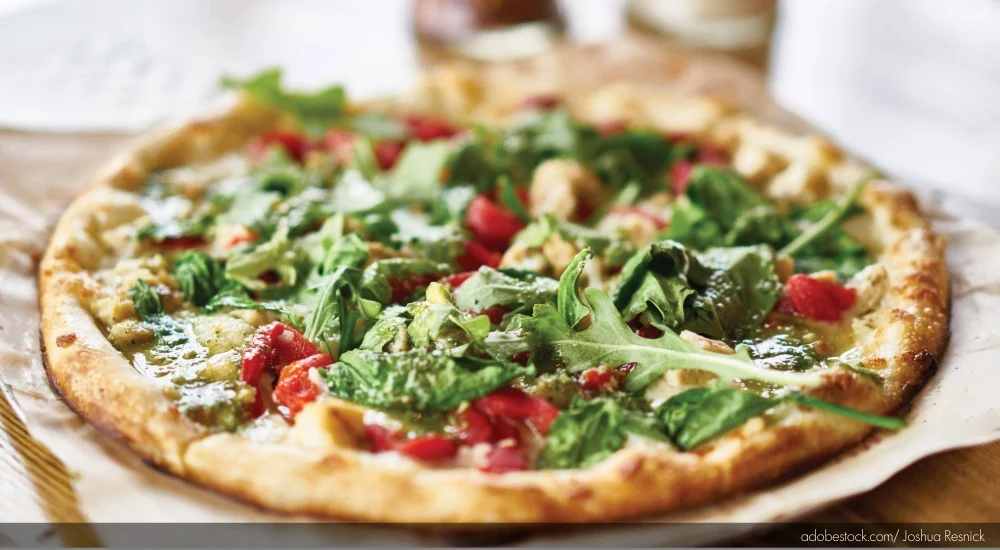
The transition from the hearty, comforting fare of winter to the bright, refreshing flavors of spring and summer marks a significant shift in culinary philosophy for restaurants and food service establishments. This seasonal evolution is driven by both consumer demand for fresh, vibrant ingredients and the practical abundance offered by warmer months. While winter menus often lean into rich, slow-cooked dishes, the arrival of spring and summer ushers in an emphasis on crisp textures, juicy sweetness, and the sharp zest of newly harvested produce, providing ample opportunities for menu innovation and adaptation.
The Seasonal Shift: A Culinary Imperative
The embracing of seasonal ingredients is more than a fleeting trend; it represents a foundational principle of modern gastronomy. Restaurants are increasingly aligning their menus with the natural growing cycles, a practice that offers numerous benefits ranging from enhanced flavor profiles to improved sustainability and economic advantages. Consumers today are more discerning, often seeking transparency in sourcing and a connection to where their food comes from. This preference has fueled the growth of the "farm-to-table" movement, pushing chefs to prioritize local and seasonal procurement. This approach not only ensures peak freshness and taste but also supports local agricultural communities and reduces the carbon footprint associated with long-distance transportation of ingredients. The inherent quality of in-season produce often means less need for extensive manipulation, allowing the natural flavors to shine.
Spring’s Ephemeral Delights: A Brief but Vibrant Window
Spring, often arriving with a sudden burst after the cold dormancy of winter, brings with it a unique array of produce characterized by its short, intense season. Unlike many fruits and vegetables available for several months, spring crops frequently appear for just a few weeks, making their presence a highly anticipated event. This fleeting availability challenges chefs to be agile and creative, incorporating these ingredients swiftly before they vanish until the following year.
-
Chronology of Spring Produce:
- Early Spring (March-April): Ramps, fiddlehead ferns, asparagus, stinging nettles, morel mushrooms. These items are often among the first signs of spring, prized for their earthy, delicate, or pungent flavors. Asparagus, for instance, typically peaks in April and May across many regions, offering tender spears that are excellent roasted, grilled, or lightly steamed.
- Mid-Spring (April-May): Garlic scapes, pea shoots, radishes, early spinach, rhubarb. Garlic scapes, the flowering stalks of hardneck garlic, offer a milder, sweeter garlic flavor and are available for a limited window in late spring. Pea shoots provide a delicate, sweet pea flavor and a tender crunch.
- Late Spring (May-June): Strawberries (early varieties), artichokes, new potatoes, fava beans. The arrival of local strawberries signals the transition towards summer, bringing a burst of natural sweetness that is vastly superior to their hothouse counterparts.
-
Culinary Applications and Significance: The delicate nature and concentrated flavors of spring produce necessitate thoughtful preparation. Ingredients like garlic scapes can be pureed into pesto, sautéed as a side, or thinly sliced onto pizzas for a unique aromatic twist. Pea shoots make excellent garnishes for salads, sandwiches, or light pasta dishes, adding both visual appeal and a fresh burst of flavor. Asparagus, with its tender-crisp texture, can be the star of a seasonal appetizer, a vibrant addition to a spring pizza, or a refined side dish. The challenge of sourcing and utilizing these short-lived items often translates into exclusive, highly sought-after menu specials, creating excitement and drawing diners eager to experience these seasonal gems. Industry experts note that leveraging these unique windows can significantly enhance a restaurant’s reputation for freshness and culinary innovation.
Summer’s Bountiful Harvest: A Prolonged Feast
As spring gives way to summer, the landscape of available produce explodes in both quantity and variety. Summer’s longer growing season and warmer temperatures yield an incredible abundance of fruits and vegetables, offering chefs a vast palette of flavors, colors, and textures to explore. This season is synonymous with vibrant, sun-ripened produce, many of which thrive in their raw or minimally prepared states.
-
Chronology of Summer Produce:
- Early Summer (June-July): Berries (strawberries, raspberries, blueberries, blackberries), cherries, apricots, green beans, cucumbers, early corn, bell peppers, eggplant. The berry season is a highlight, with each variety offering distinct sweetness and tartness. Stone fruits like cherries and apricots provide a juicy, often intensely sweet experience.
- Mid-Summer (July-August): Tomatoes (heirloom, cherry, beefsteak), peaches, plums, zucchini, summer squash, sweet corn, melons, basil, cilantro, dill. This period is often considered the peak of summer abundance. Tomatoes, in particular, reach their zenith, offering unparalleled flavor and versatility. Peaches and plums provide succulent sweetness for both savory and sweet applications.
- Late Summer (August-September): Late corn, winter squash (early varieties), peppers (chiles, sweet), apples (early varieties), grapes. While still firmly in summer, late August and September begin to hint at the transition to fall, with some crops overlapping seasons.
-
Culinary Applications and Significance: Summer produce lends itself to a wide array of culinary approaches, from simple preparations that highlight natural flavors to more complex dishes. Berries and stone fruits, for example, add a natural sweetness to menus, appearing in desserts, salads, and even savory dishes like berry-infused glazes for proteins or fruit-topped pizzas. Green beans and cucumbers offer refreshing crunch, ideal for salads, slaws, or light side dishes. The prolific nature of zucchini and summer squash makes them staples, adaptable to grilling, roasting, frying, or incorporating into pasta dishes and baked goods. And, of course, corn, with its concentrated starchy sweetness, is a summer icon, versatile enough for salads, salsas, grilled sides, or even as a unique pizza topping. The sheer volume of fresh herbs—basil, mint, cilantro, parsley—available during summer allows for their generous use, finishing dishes with aromatic freshness, infusing oils, or brightening dressings.
Strategic Menu Development: Adapting to Nature’s Calendar
Integrating seasonal produce effectively requires a thoughtful and flexible approach to menu development. Restaurants employ various strategies to harness the bounty of each season while maintaining operational efficiency and consistency.
-
Diverse Menu Adaptation Models:

- Daily or Weekly Specials: This highly agile approach allows chefs to react quickly to the availability of specific, short-lived ingredients. It offers maximum creativity and novelty but requires robust communication with front-of-house staff and flexible sourcing.
- Quarterly Menu Overhauls: A more structured approach involves revamping a significant portion of the menu four times a year, aligning with the major seasonal shifts. This provides a balance between freshness and operational stability, allowing for more extensive recipe testing and staff training.
- Base Menu with Seasonal Additions: Many establishments maintain a core menu of popular, year-round items and supplement it with one or two seasonal "spotlight" dishes or pizza specials. This minimizes disruption while still showcasing seasonal ingredients, making it a popular choice for pizzerias that rely on consistent customer favorites.
- Seasonal "Pie of the Month" or Feature Pizza: This strategy focuses on a single, rotating item, making it easy to promote and manage while still capitalizing on seasonal produce.
-
Operational Considerations: Successful seasonal menu implementation hinges on several key operational factors. Sourcing becomes paramount, often involving direct relationships with local farmers or specialized produce distributors. Inventory management requires careful planning to minimize waste, especially with perishable seasonal items. Staff training is crucial; servers must be knowledgeable about the ingredients, their provenance, and flavor profiles to effectively recommend and describe dishes to customers. Cost implications also need to be managed; while seasonal produce can sometimes be more affordable due to local abundance, premium items or highly sought-after early crops may command higher prices.
-
Marketing and Promotion: Effective communication is vital to capitalize on seasonal offerings. Restaurants often leverage multiple channels to inform customers:
- Server Recommendations: Educated staff can highlight seasonal specials, describe their ingredients, and recommend pairings.
- Online Platforms: Pop-ups on online ordering systems, dedicated sections on websites, and social media posts featuring vibrant photos of seasonal dishes are powerful tools.
- In-House Signage: Chalkboards, table tents, or printed inserts can draw attention to limited-time offerings.
- Special Events: Tasting menus, "farm-to-table" dinners, or chef’s specials built around a specific seasonal ingredient can generate buzz.
Innovative Techniques for Maximizing Seasonal Flavors
Beyond simply incorporating fresh produce, chefs utilize various culinary techniques to amplify and diversify the flavors and textures of seasonal ingredients. These methods ensure that even a single ingredient can offer a multi-faceted experience on the plate.
-
Multi-Textural Exploration: Cooking One Item Multiple Ways: This technique involves showcasing a single ingredient in various preparations to create a dynamic interplay of textures and flavors. For example, zucchini, a summer staple, can be sliced and roasted for a tender, caramelized component, its blossoms lightly fried for a delicate crispness, and raw zucchini shaved thin and marinated for a refreshing, acidic counterpoint. This approach allows the diner to experience the ingredient’s full potential within a single dish, demonstrating culinary artistry and minimizing waste. Similarly, tomatoes can be served fresh and raw in a salad, roasted for depth of flavor, or simmered into a vibrant sauce.
-
The Art of Preservation: Pickling and Fermentation: Spring and summer’s abundance provides an ideal opportunity for preservation. Pickling, in particular, offers a fantastic way to capture the peak flavors of produce and extend their usability throughout the year. Pickled vegetables, from cucumbers and radishes to green beans and even some fruits, add a bright, acidic zest that can cut through richness in a dish, offering a refreshing counterpoint. They can serve as garnishes, components in salads, or additions to sandwiches and pizzas. Beyond immediate use, jars of pickled produce can be stored for later in the year, providing a taste of summer during colder months. Fermentation, another preservation method, introduces complex umami flavors and probiotics, transforming ingredients like cabbage into kimchi or other vegetables into lacto-fermented condiments.
-
Herbal Alchemy: Beyond Basil: While fresh basil is a pizzeria staple, the warmer months offer a wealth of other herbs that can dramatically enhance a menu. Mint, dill, cilantro, chives, tarragon, oregano, and thyme each bring unique aromatic profiles. These herbs can be used generously, not just as a final garnish, but integrated into dressings, marinades, infused oils, homemade breads, and tossed into vibrant salads. Their versatility extends to savory applications in main courses and appetizers, and even into innovative desserts or craft cocktails, such as a mint-infused panna cotta or a rosemary-infused simple syrup. Utilizing a wider array of fresh herbs elevates the complexity and freshness of dishes.
-
Sweet Sensations: Fruits in Focus: The procession of different fruits peaking every few weeks during spring and summer—from early strawberries and cherries to mid-summer peaches, plums, and various berries—presents a continuous opportunity for menu innovation. These fruits can be incorporated in both sweet and savory contexts. Sliced and cooked on a pizza, added fresh post-bake for a burst of sweetness and acidity, or simmered down into jams, chutneys, or compotes, fruits offer incredible versatility. They can be featured in salads, paired with cheeses, or transformed into stunning desserts like tarts, crisps, sorbets, or fruit-infused glazes. The natural sugars and vibrant acidity of seasonal fruits provide a dynamic contrast and depth to dishes.
-
Greens Reimagined: From Hearty to Crisp: While leafy greens are available year-round, their preparation and role on the menu can be distinctly seasonal. Unlike the cozy, braised, or wilted applications often seen with winter greens, spring and summer call for greens to be used in their raw, crisp, and vibrant forms. Arugula, spinach, mixed baby greens, or tender kale can be tossed in light, colorful dressings and piled atop a finished pizza or main course for added freshness, crunch, and a peppery bite. Alternatively, these greens can be blended into a zesty pesto, offering a lighter, brighter alternative to traditional basil pesto, perfect for pasta, sandwiches, or as a flavorful base for a pizza. This seasonal shift in preparation highlights the freshness and delicate textures of warmer-weather greens.
Cross-Utilization and Menu Cohesion
Just like any other item on a restaurant’s inventory, seasonal produce should be cross-utilized across the menu to maximize efficiency, reduce waste, and ensure a cohesive culinary identity. Appetizers, sides, and desserts offer perfect avenues for showcasing seasonal ingredients that may also be featured in main courses or pizza specials.
- Efficiency and Consistency: Cross-utilization streamlines ordering and inventory, as multiple menu items draw from the same seasonal produce stock. This reduces the risk of spoilage and helps staff become more familiar with handling and preparing specific ingredients.
- Menu Examples: A menu staple salad can be adapted seasonally by maintaining a consistent base of greens and dressing but rotating the accompanying seasonal vegetables, fruits, nuts, or cheeses. For instance, a summer salad might feature fresh berries, goat cheese, and candied pecans, while a fall version could incorporate sliced apples, gorgonzola, and spiced walnuts. Similarly, a seasonal bruschetta or crostini can be created using whatever peak produce is currently available, perhaps topped with heirloom tomatoes and basil in summer, or roasted squash and sage in the fall.
- Desserts as Seasonal Showcases: Desserts provide an excellent platform for seasonal creativity. A simple olive oil cake, for example, can be made seasonally distinct by varying the accompanying fruits or glazes. In summer, it might be served with macerated berries or a peach compote; in spring, a rhubarb compote or an elderflower glaze. Other seasonal dessert ideas include fruit tarts, crisps, crumbles, or light sorbets that highlight the pure flavors of peak-season produce.
Broader Impact and Implications
The commitment to using seasonal produce extends beyond the immediate culinary benefits, impacting sustainability, local economies, and the overall dining experience.
- Sustainability and Environmental Stewardship: By sourcing locally and seasonally, restaurants contribute to a more sustainable food system. This practice typically involves less transportation, reducing fuel consumption and carbon emissions. It also supports biodiversity by encouraging the cultivation of a wider variety of crops suited to local climates, rather than relying solely on monoculture farming or imports.
- Economic Benefits for Local Communities: Direct sourcing from local farms injects capital into the regional economy, supporting farmers and agricultural workers. This fosters stronger community ties and helps maintain agricultural land, preserving green spaces and rural livelihoods.
- Enhanced Culinary Creativity and Innovation: Seasonal constraints, rather than limitations, often spur greater creativity in the kitchen. Chefs are challenged to think innovatively about how to utilize available ingredients, leading to unique flavor combinations and preparation methods that keep menus exciting and fresh for both the culinary team and the diners.
- Superior Consumer Experience: Ultimately, diners benefit from fresher, more flavorful food. Seasonal produce, harvested at its peak ripeness, offers a taste experience that is unparalleled by out-of-season alternatives. This connection to the natural rhythm of the year also provides a sense of place and authenticity, enriching the overall dining experience.
Whether a restaurant opts for frequent menu overhauls or subtle weekly specials, the abundant and diverse produce available during spring and summer offers an invaluable resource for maintaining a fresh, innovative, and appealing menu. Establishments like Audrey Jane’s Pizza Garage in Boulder, Colorado, owned by Audrey Kelly, exemplify how thoughtful integration of seasonal ingredients can elevate a menu and resonate with a discerning clientele. The strategic embrace of seasonal produce is a testament to a restaurant’s commitment to quality, creativity, and sustainable practices.