admin
admin
In March 2021, a pivotal moment in the Canadian craft beer landscape occurred when three Indigenous brewers, operating as the Indigenous Brew Crew (IBC), launched the “Celebrating Sisters” campaign. The initiative was designed to raise funds and awareness for Indigenous women’s organizations across Canada, utilizing the growing popularity of craft beer as a vehicle for social support. However, what began as a gesture of solidarity quickly exposed a profound and painful schism within Indigenous communities regarding the role of alcohol—a substance inextricably linked to a history of colonial violence, trauma, and systemic control.
While the campaign received significant praise for its charitable goals and the inclusion of high-profile Indigenous artists like Chief Lady Bird, it also met with anguished criticism. For many, the sight of Indigenous symbols on beer cans was not a mark of progress but a reminder of the generational devastation alcohol has wrought upon First Nations, Métis, and Inuit peoples. The ensuing controversy led to the eventual dissolution of the IBC later that year, yet the underlying questions regarding Indigenous sovereignty, economic participation, and the reclamation of the brewing industry remain more relevant than ever.
A Legacy of Legislative Exclusion and Trauma
To understand the current tension, one must look to the 1876 Indian Act, a piece of federal legislation that codified the Canadian government’s control over almost every aspect of Indigenous life. For decades, the Act and its subsequent amendments strictly prohibited Indigenous people from purchasing, possessing, or consuming alcohol. This was not a measure of public health, but a tool of social engineering designed to define Indigenous people as "wards of the state" and to suppress their legal and civil rights.
Under these laws, Indigenous people were excluded from the burgeoning alcohol industry both as consumers and as entrepreneurs. Non-alcoholic beer was derogatorily referred to as “Indian Beer” because it was the only fermented beverage Indigenous people were legally permitted to consume. Simultaneously, colonial authorities and settlers frequently used alcohol as a coercive tool in trade and land negotiations, intentionally fostering dependency to destabilize traditional Indigenous governance and economic systems.
The 2015 report by the Truth and Reconciliation Commission (TRC) of Canada characterized the cumulative effects of these policies—including the residential school system and the "Sixties Scoop"—as "cultural genocide." Alcohol often became a coping mechanism for the deep psychological wounds inflicted by these institutions. As Anishinaabe professor Niigaan Sinclair notes, while forms of alcohol existed in some Indigenous cultures for medicinal or ceremonial use, the modern cycle of dependency is a direct byproduct of state-sponsored trauma.

The legislative landscape began to shift between the 1950s and 1980s as provincial and federal laws were amended to allow Indigenous people the same access to alcohol as other Canadians. However, the end of prohibition did not mean the end of the damage. Today, the Indigenous community remains divided between those who advocate for total prohibition as a form of harm reduction and those who view the right to participate in the alcohol industry as a fundamental expression of economic sovereignty.
Chronology of a Controversy: The 2021 "Celebrating Sisters" Campaign
The timeline of the IBC’s "Celebrating Sisters" campaign serves as a microcosm of this broader debate.
- March 2021: The Indigenous Brew Crew launches the campaign, partnering with several Canadian breweries to release beers featuring labels designed by Indigenous artists.
- April 2021: Chief Lady Bird, an Anishinaabe artist, releases a label featuring a blackbird against a woodland background. The release triggers a wave of social media discourse. Supporters praise the visibility and the charitable contributions to women’s centers, while critics argue that associating Indigenous art with alcohol is irresponsible given the history of addiction.
- May–June 2021: Chief Lady Bird and the IBC engage in public dialogues, acknowledging the difficulty of reconciling the industry with Canada’s history of exploitation. The artist explicitly creates space for feedback, highlighting the need for "hard conversations."
- Late 2021: Following months of internal and external pressure, the IBC officially dissolves. The silence that followed marked a temporary retreat from the public eye, but it did not halt the work of individual Indigenous brewers across the country.
The Modern Landscape: Profiles in Indigenous Brewing
Despite the complexities, a growing number of Indigenous entrepreneurs are asserting their place in the craft beer industry. These individuals are not only brewing beer but are also redefining the relationship between the beverage and the land.

Locality Brewing (Langley, British Columbia)
Melanie MacInnes, a Métis woman and co-owner of Locality Brewing, initially struggled with the public identification of her business as Indigenous-led. In 2022, she faced a personal crossroads when nominated for Best Indigenous-Led Business at the BC Food & Beverage Awards. MacInnes eventually embraced the nomination, viewing it as a responsibility to "walk the walk" for her community. Her brewery focuses on the ethical use of family land, creating a space for gathering that honors her Métis heritage through land-based practices.
Kahnawake Brewing Company (Kahnawake, Quebec)
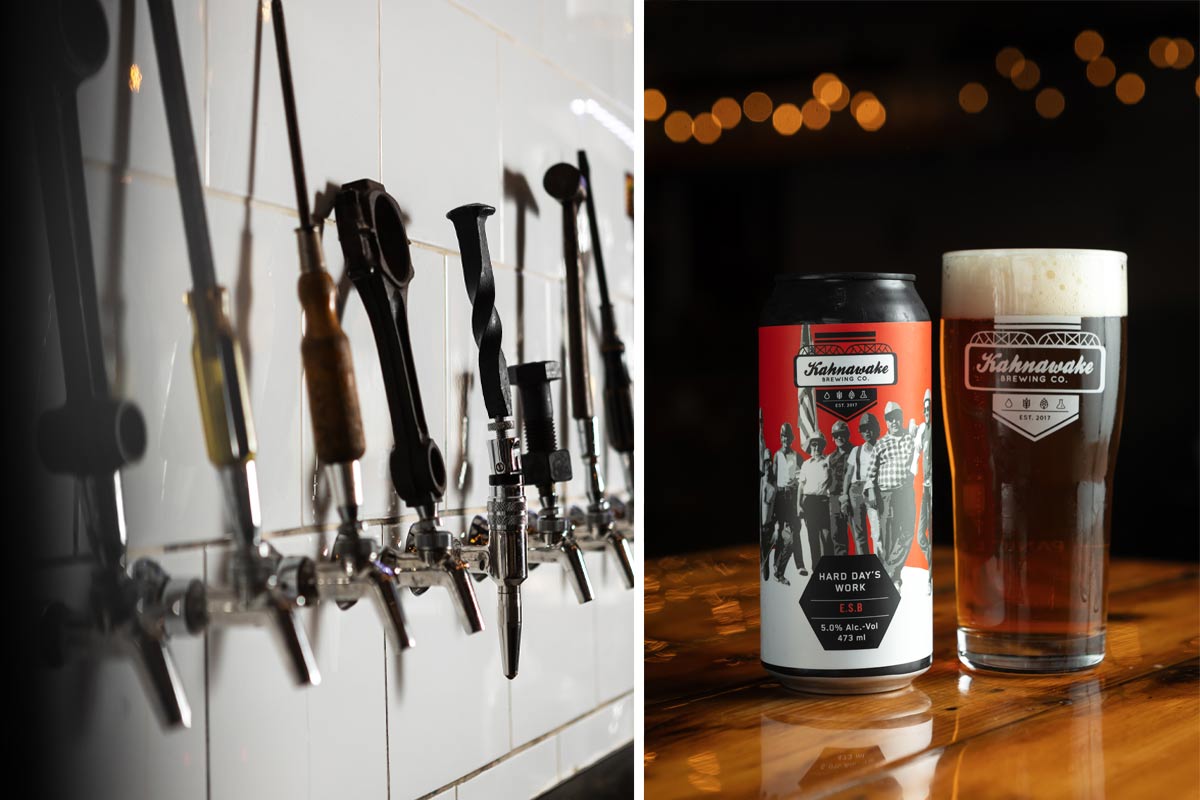
Kahnawake Brewing Company holds the distinction of being Canada’s first openly Indigenous-owned craft brewery located on Indigenous land. Co-owned by Fred Leblanc, a former ironworker, the brewery draws inspiration from the Mohawk tribe’s history in the construction of the Saint-Laurent Railway Bridge. In 2024 and 2025, the brewery gained national recognition by winning multiple medals at the Canada Beer Cup, proving that Indigenous-led breweries can compete at the highest levels of the industry while maintaining deep community roots.
Nonsuch Brewing Co. (Winnipeg, Manitoba)
Matthew Sabourin, co-owner of La Brasserie Nonsuch Brewing Co., has worked to shift the focus from consumption to experience. By hosting "Beer Bannock" events, the brewery educates patrons on Indigenous history—specifically the legacy of Louis Riel—while serving high-quality craft beer. Sabourin’s approach emphasizes celebration and cultural education over volume, aiming to create a "special experience" for the province of Manitoba.

Red Tape Brewery (Toronto, Ontario)
Sarabeth Holden, an Inuit brewer and children’s book author, uses Red Tape Brewery to incorporate ingredients tied to the northern experience. Her beers have featured orange pekoe tea—a staple in northern hunting and fishing trips—and Paunnat (dwarf fireweed). Holden has noted that while she occasionally faces industry bias as an Indigenous woman, her family and community have provided overwhelming support, even from those who do not drink.
Economic Sovereignty and the Path Forward
The participation of Indigenous people in the craft beer industry is increasingly viewed through the lens of economic sovereignty. Darnell Stager of Indigenous Tourism BC argues that preventing Indigenous entrepreneurs from entering the alcohol industry is a form of "economic gatekeeping" that echoes the "ward of the state" status of the past. For Stager and others, self-determination means having the right to work in any industry, provided it is done with responsibility and community care.
Financial infrastructure has begun to adapt to this shift. Organizations such as the Manitoba Métis Federation and Farm Credit Canada have played crucial roles in providing the capital necessary for Indigenous entrepreneurs to launch breweries. This support is vital, as Indigenous businesses often face unique hurdles in securing traditional bank loans due to the complexities of the Indian Act regarding on-reserve property.
Redefining "Indigenous Beer" Through Land and Ethics
A central theme among modern Indigenous brewers is the rejection of the "Indian Beer" stereotype in favor of a new definition of Indigenous brewing. This definition is built on three pillars:
- Ethical Sourcing: Prioritizing ingredients grown on Indigenous land or sourced from other Indigenous suppliers.
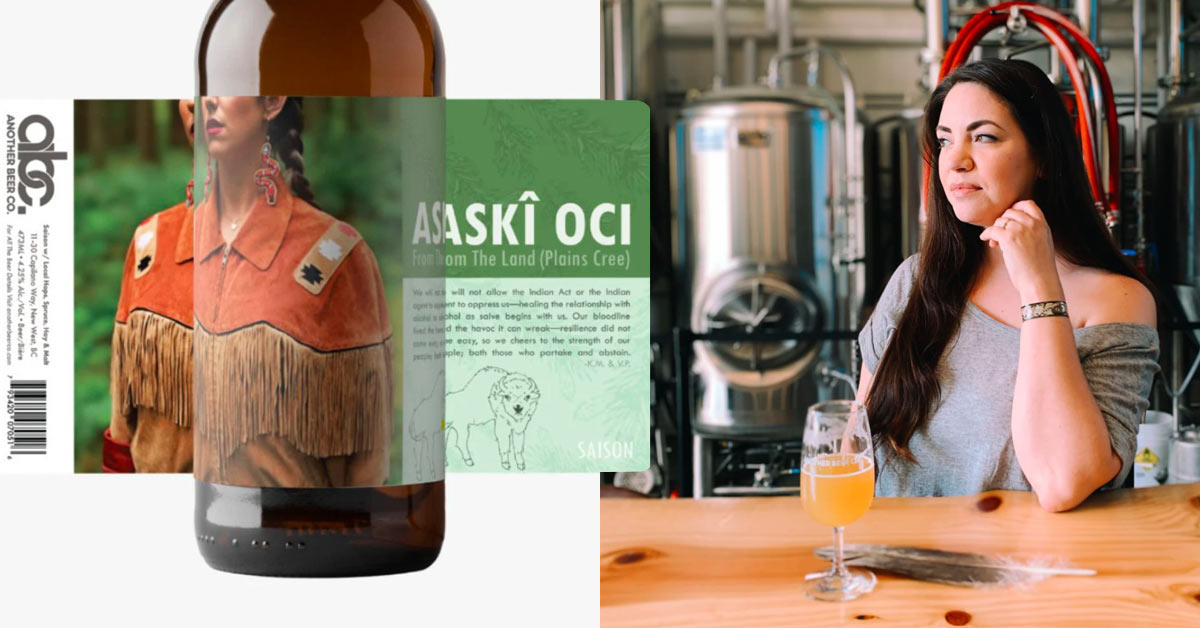
- Cultural Narrative: Using labels and beer names to tell stories of resistance, history, and family, such as the Askî Oci saison by the former Another Beer Co., which featured alfalfa and spruce tips.
- Community Engagement: Moving beyond the "business-to-consumer" model to a "person-to-person" model. Inez Cook, co-founder of Vancouver’s Salmon n’ Bannock restaurant, emphasizes that Indigenous business is built on relationships. She advocates for non-Indigenous brewery owners to proactively introduce themselves to local Tribal Nations and apologize for past exclusions to begin the process of reconciliation.
Conclusion: Responsibility and Reconciliation
The presence of Indigenous people in the Canadian craft beer industry is no longer a peripheral issue; it is a central part of the industry’s evolution. While the trauma of the past cannot be ignored, the current generation of brewers is finding ways to reconcile their heritage with their craft.
As Professor Sinclair suggests, the goal is not necessarily to encourage more drinking, but to establish a healthy relationship with a product derived from natural elements. This relationship must be grounded in sovereignty and the responsibility to avoid causing harm. For the broader craft beer community, the message from Indigenous leaders is clear: inclusion requires more than just diverse labels; it requires a seat at every level of the supply chain and a willingness to engage in the difficult, often silent, conversations about history and the land. By prioritizing people over profits and respect over marketing, the industry may find a sustainable path toward true reconciliation.