admin
admin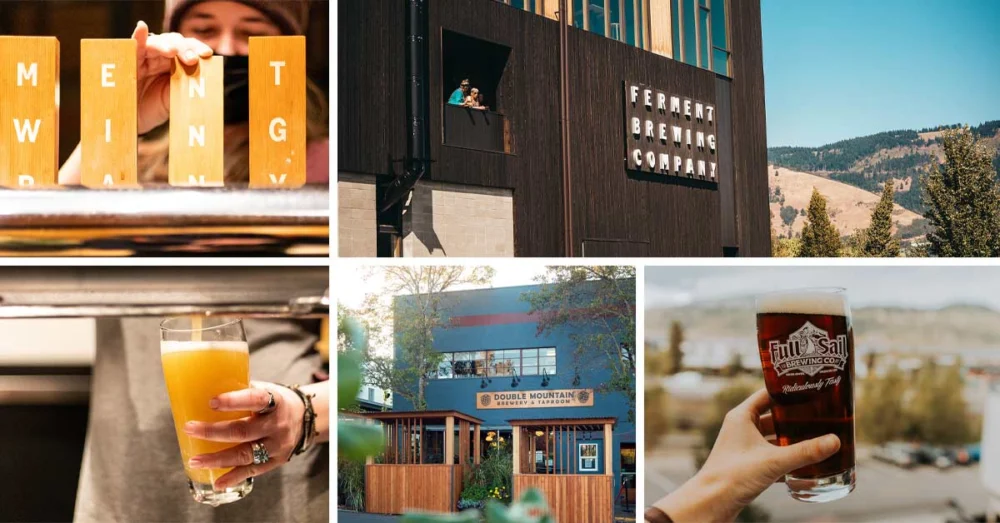
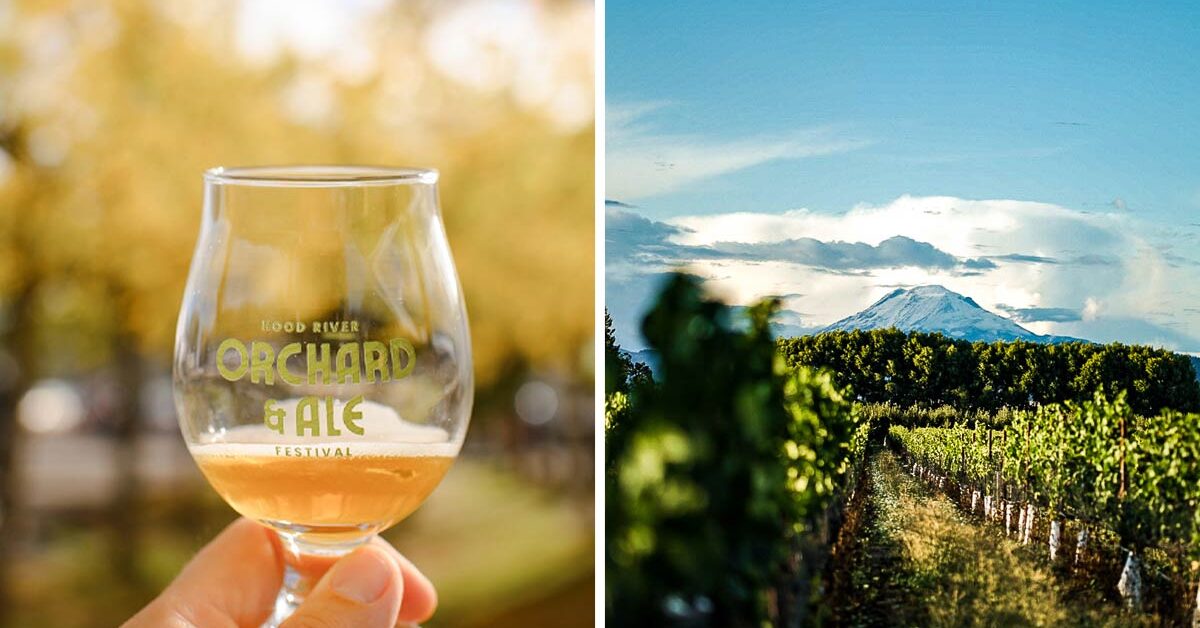
The inaugural Hood River Orchard and Ale Festival, recently staged along the windswept banks of the Columbia River, has signaled a new chapter in the Pacific Northwest’s storied relationship between agriculture and fermentation. While the event served as a showcase for regional craftsmanship, it also underscored the unique geographical and economic factors that have transformed Hood River—a town of approximately 8,300 residents—into one of the densest and most prestigious brewing hubs in North America. Held on the waterfront of the Columbia River Gorge, the festival provided a focal point for the region’s dual identities: a world-class outdoor recreation destination and a premier center for high-altitude viticulture and brewing.
The Columbia River Gorge, a canyon stretching over 80 miles and reaching depths of up to 4,000 feet, acts as a natural wind tunnel, a phenomenon that was on full display during the festival’s commencement. Steady early-October gusts, which drew windsurfers and kiteboarders to the water, challenged event logistics, yet the environmental conditions are precisely what define the region’s output. The basalt-rich geology of the Gorge, carved by the prehistoric Missoula Floods, serves as a natural filtration system for the Hood River watershed. This process results in a soft, mineral-rich water profile that local brewers cite as the foundational element of their global competitiveness.
The Evolution of a Brewing Hub: A Historical Timeline
The emergence of Hood River as a "beertopia" is not a recent accident but the result of a four-decade evolution. To understand the current landscape, one must look at the chronological development of the local industry, which has transitioned from traditional logging and fruit packing to a diversified economy driven by tourism and craft beverage production.
In 1987, Full Sail Brewing Co. became one of the first "modern" craft breweries in Oregon to find a home in a converted fruit cannery overlooking the Columbia River. At a time when the American beer market was dominated by mass-produced light lagers, Full Sail’s introduction of malty, spicy ambers set a precedent for the region. Their success demonstrated that Hood River’s proximity to the Willamette Valley—the second-largest hop-growing region in the United States—provided a logistical advantage that few other locations could match.
Following the trail blazed by Full Sail, Double Mountain Brewery entered the scene in 2007. Known for its commitment to traditional styles and the use of refillable glass bottles, Double Mountain solidified the downtown corridor as a destination for beer enthusiasts. By 2012, the opening of pFriem Family Brewers on the waterfront marked a shift toward European-inspired techniques. pFriem’s focus on Belgian-style ales and German lagers brought international acclaim to the Gorge, winning numerous awards at the Great American Beer Festival and the World Beer Cup.
The momentum continued into the 2020s despite global economic headwinds. Ferment Brewing Company introduced a focus on farmhouse techniques and local "terroir," utilizing native yeasts and regional fruits. In 2023, Hood River Brewing Company joined the downtown landscape, followed most recently in 2025 by Kings & Daughters Brewery, which launched its "Walled Garden" public house. This timeline illustrates a consistent growth pattern that defies national trends of craft beer market saturation.
Geological and Agricultural Foundations
The quality of the beer celebrated at the Orchard and Ale Festival is inextricably linked to the volcanic history of the Cascade Range. Mount Hood, standing at 11,249 feet, provides the snowmelt that feeds the local aquifers. As this water moves through layers of volcanic basalt, it is stripped of impurities while retaining a specific mineral balance that is ideal for brewing crisp lagers and bright, hop-forward IPAs.
According to geological data, the basalt layers in the Gorge are part of the Columbia River Basalt Group, one of the largest accumulations of basalt in the world. For brewers, this means a consistent water source that requires minimal chemical adjustment, a luxury not afforded to breweries in many other parts of the country.
Complementing this water source is the region’s agricultural output. The Hood River Valley is famous for its "Fruit Loop," a 35-mile scenic drive through orchards that produce some of the nation’s finest apples, pears, and cherries. The festival’s name—Orchard and Ale—reflects the increasing synergy between these two sectors. Breweries like Ferment and Working Hands Fermentation have integrated local produce into their seasonal releases, such as strawberry-infused sours and artisanal ciders. This integration provides a secondary market for local farmers and creates a distinct "Gorge Style" of beer that cannot be replicated elsewhere.
Economic Impact and Demographic Density
The economic implications of the brewing industry in Hood River are disproportionate to the town’s size. While the population remains under 9,000, the concentration of breweries per capita is among the highest in the world. According to data from the Oregon Brewers Guild, the craft beer industry contributes over $2.4 billion to the state’s economy annually. In Hood River, the industry is a primary driver of the "experience economy," attracting hundreds of thousands of tourists who contribute to local lodging, dining, and retail tax bases.
The Orchard and Ale Festival serves as a critical marketing vehicle for this economy. By hosting the event in early October, organizers capitalize on the "shoulder season," extending the tourism window beyond the peak summer months. Industry analysts suggest that events of this nature generate significant "leakage-prevention," ensuring that tourism dollars remain within the local community rather than flowing to larger metropolitan hubs like Portland.
Furthermore, the brewing sector has become a major employer in the region. From high-tech brewing operations and laboratory quality control to hospitality and distribution, the industry provides a diverse range of jobs that have helped stabilize the local economy as traditional industries have scaled back.
Technical Excellence and Style Specialization
The diversity of beer styles presented at the festival highlights a shift toward technical precision in brewing. While the Pacific Northwest is often synonymous with the India Pale Ale (IPA), the Hood River scene has diversified into sophisticated lager production and spontaneous fermentation.
pFriem Family Brewers, for instance, has gained a reputation for its Pilsners and Czech Dark Lagers, styles that require rigorous temperature control and long conditioning periods. Working Hands Fermentation has carved out a niche in the "bottom-fermenter" category, producing Schwarzbiers—dark, light-bodied lagers with subtle smoke profiles. This move toward lagers reflects a national trend in the craft industry toward "crisp and clean" profiles, yet Hood River breweries are often cited by critics as the standard-bearers for these styles due to their access to pristine water.
On the opposite end of the spectrum, the emergence of Kings & Daughters and their focus on "The Walled Garden" pub experience represents the evolution of the brewery as a community space. Their emphasis on hazy IPAs and lighter lagers targets a demographic that values atmosphere and sessionability, indicating that the local market is still finding ways to segment and specialize.
Broader Implications and Industry Outlook
The success of the Hood River Orchard and Ale Festival and the continued growth of the local brewing scene offer a blueprint for rural economic development. By leveraging natural resources, geological advantages, and a strong agricultural heritage, Hood River has created a sustainable brand that resonates globally.
However, the industry faces ongoing challenges. Climate change impacts snowmelt patterns in the Cascades, which could eventually alter the water chemistry that brewers rely on. Additionally, the rising cost of living in the Gorge presents challenges for the workforce that sustains these breweries.
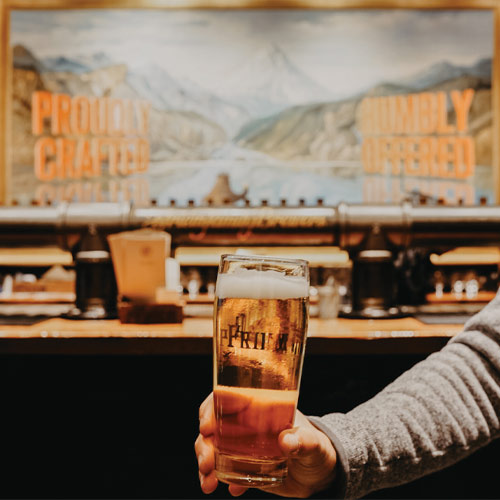
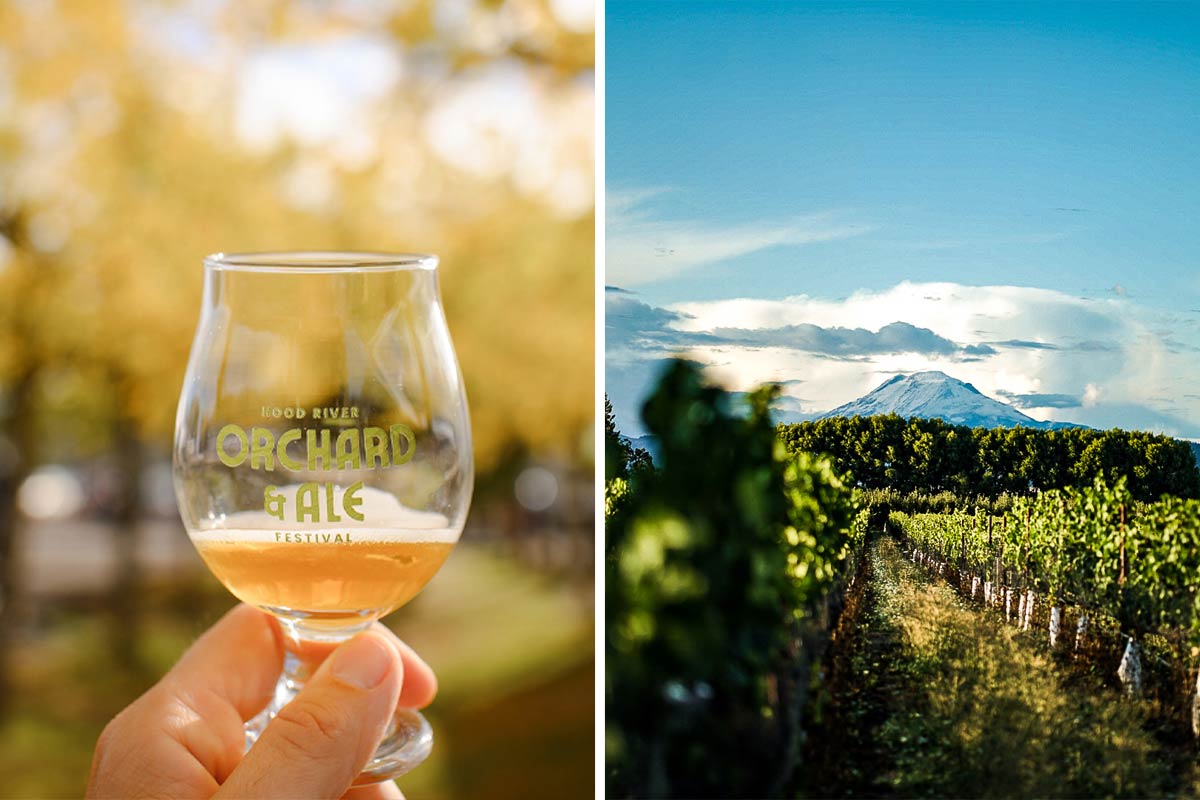
Despite these factors, the inaugural festival demonstrated a resilient and collaborative spirit. The decision by many attendees to opt for permanent glassware over plastic—not just as a souvenir, but as a practical response to the Gorge’s high winds—serves as a metaphor for the industry itself: a preference for substance and durability over the ephemeral.
As the industry moves toward the latter half of the decade, the integration of technology in brewing and the expansion of direct-to-consumer sales models are expected to be the next frontiers. For Hood River, the path forward remains tied to the river and the mountain. The synergy between the orchards and the ale-houses ensures that as long as the snow falls on Mount Hood and the hops grow in the Willamette Valley, this small Oregon town will remain a titan of the international craft beer stage.
In summary, the Hood River Orchard and Ale Festival is more than a local celebration; it is a testament to the power of place-based industry. By combining world-class ingredients with a deep respect for the environment and a history of innovation, the brewers of the Columbia River Gorge have established an economic and cultural model that continues to pour success into the region.