admin
admin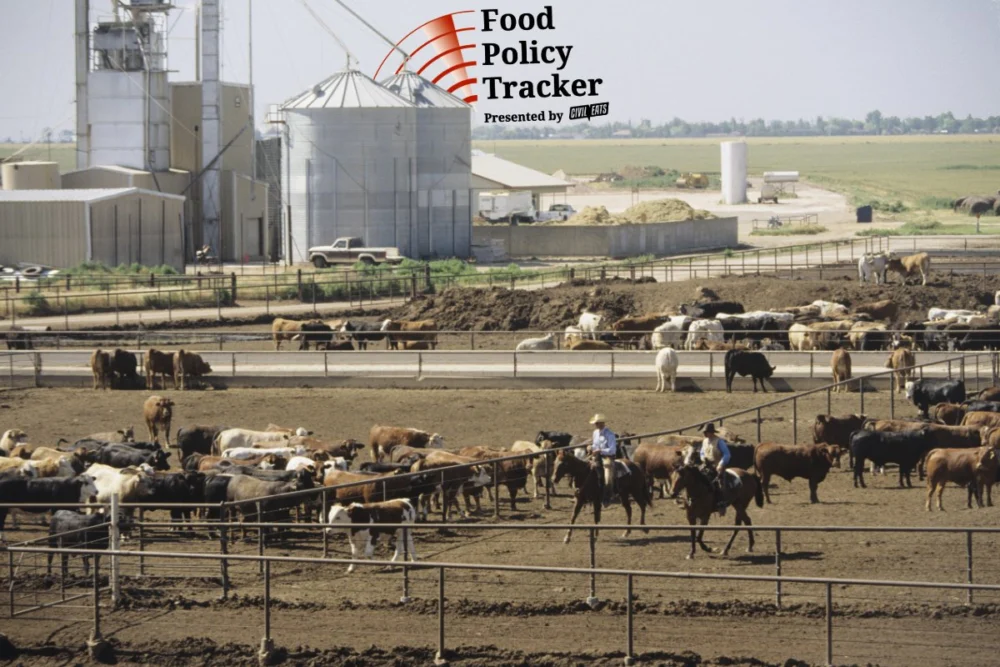
Officials at the U.S. Food and Drug Administration (FDA) on February 17, 2026, published a final guidance document advising pharmaceutical companies to establish "duration limits" for medically important antibiotics administered to livestock through animal feed. This policy, while presented by the agency as a measure "intended to mitigate development of antimicrobial resistance," conspicuously lacks any legally binding requirements, instead relying on voluntary compliance from drug manufacturers. The guidance defines a duration limit as the maximum length of time a drug should be given, specifically targeting those antibiotics crucial to human medicine. The announcement has immediately drawn sharp criticism from public health advocates who contend that the non-mandatory nature of the guidelines, coupled with the absence of explicit considerations for human health, represents a significant regression in the ongoing battle against antimicrobial resistance (AMR).
The Looming Threat of Antimicrobial Resistance
Antimicrobial resistance is recognized globally as one of the most pressing public health threats of the 21st century. It occurs when bacteria, viruses, fungi, and parasites evolve and no longer respond to medicines, making infections harder to treat and increasing the risk of disease spread, severe illness, and death. The World Health Organization (WHO) has repeatedly warned that AMR could render common infections untreatable and undermine decades of progress in medicine, from routine surgeries to cancer chemotherapy. In the United States, the Centers for Disease Control and Prevention (CDC) estimates that more than 2.8 million antibiotic-resistant infections occur each year, leading to over 35,000 deaths.
A significant contributor to the rise of AMR is the widespread use of antibiotics in animal agriculture. Globally, an estimated 70-80% of all antibiotics sold in the U.S. are intended for use in livestock, often administered not just to treat sick animals, but also to prevent disease in crowded conditions and, historically, to promote growth. When these medically important antibiotics are used for extended periods or indiscriminately in animals, bacteria can develop resistance, which can then transfer to humans through the food chain, environmental pathways, or direct contact. This phenomenon creates a critical overlap where the drugs vital for treating human illnesses become ineffective.
A Decade of Policy Evolution: The FDA’s Approach to Antibiotics in Animal Agriculture
The FDA has been under increasing pressure for years to address the agricultural sector’s role in the AMR crisis. The agency’s approach has evolved, moving from a hands-off stance to a more proactive, albeit often criticized, regulatory framework. A major turning point came in 2017 with the full implementation of the Veterinary Feed Directive (VFD), which eliminated the use of medically important antibiotics for growth promotion in food animals and required veterinary oversight for all remaining uses of these drugs in feed and water. This marked a significant step away from the previous over-the-counter availability of many antibiotics.
Following the VFD, the FDA outlined a comprehensive five-year plan for antimicrobial stewardship in veterinary settings, emphasizing judicious use and the development of alternatives. Part of this broader strategy included efforts to encourage manufacturers to establish specific duration limits for older, medically important antibiotics that lacked such instructions on their labels. Despite these initiatives, more than a quarter of these critical drugs still did not have clearly defined maximum treatment durations, leaving a significant loophole that allowed for prolonged administration. It was this gap that the new guidance aimed to address, albeit through an advisory rather than a mandatory framework. Public health experts have consistently argued that without explicit, legally enforceable limits, the voluntary nature of past programs has often fallen short of achieving meaningful reductions in antibiotic use.

Dissecting the New Guidance: Flexibility vs. Accountability
The newly published guidance document, officially titled "Recommended Duration Limits for Medically Important Antimicrobial Drugs Administered in Medicated Feed," provides a framework for drug companies to set "typical" and "maximum" duration limits. According to the FDA, these limits should be based on a range of factors including the specific disease being targeted, the drug’s pharmacokinetic and pharmacodynamic properties, and the intended use (e.g., treatment, control, or prevention). The agency has given pharmaceutical companies a three-year window to submit their proposed duration limits, along with robust scientific justification, for approval and inclusion on drug labels.
Crucially, the guidance does not impose any specific upper limit on treatment durations across the board, nor does it mandate that companies explicitly consider the broader public health implications of their proposed limits in terms of antimicrobial resistance development in humans. Instead, it suggests that companies include precautionary statements on their labels, such as: "Feed this drug only to the number of animals necessary to treat, control, or prevent the indicated disease in accordance with the approved conditions of use." While seemingly prudent, the non-binding nature of these recommendations and the broad discretion granted to drug manufacturers are central to the widespread criticism. The FDA’s decision to issue guidance rather than a legally enforceable regulation means that companies are not obligated to comply, and there are no penalties for failing to establish or adhere to the recommended limits.
The Public Health Outcry: A Step Backward?
The immediate reaction from public health advocacy groups and medical professionals has been overwhelmingly negative, with many characterizing the FDA’s final guidance as a significant capitulation to industry interests and a missed opportunity to safeguard human health. Steve Roach, the Safe and Healthy Food Program director at Food Animal Concerns Trust (FACT), voiced strong disapproval in a public statement. "While FDA claims the guidance is to mitigate antibiotic resistance, it allows drug makers to set durations solely based on animal health needs determined by the drug makers," Roach stated. He further emphasized, "FDA could have chosen to set a limit consistent with its mission to protect human health as it has in the past, but decided not to."
This sentiment was echoed by a broad coalition of consumer advocacy groups, environmental organizations, and medical associations, many of whom had submitted comments during the draft guidance phase. During the public comment period following the 2023 draft publication, the FDA received over 4,500 submissions. The vast majority of these, particularly from advocates and individuals, explicitly requested that the FDA impose a strict upper limit of no more than 21 days for all medically important antibiotic treatments in livestock. This recommendation, rooted in scientific consensus regarding the rapid development of resistance with prolonged exposure, was ultimately disregarded in the final document. Critics argue that by deferring to drug manufacturers and not enforcing a universal cap, the FDA is essentially allowing the pharmaceutical industry to dictate the terms of antibiotic stewardship, potentially prioritizing animal production efficiencies over the grave risks to human health.
Recent Data Fuels Concerns: A Spike in Sales
The timing of this non-binding guidance has further exacerbated concerns, coming just weeks after the FDA released alarming data in January 2026. This data revealed a significant spike in the sales of medically important antibiotics for use in cattle, pigs, and poultry during 2024. While specific reasons for the increase were not detailed, potential factors could include outbreaks of specific animal diseases, an overall increase in livestock production, or changes in reporting methodologies. Regardless of the underlying cause, this uptick in antibiotic sales directly contradicts the long-term goal of reducing overall antibiotic reliance in agriculture and underscores the urgent need for more stringent controls.
For public health advocates, the 2024 sales spike serves as stark evidence that voluntary measures and existing regulations are insufficient to curb the overuse of antibiotics in animal agriculture. They argue that without legally enforceable duration limits and a robust oversight mechanism, the industry has little incentive to significantly alter its practices, potentially leading to continued high levels of antibiotic use and an accelerating rate of resistance development. This situation stands in stark contrast to the European Union, which has implemented more aggressive policies, including a ban on the prophylactic group treatment of animals and strict limits on veterinary prescriptions, leading to substantial reductions in antibiotic use in livestock across member states.

The Chronology of Deliberation: From Draft to Final
The final guidance is the culmination of years of discussion and incremental policy adjustments by the FDA concerning antibiotic use in animal feed. The agency has been publicly signaling its intent to address the lack of duration limits for older drugs for several years, recognizing this as a critical gap in its antimicrobial stewardship efforts.
The specific process for this guidance began in 2023, when the FDA published a draft version for public review and comment. This draft immediately drew significant pushback, not only from public health advocates but also from members of Congress, including Senator Cory Booker, who expressed concerns that the proposal could worsen antibiotic resistance. The public comment period generated substantial feedback, highlighting the deep divisions between stakeholders. As noted, over 4,500 comments were received, with a strong majority advocating for a strict 21-day maximum duration limit. In contrast, comments submitted by industry associations, drug companies, and veterinary organizations typically focused on concerns about practical timelines for implementation, the need for clear and unambiguous wording in labeling, and the importance of using "high quality and transparent" data for setting limits. The FDA stated that "all comments were considered as the guidance was finalized," yet the ultimate document clearly leaned towards the industry’s preference for flexibility over the advocates’ call for strict, binding limits.
Industry’s Perspective: Balancing Welfare and Regulation
From the perspective of the pharmaceutical industry and livestock producers, the FDA’s decision to issue non-binding guidance reflects a more practical and adaptable approach to animal health management. Industry stakeholders often argue that a "one-size-fits-all" mandate, such as a universal 21-day limit, would be overly restrictive and potentially detrimental to animal welfare. They contend that the duration of antibiotic treatment should be determined by veterinarians based on the specific disease, the animal’s condition, the drug’s efficacy, and the farm’s management practices. Arbitrary limits, they argue, could lead to undertreatment, which might prolong suffering, increase disease prevalence, and ultimately necessitate the use of even more antibiotics or alternative, potentially less effective, treatments.
Pharmaceutical companies also highlight the significant investment required to generate the scientific data needed to establish specific duration limits for existing drugs, particularly older ones for which original approval data might not have included such parameters. They emphasize the need for robust, scientifically sound data to justify any label changes, ensuring product efficacy and safety. Furthermore, the agricultural sector faces complex challenges, including evolving disease threats and increasing demands for efficient food production. Flexibility in antibiotic use, they argue, is essential for maintaining animal health and productivity within these challenging environments. The industry generally favors voluntary best practices and collaboration with regulatory bodies rather than prescriptive, legally binding mandates, which they view as potentially stifling innovation and creating unnecessary burdens.
Broader Implications: A Crossroads for Antimicrobial Stewardship
The FDA’s latest guidance carries significant implications for public health, animal agriculture, and the future of antimicrobial stewardship. For human health, the non-binding nature of the duration limits raises serious concerns about the continued, potentially unchecked, use of medically important antibiotics in livestock. This could accelerate the development and spread of resistant bacteria, further eroding the effectiveness of critical human medicines and increasing the burden of antibiotic-resistant infections. The long-term economic costs associated with AMR, including extended hospital stays, more expensive treatments, and lost productivity, far outweigh the short-term costs of implementing stricter controls.
For the animal agriculture sector, while the guidance offers flexibility, it may also present a challenge in terms of public perception and consumer trust. As consumer demand for "antibiotic-free" or "raised without antibiotics" meat products continues to grow, a perceived lack of robust regulation from the FDA could further erode confidence in conventional farming practices. Veterinarians, who are tasked with overseeing antibiotic use under the VFD, will continue to navigate the complexities of judicious use without a clear, regulatory ceiling on treatment durations.

From a policy standpoint, this decision sets a precedent. By opting for advisory guidance over mandatory regulation, the FDA signals a continued preference for voluntary compliance in this critical area. This approach may invite renewed calls for legislative action from Congress, pushing for stronger, legally binding measures to address the agricultural contribution to AMR. It also positions the U.S. further apart from more restrictive international frameworks, potentially impacting trade relationships and global efforts to harmonize antimicrobial stewardship strategies.
Looking Ahead: Calls for Legislative Action and Stronger Oversight
In the wake of the FDA’s announcement, the debate over antibiotic use in animal agriculture is expected to intensify. Public health advocates and concerned legislators are likely to amplify their calls for more decisive action, potentially advocating for new legislation that would mandate stricter controls on medically important antibiotics. This could include congressional efforts to empower the FDA with stronger regulatory authority or to directly impose specific duration limits through law.
The ongoing tension between promoting animal health, ensuring food security, and protecting human health remains at the forefront of this complex issue. While the FDA has outlined a path for drug companies to establish duration limits, the voluntary nature of these guidelines leaves significant uncertainty regarding their actual impact on antibiotic use patterns. The efficacy of this advisory approach will be closely watched, and the coming years will reveal whether pharmaceutical companies and the livestock industry will embrace the spirit of the guidance to genuinely reduce antibiotic resistance risks, or if the absence of legal obligations will result in business as usual, thereby necessitating a more forceful regulatory or legislative intervention. The fight against antimicrobial resistance is a marathon, and for many, the FDA’s latest step feels less like a stride forward and more like a pause, leaving the ultimate pace of progress largely to the discretion of the industry it seeks to guide.