admin
admin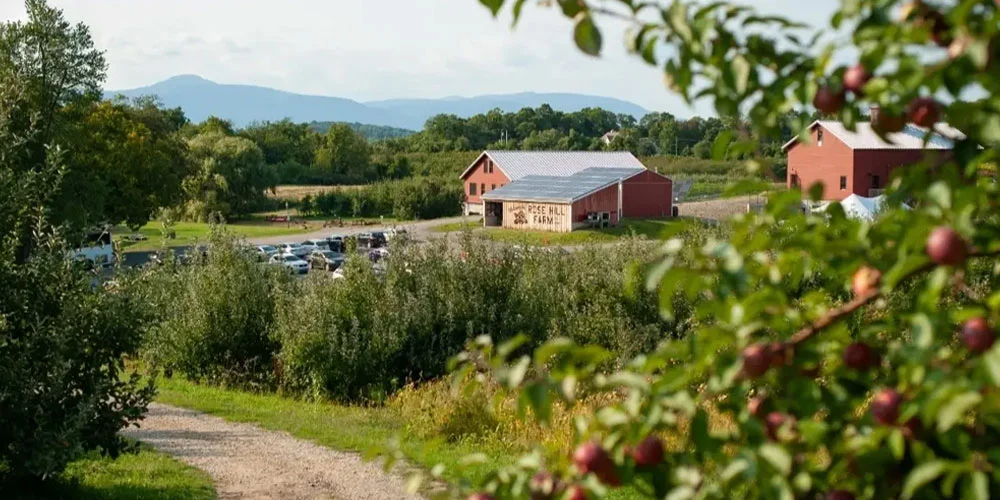
The American cider industry has undergone a radical transformation over the past two decades, evolving from a niche segment of the beverage market into a sophisticated billion-dollar industry that rivals craft beer and artisanal wine in both complexity and consumer interest. At the dawn of the 21st century, the domestic cider scene was largely localized, with only a few dozen cideries operating primarily in the traditional apple-growing regions of the Pacific Northwest and the Northeast. Today, that landscape has expanded to include more than 1,000 active cideries across the United States, representing a cultural and economic shift that has redefined the "hard cider" category from a sugary "alco-pop" alternative to a terroir-driven craft beverage.
This resurgence reached a fever pitch between 2011 and 2017, a period during which the industry saw a staggering 500% increase in sales. This growth was catalyzed by massive capital investments from national brewing conglomerates, most notably the Boston Beer Company’s launch of Angry Orchard, which helped introduce the concept of hard cider to a mainstream audience. However, as the market matured, consumer preferences shifted toward regional brands and artisanal producers. Companies like Stem Ciders in Colorado, Schilling Cider in Washington, and Blake’s Hard Cider in Michigan have successfully transitioned from local favorites to national powerhouses, while a new vanguard of small-scale growers and fermenters continues to push the boundaries of what fermented apple juice can be.
The Evolution of the American Orchard: From Table to Tank
The foundation of the modern cider movement lies in the raw ingredients. While the United States is home to more than 15,000 documented varieties of apples, the vast majority of commercial orchards planted over the last century were designed for "fresh-market" consumption—producing fruit that is sweet, crunchy, and aesthetically pleasing for grocery store shelves. For decades, cider makers relied on these "culled" eating apples, such as Fuji, Gala, and Northern Spy, to create light, approachable ciders often referred to in the industry as "patio pounders."
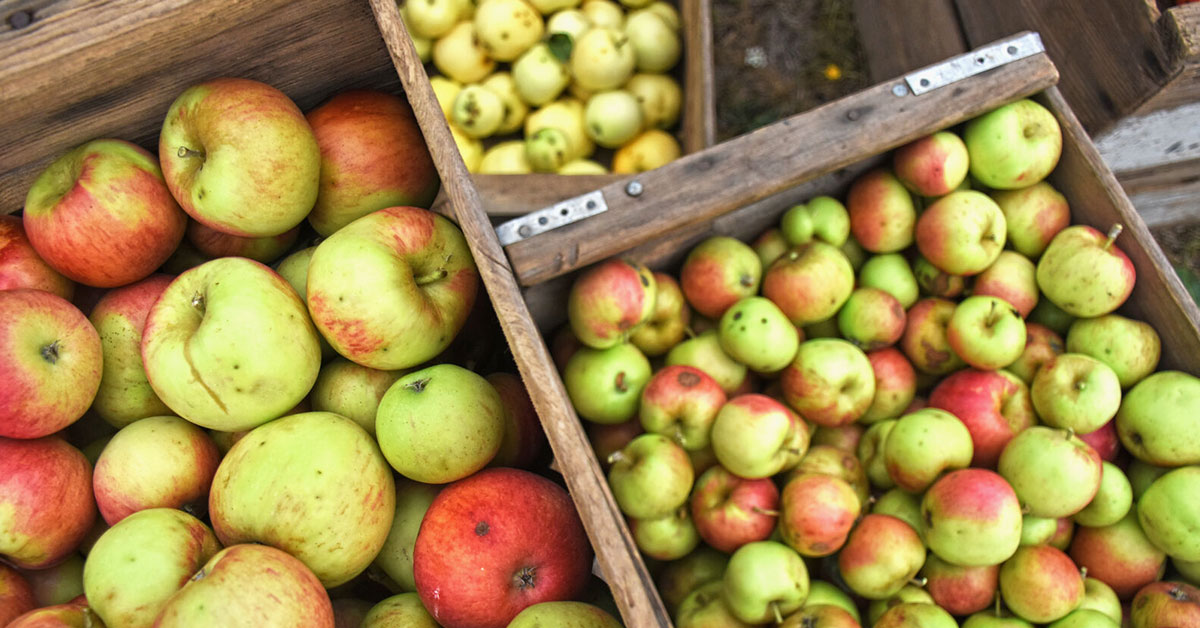
However, the contemporary movement is increasingly defined by a return to specialized cider fruit. Cidermakers are now distinguishing between the "modern style," made with dessert apples, and "traditional styles," which utilize bittersweet and bittersharp varieties. These traditional fruits, such as the English Ellis Bitter or Porter’s Perfection, are often inedible when raw due to their high tannin content and astringency, yet they provide the essential structure, body, and "scrumpy" character prized in high-end fermentations.
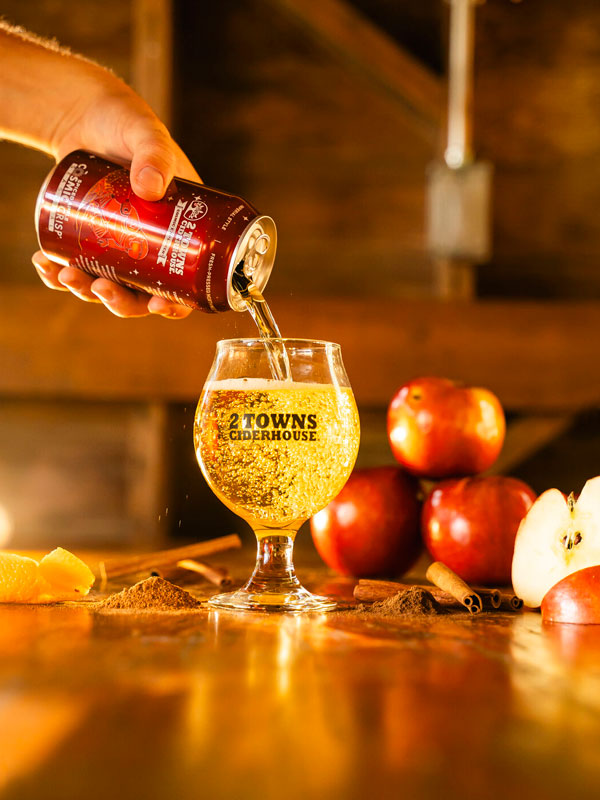
The industry is also benefiting from a renewed synergy between commercial producers and academic institutions. Washington State University and Michigan State University have become hubs for pomological research, helping growers adapt to new consumer demands. A prime example is the Cosmic Crisp apple, developed by WSU and launched commercially in 2019. While originally intended as a premium eating apple, its high sugar and acid levels have made it a favorite for cidermakers like Dave Takush, co-owner of 2 Towns Ciderhouse. Takush, whose company was named Cidermaker of the Year at the 2024 Great American Beer Festival, notes that Cosmic Crisp provides a unique profile of gooseberry and Sauvignon Blanc-like notes, offering a sophisticated backbone for the increasingly popular "Imperial" cider category.
A Chronology of the Cider Resurgence
To understand the current state of the market, one must look at the timeline of its development. Hard cider was the most popular beverage in colonial America, but its decline was precipitated by the Industrial Revolution, the rise of German-style lagers, and eventually the death blow of Prohibition, which saw many cider-specific orchards chopped down or replaced with sweeter table fruit.
- The Early 1990s: A small group of pioneers, including Farnum Hill in New Hampshire and Foggy Ridge in Virginia, began planting European bittersweet varieties, laying the groundwork for a terroir-focused American cider identity.
- 2011–2014: The "Cider Boom" begins. Large-scale beer distributors enter the market, and hard cider becomes the fastest-growing beverage segment in the U.S.
- 2017: The introduction of the Franklin apple from Vermont by Stark Bro’s Nursery signifies a shift toward breeding apples specifically for the American climate that mimic the desirable traits of European cider fruit.
- 2019–Present: The "Post-Boom" era. While overall category growth has stabilized, the "craft" and "local" segments continue to see double-digit growth. Innovation in canning, branding, and flavor profiles (such as hopped ciders and fruit infusions) keeps the category dynamic.
Regional Terroir and the Hunt for Indigenous Varieties
As the industry matures, the focus has shifted toward finding a uniquely American sense of place. This has led to a fascination with "wild" or "indigenous" apples. In the Appalachian Mountains of northern Georgia, growers are reviving the Winter Jon apple, a variety prized for its late harvest and ability to withstand warming climates. In Vermont, the discovery of the "Nailbiter" apple—a seedling found growing on a rural roadside without human intervention—highlights the potential for new, resilient varieties that are naturally suited to their local environments.
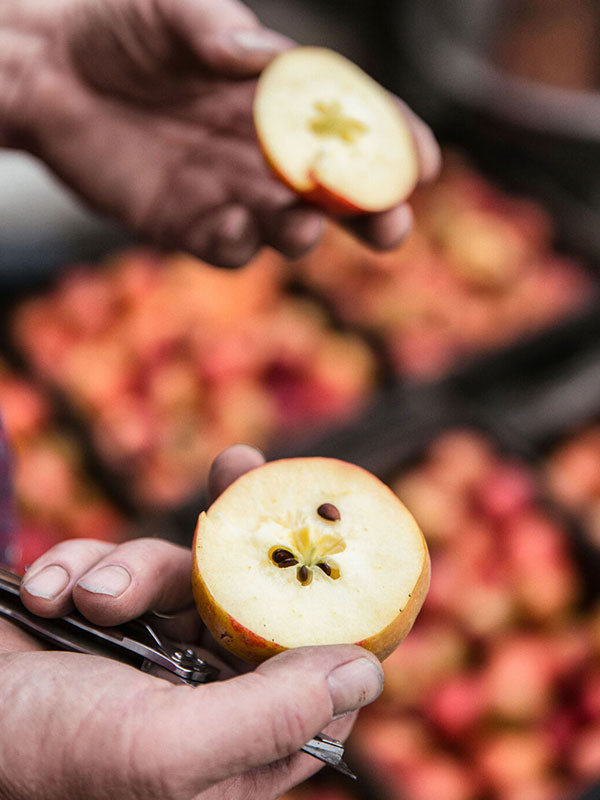
In California, the cider movement has gained unexpected momentum from the wine industry. Following a series of devastating wildfires that left many grape harvests "smoke-tainted" and unusable for wine, producers in Sonoma County began turning to heritage apple orchards. Natural wine producers like Ashanta Wines and Horse & Plow are now applying traditional winemaking techniques, such as bâtonnage (lees stirring) and oak aging, to varieties like the Gravenstein and Newtown Pippin. When treated with this level of care, a Newtown Pippin cider can take on the characteristics of a fine Chardonnay, offering notes of baking spice and delicate orchard fruit.
Breaking Convention: The Rise of Co-Ferments and "Graf"
The current generation of cidermakers is characterized by a refusal to be pigeonholed. By positioning themselves as the "awkward sibling" to both beer and wine, cidermakers have gained the freedom to experiment without the rigid stylistic constraints that often govern other categories. This experimentation is most evident in the rise of co-fermented beverages.
Matthew Sanford of Rose Hill Farm in New York’s Hudson Valley exemplifies this "ferment anything" philosophy. His production facility, located on a farm dating back to 1798, produces ciders blended with plums, apricots, cherries, and blueberries. These "Jerkums" (stone fruit ferments) and "Quincys" (apple and quince blends) appeal to a demographic that bridges the gap between natural wine enthusiasts and farmhouse ale fans.
Furthermore, the collaboration between brewers and cidermakers has birthed the "Graf"—a hybrid beverage consisting of apple juice and malted grain. Popularized in the Hudson Valley through collaborations between Rose Hill Farm and breweries like Plan Bee and Arrowood Farms, these beverages are often bottle-conditioned and disgorged like Champagne, resulting in a product that offers the brioche-like complexity of a fine sparkling wine with the refreshing acidity of a craft cider.
Market Analysis and Future Outlook
The economic impact of the cider industry extends far beyond the tasting room. By providing a high-value outlet for "underutilized" crops, cideries are helping to preserve family farms and heritage orchards that might otherwise be sold for development. In Eastern Washington, where 60% of the nation’s apples are grown, the rise of cider has provided a crucial buffer for growers facing fluctuating prices in the global fresh-fruit market.
Supporting data suggests that the "premiumization" of cider is here to stay. According to industry reports, while the volume of mass-market cider has seen some fluctuations, the "local craft" segment has maintained a consistent upward trajectory. Consumers are increasingly willing to pay a premium for ciders that offer transparency in sourcing, sustainable farming practices, and innovative flavor profiles.
The future of American cider likely lies in this continued integration with broader culinary and beverage cultures. As more cidermakers come from backgrounds in professional brewing or enology, the technical quality of the product continues to rise. The Cider Institute of the Holy Cross and other educational bodies are now training a new generation of professionals in advanced cellar practices, malolactic fermentation, and the use of pétillant naturel (pet-nat) methods.
In conclusion, the American cider industry has successfully navigated its "identity crisis." It is no longer just a gluten-free alternative to beer or a sweet entry-point for young drinkers. It is a sophisticated, agricultural-based industry that celebrates the diversity of the North American landscape. Through a combination of historical reverence and radical innovation, American cidermakers have ensured that the apple—once the cornerstone of the colonial diet—remains a vital part of the nation’s modern beverage culture. The road ahead remains long and competitive, but the foundation is more solid than ever, built on a thousand varieties and a new generation of purposeful producers.