admin
admin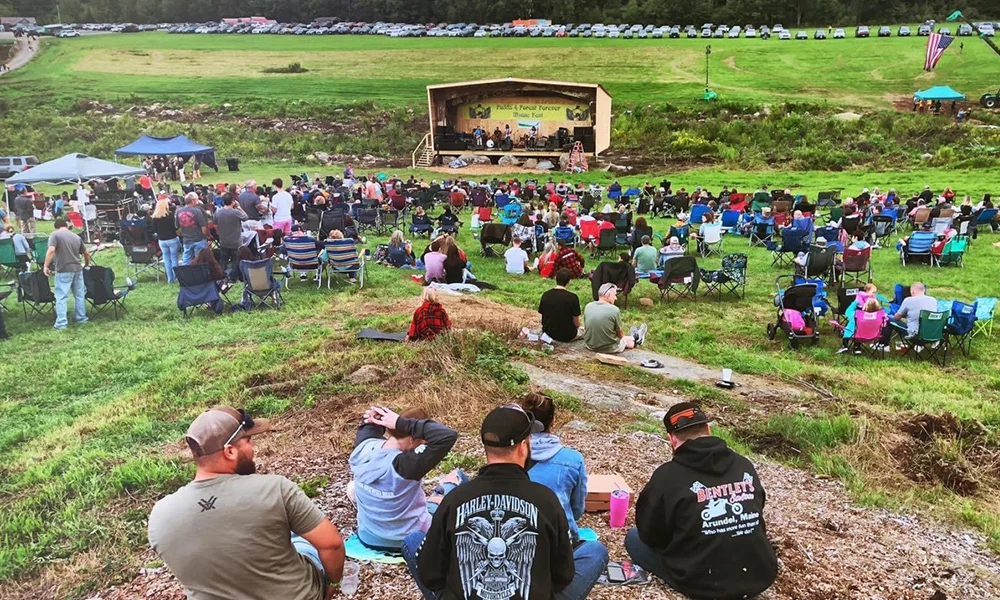
Across the United States, the traditional craft brewery taproom is undergoing a fundamental structural evolution, transitioning from a simple point of sale for fermented beverages into a sophisticated cultural venue. This shift represents a strategic response to a maturing market where consumer demand has pivoted from product-centric to experience-centric engagement. Leading this transformation are breweries like Burial Beer Co. in North Carolina, Three Magnets Brewing in Washington, and Stone Cow Brewery in Massachusetts, each of which has integrated high-level music programming into their core business models. By investing in professional-grade sound infrastructure, large-capacity outdoor stages, and curated artist lineups, these establishments are redefining the "Third Place"—the social environment separate from the two usual social environments of home and the workplace—for a new generation of craft beer and music enthusiasts.
The Architectural and Strategic Expansion of Burial Beer Co.
The integration of live music was a foundational element for Burial Beer Co. founders Doug and Jess Reiser and Tim Gormley when they established their operation in Asheville, North Carolina, in 2013. While many start-up breweries view music as a secondary amenity, Burial’s trajectory suggests a long-term commitment to venue development. Their initial South Slope location featured an outdoor stage, but the expansion of their physical footprint has been explicitly tied to their musical ambitions.
In 2019, the brewery opened its Forestry Camp location, a historic property that provided the acreage necessary for large-scale outdoor events. By 2023, the company further solidified its position in the regional music circuit with the opening of Eulogy, a 400-seat dedicated concert venue located adjacent to the original brewery. This facility allows Burial to host a consistent schedule of underground and regional acts, such as Deep Sea Diver and This Will Destroy You.
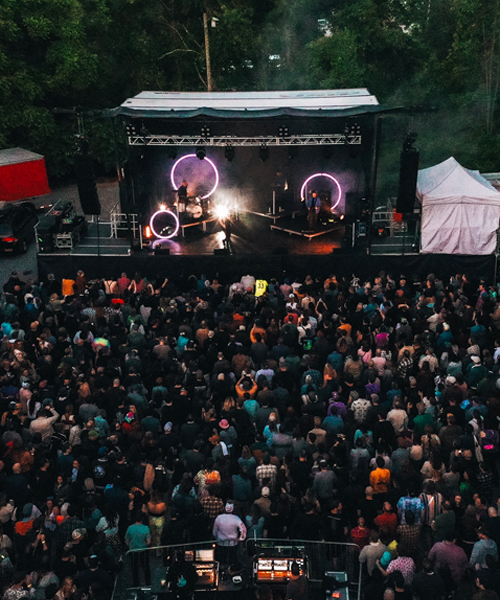
The scale of these operations has allowed Burial to compete with traditional mid-sized music venues. During the summer months, Forestry Camp serves as a site for indie-rock luminaries, with a capacity of 2,200 fans. Recent performances by Future Islands, The Black Angels, and Washed Out indicate a booking strategy that rivals established promoters in major metropolitan hubs like Charlotte or Nashville. According to Doug Reiser, the goal was to provide a destination for diverse genres—ranging from bluegrass and jazz to hip-hop and heavy metal—ensuring that Asheville remains a critical stop for touring artists who might otherwise bypass the mountain city.
Non-Alcoholic Innovation and the Olympia Sound
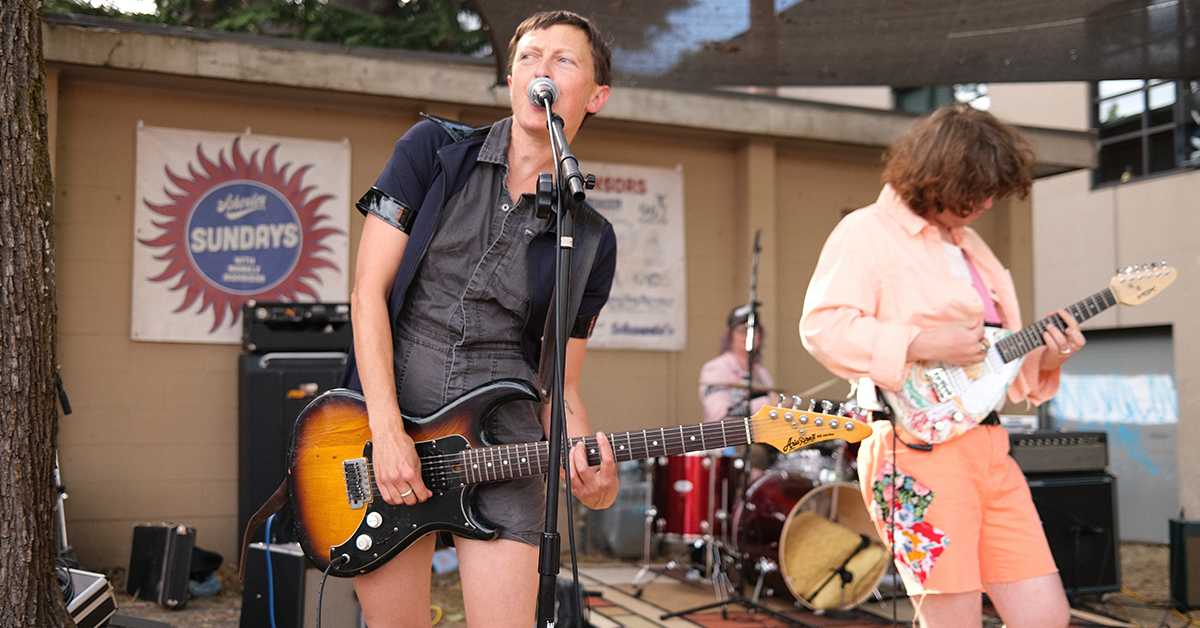
In Olympia, Washington, Three Magnets Brewing has leveraged the city’s rich musical heritage—famously the birthplace of the riot grrrl movement and a grunge-era stronghold—to create a unique niche at the intersection of music and the non-alcoholic (NA) beer market. The brewery’s musical program, "Scherler Sundays," began in 2021 through a collaboration with the local institution Rainy Day Records. The series, named after their Scherler NA lager, features free performances during the summer months, drawing cult icons such as the late folk musician Michael Hurley, Lavender Country, and Swamp Dogg.
Nathan Reilly, co-founder of Three Magnets, has utilized these events to challenge the marketing tropes often associated with non-alcoholic beverages. Rather than positioning NA beer through the lens of a "wellness" or "lifestyle" brand, Three Magnets integrates it into the gritty, authentic atmosphere of the local music scene. This approach is further exemplified by their "Self Care" line of NA beers, which has featured collaborations with legendary rock photographer Charles Peterson and musicians like Ben Gibbard of Death Cab for Cutie.
The economic implications of these collaborations are significant. By producing limited-edition vinyl releases of live recordings and 24-packs featuring iconic rock photography, Three Magnets is diversifying its revenue streams beyond the pint glass. This strategy aligns with broader industry trends; the global non-alcoholic beer market was valued at approximately $22 billion in 2022 and is projected to reach $40 billion by 2032. By anchoring their NA products in a tangible cultural context, Three Magnets is securing a loyal demographic that values both sobriety and artistic integrity.
The Destination Brewery: Rural Infrastructure and Large-Scale Events
While urban breweries like Burial and Three Magnets focus on density and historical context, Stone Cow Brewery in Barre, Massachusetts, demonstrates the potential of the "rural destination" model. Situated on a 1,300-acre dairy farm, Stone Cow has transitioned from hosting intimate taproom shows to managing a natural amphitheater capable of hosting thousands.
In 2023, the brewery constructed a professional-grade stage on a hillside overlooking Mount Wachusett, effectively turning a portion of their agricultural land into a seasonal festival ground. Their "Party on the Back Forty" and "Fields and Forest Forever" festivals have attracted up to 2,000 attendees per show, featuring high-profile bluegrass acts like Shadowgrass.
This model relies on the brewery acting as a weekend destination for urban populations. For Stone Cow, this means drawing visitors from Boston, located roughly an hour to the east. The infrastructure requirements for such an operation are extensive, involving not only sound and lighting but also logistical considerations such as mobile beer trailers, family-friendly amenities like onsite playgrounds, and large-scale parking management. This diversification allows the farm-based brewery to maintain high volume during peak summer months, offsetting the seasonal fluctuations inherent in rural hospitality.
Chronology of the Brewery-Venue Evolution
The shift from taproom to concert hall has followed a distinct timeline over the last decade:
- 2013-2016: The Introductory Phase. Breweries begin incorporating small, informal stages. Burial Beer Co. opens in Asheville; Stone Cow Brewery begins operations in Barre. Music is primarily local and acoustic.
- 2017-2019: The Infrastructure Phase. Successful breweries begin investing in professional sound systems. Burial opens Forestry Camp, signaling a move toward higher capacity.
- 2020-2021: The Pandemic Pivot. During the COVID-19 pandemic, outdoor music becomes a vital lifeline for breweries facing indoor capacity restrictions. Three Magnets launches its collaboration with Rainy Day Records to bring music back to the community safely.
- 2022-2024: The Venue Professionalization Phase. Breweries become primary promoters. Burial opens Eulogy, a dedicated 400-seat venue. Stone Cow builds its permanent amphitheater stage. Collaboration beers with national touring acts become common marketing tools.
Resilience and the Social Impact of the "Third Place"
The importance of the brewery as a community hub was underscored in late 2024 following the devastation of Hurricane Helene in Western North Carolina. The storm, which hit on September 27, caused catastrophic flooding and loss of life across the Asheville region. Burial Beer Co., which was forced to cancel its 12th annual Burnpile festival due to the disaster, pivoted from a music venue to a relief center, providing free meals and water to a community without basic services.
As the brewery prepares for the return of the Burnpile festival in October 2025, the event has taken on a deeper significance. Beyond the financial recovery of the business, the festival serves as a milestone for the city’s collective healing. Doug Reiser noted that the "ambiance of a proper third place" is essential for human connection, particularly in the wake of hardship. The integration of music into this space acts as a catalyst for community resilience, providing a venue for both "the darkness and the light."
Industry Analysis: The Economic Necessity of Diversification
The trend toward becoming a music venue is not merely a passion project for brewery owners; it is an economic necessity in an increasingly crowded market. As of 2024, there are over 9,500 craft breweries in the United States. With retail shelf space at a premium and the growth of the craft sector slowing, breweries must find ways to increase "on-premise" consumption and brand loyalty.

Music venues provide a "sticky" environment where customers remain for several hours, increasing the average check size. Furthermore, the ability to sell tickets for performances creates a secondary revenue stream that is decoupled from beer production costs. For musicians, breweries offer a unique circuit that often provides better hospitality and a more engaged audience than traditional "pay-to-play" dive bars.
Broader Implications for the Hospitality Industry
The success of these breweries suggests a blurring of lines between the beverage, entertainment, and hospitality industries. A professional journalistic analysis of the current landscape reveals that the most successful modern breweries are those that function as multi-modal cultural institutions. They are no longer just manufacturers; they are curators of an entire evening’s experience.
This evolution carries implications for urban planning and rural development. In cities like Asheville and Olympia, breweries are revitalizing industrial zones and historic districts by providing consistent foot traffic and cultural programming. In rural areas like Barre, they are preserving agricultural land by providing the necessary income to keep large-scale farms viable through agritourism and entertainment.
As the craft beer industry continues to mature, the "Resonant Pour"—the marriage of technical brewing excellence with professional artistic expression—will likely become the standard for breweries seeking to remain relevant in a competitive landscape. The commitment to stewardship, as Doug Reiser describes it, involves a deep connection between the craft of the brewer and the craft of the musician, creating a synergy that benefits the artist, the producer, and the audience alike.