admin
admin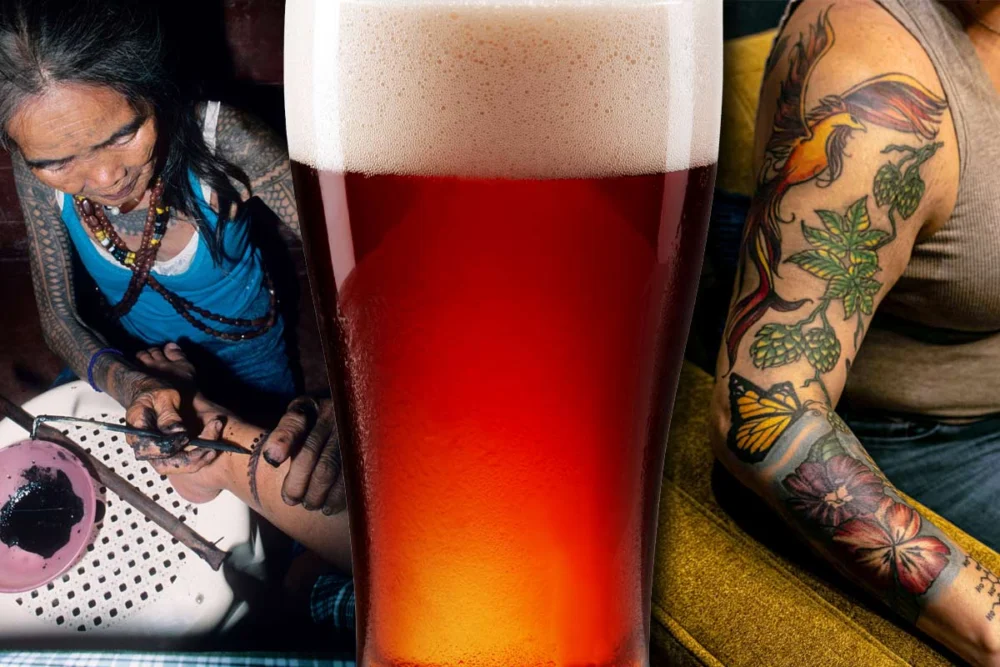
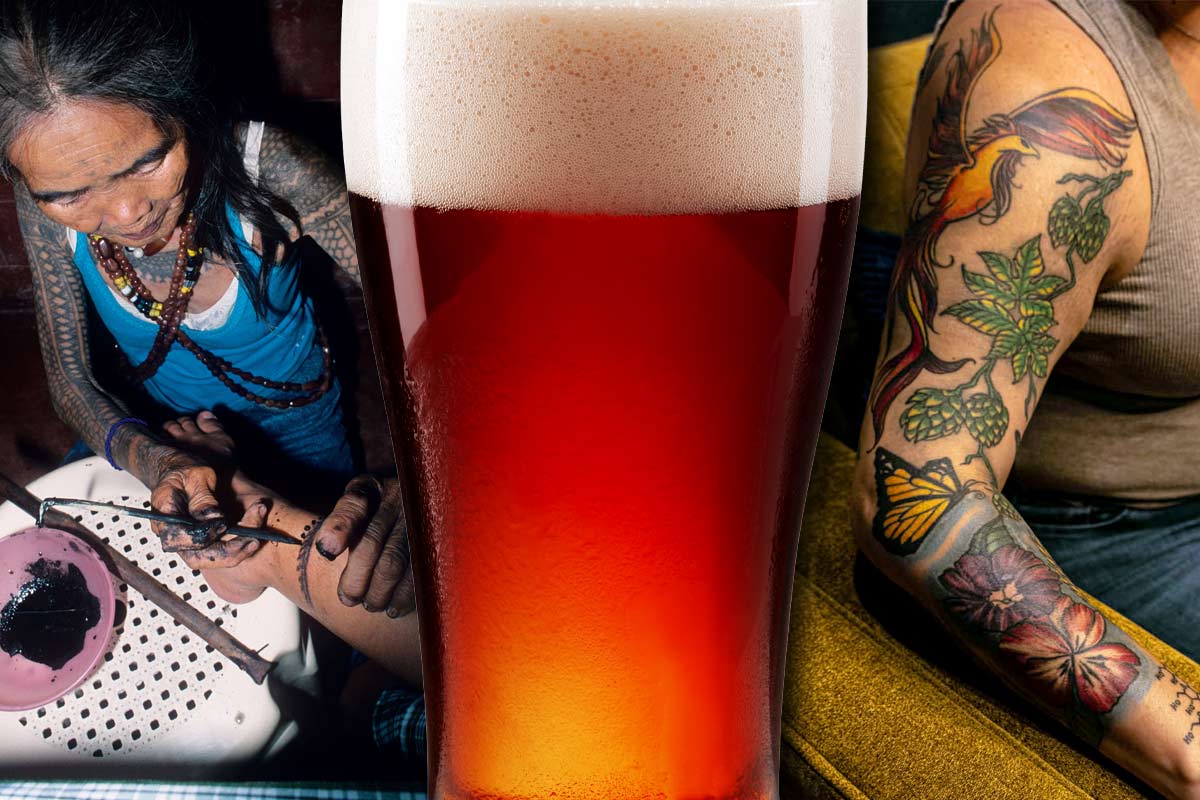
The practices of tattooing and fermentation, though seemingly disparate in a modern industrial context, represent two of humanity’s oldest and most profound methods of transformation. While one alters the surface of the human body and the other modifies the chemical composition of organic matter, both serve as vital technologies of continuity, identity, and ritual across global Indigenous cultures. From the subarctic regions of northern Japan to the tropical savannas of Guyana, the historical and spiritual links between ink and drink reveal a shared grammar of change—one that is inscribed on the skin and shared through the vessel. These traditions do not merely coexist; they are often born from the same domestic centers and spiritual frameworks, functioning as tools for communities to maintain a dialogue with their ancestors, their land, and their collective future.
The Hearth as a Cosmological Center: The Ainu of Northern Japan
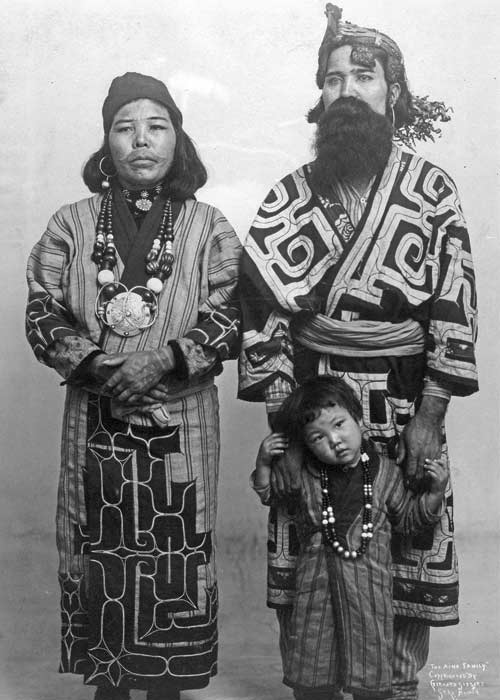
For the Ainu, the Indigenous people of Hokkaidō, Sakhalin, and the Kuril Islands, the hearth (abe) was the physical and spiritual heart of the home. It was here that the boundaries between tattooing and fermentation blurred into a single domestic ritual overseen by Kamuy Fuchi, the goddess of the hearth. In Ainu cosmology, Kamuy Fuchi was the protector of the home and the intermediary between humans and the spirit world. All activities occurring around the fire, including the preparation of food and the marking of the body, were performed under her watchful eye.
Tattooing among the Ainu was historically a gendered practice, primarily reserved for women. The process was deeply tied to the materials of the hearth: pigment was created by collecting soot from the bottom of earthenware cooking pots used for daily meals and ceremonial brewing. This soot was then rubbed into small incisions made with a makiri (tattooing knife). The most prominent of these markings were the lip tattoos, which were expanded in stages as a girl matured into womanhood. These markings were believed to repel malevolent spirits and ensure the woman’s passage into the afterlife, where she would be reunited with her ancestors.
Parallel to this, the production of tonoto, a fermented beverage made from rice or millet, was a sacred duty assigned exclusively to women. The fermentation process was not viewed as a mechanical task but as a spiritual transformation. Women offered prayers to the kamuy (divine beings) throughout the brewing process, ensuring the beverage reached the necessary potency for ceremonial use. The connection between the two practices was literal and symbolic: the soot used for the ink was a byproduct of the fire used to cook the grains for the beer. Under the pressures of Japanese colonial policy in the late 19th century—specifically the 1899 Hokkaido Aborigine Protection Act—both tattooing and traditional brewing were suppressed as part of a forced assimilation program. Today, the revival of these practices represents a reclamation of Ainu sovereignty and a return to the spiritual authority of the hearth.
The Chemistry of the Needle: Kalinga Batok and Fermented Pigment
In the Cordillera mountains of the northern Philippines, the Kalinga people have maintained the tradition of batok, a hand-tapped tattooing method that utilizes the local environment’s resources. While the Ainu linked tattooing and fermentation through the hearth, the Kalinga historically integrated the chemical process of fermentation directly into the creation of their ink.
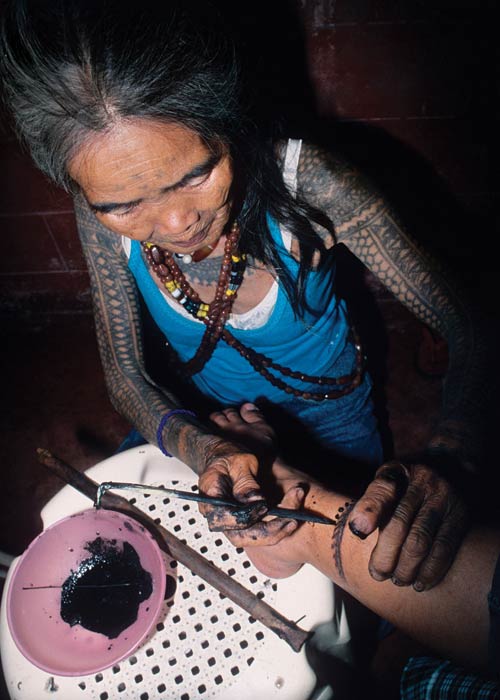
Traditional Kalinga ink was composed of soot—often gathered from burned pine wood—mixed with water or plant juices. In several regions, sugarcane juice served as the primary carrier. When sugarcane juice is left to sit, naturally occurring yeasts initiate fermentation, converting sugars into alcohol and organic acids. This fermentation altered the viscosity and chemical stability of the ink. While modern practitioners often use commercial pigments for safety and consistency, the historical use of fermented sugarcane juice highlights an era where the tattooist was also a chemist, managing biological transitions to create a permanent mark.
The social implications of batok were profound. For men, tattoos were "earned" through acts of bravery and success in traditional warfare, serving as a visual curriculum vitae of their contributions to the village’s protection. For women, tattoos were viewed as "jewelry of the skin," essential for beauty and social standing. The world’s oldest practicing mambatok, 108-year-old Apo Whang-od Oggay, has become a global icon for this craft, drawing thousands of visitors to the village of Buscalan. This influx of "tattoo tourism" has brought both economic opportunity and cultural challenges, as the community navigates the transition of batok from a local rite of passage to a globally recognized art form. Even as the ink changes, the ceremonial consumption of tapuy (rice wine) remains a constant during village celebrations, reinforcing the bond between the marked body and the shared drink.
Brewing Charms and the Makushi of the Guiana Shield
In the savannas of southern Guyana and northern Brazil, the Makushi people demonstrate a functional intersection between tattooing and fermentation. For the Makushi, the staple crop is cassava, which is processed into various forms, including parakari—a complex beer produced through a dual-fermentation process involving both specialized molds and yeasts, a method scientifically similar to the production of Japanese sake.
The Makushi utilized kansku (tattooing) as a form of "technology" to ensure the success of their ferments. Historically, women received tattoos on their arms and jaws that served as brewing charms. These designs often mimicked the patterns of bees or scorpions. The logic was sympathetic: the tattoo was intended to imbue the brewer with the ability to give the beer a "sting" (yekî) or a honey-like sweetness. In the Makushi language, yekî is a polysemous term, referring both to the physical sting of an insect and the intoxicating potency of a well-fermented beverage.
Anthropological records, including those by Dr. Lars Krutak, indicate that these tattoos were more than decorative; they were a prerequisite for social participation. A woman’s ability to serve a drink to a man was often contingent upon her having the proper markings. The tattoo was a certificate of her skill and her spiritual alignment with the forces of transformation. Although missionary influence in the 20th century led to a decline in kansku, the cultural memory persists in the way Makushi communities discuss the "strength" and "character" of their cassava brews, viewing the quality of the drink as a reflection of the brewer’s internal and external state.
Hawaiian Epistemology: Genealogy and Body Sovereignty
The relationship between ink and drink finds a different, yet equally deep, resonance in Hawaiian culture through the concepts of kākau (tattooing) and the fermentation of poi (taro). In the Hawaiian worldview, these are not merely cultural "products" but expressions of genealogy and kinship.
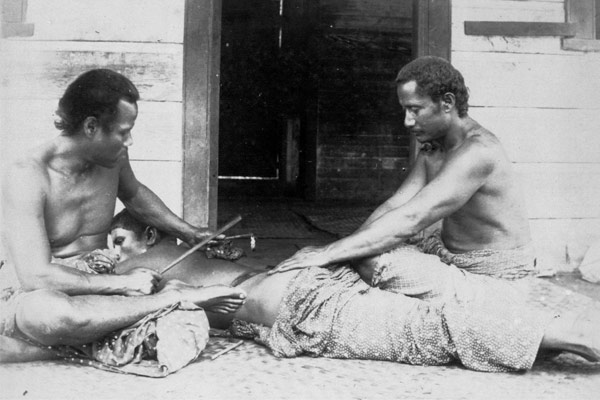
Kākau is the practice of inscribing one’s lineage and personal history onto the skin. As noted by Indigenous scholars, the body is viewed as a living record. Parallel to this is the cultivation and fermentation of kalo (taro) into poi. In Hawaiian cosmology, the taro plant is Hāloa, the elder brother of the Hawaiian people. Feeding the community poi is therefore an act of feeding one’s family and honoring an ancestral bond.
The fermentation of poi—which involves the breakdown of starches into lactic acid by beneficial bacteria—mirrors the "ripening" of an individual through the acquisition of traditional tattoos. Both processes require time, patience, and a respect for the living nature of the material. In the contemporary era, the revival of kākau is explicitly linked to decolonization. By reclaiming the traditional motifs and the hand-tapping method, Native Hawaiians are asserting body sovereignty, rejecting Western standards of appearance in favor of an ancestral aesthetic that celebrates the interconnectedness of land, food, and skin.
Contemporary Echoes: The Modern Craft Brewer
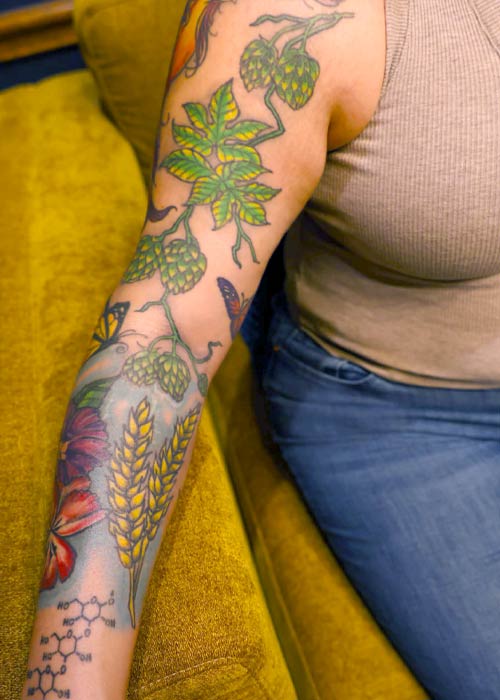
In the modern world, the ancient link between tattooing and fermentation has transitioned from communal ritual to individual expression within the craft brewing industry. Today’s brewers frequently use tattoos to signal their dedication to the "alchemy" of their trade. It is common to see industry professionals with detailed renderings of hop bines (Humulus lupulus), the chemical structure of alpha acids, or the microscopic appearance of Saccharomyces cerevisiae (ale yeast).
For many modern brewers, these tattoos serve as a bridge between the scientific and the personal. Sandra Murphy, owner of Murphy’s Law Brewery, utilized tattooing as a means of navigating profound personal grief, creating a sleeve that integrated the chemical formulas of brewing with symbols of memory and rebirth. Similarly, Rachael Engel of Sound2Summit Brewery describes her tattoos as a reflection of her journey toward self-discovery and identity within the craft beer community.
While these modern iterations lack the specific mythological frameworks of the Ainu or the Makushi, they adhere to the same underlying logic: that the process of creating a fermented product is a transformative experience that changes the creator as much as the ingredients. The tattoo becomes a permanent record of that transformation.
Technical Analysis: The Shared Grammar of Change
From a technical standpoint, tattooing and fermentation share several key characteristics that explain their frequent cultural pairing:
- Biological Permanence: Both processes involve a permanent or long-term change to biological material. Fermentation alters the molecular structure of food to preserve it; tattooing alters the dermal layer of the skin to preserve a memory.
- Ritual Timing: Neither process can be rushed. Fermentation relies on the biological clock of microorganisms, while traditional hand-tapped tattooing requires hours of rhythmic labor. This inherent "slow-growth" nature lends itself to ritualization.
- Community Cohesion: Both practices are traditionally communal. Brewing large batches of beer or taro requires collective labor, just as the ceremony of tattooing often involves a practitioner, assistants, and a supportive community of observers.
- Protection and Health: Historically, both were seen as protective. Fermented foods provided probiotics and preserved nutrition, while tattoos were often viewed as spiritual armor against disease or bad fortune.
Conclusion: Traces of Origin and Future
The intersection of tattooing and fermentation provides a unique lens through which to view human history. These practices are more than mere "crafts"; they are fundamental ways in which humans have interacted with the invisible forces of the world—whether those forces are microbial, spiritual, or ancestral.
As Indigenous communities continue to revive these traditions, they are doing more than preserving the past; they are utilizing the "ink" of their ancestors and the "drink" of their lands to navigate the complexities of the modern world. Whether it is a Kalinga woman’s tattooed arm or a modern brewer’s hop-covered shoulder, these marks serve as a reminder that transformation is a constant. Ink marks the body, and fermentation marks the food, but together, they mark the enduring spirit of human creativity and the deep, abiding need to belong to a story larger than oneself.