admin
admin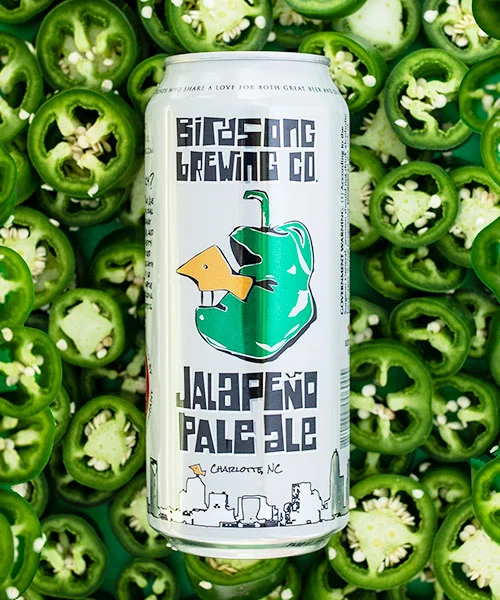
The landscape of the American craft beer industry is undergoing a significant sensory shift as brewers increasingly experiment with capsaicin-driven flavor profiles to differentiate themselves in a saturated market. While the historical role of beer has often been that of a palate cleanser or a cooling agent for spicy cuisines, a growing segment of "spicy beers" is redefining the relationship between heat and hops. These brews, ranging from subtle jalapeño-infused lagers to high-intensity habanero ales, represent a sophisticated intersection of culinary arts and fermentation science. Far from being mere novelty items, these selections are meticulously balanced to provide a "maximalist" drinking experience that challenges the traditional dominance of the India Pale Ale (IPA) and the fruited sour.
The Technical Evolution of Chili-Infused Brewing
The integration of peppers into beer is not a modern invention, but its refinement has reached new heights over the last decade. Historically, the "Chili Beer" category was often associated with clear bottles containing a single serrano pepper, often resulting in a product that was more gimmicky than gastronomic. Today’s craft brewers utilize a variety of techniques to extract flavor without overwhelming the base liquid. Capsaicin, the chemical compound responsible for the heat in peppers, is more soluble in alcohol and fats than in water. This chemical reality means that high-ABV beers can often amplify the "burn," while lower-alcohol sessions or malty lagers can provide a more controlled platform for the pepper’s vegetal and smoky characteristics to shine.
Brewers must decide between using fresh, dried, or powdered peppers, each offering a different profile. Fresh peppers provide a "green," vegetal snap, while dried varieties like anchos or chipotles introduce notes of leather, chocolate, and smoke. The timing of the addition—whether during the boil, fermentation, or as a "dry-hop" equivalent—drastically alters the final product’s Scoville rating and aromatic presence.
Chronological Development of the Spicy Beer Segment
The trajectory of the spicy beer movement can be traced through several key brewery launches and product iterations that have stabilized the category.
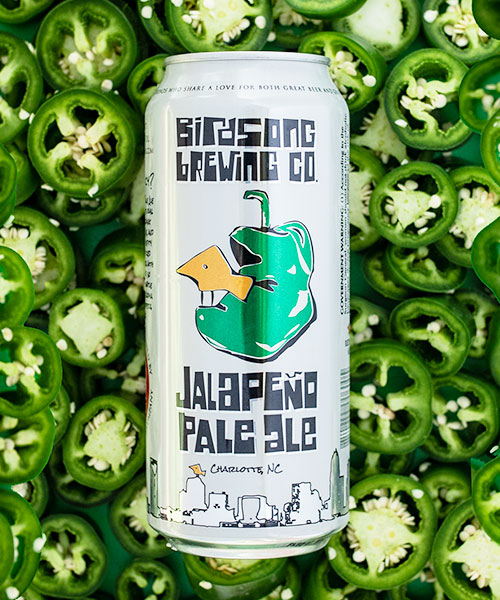
In 2010, the founding of Birdsong Brewing Co. in Charlotte, North Carolina, marked an early entry into the consistent production of pepper-forward ales. By tinkering with their flagship American Pale Ale (APA), the brewers discovered that the malt backbone of the APA served as a superior canvas for jalapeños compared to the high bitterness of an IPA. By 2024, the brewery’s scale had increased to the point of processing 400 pounds of locally grown North Carolina jalapeños annually, illustrating a successful transition from taproom experiment to production-scale staple.
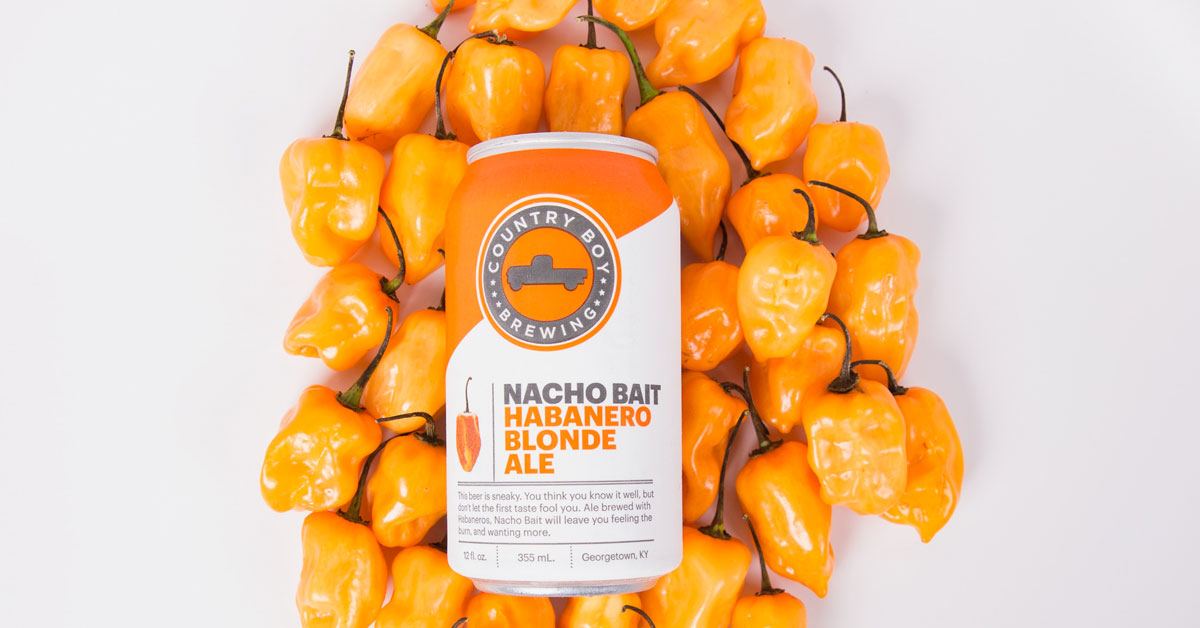
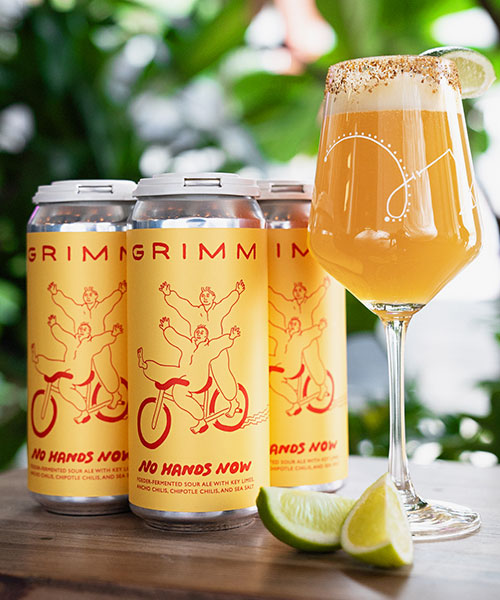
By 2012 and 2013, the movement gained momentum in both the Northeast and the South. In Brooklyn, New York, Grimm Artisanal Ales began as a nomadic operation, eventually developing "No Hands Now," a sour ale inspired by the Mexican Michelada. Simultaneously, in Lexington, Kentucky, Country Boy Brewing introduced "Nacho Bait," a habanero-infused blonde ale that utilized the heat of homegrown peppers to mimic the nostalgic flavor profile of ballpark nachos. These developments signaled a move toward using spicy beers as "food beers," designed specifically to complement or enhance certain dishes rather than just being consumed in isolation.
Case Studies in Balance: From Micheladas to Hatch Lagers
The Artisanal Approach: Grimm’s No Hands Now
Grimm Artisanal Ales exemplifies the "slow" method of spicy beer production. Their "No Hands Now" is not merely a lager with hot sauce; it is a complex wild ale. The process begins with fermentation in oak foeders, where resident microbes contribute tartness and depth. The beer is then steeped with ancho and chipotle chiles and lime juice, followed by a dry-hop of Motueka hops. The result is a low-ABV (alcohol by volume) beverage that emphasizes the smoky, cedar-like qualities of the peppers rather than raw heat. This approach treats the pepper as a botanical ingredient, akin to herbs in a gin, rather than a condiment.
The Regional Treasure: Malibu Brewing’s Hatch Chile Lager
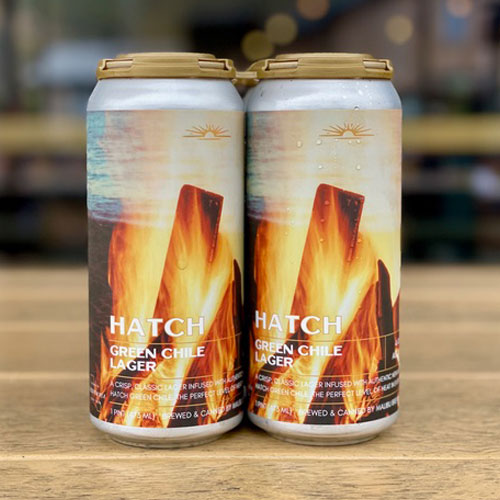
Regional identity plays a crucial role in the spicy beer market. Malibu Brewing’s Hatch Chile Lager, which won gold at the 2024 Brewers Cup of California, centers on the Hatch green chile, a crop specific to New Mexico. By using their "Sand & Sea" Mexican-style lager as a base, the brewery ensures that the crispness of the beer remains the primary driver, while the freshly roasted and peeled chiles provide a savory, earthy undertone. This specific beer highlights the industry’s shift toward the "Chili Beer" category as a recognized competitive field, distinct from general "Herb and Spice" beers.
The High-Heat Challenge: Country Boy’s Nacho Bait
For consumers seeking a more aggressive heat profile, Country Boy Brewing’s "Nacho Bait" represents the upper tier of the spicy spectrum. The brewery utilizes habanero peppers, which sit significantly higher on the Scoville scale than jalapeños or anchos. Interestingly, the brewery reports seasonal variability in the heat levels; summer batches using fresh, homegrown peppers often carry more intensity than winter batches made with store-bought varieties. To maintain balance, the brewers introduce hints of peach and mango, utilizing the natural affinity between stone fruits and the floral notes of the habanero.
Market Data and Consumer Demographics
The rise of spicy beers coincides with a broader consumer trend toward "extreme" flavors in the food and beverage industry. According to market research, the global hot sauce market is projected to reach over $4 billion by 2028, driven largely by Millennials and Gen Z consumers who prioritize bold, authentic, and "adventurous" flavor profiles.
Within the craft beer sector, the Brewers Association has noted that while IPAs remain the volume leader, niche categories like chili peppers beers are vital for taproom diversity. These beers often serve as "bridge" drinks for cocktail lovers, particularly those who enjoy Margaritas or Bloody Marys. This is evidenced by Malibu Brewing’s use of their Hatch Chile Lager as a base for "brewritas" and "spicy mules," suggesting that spicy beers are expanding the utility of beer beyond the pint glass.
Official Responses and Industry Recognition
The professionalization of spicy beer is reflected in the judging criteria of major competitions like the Great American Beer Festival (GABF) and the World Beer Cup. The Brewers Association’s 2024 Style Guidelines officially categorize "Chili Pepper Beer" as a style where "chili pepper aroma and flavor should be evident" and the "heat from peppers should be at the desired level for the style."
Industry experts suggest that the success of these beers depends on "restraint." As Lauren Grimm of Grimm Artisanal Ales noted, the name of their spicy beer—No Hands Now—evokes the risk of a "weird trick" that could either succeed or fail based on the brewer’s skill. This sentiment is echoed across the industry; the goal is no longer to create the "hottest" beer (though extreme challenges like the "Signal One Challenge" at Maltese Brewing Co. exist for that purpose), but to create a beer where the pepper enhances the drinkability.
Broader Impact and Implications for the Future
The integration of spice into the American beer palate suggests a long-term shift in how craft breweries approach innovation. As the market for traditional styles becomes increasingly crowded, "flavor-first" brewing—which prioritizes culinary ingredients over traditional Reinheitsgebot (German Purity Law) constraints—is becoming a primary driver of growth.
The implications for the supply chain are also notable. Breweries like Birdsong and Country Boy are forming direct partnerships with local farms to source thousands of pounds of peppers, creating a secondary market for agricultural products that might otherwise be sold only to grocery stores or hot sauce manufacturers. This local sourcing adds a "terroir" element to the beer, where the specific heat and flavor of a North Carolina jalapeño or a New Mexico Hatch chile become integral to the brand’s identity.
Furthermore, the "sweet-heat" trend, exemplified by Bell’s Brewery’s Mango Habanero Oberon, suggests that spicy beers have the potential for mass-market appeal. When a major player like Bell’s (now under the Lion/Kirin umbrella) sees a "cult status" response to a spicy variant of their most famous wheat ale, it indicates that the consumer base for these products has moved beyond a small group of "chili-heads" into the mainstream craft-drinking public.
In conclusion, the spicy beer movement represents a sophisticated evolution of the craft brewing industry. By moving away from the "gimmick" phase and into a period of technical mastery and culinary integration, brewers are proving that heat can be a versatile tool in the pursuit of balance. Whether as a companion to spicy food, a base for innovative cocktails, or a standalone challenge for the palate, the spicy beer has secured its place as a radical and permanent fixture on the American tap list.