admin
admin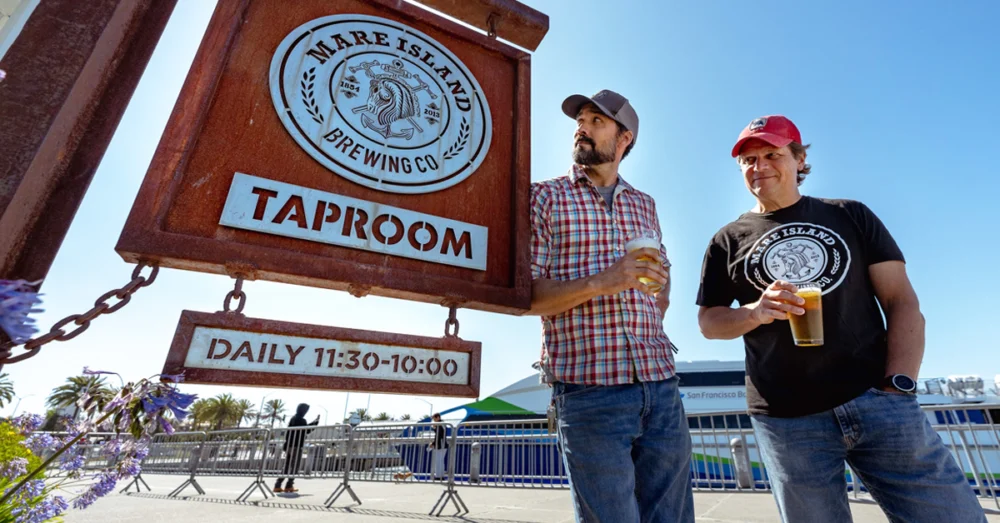
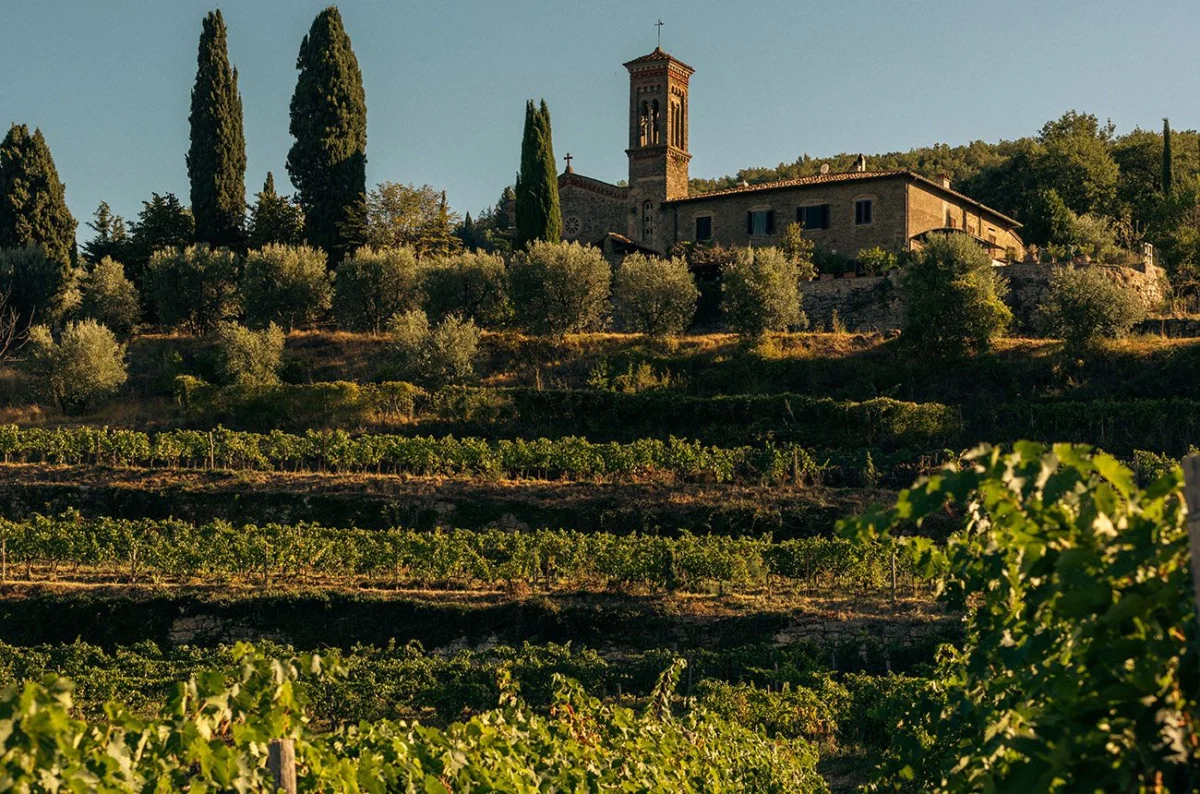
In the rolling hills of California’s wine country and the industrial waterfronts of its craft brewing hubs, an age-old industry adage is finding new life: "It takes a lot of beer to make good wine." While often uttered as a lighthearted remark among cellar hands during the grueling harvest season, the phrase underscores a profound and growing crossover between two of the Golden State’s most iconic industries. Today, a new generation of artisans is proving that the boundaries between viticulture and brewing are increasingly porous, as winemakers trade shears for mash paddles and brewers apply the rigors of enology to the pint glass.
California stands as the undisputed titan of American craft beverage production. According to the California Department of Food and Agriculture, the state’s wine industry contributes more than $57 billion annually to the local economy, supporting over 325,000 jobs. Simultaneously, the California Brewers Association reports that the state’s 1,100-plus craft breweries—the most of any state in the union—contribute approximately $9 billion in economic impact. At the center of this multibillion-dollar intersection are individuals like Sherman Thacher, Kent Fortner, Ryan Gibbons, and Remy Martin, whose careers suggest that the mastery of fermentation is a universal language, regardless of the raw material.
The Dual-Identity Artisan: From Brewmaster to Winemaker
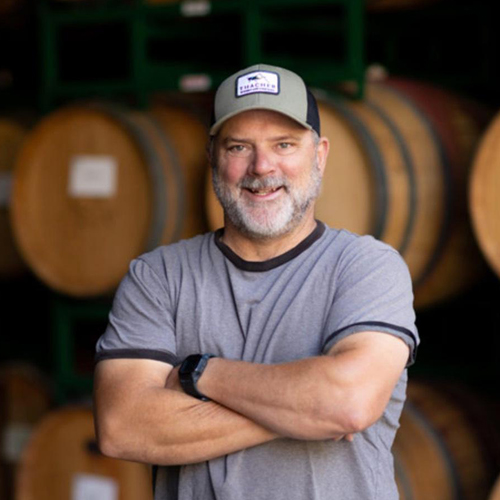
The career of Sherman Thacher, founder of Thacher Winery in Paso Robles, serves as a primary case study in this professional fluidity. Long before he was recognized for his signature cuvées on California’s Central Coast, Thacher spent nearly fifteen years immersed in the technical precision of German-style brewing. From 1992 to 2006, Thacher served as the brewmaster for Los Gatos Brewing Company, a period that coincided with the explosive first wave of the American craft beer movement.
Thacher’s transition from the brewhouse to the vineyard was not a departure from his roots but rather an evolution. He notes that the preference for beer among wine professionals is often a matter of sensory balance. After a day spent evaluating the high acidity, complex tannins, and concentrated sugars of fermenting grapes, the palate requires a "reset." Beer, being generally lower in alcohol, less acidic, and carbonated, serves as a refreshing palate cleanser. This technical appreciation for "the other" beverage is a hallmark of the California artisan, where the focus is on the chemistry of fermentation rather than the strict adherence to a single category.
A Chronology of Crossover: The Rise of Mare Island Brewing Co.
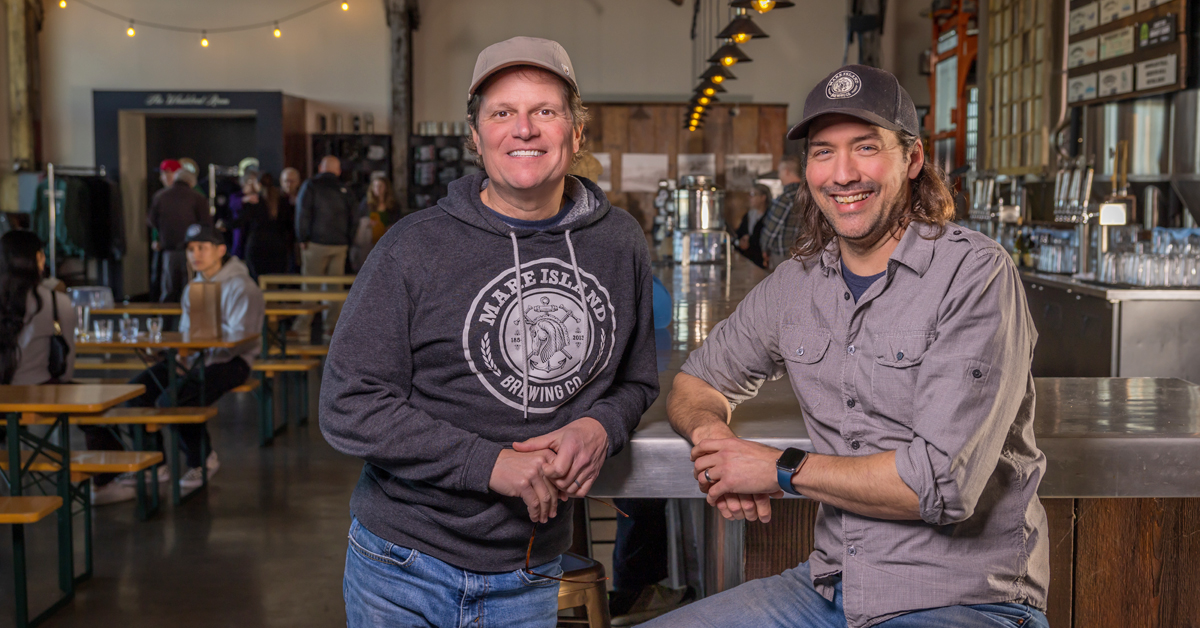
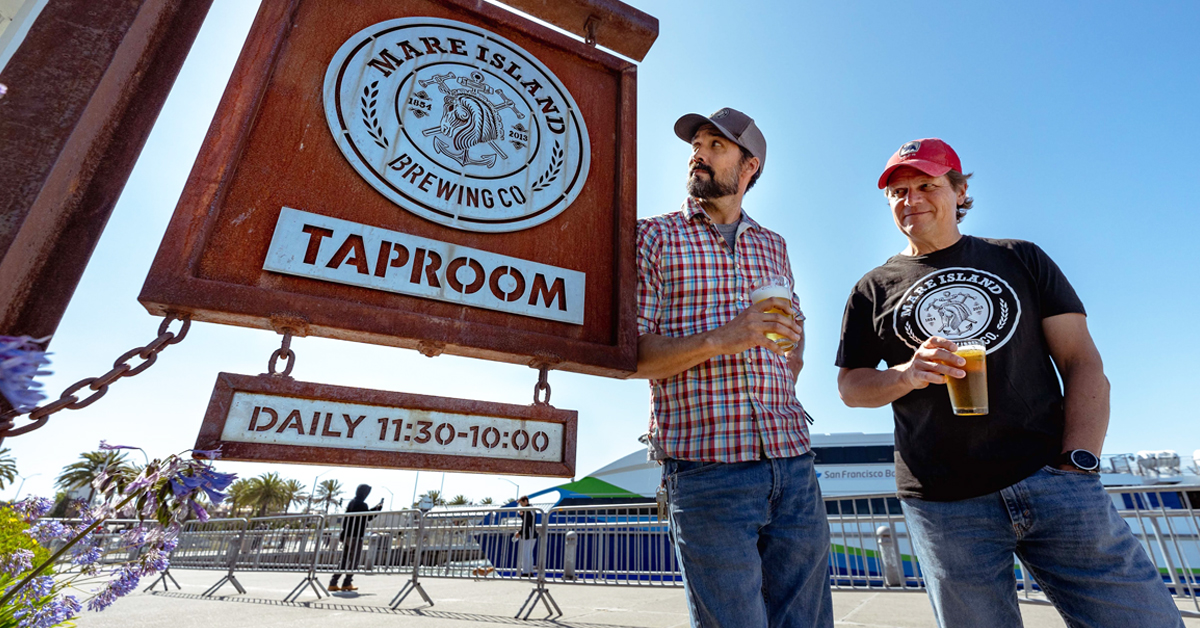
The narrative of professional crossover is perhaps most vividly illustrated by the partnership of Kent Fortner and Ryan Gibbons. Their story began not in a brewery, but on a "crush pad"—the bustling heart of a winery during harvest—in Napa Valley. Both trained as winemakers, the duo found that their shared vocabulary of fermentation and flavor profiles could be applied to a different medium.
In 2013, they transitioned their expertise into the creation of Mare Island Brewing Co. The timing was strategic, coinciding with the revitalization of the historic Mare Island Naval Shipyard in Vallejo. Founded in 1854 as the first U.S. naval shipyard on the West Coast, the site was decommissioned in 1996, leaving behind a rich architectural and cultural legacy that Fortner and Gibbons sought to honor.
Their first release, Saginaw Golden Ale, was named after the first ship built at the shipyard, establishing a brand identity rooted in historical gravitas. By 2014, they opened the Ferry Taproom on the Vallejo waterfront, followed by the Coal Shed Brewery and the First Street Taproom in Benicia. Despite the success of the brewery, the "winemaker’s itch" remained. Fortner continues to operate Road 31 Wine Co., producing a singular Napa Valley (Carneros) Pinot Noir for over two decades. This dual existence—managing a high-volume brewery while maintaining a boutique wine label—reflects a broader trend of "fermentation polymaths" who refuse to be pigeonholed.
The Educational Foundation: UC Davis and the Science of Fermentation
The technical bridge between beer and wine is often built in the classrooms of the University of California, Davis (UC Davis). Renowned globally for its Department of Viticulture and Enology, the university also hosts the Master Brewers Program, one of the most prestigious brewing qualifications in the world.
Remy Martin, co-founder of Fogbelt Brewing in Sonoma County, is a product of this rigorous academic environment. Despite being the son of the late Dennis Martin, a legendary winemaker at Fetzer Vineyards with a 30-year tenure, the younger Martin felt a pull toward the brewhouse. His journey began with teenage curiosity and evolved into a professional pursuit during a grape harvest in New Zealand. There, alongside Fogbelt co-founder Paul Hawley, Martin began homebrewing, experimenting with recipes that would eventually form the backbone of their commercial venture.
Martin’s formal education at UC Davis provided the scientific framework necessary to navigate the differences between the two industries. While winemaking is inherently seasonal and subject to the whims of a single annual harvest, brewing is a continuous process. This distinction creates a different set of pressures: winemakers must live with their decisions for an entire vintage, while brewers must master the art of consistency across hundreds of batches per year.
Technical Analysis: Synergies and Divergent Philosophies
The crossover between these industries is not merely a matter of personal interest; it is rooted in the shared mechanics of fermentation science. However, the application of these sciences differs in key ways that shape the final product.
Fermentation Stability and Resilience
As Sherman Thacher observes, winemaking and brewing require an obsessive attention to detail, though wine is arguably more "resilient" from a microbiological standpoint. Wine typically features a lower pH (higher acidity), higher alcohol content, and lower residual sugars compared to beer. These factors create a hostile environment for many spoilage organisms. In contrast, beer is more susceptible to contamination, requiring brewers to maintain more stringent sanitation protocols. Winemakers who transition into brewing often find that their meticulousness in the cellar is an asset, while brewers moving into wine bring a heightened focus on anaerobic (oxygen-free) processing.
Vintage Variation vs. Brand Consistency
One of the most significant philosophical divides lies in the concept of the "vintage." In the wine world, variation from year to year is celebrated as an expression of terroir and climate. A 2021 Pinot Noir is expected to taste different from a 2022. In the brewing world, however, the consumer expectation is geared toward absolute consistency. A flagship IPA must taste the same in July as it does in December, regardless of fluctuations in hop harvests or malt batches. This requires brewers to be master blenders and technicians, constantly adjusting inputs to achieve a static output.
Branding Aesthetics
The winemaking background of founders like Gibbons and Fortner also influences the visual language of their brands. While much of the craft beer market relies on "cheeky," bright, and sometimes irreverent label designs to stand out on crowded shelves, Mare Island Brewing Co. opted for a more refined, "winery-esque" aesthetic. By bringing a sense of class and historical elegance to their packaging, they appeal to a demographic that appreciates the storytelling traditions of the wine industry.
The Economic Impact of the Hybrid Model
The integration of wine and beer is also a savvy business strategy in a shifting retail landscape. In California, many taprooms are beginning to mirror the "tasting room" experience of Napa and Sonoma. Mare Island Brewing Co., for instance, pours Fortner’s Road 31 wines alongside its beers and partners with Sonoma’s Fifth Hill wines.
This hybrid model addresses a key shift in consumer behavior: the rise of the "omni-drinker." Data from the Brewers Association and various market research firms indicate that craft beverage consumers are rarely loyal to a single category. A consumer may visit a brewery on a Friday night and a winery on a Saturday afternoon. By offering both high-quality beer and wine in a single space, these businesses increase their market reach and provide a more inclusive experience for groups with diverse palates.
Furthermore, the shared infrastructure—such as barrel-aging programs—allows for cross-pollination of flavors. The use of retired wine barrels to age "sour" or "funky" ales has become a staple of the craft beer world, creating a sub-category of beer that directly appeals to wine enthusiasts through its complexity, tannins, and vinous characteristics.
Conclusion: A Unified Future for California Fermentation
The stories of Sherman Thacher, the Mare Island team, and the founders of Fogbelt Brewing suggest that the "Grapes vs. Grains" divide is largely a social construct rather than a technical one. As the California craft beverage market matures, the successful artisans will be those who can navigate the nuances of both worlds.
Whether it is the winemaker reaching for a cold pilsner at the end of a long day of "punch-downs," or the brewer applying enological blending techniques to a complex barrel-aged stout, the two industries are more intertwined than ever. This synergy not only produces more diverse and high-quality beverages but also strengthens the economic and cultural fabric of California. In the end, the "lot of beer" required to make good wine is not just a refreshing distraction; it is a vital component of the state’s innovative fermentation heritage. As Ryan Gibbons aptly summarizes, the goal for many in this space is no longer just about the alcoholic effect, but about the "refreshing properties" and the art of the craft—a sentiment that resonates whether the glass contains a crisp lager or a refined Pinot Noir.