admin
admin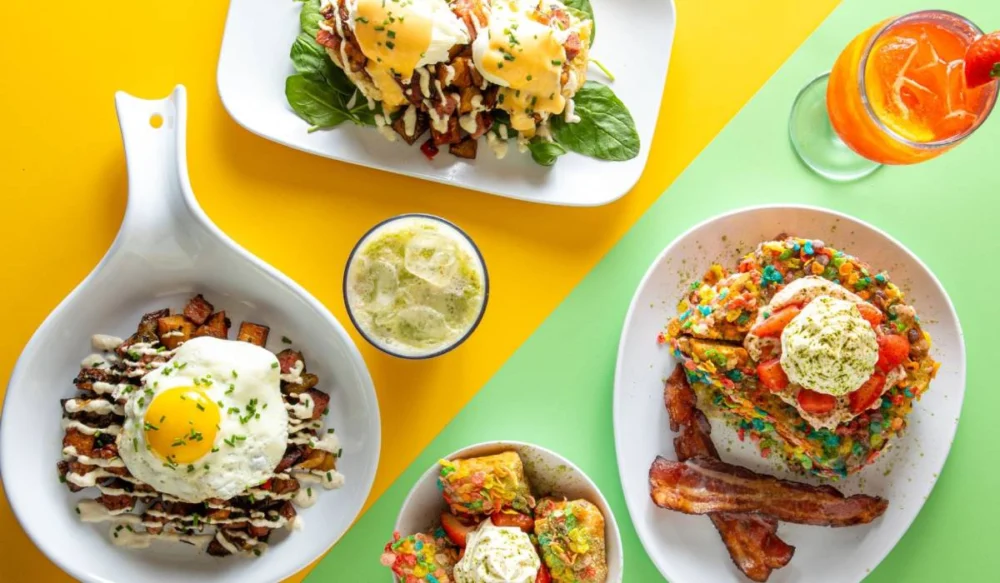
The Ruby Slipper Restaurant Group, a cornerstone of the contemporary Southern brunch scene, has officially unveiled its latest seasonal menu, signaling a strategic shift toward vibrant, spring-inspired culinary offerings designed to capture the "playful spirit" of the season. Commencing on February 25 and scheduled to run through April 21, the limited-time engagement is available across all Ruby Slipper and Ruby Sunshine locations. This rollout features a meticulously curated selection of dishes and beverages that prioritize bright flavor profiles, including citrus-infused proteins, matcha-based sweets, and sparkling fruit-forward cocktails. The announcement also highlights a significant expansion in the brand’s operational capabilities, specifically the introduction of alcoholic beverages to-go, a move that aligns with evolving consumer demands for off-premise convenience in the breakfast and brunch sector.
A Culinary Transition: The Spring Limited-Time Menu
The transition from the hearty, heavier fare of the winter months to the lighter, more colorful aesthetics of spring is a hallmark of the Ruby Slipper brand identity. This year’s menu is anchored by a diverse array of items that bridge the gap between traditional breakfast comfort and modern, Instagram-centric culinary trends. Among the highlights are rainbow-crusted confections, which utilize a variety of textures and colors to appeal to a broad demographic of diners.
A central component of the new menu is the innovative treatment of savory proteins. Specifically, the brand has introduced citrus-kissed corned beef, a dish that reinterprets a traditionally heavy, salty staple with the brightness of seasonal lemon and orange notes. This approach is mirrored in the sweet offerings, where lemon glazes and matcha—a finely ground powder of specially grown and processed green tea leaves—are utilized to provide a refreshing counterpoint to the richness of classic brunch plates.
Beverage innovation remains a primary driver for the brand, with the spring menu introducing sparkling strawberry cocktails. These drinks are engineered to complement the "patio afternoons" that define the spring season in the Southern United States, where the majority of Ruby Slipper’s footprint is located. By integrating seasonal fruit with effervescent spirits, the brand seeks to maintain its status as a premier destination for the "boozy brunch" demographic.
Strategic Vision and Culinary Philosophy
The development of the spring menu was overseen by Chef Marla Chua, the Culinary Director for Ruby Slipper. In detailing the inspiration behind the new selections, Chua emphasized the psychological and sensory impact of the season. "Spring gives us an opportunity to layer sweetness, texture, and color in a way that feels uplifting," Chua stated. "The strawberries, lemon glaze, and matcha bring brightness to the plate, while the corned beef dishes balance sweet citrus notes with savory richness. It’s a menu that feels lighthearted and celebratory, just like this time of year."
Chua’s philosophy reflects a broader trend in the hospitality industry where menu rotation is used not only to manage food costs by utilizing seasonal ingredients but also to maintain brand relevance in a highly competitive market. By focusing on "uplifting" flavors and "brightness," Ruby Slipper is positioning itself to benefit from the seasonal uptick in consumer spending associated with the return of warmer weather and outdoor dining.
Historical Context and Brand Evolution
To understand the significance of this latest menu rollout, it is necessary to examine the trajectory of the Ruby Slipper Restaurant Group. Founded in 2008 in the aftermath of Hurricane Katrina, the original Ruby Slipper Café was established in the Mid-City neighborhood of New Orleans. The founders, Jennifer and Erich Weishaupt, sought to create a community hub that celebrated the resilience of the city through the lens of a classic New Orleans brunch.
Over the past 16 years, the brand has expanded significantly, birthing the "Ruby Sunshine" sister brand to facilitate growth outside of the immediate New Orleans metropolitan area. Today, the group operates dozens of locations across the Southeast, including significant footprints in Alabama, Florida, Tennessee, North Carolina, and South Carolina. The brand’s evolution from a single neighborhood cafe to a regional powerhouse has been characterized by a commitment to "Southern charm" combined with a sophisticated operational model that prioritizes the "day-part" dining segment (breakfast, brunch, and lunch).
The spring LTO (Limited Time Offering) strategy has become a vital component of this growth. By refreshing the menu every few months, Ruby Slipper ensures repeat visits from its core customer base while providing "news" that can be leveraged across social media platforms and marketing channels.
Supporting Data: The Rise of the Brunch Economy
The decision to lean heavily into a "boozy brunch" spring menu is supported by robust industry data. According to market research, the breakfast and brunch category has remained one of the most resilient sectors of the restaurant industry, even amidst economic fluctuations. Data from Allied Market Research suggests that the global breakfast food market is expected to reach nearly $730 billion by 2030, with the "out-of-home" segment seeing the fastest growth.
Furthermore, the "brunch" phenomenon has evolved from a weekend-only indulgence into a weekday revenue driver. By offering high-margin items like specialty cocktails and premium coffee drinks alongside labor-intensive dishes like eggs benedict and house-made biscuits, Ruby Slipper maximizes its revenue per square foot during the 7:00 AM to 2:00 PM window. The introduction of seasonal items like the citrus-kissed corned beef allows the brand to command premium pricing, as consumers are historically more willing to pay a surplus for unique, time-sensitive offerings.
Operational Innovation: To-Go Cocktails and Digital Loyalty
In addition to the culinary updates, Ruby Slipper is making significant strides in its digital and operational infrastructure. The launch of alcoholic beverages to-go represents a pivot toward the "off-premise" economy that surged during the COVID-19 pandemic and has since become a permanent fixture of consumer behavior.
In markets where local and state laws permit the sale of carry-out alcohol, guests can now order full-strength cocktails for home consumption via the brand’s online ordering platform. In more restrictive jurisdictions, the brand offers pre-made cocktail mixes, allowing guests to add their own spirits at home. This move is designed to capture the "brunch at home" market, providing a professional-grade beverage experience for those who prefer to avoid the crowds of a physical restaurant.
Simultaneously, the brand is pushing its "Ruby Bennies" loyalty app. In the modern restaurant landscape, first-party data is invaluable. By incentivizing diners to order directly through the app rather than third-party delivery services (which often take a 20-30% commission), Ruby Slipper can maintain higher margins while building a direct marketing relationship with its customers. The loyalty program uses a points-based system where direct orders and dine-in visits translate into rewards, fostering a "VIP" experience that encourages brand stickiness.
Broader Industry Implications and Analysis
The Ruby Slipper spring rollout is emblematic of a larger shift in the "polished casual" dining segment. As consumers face inflationary pressures, they are becoming more discerning about where they spend their discretionary income. A "celebratory" and "uplifting" menu, as described by Chef Chua, provides a value proposition that goes beyond simple caloric intake; it offers an "experience."
Industry analysts note that seasonal menus serve as an effective tool for inventory management. Strawberries and citrus are at their peak during the spring, often resulting in lower procurement costs and higher quality compared to the off-season. By highlighting these ingredients, Ruby Slipper aligns its culinary output with the natural agricultural cycle, a move that often resonates with the increasing number of environmentally and health-conscious diners.
Furthermore, the inclusion of matcha and rainbow-themed items speaks to the "aestheticization" of food. In the era of TikTok and Instagram, the visual appeal of a dish is nearly as important as its flavor profile. Ruby Slipper’s focus on "texture and color" ensures that its dishes are highly "sharable," providing the brand with organic, user-generated marketing that reaches thousands of potential customers daily.
Looking Ahead: The Future of Ruby Slipper
As the spring menu runs its course through late April, the industry will be watching to see how Ruby Slipper continues to navigate the complexities of regional expansion. The challenge for any brand rooted in a specific cultural location—in this case, New Orleans—is maintaining that authentic "soul" while scaling to different markets like Charlotte, North Carolina, or Nashville, Tennessee.
The current seasonal strategy suggests that the brand intends to lean into its identity as a culinary innovator rather than just a purveyor of traditional Southern staples. By blending the savory richness of the South with modern, bright, and global flavors like matcha, Ruby Slipper is positioning itself as a versatile player in the national breakfast scene.
For diners, the window of opportunity to experience the citrus-kissed corned beef and sparkling strawberry cocktails is narrow. As the April 21 deadline approaches, the restaurant group is expected to begin teasing its summer offerings, continuing the cycle of seasonal refreshment that has become a cornerstone of its business model. For now, the focus remains on the "easygoing joy" of the spring season, a sentiment that Ruby Slipper hopes will translate into robust sales and continued brand loyalty across the Southeast.