admin
admin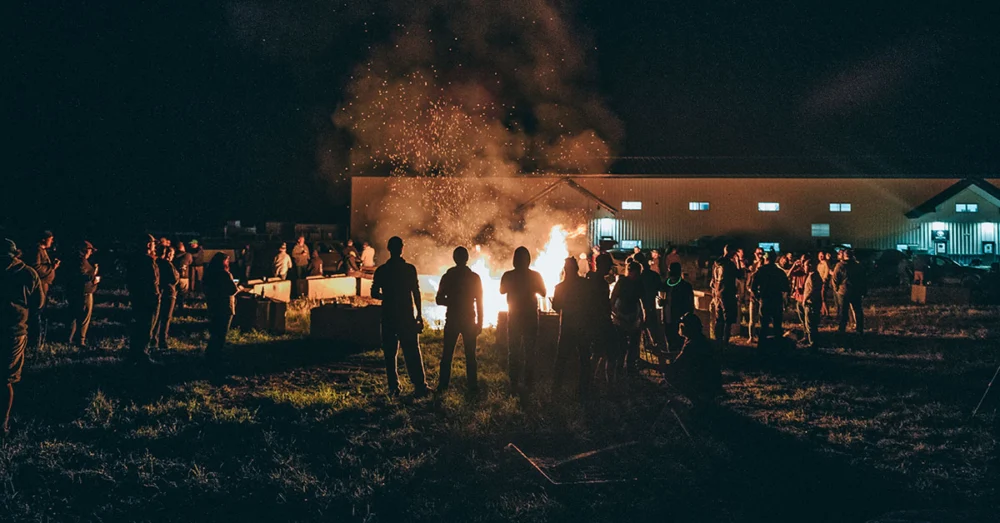
The landscape of American craft beer is undergoing a structural shift as taproom owners move beyond the traditional "pint and a pretzel" model to embrace the burgeoning outdoor hospitality industry. In Mount Olive, North Carolina, Ryan Roberts, the owner of R&R Brewing, provides a quintessential example of this transition. Despite the brewery’s location in a region famous for its pickle production, Roberts found that his fenced-in yard and food truck offerings were not enough to draw consistent foot traffic into the brewery itself. Faced with the reality of property taxes on underutilized acreage, Roberts began seeking ways to increase the "value of the dirt."
In late 2020, Roberts partnered with Harvest Hosts, a membership-based network that connects self-contained RV travelers with unique overnight stays at farms, wineries, and breweries. The arrangement was simple: Roberts provided flat ground for parking, and in exchange, travelers were encouraged to patronize his business. By December of that year, R&R Brewing welcomed its first camper. The result was an immediate boost in revenue, with visitors spending upwards of $80 per stay on beer and merchandise—a significant increase over the average local patron’s tab. This shift reflects a broader national trend where breweries are no longer just production facilities, but are becoming comprehensive travel destinations that solve the logistical challenges of modern camping.
The Economic Catalyst: From Novelty to Necessity
A decade ago, the craft beer industry operated under a "build it and they will come" philosophy. With fewer than 3,000 breweries operating in the United States in 2013, the mere presence of local beer was a sufficient draw for consumers. However, as the number of independent breweries surged past 9,000 by the early 2020s, market saturation forced owners to innovate. The COVID-19 pandemic acted as a secondary catalyst, sparking a massive boom in outdoor recreation. As travelers sought socially distanced vacations, national parks and traditional campgrounds reached capacity, leaving a vacuum in the market for overnight accommodations.
Data from the camping platform The Dyrt underscores the synergy between the two industries. According to their surveys, approximately 45 percent of campers report bringing beer on their trips, and 37 percent of those beer-drinking campers specifically prefer craft beer. This demographic overlap has turned brewery-based camping into a high-yield investment. For owners like Roberts, the return on investment (ROI) is unparalleled; with minimal overhead—often just the cost of a few directional signs and basic land maintenance—breweries can tap into a "captive audience" of travelers who are eager to spend money where they sleep.
The Rise of Private-Partner Camping Networks
The difficulty of securing reservations at public lands has paved the way for private-sector solutions. Platforms such as Harvest Hosts, Hipcamp, and The Dyrt have become the "Airbnb of the outdoors," allowing private landowners to monetize their property. Kevin Long, CEO of The Dyrt, notes that breweries are a particularly strong draw for modern campers. The appeal lies in the convenience: visitors can enjoy several high-gravity IPAs or craft lagers and retire to their vehicles without the legal or safety risks associated with driving home.
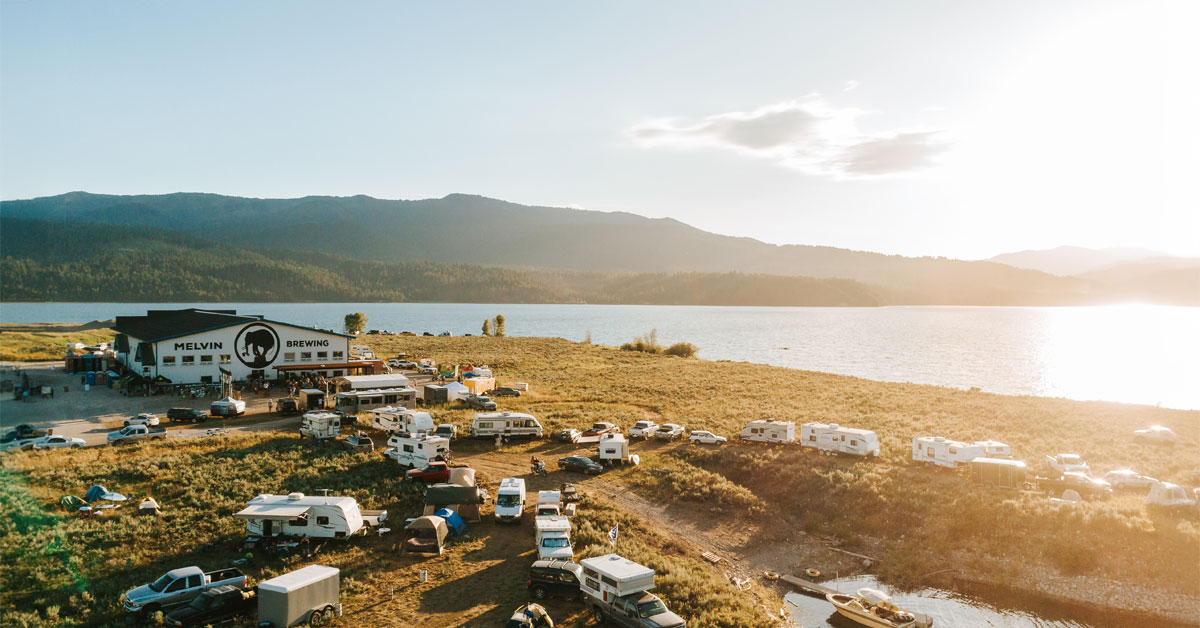
This "untapped resource" of brewery land varies in its application. Some breweries offer "no-frills" dispersed camping, while others are investing in significant infrastructure. In Alpine, Wyoming, Melvin Brewing utilizes its proximity to the Palisades Reservoir and Bureau of Land Management (BLM) property to offer a "wild" camping experience. According to Molly Reilly, Vice President of Marketing for Melvin’s parent company, Pure Madness Group, the draw is the combination of high-quality IPAs and the ability to sleep under "total dark skies" just steps from the taproom. This model requires little more than available space, yet it builds intense brand loyalty among the overlanding and RV communities.
Integrated Hospitality: The Hybrid Brewery-Campground Model
While some breweries add camping to their existing operations, other entrepreneurs are approaching the concept from the opposite direction. Doug Olsen, owner of Indian Lake Adventures in Huntsville, Ohio, purchased an existing campground in 2023 and added Camp Brewing to the property the following year. Olsen’s strategy recognizes that a brewery can serve as an "anchor tenant" for a campground, ensuring high occupancy rates throughout the season.
However, the integration of these two business models presents unique regulatory and operational hurdles. A brewery and a campground are distinct entities that require separate licensing, insurance, and staffing. In Ohio, Olsen navigated these complexities by establishing clear boundaries; while campers can bring their own beverages to their campsites, the brewery taproom remains a controlled environment where only house-made products are consumed. To bridge the gap, Camp Brewing offers to-go growlers and cups of themed beers, such as "Pitch a Tent Pilsner" and "Into the Woods Wheat," which campers can legally enjoy at their fire pits. This hybrid model has proven so successful that Olsen is currently expanding the concept to a second location, Adventure Trails in Bellefontaine, Ohio, to meet the rising demand from both locals and travelers.
Agritourism and the Educational Experience
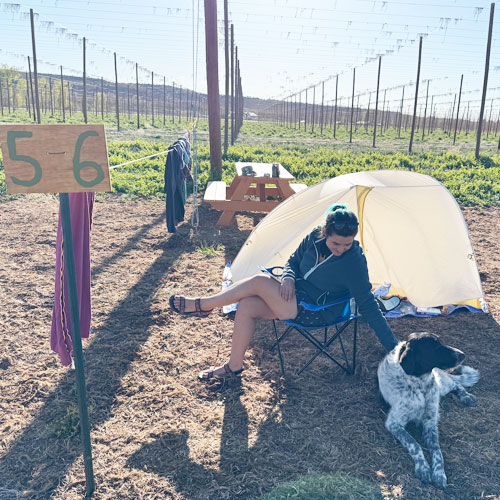
In Montrose, Colorado, Billy Goat Hop Farm has taken the concept of "brew-camping" a step further by integrating it with agritourism. By opening the "Down at the Hopyard" campground, owners allow visitors to sleep directly adjacent to the towering trellises of climbing hop bines. Audrey Gehlhausen, the farm’s president, views the initiative as an educational tool. Campers wake up in the heart of the production cycle, learning about the ingredients in their beer while sampling the final product.
This model of "experiential camping" appeals to a growing segment of the market that values transparency and origin. By providing a direct link between the agricultural process and the consumption experience, Billy Goat Hop Farm differentiates itself from traditional hospitality venues. Similarly, urban breweries are finding ways to participate in this trend despite limited space. Mash Mechanix Brewing in Colorado Springs, Colorado, utilizes its paved parking lot to host smaller RVs and Sprinter vans. Co-owner Leif Anderson, an avid camper himself, recognizes that even a parking spot with a view of Pikes Peak can serve as a valuable commodity in a high-traffic tourist destination.
The Festival Connection and Its Challenges
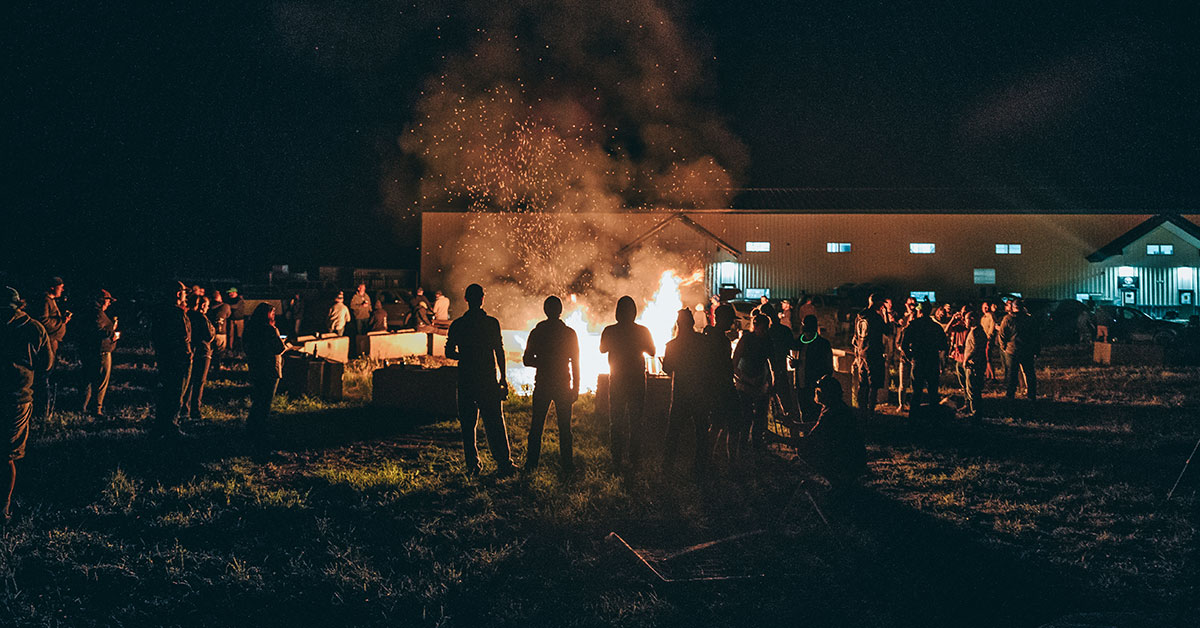
Beer festivals have long been a staple of the industry, but their rural locations often pose transportation challenges. To mitigate this, many festivals now offer on-site camping, transforming a four-hour tasting event into a multi-day immersive experience. At the Burning Foot Beer Festival in Muskegon, Michigan, organizers offer 300 beachfront campsites on the shores of Lake Michigan. Jimmy Hegedus, the festival’s beverage director, notes that camping is a necessity in small towns with limited hotel capacity, providing a safe and affordable alternative for attendees.
However, the festival-camping model is not without risks. Brewery Ommegang in Cooperstown, New York, recently had to cancel its long-running "Belgium Comes to Cooperstown" (BCTC) festival for the current year. Despite the popularity of the event’s camping component—where bottle shares and community breakfasts are hallmarks—lower-than-projected ticket sales made the high-quality production unsustainable. This serves as a reminder that while camping can enhance an event, the underlying economics of the craft beer market remain sensitive to consumer spending habits and logistical costs.
Long-Term Implications for the Craft Beer Industry
The shift toward brewery-based camping represents a maturation of the craft beer industry. No longer content to compete solely on the quality of the liquid in the glass, breweries are competing for "share of time." By providing a place to sleep, breweries are effectively extending the customer lifecycle from a 60-minute visit to a 14-hour stay.
Win and Lori Mitchell of Boothbay Craft Brewery in Maine have spent two decades refining this approach. Their 10-acre property has evolved into a "boutique RV park" with 24 full-hookup sites. By combining high-end hospitality—including a tavern serving local oysters and brisket—with the convenience of an on-site brewery, they have created a self-sustaining ecosystem. "Campers who come here tell other campers," Lori Mitchell says, highlighting the powerful word-of-mouth marketing that fuels this niche.
As the "experience economy" continues to dominate consumer trends, the intersection of craft beer and outdoor hospitality is likely to expand. For breweries with excess land, the transition into a host site offers a diversified revenue stream that is resilient to the ebiums of the standard retail market. For the consumer, it offers a safe, unique, and community-focused way to explore the American landscape. The success of these ventures suggests that the future of craft beer may not just be found in the taproom, but in the campsites and hop fields that surround them.