admin
admin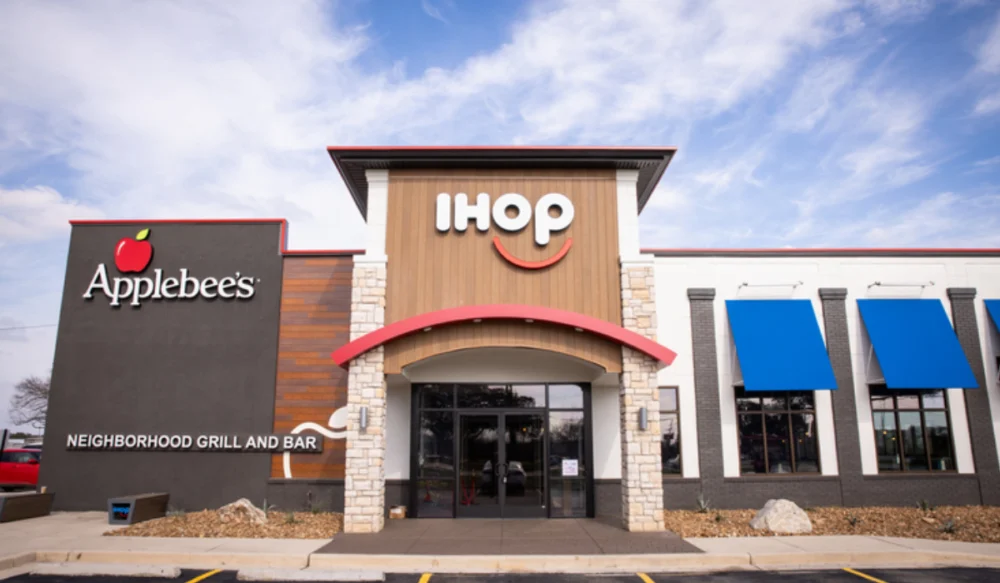
Dine Brands Global, Inc., the parent organization of iconic American restaurant chains Applebee’s Neighborhood Grill + Bar and IHOP, has entered 2026 with a strategic pivot that prioritizes dual-branded restaurant formats as the primary engine for future growth. Following a period of portfolio optimization and operational refinement throughout 2025, the company is now on track to achieve combined net positive unit growth within the next 12 to 24 months. This shift marks a significant turning point for the casual and family dining giant, which has spent recent years navigating a fluctuating economic landscape characterized by shifting consumer preferences and rising operational costs.
The centerpiece of this revitalized growth strategy is the "dual-brand" concept, which integrates both Applebee’s and IHOP under a single roof. By sharing a kitchen and back-of-house infrastructure while maintaining distinct dining areas for each brand, Dine Brands has identified a high-efficiency model that maximizes real estate value and captures consumer demand across all four major dayparts: breakfast, lunch, dinner, and late-night. As of the start of 2026, there are 32 such locations operating within the United States, including three company-owned flagship restaurants that serve as testing grounds for operational improvements.
The Financial Logic of Dual-Branded Integration
The move toward dual-branding is rooted in compelling financial data. According to Dine Brands’ executive leadership, these hybrid locations generate between 1.5 and 2.5 times the revenue of a traditional single-brand restaurant. Perhaps more importantly for franchisees, the payback period for the initial investment in a dual-branded site is currently trending at less than three years. This accelerated return on investment is a primary reason why the company expects to open at least 50 domestic dual-branded stores in 2026 alone.
CEO John Peyton, speaking during the company’s Q4 earnings call, emphasized that the dual-brand model is not merely a novelty but a sophisticated solution to modern restaurant economics. Peyton noted that the synergy between the two brands allows for balanced performance throughout the day. While IHOP dominates the morning hours, Applebee’s carries the momentum into the evening and late-night segments. This constant flow of traffic ensures that labor and utility costs are spread across a higher volume of transactions, significantly improving the bottom line for operators.
To further enhance this model, Dine Brands is currently refining kitchen layouts to improve throughput. By streamlining operations and reducing table turn times—which IHOP successfully lowered by seven minutes in 2025—the company aims to increase the capacity of these dual-branded units without requiring a larger physical footprint.
International Expansion and Global Market Whitespace
The success of the dual-brand format is not limited to the domestic market. Dine Brands concluded fiscal year 2025 with 32 international dual-branded locations, representing a year-over-year increase of 14 units. Peyton described the format as a "capital-efficient way" to introduce the company’s brands into new markets where a standalone Applebee’s or IHOP might not have the same immediate density of demand.
The company has identified significant "whitespace" for expansion in core international markets, specifically within Canada, Mexico, Latin America, and the Middle East. The expansion strategy in these regions often involves converting existing single-brand locations into dual-branded units. By adding an IHOP to an established Applebee’s, or vice versa, Dine Brands can revitalize underperforming sites and move them back into a "healthy space" of profitability. This conversion strategy also acts as a safeguard against closures; Peyton indicated that the ability to add a second brand to a lower-revenue site has already saved several locations that would have otherwise been slated for decommissioning.
Applebee’s: Value Innovation and Physical Modernization
While dual-branding represents the future of the footprint, the individual brands are also undergoing significant internal transformations. Applebee’s, in particular, has focused on a two-pronged approach: physical remodels and value-driven menu innovation.
In 2025, Applebee’s completed 103 restaurant remodels. These updates, which modernize the dining room aesthetic and improve operational flow, have resulted in a mid-single-digit sales lift when combined with coordinated marketing efforts. Encouraged by these results, the chain plans to remodel an additional 100 units throughout 2026.
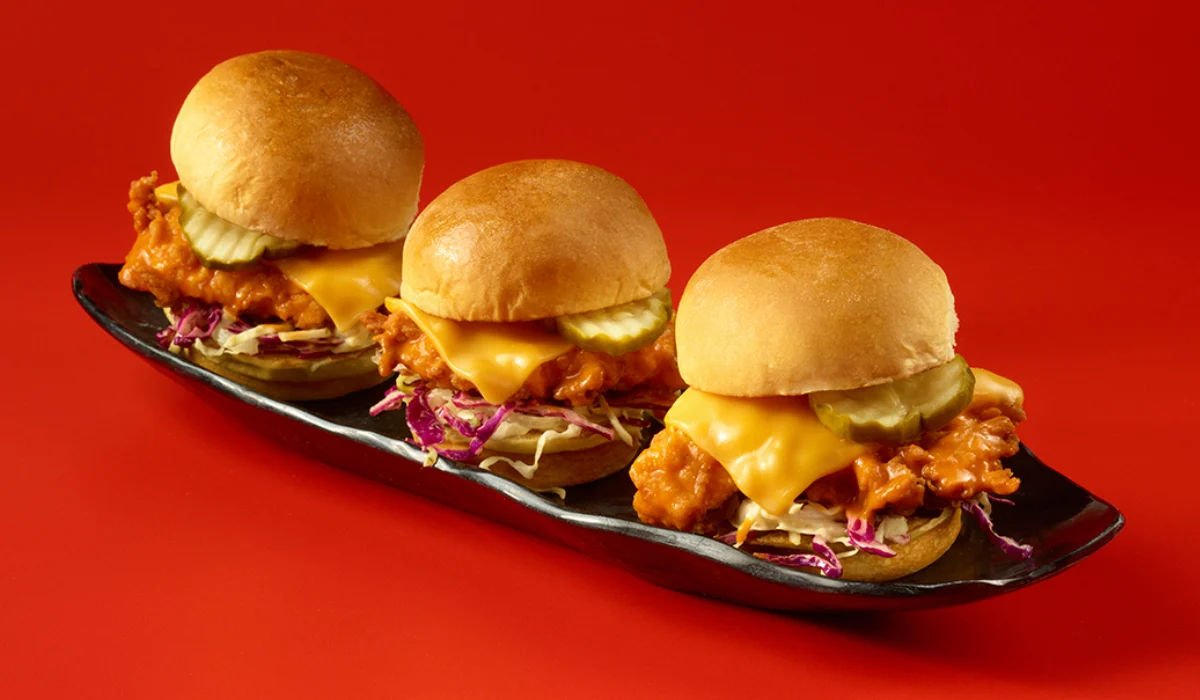
On the menu side, Applebee’s continues to lean heavily into its "2 for $25" platform, which accounted for 22 percent of all transactions in late 2025. This value proposition has proven resilient against inflationary pressures, attracting price-sensitive consumers who still desire a full-service dining experience. The brand’s innovation pipeline has also yielded high-performing products. The Grilled Cheese Cheeseburger, launched in the fourth quarter of 2025, became the brand’s highest-selling standalone burger and its most successful "2 for $25" item to date. This record was quickly surpassed in early 2026 by the O-M-Cheese Burger, signaling a strong consumer appetite for indulgent, value-oriented options.
Furthermore, Applebee’s has seen a robust increase in its off-premises business. Off-premises same-store sales rose by 6.5 percent in 2025, with delivery specifically growing by 10.5 percent. This digital growth has been supported by a massive uptick in social media engagement. In the latter half of 2025, the brand saw an 84 percent increase in posting cadence and a 107 percent lift in engagement, driven by a more aggressive and targeted digital marketing strategy.
IHOP: Operational Efficiency and Real Estate Strategy
IHOP’s strategy for 2026 focuses on "disciplined, consistent execution." While the brand saw a slight decline in same-store sales for the full year of 2025 (down 1.5 percent), it finished the year with positive momentum. Fourth-quarter comps rose by 0.3 percent, fueled by traffic that outperformed the family-dining category every month of the year.
A key driver for IHOP’s traffic has been the expansion of its "House Faves" value menu. Originally a weekday promotion, the menu was made available seven days a week in September 2025. Peyton noted that while the value menu draws customers through the door, many guests ultimately trade up to higher-priced breakfast combos or limited-time offerings (LTOs) such as Pumpkin Spice or Coffee Cake pancakes. This "halo effect" contributed to a 1.5 percent improvement in average check composition between the third and fourth quarters of 2025.
Operationally, IHOP is benefiting from new point-of-sale (POS) systems and handheld technology for servers. These tools, combined with streamlined back-of-house workflows, were responsible for the aforementioned seven-minute improvement in table turns. This efficiency is critical for a brand that experiences massive surges in volume during weekend breakfast and brunch hours.
IHOP’s real estate strategy also provides a competitive advantage. More than 80 percent of new IHOP restaurants are opening in "second-generation" sites—locations that previously housed other restaurant brands. This approach significantly reduces construction costs and shortens the timeline from site acquisition to grand opening.
Fuzzy’s Taco Shop and the Fast-Casual-Plus Model
The third brand in the Dine Brands portfolio, Fuzzy’s Taco Shop, continues to undergo a period of transition. Same-store sales fell 7 percent in 2025, though this represented an improvement over the 9.3 percent decline seen in 2024. To stabilize the brand, Dine Brands has introduced "fast-casual-plus" prototypes. These new models feature enhanced technology, a more profitable menu structure, and a focus on premium taco offerings and high-margin beverage attachments.
Fuzzy’s ended 2025 with 105 restaurants. The brand’s focus for 2026 remains on refining the in-restaurant experience and expanding third-party delivery partnerships, which have already begun to show modest gains in traffic and sales.
Analysis of Broader Industry Implications
The trajectory of Dine Brands in 2026 reflects broader trends within the casual dining sector. As labor costs and food inflation remain persistent challenges, restaurant groups are forced to find ways to extract more value from their existing physical assets. The dual-brand model is a direct response to this need, effectively doubling the brand presence of a location without doubling the overhead.
Furthermore, the emphasis on value platforms like Applebee’s "2 for $25" and IHOP’s "House Faves" suggests that the "value wars" of the mid-2010s have returned in a more sophisticated form. Rather than simple discounting, Dine Brands is using value as a customer acquisition tool, relying on menu engineering and LTOs to drive the final check average higher.
The shift toward net positive unit growth is also a sign of confidence in the long-term viability of full-service dining. While fast-casual competitors have taken significant market share over the last decade, Dine Brands’ focus on the "guest experience"—including a renewed emphasis on dining room managers and order accuracy—indicates a belief that consumers still value the hospitality and service unique to traditional sit-down restaurants.
As Dine Brands moves forward into 2026, the success of its 50 planned dual-branded domestic openings will likely serve as a bellwether for the industry. If the company can maintain its 1.5 to 2.5 times revenue multiplier while scaling the concept, it may provide a blueprint for other multi-brand conglomerates looking to optimize their portfolios in an increasingly competitive market. For now, the momentum generated in late 2025 has provided a stable foundation for what Peyton describes as "steady, disciplined growth" in the years to come.