admin
admin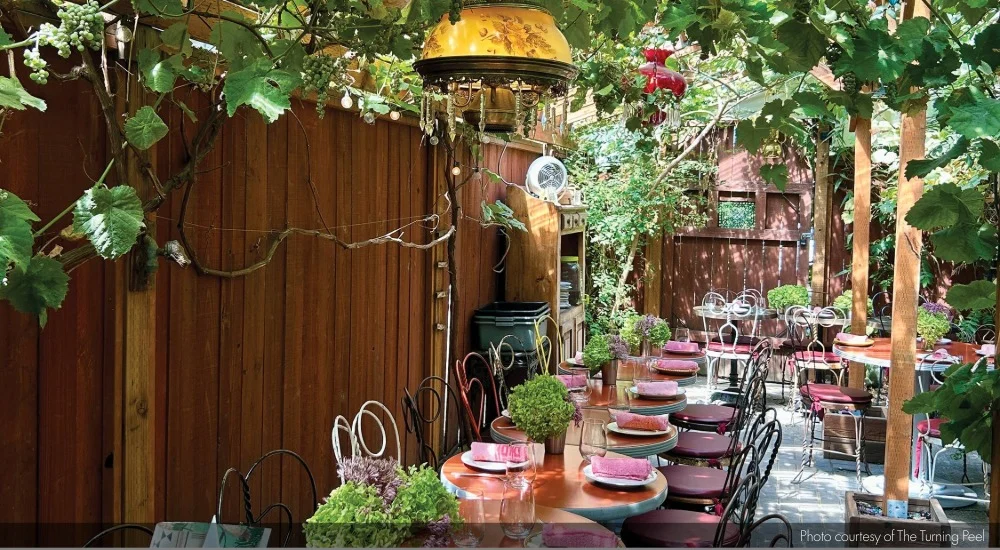
As temperatures rise and days lengthen, the call of the outdoors becomes irresistible, drawing customers to seek al fresco dining experiences. Restaurants, particularly pizzerias, are poised to capitalize on this seasonal shift, transforming patios and sidewalks into vibrant extensions of their establishments. The National Restaurant Association underscores this trend, reporting that nearly seven in 10 customers actively prefer an outdoor dining option when visiting restaurants. This strong consumer preference elevates outdoor seating from a mere amenity to a critical strategic imperative for profitability and customer satisfaction.
However, preparing for a successful outdoor dining season involves far more than simply arranging tables and stringing lights. It necessitates a holistic approach encompassing equipment readiness, workflow optimization, and a meticulous focus on the guest experience, all while navigating the unique challenges inherent in an outdoor setting. Patrick Guzzle, Vice President of Food Safety for the National Restaurant Association, emphasizes this comprehensive view: "Eating outdoors can be a wonderful opportunity to enjoy some fresh air and relaxing time outside. Make sure that it’s as carefree as possible a situation for the guest – and for the restaurant."
The success stories abound, demonstrating the immense potential. The Turning Peel in Portland, Oregon, for instance, has cultivated an iconic outdoor space known as "The Oasis." Owner Candy Yiu highlights its significance: "One of the reasons the community comes to The Turning Peel is because of The Oasis. We spend a lot of time and effort making sure that our Oasis is beautiful, welcoming, inviting and inclusive. A lot of people actually prefer to sit outdoors – even during wintertime." This commitment to creating an inviting and well-maintained outdoor environment ensures its appeal transcends seasonal limitations, illustrating the long-term value of strategic investment.
As spring transitions into summer, the opportunity to unlock a restaurant’s full potential through a clean, welcoming, and stress-free outdoor dining experience becomes paramount. Industry experts offer invaluable advice across three critical categories: administration, maintenance, and operations, each vital for a seamless and profitable al fresco season.
The Evolution and Economic Imperative of Al Fresco Dining
The landscape of outdoor dining has undergone a significant transformation, particularly in recent years. What was once a seasonal luxury has become a year-round expectation and, for many establishments, a lifeline. The COVID-19 pandemic acted as a powerful catalyst, forcing restaurants to innovate and expand their outdoor footprints to maintain operations amidst indoor capacity restrictions. This period saw the proliferation of "streeteries" and "parklets" – innovative dining spaces reclaiming public sidewalks and parking spots – initially temporary solutions that many municipalities have since made permanent, recognizing their economic and social benefits.
This shift underscores a broader trend: consumers are increasingly valuing experiential dining. Outdoor spaces offer a unique blend of ambiance, fresh air, and a connection to the urban or natural environment that indoor dining often cannot replicate. Research from various hospitality analytics firms suggests that restaurants with attractive and well-managed outdoor seating can see a substantial increase in revenue, with some reporting up to a 25-40% boost during peak seasons. Beyond direct revenue, outdoor dining enhances brand visibility, attracts new clientele, and contributes to the vibrancy of local communities, drawing tourists and residents alike. The ability to accommodate more diners, especially during peak hours, directly translates to higher table turns and increased profitability. Moreover, the perceived safety and spaciousness of outdoor environments continue to appeal to a segment of the population, even post-pandemic, cementing its role as a permanent fixture in the dining ecosystem.
Navigating the Regulatory Landscape: Administrative Imperatives for Outdoor Dining
Before a single table is set, restaurant owners must meticulously address the administrative framework governing outdoor dining. The complexity of these requirements often varies significantly by municipality, necessitating thorough research and proactive engagement with local authorities.
Permits and Zoning: This is arguably the most critical initial step. Operators must ensure that all necessary permits and zoning compliance are rigorously in order. This often extends beyond standard business licenses to include specific authorizations for outdoor areas. For instance, a liquor license may need to be explicitly amended to cover outdoor seating, requiring separate inspections and approvals. Health department permits for food service in outdoor environments are also standard. Beyond these, specific regulations may pertain to the use of public sidewalks, noise ordinances (especially concerning live music or late-night operations), and accessibility requirements under the Americans with Disabilities Act (ADA). The ADA mandates clear, accessible pathways for individuals with disabilities, ensuring ramps, clear widths, and compliant surfacing.
It is crucial to ascertain whether regulations have evolved, as many jurisdictions updated their rules post-pandemic. Initiating any necessary construction permits for modifications or permanent structures (like pergolas or expanded patios) should commence as early as possible, as these processes can be lengthy and involve multiple departmental reviews. Engaging with city planning or economic development offices can provide clarity and streamline the application process.

Insurance Coverage: A comprehensive review of insurance policies is non-negotiable. Andy Rohner, a Certified Safety Professional and Senior Safety Management Consultant at SAIF, an Oregon not-for-profit insurance company specializing in workers’ compensation, strongly advises discussions with insurance carriers regarding outdoor areas. Expanding dining space outdoors introduces new risks, including increased potential for slips, trips, and falls due to uneven surfaces or weather exposure, property damage from unforeseen events, and amplified liability concerns related to public interaction.
Operators must ensure their general liability, property, and workers’ compensation policies adequately cover the outdoor premises. Rohner notes, "Our safety consultants are in-house, and we do communicate with our underwriters. Oftentimes, those communications can be beneficial to the policy holder," potentially influencing pricing tiers based on demonstrated risk mitigation efforts. Proactive measures, such as implementing robust safety protocols and regular inspections, can be favorably viewed by insurers, leading to more favorable terms. This dialogue should also cover specific risks like fire hazards from outdoor heaters, theft of outdoor furniture, or public liability stemming from events hosted in the outdoor space.
Strategic Marketing and Branding: Once the operational and administrative groundwork is laid, a robust marketing strategy is essential to maximize the outdoor dining season. Planning ahead allows for effective communication and attraction of clientele. Local media often compile "patio dining roundups"; actively sending details about your establishment’s outdoor space ensures inclusion and broad exposure. Updating the restaurant’s website, Google My Business profile, and all social media channels to prominently feature the outdoor area, its opening dates, and its unique appeal is crucial. High-quality photographs and engaging videos showcasing the ambiance can significantly boost interest.
Beyond passive promotion, active engagement can attract and retain customers. Hosting themed events, such as live music nights, trivia competitions, or collaborations with local craft drink makers for tastings, transforms the outdoor space into a destination. Community events, like charity fundraisers or local artisan markets, can further integrate the restaurant into the neighborhood fabric, fostering loyalty and positive word-of-mouth. Utilizing geo-targeted digital advertising campaigns can effectively reach potential diners within a specific radius, informing them of the outdoor dining options and special events. Emphasizing unique features, such as pet-friendly policies or specific aesthetic elements, can also carve out a niche and appeal to diverse customer segments.
Crafting the Perfect Patio: Maintenance and Ambiance for a Superior Experience
The physical condition and aesthetic appeal of an outdoor dining area are paramount to its success. A well-maintained and inviting patio not only attracts customers but also ensures their comfort and safety.
Pre-Season Inspection and Ongoing Maintenance: Before the season officially begins, a comprehensive inspection is vital. This includes all hardscaping (paving, decking for cracks, unevenness, or loose elements), landscaping (pruning overgrown foliage, addressing potential pest harborage), irrigation systems, misters, furniture (stability, cleanliness, wear and tear), equipment (heaters, fans), lighting, and shade structures (umbrellas, awnings, pergolas). A detailed checklist should be developed, identifying one-time seasonal tasks (e.g., pressure washing, deep cleaning cushions) and ongoing daily or weekly maintenance. Scheduling necessary vendors for repairs or improvements well in advance avoids last-minute rushes.
Candy Yiu of The Turning Peel illustrates the dedication required: "We blow the patio really early in the morning," she explains, ensuring dust settles before guests arrive. "Every morning, we wipe down all the tables and chairs." Seasonal challenges, such as squirrels dropping grape skins on tables at The Oasis, necessitate adaptable cleaning routines. Yiu’s experience also offers practical advice on lighting: while tiny holiday lights are aesthetically pleasing, their high maintenance makes strings of durable, easily replaceable round LED bulbs a more practical and sustainable choice for consistent ambiance. For cooling, Yiu combines misters with cross-ventilating fans, programmed for efficiency (e.g., misting for one minute every five minutes during hot spells).
Integrated Pest Management (IPM): Pests can quickly undermine an otherwise perfect outdoor dining experience. Guzzle emphasizes the importance of professional help: "The best thing to do is work with a licensed pest control operator (PCO). They should know what pests are around in the facility, what time of year they’re around. Those PCOs have specialized knowledge on what treatment options are available in a restaurant setting."
An effective IPM strategy involves proactive measures against common outdoor pests like ants, bees, mosquitoes, flies, rodents, and birds. This includes:
- Sanitation: Prompt removal of food waste, sealed garbage bins, and regular cleaning of all surfaces.
- Exclusion: Sealing cracks, installing screens, and ensuring doors close properly to prevent entry.
- Habitat Modification: Trimming overgrown landscaping, eliminating standing water (mosquito breeding grounds), and securing overhead spaces to deter birds.
- Monitoring: Regular checks for pest activity to identify problems early.
- Targeted Treatments: Utilizing PCOs for safe and effective treatments specifically approved for restaurant environments, minimizing impact on guests and food safety.
Operational Excellence: Ensuring Safety and Efficiency in Outdoor Dining
The logistical complexities of serving outdoors demand meticulous operational planning and comprehensive staff training to safeguard food, employees, and guests alike.

Food Safety in an Outdoor Environment: The outdoor setting introduces unique food safety challenges. Guzzle notes, "One of the bigger concerns that we often don’t think about with food safety is just exposure to the environment." In areas like Boise, where summers are hot and dry, "dust and debris can end up in the patio – and possibly in someone’s food." To mitigate this, Guzzle advises against pre-setting tables, as flatware and glasses can visibly accumulate dust.
Key food safety considerations for outdoor dining include:
- Temperature Control: Maintaining proper hot and cold holding temperatures for all food items, especially for buffets or prep stations. Use insulated containers, chafing dishes, and refrigeration units.
- Protection from Elements: Shielding food from direct sunlight, wind, rain, and environmental contaminants like dust, leaves, and insects. Use covers, sneeze guards, and strategic placement.
- Cross-Contamination Prevention: Ensuring separate utensils for serving, clean surfaces, and proper hand hygiene for staff.
- Pest Deterrence: As mentioned, proactive pest control is critical, but also ensuring food is never left exposed, and waste is managed promptly.
- Environmental Hazards: Guzzle warns that branches over seating areas can invite birds, leading to droppings – a significant health and aesthetic hazard. Similarly, overgrown landscaping provides harborage for rodents, posing another serious food safety risk. Regular trimming and maintenance are crucial.
Staff and Guest Safety: Safety protocols must be rigorously applied and adapted for the outdoor environment. Rohner from SAIF highlights common workplace injuries: "Slips, trips, falls and lifting are the most impactful types of injuries for employees."
To enhance safety and operational flow:
- Traffic Management: Rohner recommends separate access points for employees and guests to patio areas, minimizing collisions and streamlining service. Self-closing door hardware, two-way swing doors, or air curtains over doorways can help manage dust and flying insects while improving traffic flow.
- Slip and Fall Prevention: Even covered patios can have wet spots tracked in from outside. "Floor mats can limit the amount of water tracked in or provide an anti-slip surface," Rohner states, but cautions that "old and damaged mats can actually become just as much of a hazard." Regular inspection and replacement of mats are essential. Crucially, Rohner urges operators to mandate and enforce the use of anti-slip footwear for all staff.
- Ergonomics: Candy Yiu emphasizes ergonomic considerations for staff. Her year-round Oasis boasts its own dedicated bus and service area, and her seasonal uncovered seating area similarly has its own service station. This minimizes long carrying distances, reduces strain, and improves service efficiency.
- Environmental Safety: Staff should be trained to identify and mitigate environmental hazards, such as uneven surfaces, steps, or obstructions, and to alert guests. Plans for inclement weather (sudden rain, strong winds, extreme heat or cold) must be in place, including procedures for securing furniture and safely evacuating guests.
Comprehensive Staff Training: A well-trained staff is the backbone of a successful outdoor dining operation. Training should cover:
- Food Safety Protocols: Specific guidelines for handling, serving, and storing food outdoors, including temperature monitoring and protection from contaminants.
- Safety Procedures: Detailed instructions on preventing slips, trips, and falls, proper lifting techniques, and managing traffic flow.
- Emergency Response: Protocols for severe weather, pest incidents, and guest medical emergencies.
- Guest Experience: Training staff to anticipate and address outdoor-specific guest needs, such as offering blankets on cool evenings, adjusting shade, or warning about steps.
- Environmental Awareness: Educating staff on how to proactively manage outdoor elements, from sweeping leaves to dealing with unexpected bird droppings.
- Feedback Mechanism: Establishing channels for staff to provide input on operational challenges and safety concerns, fostering a culture of continuous improvement.
For valuable resources on workplace safety in restaurant environments, operators are encouraged to consult their insurance carrier or underwriter, as well as leverage free materials available on websites like SAIF or the National Restaurant Association.
By integrating these administrative, maintenance, and operational strategies, restaurants can create not just an outdoor seating area, but a truly exceptional and profitable outdoor dining experience that keeps customers coming back, season after season.
Conclusion: The Enduring Appeal and Future of Al Fresco Dining
The appeal of outdoor dining is undeniable and enduring, evolving from a simple seasonal offering to a sophisticated, integral component of modern restaurant operations. Its benefits extend far beyond merely expanding seating capacity; it significantly enhances customer experience, fosters community engagement, and serves as a vital revenue driver, contributing to the overall resilience and profitability of dining establishments.
The success stories, like The Turning Peel’s "Oasis," underscore that a thoughtful, strategic approach – one that considers every detail from permitting to pest control, and from ergonomic design to engaging marketing – transforms an outdoor space into a cherished destination. It is a strategic investment that yields substantial returns in customer loyalty, brand reputation, and financial performance.
As urban planning continues to embrace more pedestrian-friendly environments and consumers increasingly seek authentic, experiential interactions, the role of outdoor dining is only set to grow. Future innovations may include more sophisticated climate control technologies, adaptable modular designs, and even greater integration with public spaces, further blurring the lines between indoor comfort and outdoor charm. Ultimately, successful outdoor dining is about creating a pleasant, inviting, safe, and satisfying environment that reflects the establishment’s commitment to excellence and its connection to the community it serves. The sunshine is ready, and with diligent preparation, restaurants can be too, unlocking the full potential of the al fresco season and beyond.
ANNELISE KELLY is a Portland, Oregon-based freelance writer.