admin
admin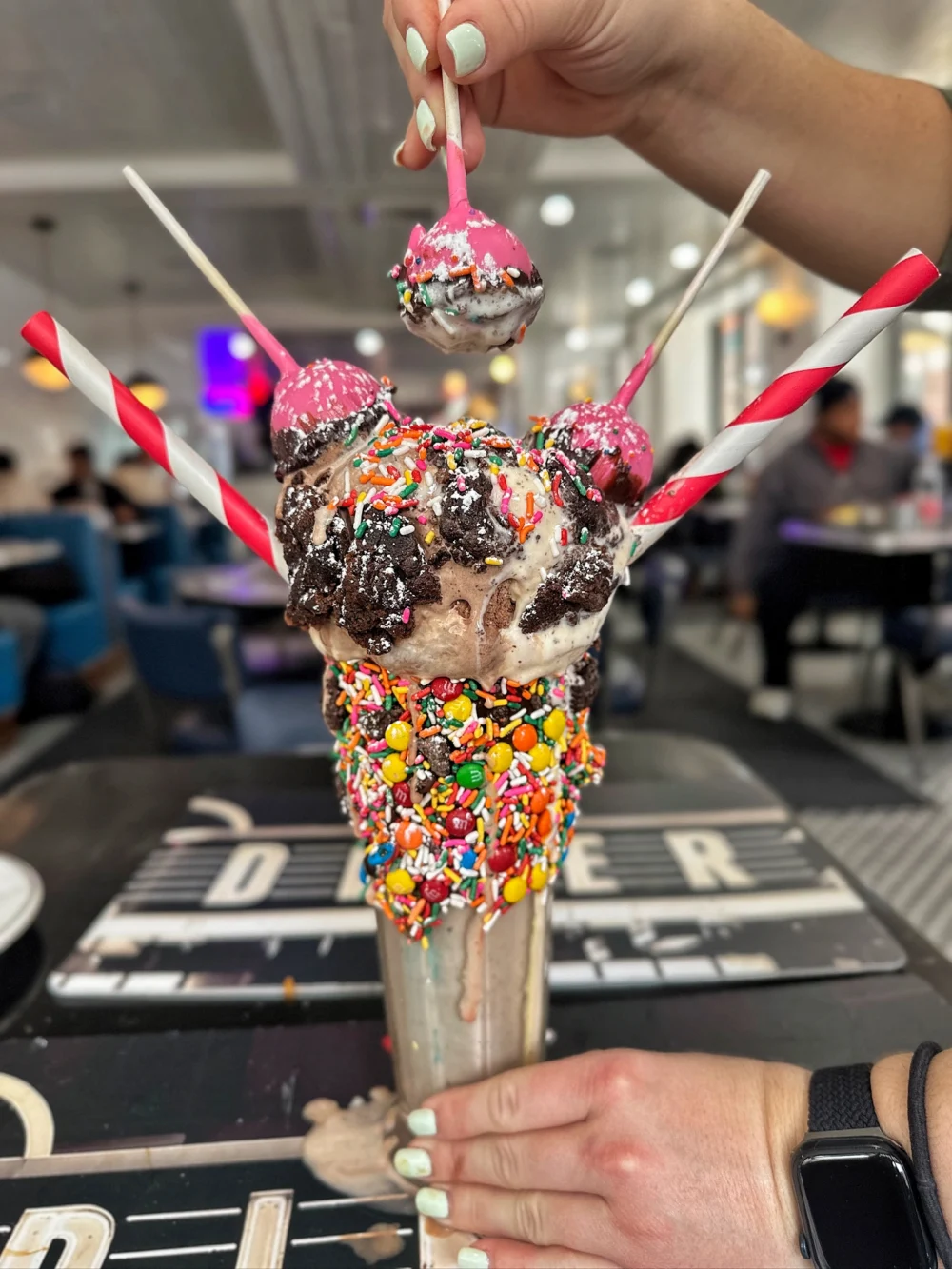
The traditional American diner, once a ubiquitous cornerstone of urban life and a symbol of 24-hour convenience, has faced a steady decline over the past decade, exacerbated by the economic pressures of the COVID-19 pandemic. However, Stratis Morfogen, a seasoned New York restaurateur with a track record of high-profile disruptions, is successfully executing a blueprint to revitalize this flagging institution. By merging the aesthetic of mid-century nostalgia with cutting-edge digital marketing and high-end culinary standards, Morfogen’s Diner24 NYC has emerged as a high-volume success story in Manhattan’s Gramercy Park. Since its opening in the spring of 2024, the establishment has challenged the industry narrative that the 24-hour model is no longer viable in a post-pandemic economy.
The Historical Context of the NYC Diner Crisis
To understand the significance of Diner24’s success, one must examine the broader landscape of the New York City dining scene. Historically, diners were the bedrock of the city’s food culture, largely operated by Greek immigrant families who established a model of expansive menus and round-the-clock service. However, rising commercial rents, the soaring cost of labor under new minimum wage mandates, and the shifting habits of consumers—who increasingly turned to delivery apps—led to the closure of hundreds of these institutions.
The pandemic served as the final blow for many, as the logistical difficulty of maintaining 24-hour staffing during lockdowns and subsequent labor shortages made the "always open" model seem financially reckless. By 2023, the number of true 24-hour diners in the five boroughs had plummeted. Morfogen, the son of a Greek diner owner himself, recognized that while the business model was struggling, the consumer demand for the "diner experience" remained high. He identified a gap in the market: a lack of modernized diners that catered to the aesthetic and digital expectations of Gen Z and Millennial consumers while maintaining the soul of the traditional format.

A Chronology of Strategic Disruption
Morfogen’s career has been defined by a refusal to adhere to traditional restaurant norms. In 1997, he brought the Fulton Fish Market into the e-commerce age. More recently, he pioneered the "automat" resurgence with Brooklyn Dumpling Shop, a concept built on contactless technology and high-speed production.
The development of Diner24 followed a specific timeline of disruption:
- Spring 2024: Diner24 opens near Gramercy Park, occupying a 1,400-square-foot space previously held by a traditional operator.
- Summer 2024: The establishment implements an aggressive SEO-first naming strategy, securing top-tier rankings for high-intent search terms.
- Late 2024: The restaurant achieves viral status on TikTok, driven by over-the-top menu items designed by Morfogen’s teenage daughters.
- Early 2025: Financial reports indicate the location is on track to triple the annual revenue of the previous tenant, moving from $2 million to a projected $5.9 million.
Digital-First Branding and SEO Architecture
At the core of Morfogen’s strategy is the integration of search engine optimization (SEO) into the very identity of the brand. In an era where "near me" searches dictate the majority of foot traffic for casual dining, Morfogen treated the naming of the restaurant as a technical exercise. By naming the concept "Diner24," he effectively hijacked the most common search terms used by hungry consumers: "24-hour diner," "diner near me," and "24-hour breakfast."
This approach mirrors the "AAA" naming convention used in the era of the Yellow Pages, ensuring that the business appears at the top of digital directories. Morfogen reportedly spends approximately $188 per month on hyper-targeted SEO to maintain dominance over phrases like "24-hour burger" and "24-hour restaurant near me." The result is an estimated 18 million digital impressions per month. This visibility extends far beyond the immediate neighborhood, drawing customers from New Jersey and Connecticut who find the restaurant via Google and social media algorithms before they even enter the city.

The Culinary Pivot: High-End Ingredients and Viral Aesthetics
While the digital strategy drives the initial traffic, the culinary execution is designed to ensure retention and social sharing. Morfogen has discarded the traditional six-page plastic-laminated menu in favor of a tighter, more focused selection that emphasizes quality. He utilizes the same high-end vendors that supply his upscale steakhouse, Brooklyn Chop House, including the renowned Pat LaFrieda Meat Purveyors.
The menu is built on a "bipolar" pricing strategy that allows for broad demographic appeal:
- Accessibility: Guests can still order a $10 burger or a standard three-egg omelet, catering to local students, teachers, and night-shift workers.
- Indulgence: For those seeking a premium experience, the menu features a 20-ounce bone-in ribeye dry-aged for 21 days, and a $45 "surf-and-turf" burger topped with lobster.
This culinary range is complemented by what Morfogen calls the "reaction business." Every dish is vetted for its visual impact. If a menu item does not prompt a customer to record a video for social media, it is considered a failure. The "Cake Pop" Brownie Shake and the double-stacked waffles with cascading honey and ice cream are prime examples of this "theater." These items, developed with input from Morfogen’s daughters, have generated over 300 million views on TikTok, turning the diner into a destination for international tourists.
Operational Efficiency and the Review Ecosystem
Beyond the food and marketing, Diner24 utilizes technology to streamline the feedback loop. Recognizing that modern consumers rely heavily on crowd-sourced validation, Morfogen has prioritized the accumulation of five-star reviews. By using table prompts and digital cards that remove the "10-click barrier" to leaving a review, the restaurant has amassed nearly 6,000 five-star ratings in less than a year.

Morfogen has publicly stated his disdain for traditional food critics, arguing that the collective voice of thousands of everyday guests is a more accurate and powerful metric of success. This focus on "democratized" criticism has allowed the restaurant to maintain a high reputation score, which in turn feeds back into the Google search algorithm, further cementing its top-tier placement.
Economic Impact and Financial Analysis
The financial transformation of the Gramercy Park site provides a compelling case study for the "disrupted diner" model. Under the previous management, the 1,400-square-foot space generated roughly $2 million in annual sales—a figure that is often insufficient to cover the overhead of a 24-hour operation in Manhattan. Under the Diner24 brand, that same footprint is now generating $5.9 million annually.
A significant portion of this growth is attributed to the "late-night" and "overnight" dayparts. While many competitors have scaled back their hours, Diner24 reports consistent lines out the door between midnight and 5:00 a.m. By capturing the late-night market with a superior product and a high-energy atmosphere, Morfogen has turned what is usually a low-margin period into a primary revenue driver.
Broader Implications for the Hospitality Industry
The success of Diner24 NYC suggests that the death of the American diner was not a result of waning consumer interest, but rather a failure of the industry to adapt to the digital age. Morfogen’s model offers several key takeaways for the broader hospitality sector:

- Brand as Search Term: In a digital-first economy, the name of a business should be optimized for search algorithms.
- The Creator Economy Integration: Restaurants must design "theatrical" moments that encourage free viral marketing from their guests.
- Value Tiering: Offering both budget-friendly and ultra-premium options allows a single location to capture multiple market segments simultaneously.
- Real Estate as Foundation: A "real estate first" strategy—buying the underlying property and installing a high-performing brand as the tenant—provides long-term stability against rising rents.
Future Outlook and Expansion Strategy
Looking toward the future, Morfogen is moving to scale the Diner24 concept through a sophisticated real estate play. In partnership with hedge fund backing, he intends to identify and purchase legacy diner properties throughout the Tri-State area, including locations in New Jersey, Long Island, Westchester, and the outer boroughs of New York City.
The strategy involves acquiring these distressed or underperforming assets, renovating them to meet the Diner24 aesthetic, and implementing the same digital and culinary frameworks that proved successful in Gramercy Park. Morfogen plans to open three to four additional company-owned units to further refine the model before exploring franchising or licensing opportunities.
By treating the diner not just as a restaurant, but as a tech-enabled real estate asset, Morfogen is positioning Diner24 to be the blueprint for the next generation of 24-hour dining. His approach demonstrates that with the right mix of nostalgia, quality, and digital savvy, even the most traditional business models can be revitalized for the modern era. As the "city that never sleeps" continues to find its footing in a post-pandemic world, Diner24 stands as a testament to the enduring power of the 24-hour institution—provided it is willing to evolve.