admin
admin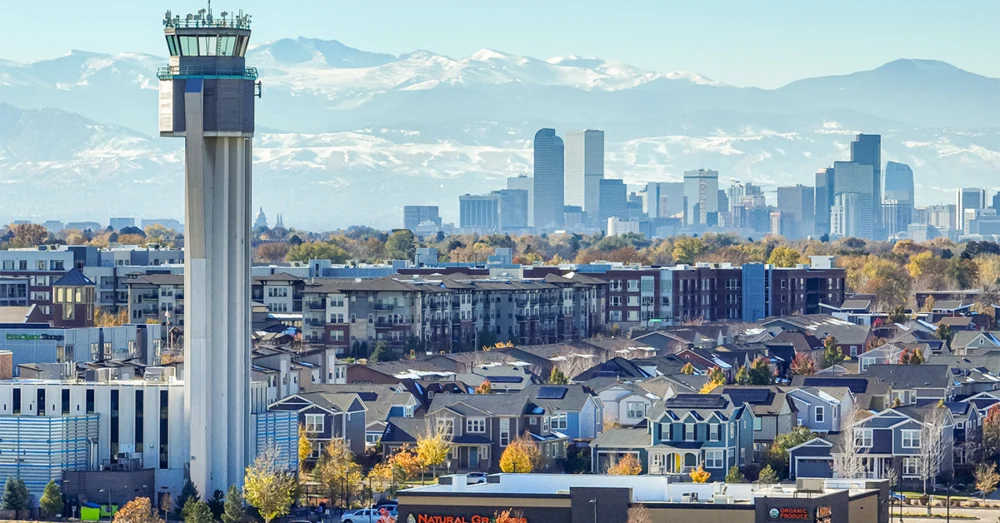
The logistical complexity of craft brewing often remains hidden behind the taproom glass, but for Denver-based FlyteCo Tower, the production of their signature fresh hop IPA involves a high-stakes race against time, unpredictable mountain weather, and the precision of aeronautical navigation. Since its inception in 2019, FlyteCo has integrated aviation into its core identity, not merely as a marketing aesthetic but as a functional component of its supply chain. Each year, co-founder and president Eric Serani pilots his four-seater Van’s Aircraft RV-10 over the Rocky Mountains to retrieve freshly harvested hops from the Western Slope, a mission that exemplifies the brewery’s commitment to "pushing limits." However, the 2025 season served as a stark reminder of the volatility inherent in both aviation and agriculture, as persistent cloud cover and shifting harvest windows grounded the flight for the first time in the company’s history.
The Logistics of the Fresh Hop Flight
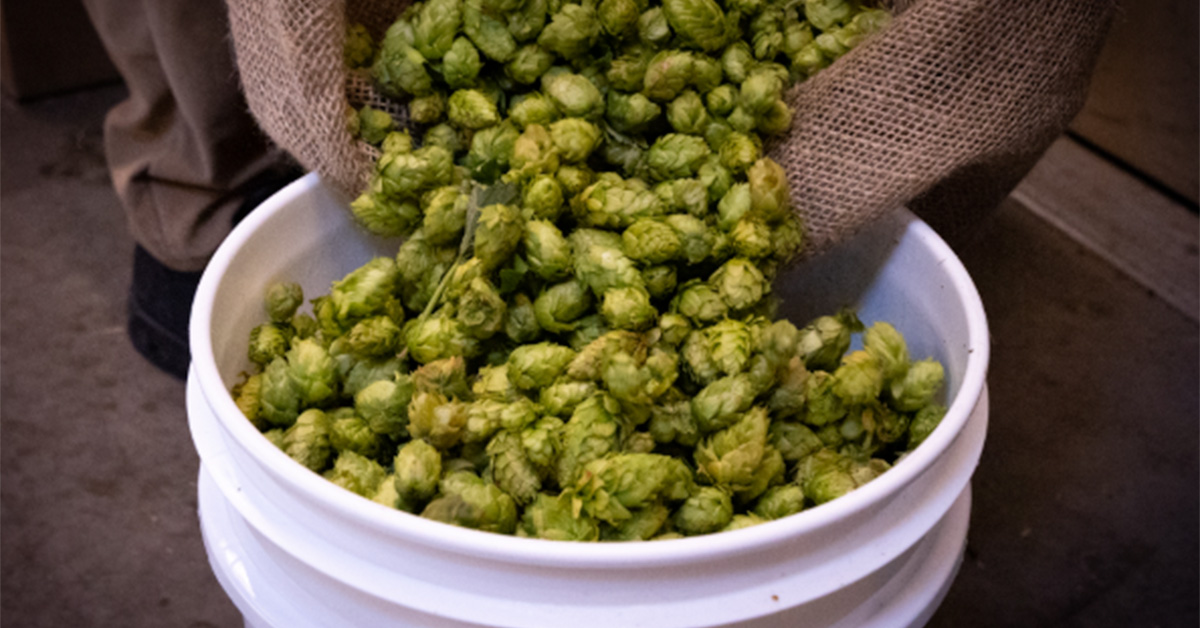
Fresh hop beers, also known as "wet hop" beers, represent a seasonal pinnacle for craft breweries. Unlike standard IPAs brewed with dried, pelletized hops, fresh hop ales utilize cones picked straight from the vine. These hops must be introduced to the brewing process within 24 to 36 hours of harvest to prevent oxidation and the onset of composting aromas. For most Denver breweries, this involves a multi-hour truck journey across the Continental Divide. For FlyteCo, it involves a 175-nautical-mile flight at altitudes ranging between 11,000 and 13,000 feet.
The flight path typically originates from Erie Municipal Airport, north of Denver, and heads toward Montrose, Colorado, home to Billy Goat Hop Farm. Under ideal conditions, the trip takes approximately 90 minutes. This speed is crucial; while Serani is in the air, the brewing team back in Denver, led by co-founder Jason Slingsby, begins the mashing process. The goal is to have the wort ready exactly when the plane touches down, allowing the "wet" hops to be added to the kettle or fermenter while their oils and aromatics are at their peak.
In previous years, FlyteCo coordinated a fleet of up to eight planes, involving community pilots in a collective effort to transport nearly 100 pounds of hops. The 2025 attempt, however, highlighted the fragility of this "miracle" brew. After multiple postponements due to low visibility and unstable weather patterns, the harvest window at Billy Goat Hop Farm closed before the flight could be safely executed. The grounded mission forced the brewery to pivot to overnight shipping, a more conventional but less storied method of procurement.
A Legacy of Aviation in the Mile High City
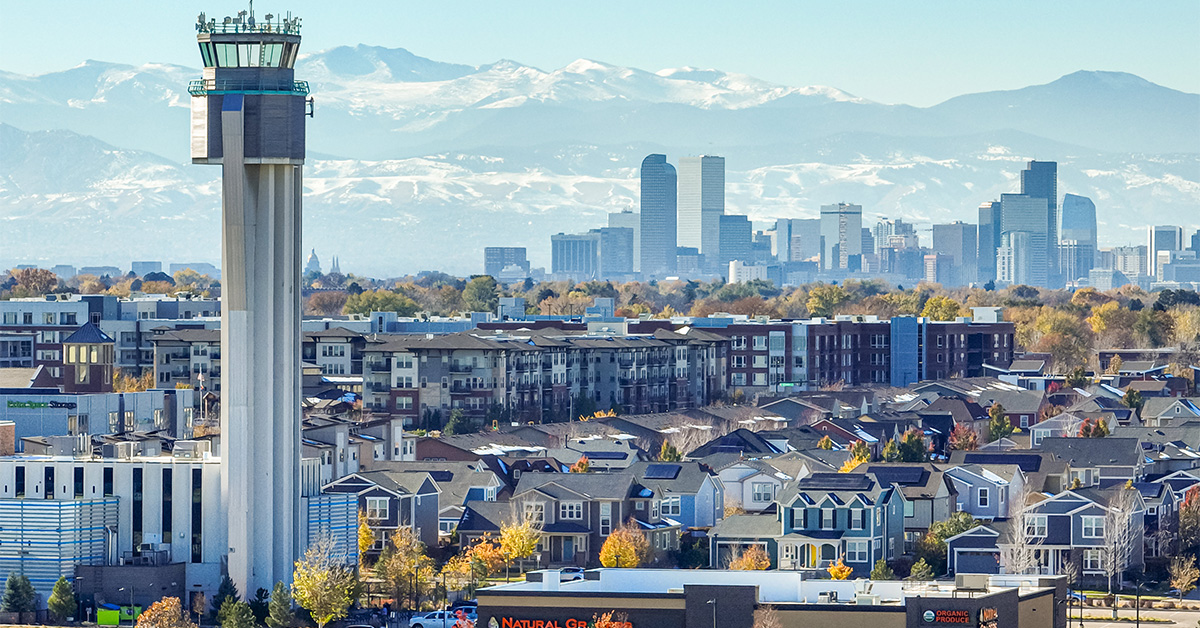
The location of FlyteCo’s flagship operations is as significant as the beer itself. FlyteCo Tower occupies the former air traffic control tower of Stapleton International Airport. To understand the gravity of this location, one must look at Denver’s evolution as an aviation hub. Stapleton opened in 1929 and, by 1961, had become the third busiest airport in the world. As jet travel expanded, the airport’s proximity to residential neighborhoods and its limited runway configuration led to its closure in 1995, paving the way for the massive Denver International Airport (DIA).
Denver’s aviation roots go deeper than Stapleton. In 1910, French aviator Louis Paulhan conducted the first successful flight in the "Mile High" atmosphere, proving that thin mountain air could support powered flight—a theory many contemporary scientists doubted. Furthermore, the region became a center for aerospace innovation in 1954 when Bob Stanley established the Stanley Aviation Manufacturing Plant in nearby Aurora, eventually becoming a world leader in the production of aircraft ejection seats.
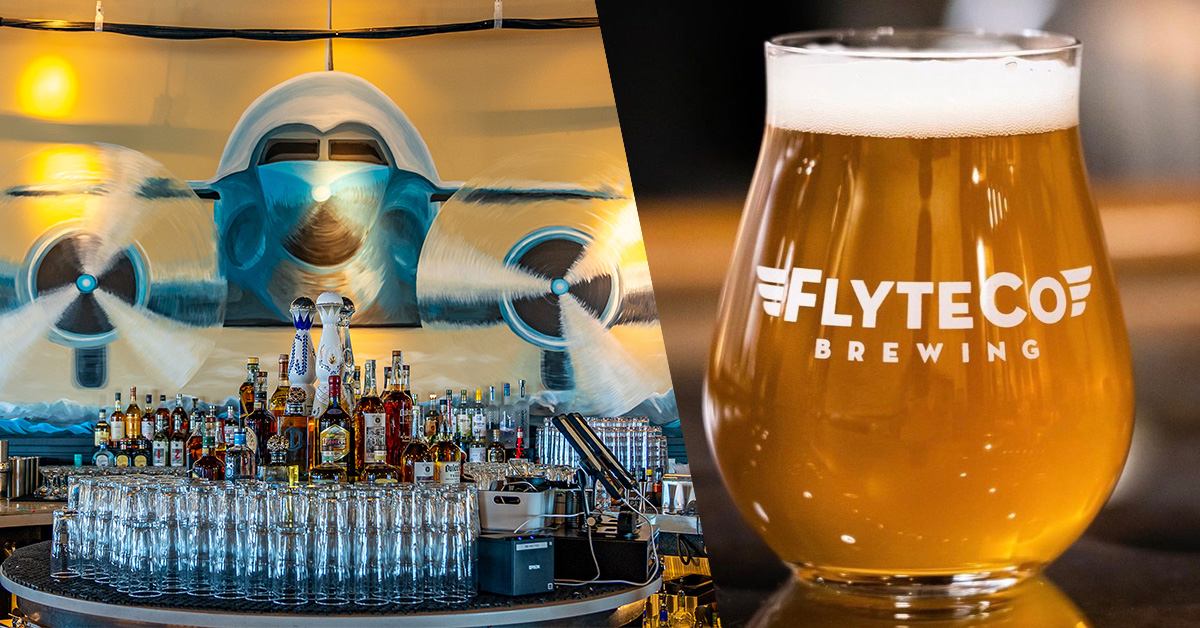
FlyteCo Tower serves as a living museum of this history. The 11-story structure, which sat vacant for decades following Stapleton’s closure, now houses a multi-level entertainment complex. The brewery employs an in-house historian, Sean Henson, who conducts tours detailing the contributions of aviation pioneers. These include Marlon Green, the pilot whose landmark Supreme Court case ended racial discrimination in commercial airline hiring, and Emily Howell Warner, a Denver native who became the first woman to be hired as a pilot by a major U.S. air carrier (Frontier Airlines) in 1973.
From Aerospace Engineering to Craft Brewing
The transition from aviation to brewing was a natural progression for the founders. Eric Serani and Jason Slingsby met while studying at the University of Colorado Boulder. Serani, an aerospace engineer by trade, previously worked for Boeing, while Slingsby pursued a master’s degree in chemical engineering. Their shared background in technical disciplines provided the foundation for a homebrewing hobby that eventually scaled into a commercial enterprise.
FlyteCo’s first location opened on Tennyson Street in 2019 with a 15-barrel system. The expansion to the Stapleton tower in 2022 represented a massive increase in operational scale. However, the modern craft beer market has become increasingly competitive, forcing breweries to diversify their revenue streams. In early 2025, FlyteCo closed its original Tennyson Street location to consolidate operations at the Tower. To maintain consistency for their flagship brands, they entered into a contract brewing partnership with Copper Kettle Brewing Company. This allows the 2.5-barrel brewhouse at the Tower to function as a "pilot system" for experimental batches, limited releases, and the annual "Hop Is My Co-Pilot" IPA.
Economic and Community Impact
FlyteCo’s business model extends beyond the sale of pints. The brewery has committed to donating 10% of its profits to aviation-themed initiatives. A primary beneficiary is the Experimental Aircraft Association’s (EAA) Young Eagles program. This initiative provides children between the ages of 8 and 17 with their first flight experience, aiming to inspire the next generation of pilots and aerospace engineers.
Serani’s personal history with the EAA is a driving force behind this philanthropy. After losing his grandfather—his primary aviation mentor—at a young age, the EAA community in Erie provided Serani with scholarships and flight training. By integrating this mission into the brewery, FlyteCo creates a circular economy of community support.
The "experiential" nature of the Tower—which includes bowling lanes, arcade games, mini-golf, and axe throwing—reflects a broader trend in the hospitality industry. As the "craft beer bubble" has stabilized, successful venues are those that offer more than just beverage consumption. FlyteCo Tower functions as a community hub, attracting families and aviation enthusiasts who might not otherwise frequent a traditional taproom.
Analysis of Implications: Risks of Seasonal Brewing
The failure to complete the 2025 hop flight illustrates the inherent risks of "ephemeral" brewing. Fresh hop beers are notoriously expensive to produce. As co-founder Morgan O’Sullivan noted in previous interviews, the fuel costs for the RV-10 often exceed the actual market value of the hops being transported. From a purely fiscal perspective, the flight is an inefficient endeavor.
However, the value of the project lies in brand equity and the preservation of craft traditions. In an era dominated by hop extracts and shelf-stable products, the "Hop Is My Co-Pilot" project serves as a "hero product" that reinforces the brewery’s narrative. The loss of the 2025 flight is a blow to the brewery’s seasonal marketing, but it underscores the authenticity of their mission; if the flight were easy or guaranteed, it would lack the "limit-pushing" ethos the brand promotes.
Furthermore, the reliance on Billy Goat Hop Farm highlights the importance of the relationship between Colorado’s Front Range brewers and Western Slope growers. The state’s hop industry, while smaller than that of the Pacific Northwest, offers a distinct terroir influenced by high-altitude sunlight and mineral-rich mountain water. The collaboration between Serani’s flight crew and the farm team represents a uniquely Coloradan supply chain that is both highly specialized and environmentally sensitive.
Future Outlook and 2026 Projections
Despite the setback of the 2025 season, FlyteCo’s leadership remains committed to the tradition. The grounded flight has prompted a review of logistical contingencies, including the potential for a wider window of "standby" pilots and more robust meteorological monitoring.
The brewery’s resilience is mirrored in its facility. The Stapleton Tower, once a symbol of a bygone era of aviation, has been successfully repurposed into a modern economic engine. As the brewery looks toward 2026, the focus remains on the intersection of education, entertainment, and high-quality fermentation. The "Hop Is My Co-Pilot" IPA may be absent from the taps this autumn, but the brewery continues to serve as a beacon for those fascinated by the mechanics of flight and the art of the pour.
In the broader context of the American craft beer landscape, FlyteCo Tower stands as a case study in niche branding. By tethering its identity to the storied history of Denver aviation and the technical rigors of flight, the brewery has insulated itself against the generic trends of the market. Whether the hops arrive by plane or by truck, the spirit of the endeavor remains fixed on the horizon, waiting for the clear skies of the next harvest season.