admin
admin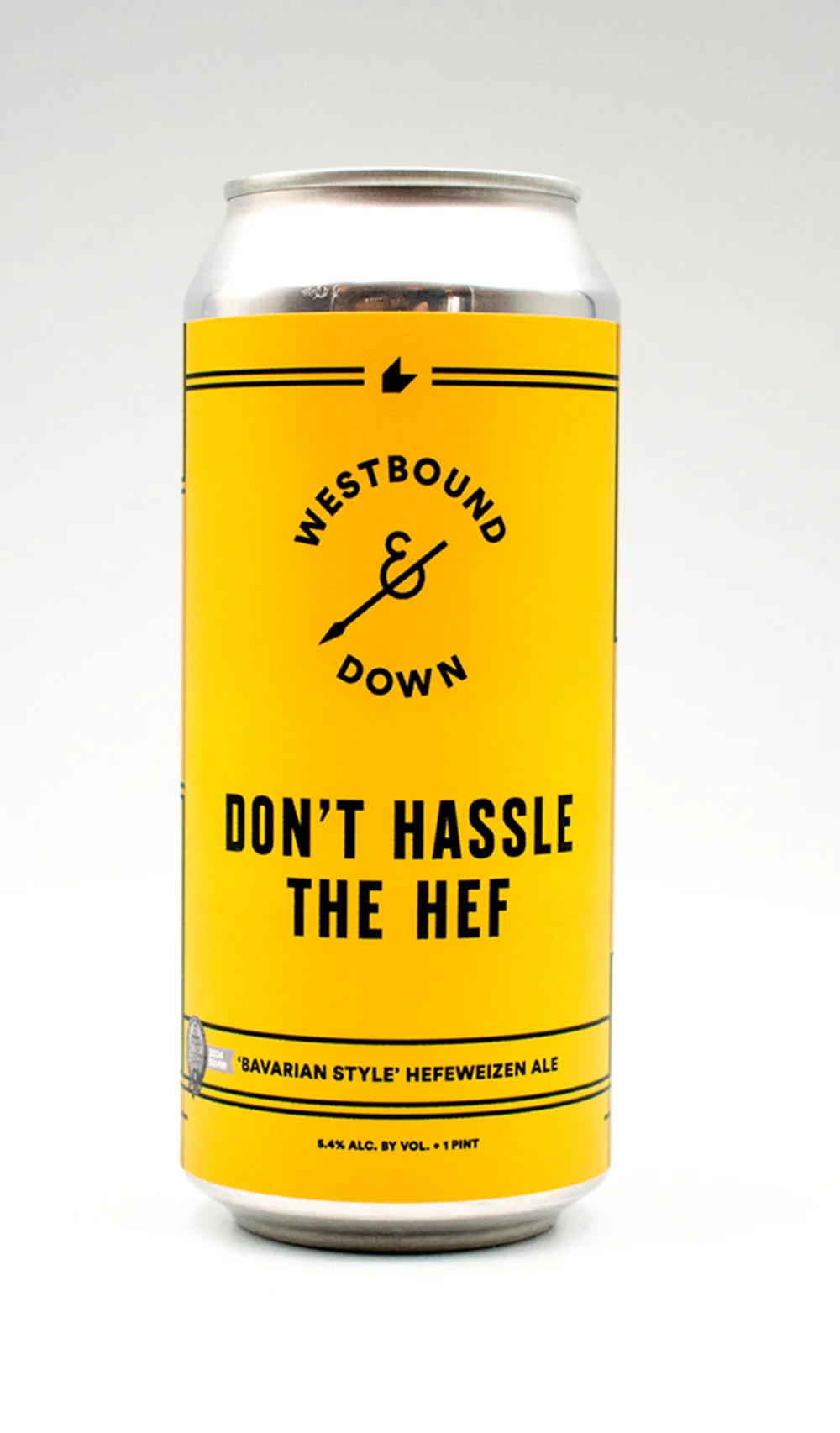
In February 2020, just weeks before the global pandemic would shutter taprooms across the United States, Josh and Heather Lange, co-founders of Newark, Ohio-based DankHouse Brewing, faced a production crisis. They had been invited to the prestigious Juicy Brews IPA festival in Pittsburgh, an event known for showcasing the cutting edge of hazy and experimental ales. Their planned entry was "Banana Peel’d," a hazy India Pale Ale brewed with banana purée that had already established itself as a local favorite. However, as the shipping deadline loomed, the Langes found the flavor profile lacking the intensity required for a national-level festival.
The logistical hurdles were significant. Bulk aseptic banana purée, the industry standard for consistent fruit flavoring, could not be sourced and shipped within the remaining timeframe. Initial experiments with store-bought bananas resulted in rapid oxidation, turning the beer an unappealing brown. Dried banana chips failed to provide the necessary aromatic punch. In a moment of creative desperation, the Langes discovered that the flavor profile of their preferred industrial purée closely mirrored that of Gerber-brand banana baby food. This led to a "scooping party" in Newark, where the brewers cleared the shelves of every local grocery store to manually add hundreds of jars of baby food to the fermenter.
The resulting beer was a success at the festival, standing its ground alongside legendary offerings like The Alchemist’s Heady Topper. This anecdote serves as a microcosm of the broader craft brewing industry’s relationship with the banana—a fruit that was once sidelined as a brewing "off-flavor" but has now become a centerpiece of technical innovation, regulatory shifts, and high-end ingredient sourcing.
The Regulatory Shift: Bananas as a Traditional Ingredient
For decades, the use of bananas in American beer was governed by strict federal oversight. Until late 2023, the Alcohol and Tobacco Tax and Trade Bureau (TTB) did not classify bananas as a "traditional" brewing ingredient, unlike malted barley, hops, or water. This classification required breweries to submit specific formula exemptions for any recipe involving the fruit, a bureaucratic hurdle that often discouraged smaller operations from experimenting with banana-forward profiles.
However, in a significant victory for the Brewers Association and independent craft brewers, the TTB expanded its list of ingredients exempt from formula requirements. This policy change recognized the evolving nature of the American palate and the historical precedent of fruit use in global brewing traditions. By removing the administrative burden of formula approval, the TTB effectively signaled a green light for the "banana moment" currently sweeping the industry, allowing brewers to focus on the chemistry of the fruit rather than the paperwork.
The Chemistry of Scent: Gros Michel vs. Cavendish
To understand why brewers are so focused on banana flavor, one must understand the history of the fruit itself. A century ago, the American market was dominated by the Gros Michel (or "Big Mike") cultivar. This variety was rich in isoamyl acetate, a fruity ester that provides the pungent, sweet aroma associated with artificial banana flavorings found in candies like Runts or Laffy Taffy.
In the 1950s, Panama disease—a soil-borne fungus—decimated Gros Michel plantations, leading to the global adoption of the Cavendish banana. The Cavendish is more resistant to disease but possesses significantly lower levels of isoamyl acetate. This historical shift created a sensory disconnect: modern consumers often find that "real" bananas lack the intensity of "banana-flavored" products.
In the brewing world, isoamyl acetate is produced naturally by yeast during fermentation. While it is a signature component of German hefeweizens, it is often viewed as a flaw in other styles. For example, Coors Banquet is noted for a subtle banana element that develops during its specific cold fermentation process. If the temperature or yeast health is not perfectly managed, a beer can quickly veer from "pleasant fruitiness" to a solvent-like "off-flavor."
Technical Mastery: Coaxing Bananas from Yeast
For traditionalists, the goal is not to add fruit, but to force the yeast to produce banana aromas through metabolic stress. Derek Goodman, head brewer at Colorado’s Westbound & Down Brewing, has mastered this technique with "Don’t Hassle the Hef," a silver medalist at the 2024 Great American Beer Festival.
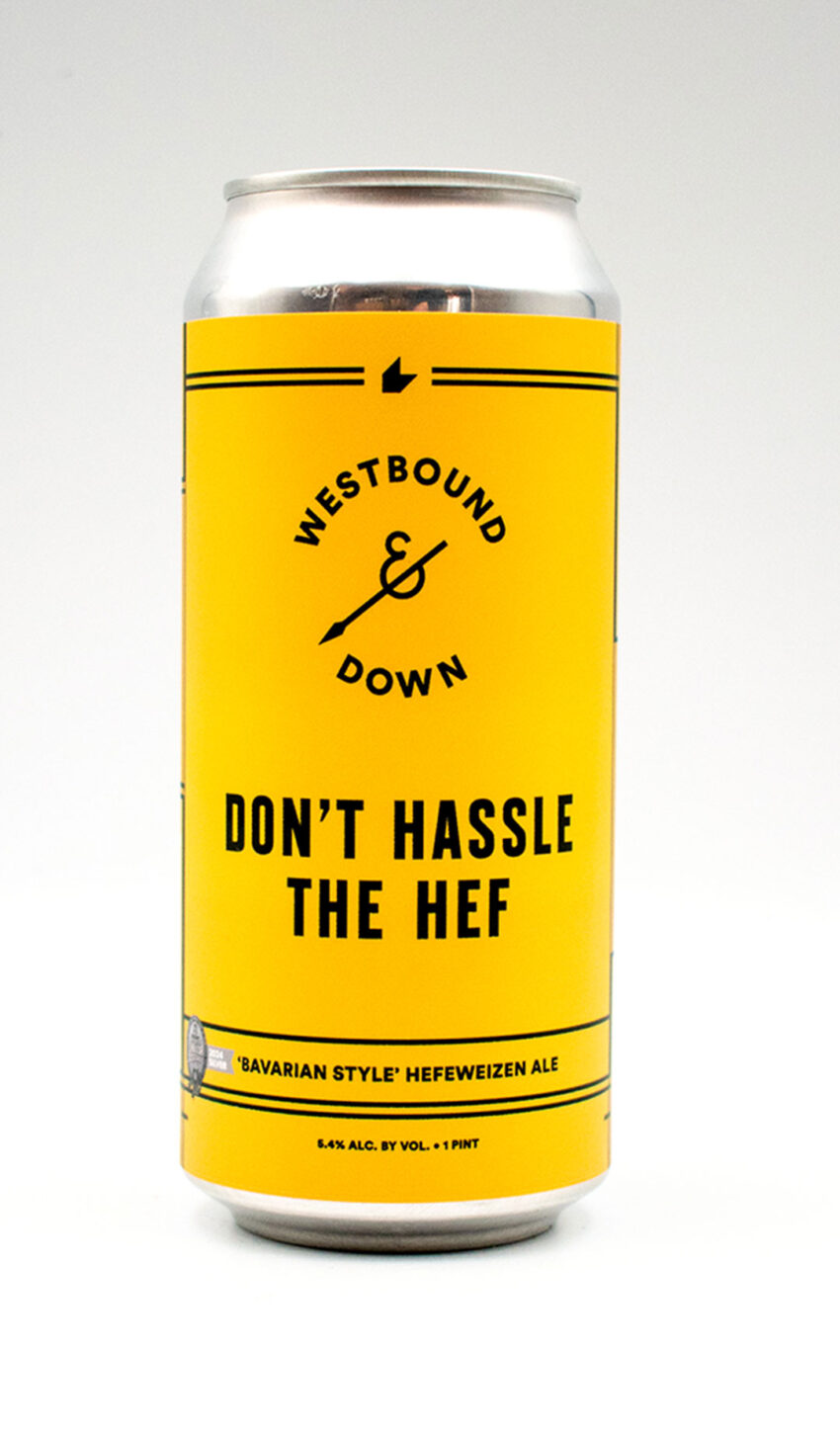
Goodman’s process involves a counterintuitive approach to yeast management. By "under-pitching"—adding only about one-third of the standard amount of yeast—and limiting oxygen exposure, he forces the yeast cells to reproduce rapidly to compensate for the lack of initial population. This reproductive stress triggers the production of high levels of fruity esters, specifically isoamyl acetate and orange-like notes. The result is a beer that smells like "banana Runts" despite containing zero actual fruit.
This trend is reflected in national supply data. Jeff Mello, founder of Nashville-based yeast suppliers Bootleg Biology and Spot Yeast, reports that hefeweizen strains are currently his second best-selling products, trailing only the ubiquitous hazy IPA yeasts. The demand has become so high that suppliers are struggling to maintain inventory, driven by events like the "Banana Brunch" at Nashville’s Fait La Force Brewing, where hefeweizens are paired with banana-based desserts.
The High-End Adjunct: Wild Thai Bananas and the Pastry Stout
While yeast-driven esters satisfy the hefeweizen market, the rise of "pastry stouts" and "smoothie sours" has necessitated more concentrated flavor sources. In these styles, brewers seek a decadent, dessert-like profile that mimics banana pudding or chocolate-dipped fruit.
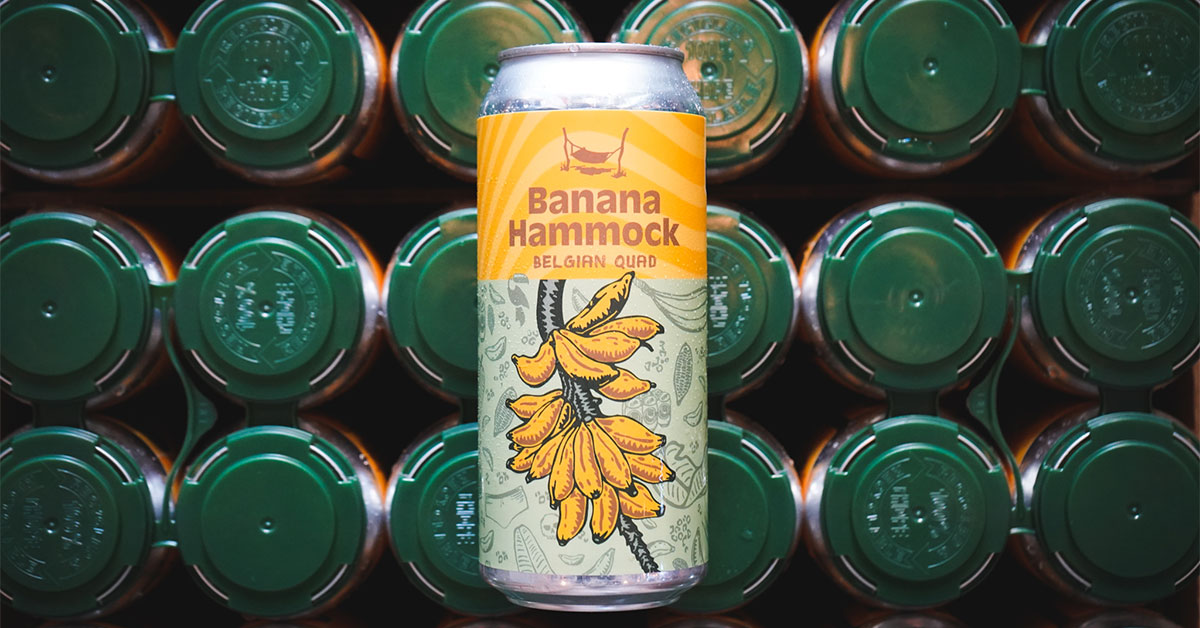
Larry Horwitz, director of brewing operations at Crooked Hammock Brewery, highlights the technical challenges of adding fruit to high-alcohol beers. To create "Banana Hammock," a 15% ABV Belgian-style quadrupel, Horwitz adds banana purée after the primary fermentation is complete. This avoids what he calls the "Cheetos dilemma": if yeast is given simple fruit sugars (junk food) at the start, it may lose its appetite for the more complex malt sugars (healthy food) needed to reach high alcohol levels.
The most sought-after ingredient for these premium beers is the wild Thai banana. Often referred to as the "Grand Cru of bananas," these dried, fructose-rich fruits are imported by specialized suppliers like Rare Tea Cellar in Chicago. Unlike fresh purée, which can add excessive moisture and unappealing thickness to a beer, dried Thai bananas provide a concentrated, caramelized flavor without altering the beer’s body or introducing fermentation flaws.
The economics of this ingredient are daunting. Matt Tarpey, co-founder of The Veil Brewing in Richmond, Virginia, utilizes Thai bananas for barrel-aged imperial stouts like "Sky Summoner." To achieve the desired intensity, Tarpey often uses more than 10 pounds of fruit per barrel of beer. With prices reaching $50 per pound—compounded by a 35% tariff on Thai imports—the cost of the fruit alone can exceed the value of the base beer. Tarpey describes these projects as a "labor of love," noting that while they are not major profit drivers, they are essential for maintaining the brewery’s reputation for innovation.
Broader Impact and Market Implications
The "banana boom" in craft beer reflects a broader shift in consumer behavior toward recognizable, nostalgic flavors. As the market for traditional styles like pilsners remains steady, the "experimental" segment of the industry is increasingly leaning into culinary-inspired recipes.
However, the trend is not without its detractors. Nick Panchamé, president of HOMES Brewery and the Smooj hard smoothie brand, notes that the thick, viscous texture associated with banana-infused beers can be divisive. "There’s a subset of people who really do hate it," Panchamé observes, referencing the "mouthfeel" that can sometimes cross the line into "slushy" territory.
Despite these divisions, the industry’s trajectory is clear. The combination of regulatory easing, technical yeast management, and the sourcing of exotic adjuncts has elevated the banana from a brewing error to a premium component. Whether through the manual scooping of baby food jars or the expensive importation of wild Thai fruit, American brewers continue to push the boundaries of how a beer can—and should—taste. As the "banana moment" persists, it serves as a testament to the industry’s ability to blend scientific precision with creative desperation to meet the evolving demands of the modern consumer.