admin
admin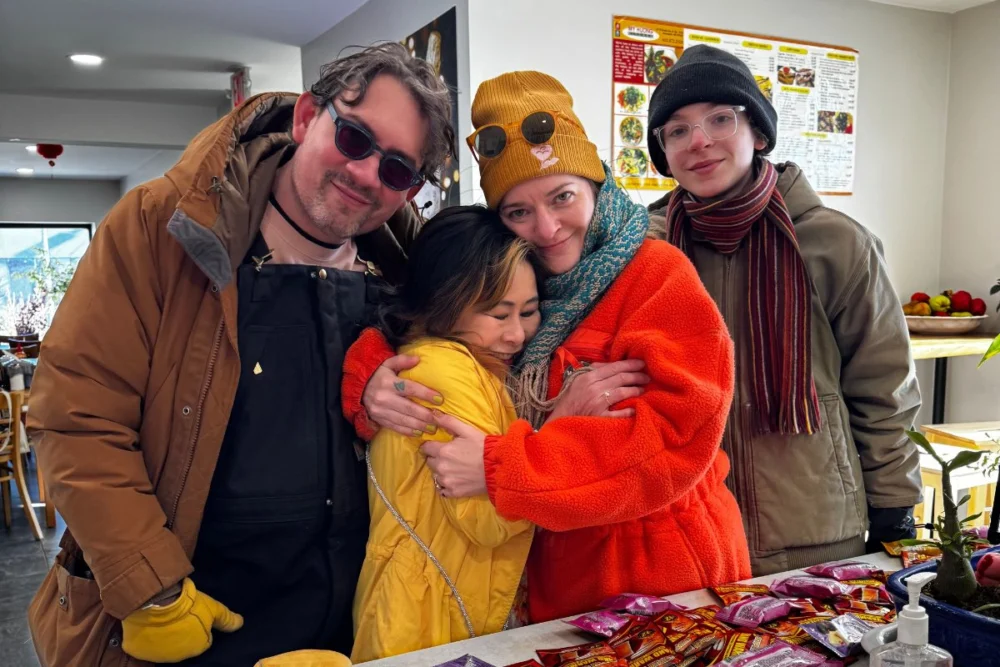
In the early days of February 2026, Minneapolis found itself at the epicenter of an unprecedented federal immigration enforcement campaign, a situation that tested the resilience of its communities and highlighted the profound impact of national policy on local life. The Department of Homeland Security (DHS) had just launched what it described as the largest immigration operation in the nation’s history, deploying an estimated 2,000 federal agents from Immigration and Customs Enforcement (ICE) and other agencies across Minneapolis and its twin city, St. Paul. This massive deployment, aimed at apprehending undocumented individuals, immediately sparked widespread fear and galvanized local residents and advocacy groups into urgent action to protect their neighbors. Amidst this tense backdrop, Tracy Wong, the proprietor of My Huong Kitchen, a beloved Vietnamese eatery, emerged as an unlikely but resolute figure of compassion, transforming her restaurant into a haven for those caught in the unfolding crisis.
The Escalation of Federal Enforcement in the Twin Cities
The federal operation, initiated in late January 2026, marked a significant escalation in immigration enforcement efforts, particularly within urban centers not typically associated with large-scale Border Patrol activities. While the specific triggers for this unprecedented surge were cited by DHS as part of a broader national security initiative to address perceived vulnerabilities in immigration enforcement, critics and immigrant rights organizations swiftly condemned the actions as an aggressive and overly broad approach that terrorized vulnerable communities. Reports from local media and advocacy groups detailed increased ICE patrols, checkpoints, and targeted raids in residential and commercial areas, leading to a palpable sense of anxiety among immigrant populations and their allies. Data from the Minnesota Immigrant Rights Action Committee (MIRAC) indicated a sharp increase in detentions and deportations during this period, with dozens of families reporting sudden separations and disruptions to their lives. The fear was compounded by a lack of transparency regarding the scope and duration of the operation, leaving many residents uncertain about their safety and legal rights.
This intense enforcement environment placed immense pressure on Minneapolis and St. Paul, cities known for their diverse immigrant communities and a history of progressive social activism. Local government officials, including Minneapolis Mayor Jacob Frey and St. Paul Mayor Melvin Carter, expressed serious concerns about the federal presence, emphasizing the potential for social unrest and the erosion of trust between law enforcement and immigrant communities. While acknowledging the federal government’s jurisdiction, they called for restraint and greater coordination to minimize community disruption. However, the federal agencies maintained their operational autonomy, citing national mandates for immigration control.
A Day of Tragedy and Community Outcry
The simmering tensions reached a boiling point on January 31, 2026, with a tragic incident that sent shockwaves through the city. Alex Pretti, a Minneapolis resident, was shot and killed by Border Patrol agents in the city’s Whittier neighborhood. The exact circumstances surrounding Pretti’s death remained contested, with federal authorities asserting the agents acted in self-defense during an encounter, while eyewitnesses and community advocates described a disproportionate use of force. The incident ignited immediate and furious protests, drawing hundreds of residents to the scene despite the brutally cold Minnesota winter conditions, with temperatures plummeting well below freezing and dangerous wind chills.

As protestors converged, demanding answers and accountability, federal agents reportedly deployed tear gas canisters into the crowds, exacerbating an already volatile situation. The chemical irritants caused widespread respiratory distress and impaired visibility, forcing many to flee the immediate vicinity. It was in this chaotic and dangerous environment that Tracy Wong’s My Huong Kitchen, located just a block away from the shooting site, became an unexpected beacon of refuge.
My Huong Kitchen: A Haven in the Storm
Tracy Wong, a 60-year-old business owner with a lifetime commitment to helping others, was at her nearby home caring for her elderly parents when news of the shooting broke. Her immediate concern was for her employees and the safety of her establishment. Rushing to My Huong Kitchen, she found herself in the midst of a rapidly escalating crisis. Despite urgent pleas from others within the restaurant to secure her doors and seek safety, Wong’s innate compassion took over. "I cannot go anywhere," Wong recalled saying, her resolve firm. "I have to stay in here, inside the restaurant, so I make sure that everybody is okay."
Instead of locking her doors, she flung them open, offering a desperate sanctuary to protestors, journalists, and local residents fleeing the tear gas and biting cold. The warm, inviting aroma of Vietnamese spices mingled with the acrid scent of tear gas clinging to clothes as people streamed in, seeking respite. Wong, without hesitation, provided warmth, hot tea, and a sense of safety that was starkly absent on the streets. Her actions embodied a profound commitment to community welfare, transcending the typical role of a restaurateur. This spontaneous act of kindness resonated deeply, turning her establishment into a de facto community center during a moment of profound need.
The Viral Spread of Compassion
Among those who found refuge at My Huong Kitchen were Samie Solina and Mitchell Yehl, journalists from local news station KARE 11. Witnessing Wong’s extraordinary generosity firsthand, Solina captured a poignant video of Wong urging people into her restaurant and shared it on Instagram. The video quickly went viral, transforming Wong into an overnight community hero. Within hours, it garnered over 180,000 likes and nearly 5,000 comments, a testament to the powerful impact of her actions. Commenters flooded the post with testimonials, many sharing their own positive experiences with Wong over the years. "Been eating here for more than 10 years and she has always been the kindest," one commenter lauded. Another movingly recounted, "She sheltered my sister and I. Gave us water, hand warmers, and even some food while the street was full of tear gas. She is so kind and loving!"
This outpouring of digital appreciation quickly translated into tangible support. The story of My Huong Kitchen became a symbol of grassroots resistance and humanitarian aid in the face of federal enforcement. It underscored the crucial role that local businesses often play as community anchors, particularly during times of crisis.

The Broader Human Toll of Enforcement
Wong’s empathetic response was not merely an isolated act; it stemmed from a deep understanding of the vulnerabilities within immigrant communities, a reality she witnessed daily. She shared with Civil Eats a heartbreaking account of a former employee, Maria, whose husband and sister were apprehended by ICE during the ongoing operation. Left to care for her two children and her sister’s child, Maria eventually made the agonizing decision to leave the country, fearing that she too would be taken, leaving her children without a caregiver. Wong recounted her desperate pleas to Maria: "I keep begging her. I say, ‘I find my way to support you with three kids. Hold on tight, hold on tight.’" Despite Wong’s offers of support, Maria ultimately departed weeks later, a poignant example of the invisible costs and familial separations caused by large-scale immigration enforcement. This incident deeply affected Wong, reinforcing her conviction that she must continue to help, even when physically and emotionally exhausted. "Even though I don’t eat, I don’t sleep," Wong said, her voice heavy with emotion, "I still go help. I still go to work."
A Legacy of Culinary Care
Wong’s commitment to nourishment and community stems from her own life story. Born in Vietnam to Chinese parents, she learned to cook at the tender age of 11, preparing meals for her parents and eight siblings because the family "could not afford to go out to eat." This early immersion in Vietnamese cuisine, from rich curries to aromatic pho, instilled in her a lifelong passion for food as a source of comfort and connection. After immigrating with her family to Minnesota in the 1980s and spending several years in California with her husband and son, she returned to Minneapolis in 2012 to establish My Huong Kitchen. Her restaurant quickly gained a reputation for its authentic bahn mi sandwiches, pho, and noodle salads, becoming a beloved local institution long before the crisis.
The restaurant’s menu, a vibrant tapestry of Vietnamese flavors, reflects Wong’s heritage and her dedication to sharing her culture through food. This culinary tradition, rooted in family and community, provided the perfect foundation for her restaurant to become a haven when crisis struck.
An Outpouring of Sustained Support
The immediate aftermath of the shooting and the viral video saw an immense wave of support for Tracy Wong and My Huong Kitchen. Her niece quickly launched a GoFundMe campaign titled "Standing with Tracy: Love and Pho for the Community," which swiftly surpassed its goals, accumulating $31,000 within a week. These funds were earmarked to address the restaurant’s operational needs, including staff wages, critical appliance replacements, and restocking inventory, ensuring My Huong Kitchen could continue serving its community without financial strain.

Beyond monetary contributions, the community rallied in person. A continuous stream of patrons, journalists, and concerned citizens flocked to the restaurant, not just to dine, but to express their gratitude and solidarity. Wong described the experience as "overwhelming in the most beautiful way," noting that her body felt "excited day and night because it seems like people all around the world are loving and supporting me." The surge in demand was so significant that the restaurant, typically operating with a specific schedule, had to adjust, opening later on Sundays and temporarily adopting a limited menu to manage the overwhelming volume and allow for necessary prep time.
Wong’s generosity, however, knew no bounds. Even on Mondays, typically a day of rest for My Huong Kitchen, she opened her doors in the first week of February. This time, it wasn’t for her regular menu, but to offer free coffee, donuts, and cookies, graciously supplied by Shuang Hur Supermarket, an adjacent Asian grocery store. This collaborative effort further highlighted the strong community bonds in the neighborhood. As Wong spoke with Civil Eats, a resident entered, eager to support her business. When asked what she could do for Wong, the restaurateur’s reply was simple and profound: "To eat, to drink, to be happy, to be safe."
Implications and the Path Forward
Tracy Wong’s story at My Huong Kitchen has become a powerful narrative of local resilience in the face of federal enforcement, underscoring several critical implications. Firstly, it highlights the essential role that small businesses, especially restaurants, play as social and cultural hubs within their communities. They are not merely commercial entities but often serve as de facto community centers, providing a sense of belonging and safety. Secondly, the rapid viral spread of Wong’s actions demonstrates the profound capacity of social media to amplify acts of kindness and galvanize support, transcending geographical boundaries. This digital solidarity proved instrumental in shoring up My Huong Kitchen’s financial and moral standing.
Furthermore, the events in Minneapolis brought into sharp relief the ongoing national debate surrounding immigration policy and enforcement. While federal agencies emphasize the importance of national security and adherence to immigration laws, local communities and advocacy groups consistently point to the human cost of aggressive tactics, including family separation, economic disruption, and the erosion of trust. The tragedy of Alex Pretti’s death and the subsequent community response underscored the need for greater transparency, accountability, and a more humane approach to immigration enforcement.
Wong’s unwavering philosophy, articulated simply as, "Whatever I do, like right now, I do with love. I like to tell everyone that. . . . When people need help, please help them," serves as a poignant reminder of the enduring power of human compassion. In a climate of fear and division, My Huong Kitchen stands not just as a place to eat, but as a testament to the belief that community solidarity and acts of kindness can offer hope and refuge, even amidst the most challenging circumstances. Her story is a testament to the fact that even in the face of overwhelming federal power, the human spirit of mutual aid and love can, and must, prevail.