admin
admin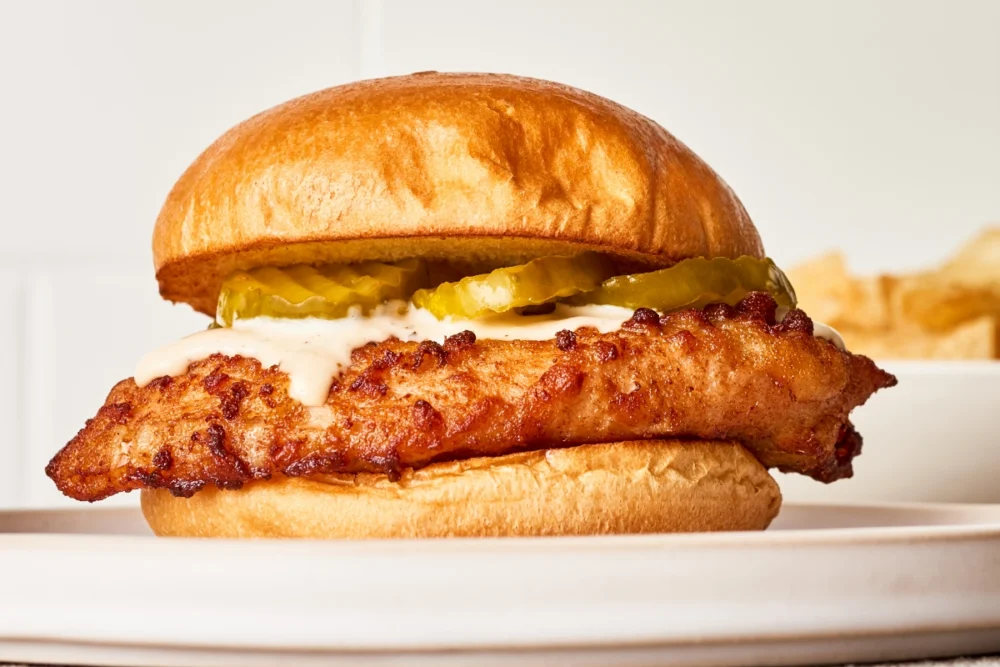
The American restaurant landscape has undergone a seismic shift over the last half-decade, driven by a combination of surging consumer demand for premium poultry and a tightening labor market that has left many back-of-house operations struggling to maintain consistency. In response to these dual pressures, Hormel Foodservice has introduced its FLASH 180™ Battered Sous Vide Chicken line, a product designed to bridge the gap between "from-scratch" quality and the operational necessity for speed and safety. This "speed-scratch" solution arrives at a critical juncture for full-service restaurants (FSRs) that are attempting to capitalize on the "chicken sandwich wars" without overextending their kitchen staff or compromising on the culinary standards that define their brands.
The Evolution of the Fried Chicken Trend
The current dominance of fried chicken on American menus is not merely a passing fad but a sustained market evolution. According to recent data from Datassential, fried chicken sandwiches now appear on 12.3 percent of all U.S. menus, representing a significant 30 percent growth over the past four years. This growth trajectory was accelerated by the high-profile "chicken sandwich wars" that began in 2019, which moved the item from a fast-food staple to a must-have menu anchor for mid-scale and fine-dining establishments.
Consumer awareness of fried chicken products has reached a near-universal 95 percent, with 86 percent of consumers reporting they have tried these items. This high level of familiarity means that diners have developed sophisticated palates regarding texture and moisture. For a restaurant to succeed in this category, the chicken must deliver a specific sensory experience: a high-decibel crunch on the exterior contrasted with a tender, juicy interior. Achieving this balance consistently in a high-volume environment, however, has traditionally required skilled labor and significant preparation time.
The Operational Dilemma: Labor, Safety, and Consistency
While the demand for fried chicken is undeniable, the back-of-house execution presents a formidable set of challenges. Traditional "from-scratch" fried chicken requires a multi-stage process involving the handling of raw poultry, dredging, battering, and a lengthy frying period. This process is fraught with operational risks, beginning with food safety. Handling raw chicken requires stringent protocols to prevent cross-contamination, which can be difficult to manage during peak hours with high staff turnover.
Furthermore, the labor crisis in the hospitality sector has made it increasingly difficult to find and retain line cooks capable of executing consistent breading and precise cook times. If a chicken breast is in the fryer for even a minute too long, it becomes dry and unpalatable; if it is removed too soon, it poses a health risk. This variability leads to "ticket lag," where the long cook time for raw chicken—often six to ten minutes—slows down the entire kitchen’s output and increases table turn times.
Hormel Foodservice identified this "pain point" as the primary barrier preventing FSRs from fully optimizing their poultry offerings. The challenge was to create a product that felt and tasted like it was prepared in-house but functioned with the efficiency of a pre-prepared component.
The Science of FLASH 180: A Sous Vide Breakthrough
The innovation behind the FLASH 180™ line lies in the application of sous vide technology to battered poultry. Sous vide, a French method of cooking food in a vacuum-sealed pouch at a precise, low temperature in a water bath, has long been a staple of fine dining for its ability to produce perfectly cooked proteins. Hormel’s innovation team, led by Director of Marketing Blake Flores, reimagined this process for the high-volume commercial kitchen.
The FLASH 180™ Battered Sous Vide Chicken is submerged in a homestyle wet batter and then cooked sous vide. This process ensures the chicken is fully cooked and pasteurized while remaining exceptionally juicy. Crucially, the sous vide temperature is controlled so that it cooks the protein without activating the leavening agents in the batter. This allows the batter to remain "dormant" until it hits the restaurant’s deep fryer.
When an order is placed, the kitchen staff simply thaws the chicken and drops it into the fryer. The batter crisps up in just 120 to 180 seconds—hence the "FLASH 180" branding. This reduces the cook time by more than 50 percent compared to raw or traditional breaded options. Because the chicken is already fully cooked, the fryer’s only job is to provide texture and heat, eliminating the risk of serving undercooked meat and ensuring a consistent result regardless of the cook’s experience level.
Strategic Innovation Through an Operator-First Lens
The development of the FLASH 180™ line was driven by what Hormel calls an "operator-first mindset." Blake Flores noted that the company’s lack of a legacy in traditional pre-fried, frozen chicken breast manufacturing actually served as a competitive advantage. Without decades of investment in older, less efficient breading technologies, the team was free to look at the problem through a modern lens.
"Our deep understanding of operators’ pain points and needs helps us dial in our innovative efforts," Flores stated. He emphasized that the company relied heavily on "boots-on-the-ground" data from their direct sales team, who observed the daily struggles of kitchen managers firsthand. The goal was to solve for the "real-world" chaos of a Friday night dinner rush, where speed and reliability are more important than theoretical kitchen ideals.
By providing a neutral flavor profile and a light, wet batter, Hormel also addressed the need for culinary customization. Modern chefs are often hesitant to use pre-breaded products because they lack a "signature" feel. The FLASH 180™ product acts as a blank canvas; chefs can apply their own seasoned flour, panko, or spice blends before frying, or toss the finished product in signature sauces. This allows the restaurant to claim the dish as a "speed-scratch" creation rather than a generic frozen item.
Economic Impact and Real-World Implementation
The financial implications of switching to a sous vide battered product are significant, particularly when considering the "total cost of ownership" for a menu item. While the unit price of a premium, sous vide product may be higher than raw chicken, the savings in labor and utility costs often offset the difference.
Mike Melby, Vice President of Purchasing for Grandma’s Saloon & Grill—a classic American restaurant group with a 50-year history—has integrated the Hormel product into his operations. Melby noted that the savings in fry time alone justify the product cost. "It’s really not a price increase at all, because otherwise you’d be paying it in labor and dissatisfied customers," Melby explained.
From an operational perspective, Tony Boen, Director of Operations at Grandma’s, highlighted the reduction in staff fatigue. By streamlining the menu to include items that require less prep but maintain high quality, the restaurant has been able to maintain its standards despite the labor shortage. Boen reported that during trial runs, customer satisfaction remained high, with the 180-second turnaround time significantly improving the flow of the dining room.
Broader Industry Implications and Future Outlook
The launch of the FLASH 180™ portfolio, which now includes 5 oz. and 3 oz. chicken breasts as well as 1.75 oz. tenders, signals a broader trend in the foodservice industry toward "high-performance" ingredients. As the "Chicken Sandwich War" enters a more mature phase, the focus for operators is shifting from merely having the item on the menu to optimizing the profitability and consistency of that item.
Industry analysts suggest that the "speed-scratch" category will continue to grow as restaurants face permanent shifts in the labor market. The ability to deliver a "craveable" experience—the golden-brown crunch and juicy interior that guests demand—without the traditional overhead of a full butchery and breading station is becoming a necessity rather than a luxury.
Furthermore, the safety benefits of fully cooked, sous vide poultry cannot be overstated in an era of heightened food safety awareness. By removing the handling of raw chicken from the fast-paced environment of the assembly line, restaurants can significantly reduce the risk of foodborne illness outbreaks, which can be catastrophic for a brand’s reputation.
Hormel Foodservice’s expansion into this category demonstrates a pivot toward technology-driven culinary solutions. As Flores concluded, the success of such products is measured by the thriving of the operators who use them. In an industry where margins are thin and expectations are high, the ability to serve a perfect fried chicken sandwich in under three minutes may well be the competitive edge that defines the next decade of American dining.