admin
admin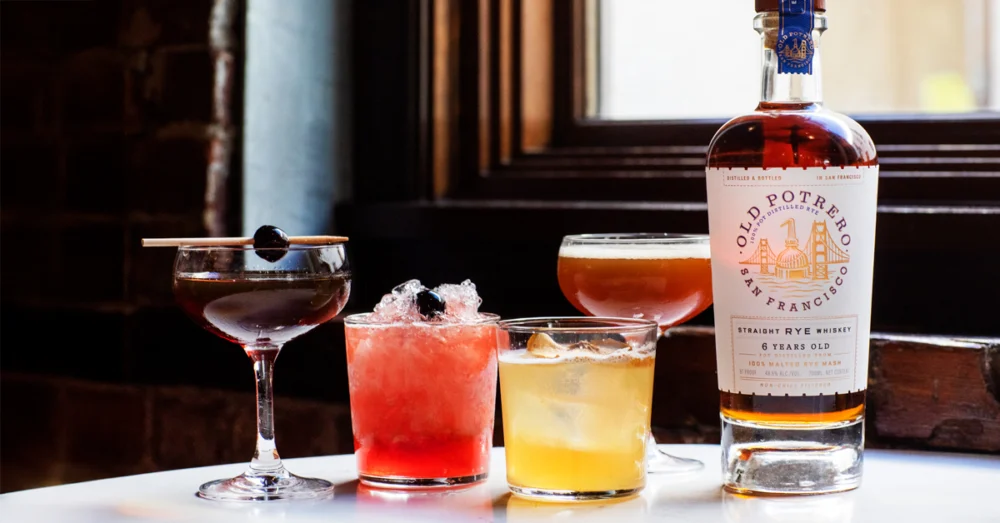
The American craft beer landscape, once defined by fervent enthusiasts camping outside taprooms for limited-edition "hazy" IPAs, is undergoing a fundamental transformation. For over a decade, the industry enjoyed exponential growth, driven by a consumer base that valued "freshies"—hyper-local, small-batch canned releases. However, the post-pandemic era has introduced a starkly different reality. Recent data from the Brewers Association indicates that in 2024 alone, 399 breweries across the United States shuttered their doors, while overall production fell by 2%. This downturn is not merely a cyclical dip but a reflection of a permanent shift in consumer behavior, particularly among younger demographics like Gen Z, who are increasingly gravitating toward non-alcoholic options, ready-to-drink (RTD) cocktails, and THC-infused beverages. In response to these headwinds, several of the nation’s most prominent craft breweries are pivoting toward a new frontier: the world of craft spirits.
The transition from brewing to distilling is more than a survival tactic; it is a logical evolution rooted in the technical commonalities of the two crafts. For many established brewers, the realization that they were already performing the majority of the work required to produce whiskey served as the primary catalyst for expansion. This strategic diversification allows breweries to leverage their existing expertise in fermentation and grain management while capturing a share of the burgeoning spirits market, which has consistently gained market share over beer for several consecutive years.
The Economic Landscape and the "Craft Beer Plateau"
The contraction of the craft beer market in 2024 marks a significant milestone in the industry’s timeline. After years of saturation, the "craft beer plateau" has forced a reckoning. According to industry analysts, the 2% drop in production represents millions of barrels of lost volume, much of which has shifted toward the spirits and "fourth category" beverage sectors (which include hard seltzers, kombuchas, and canned cocktails).
The demographic shift is perhaps the most pressing challenge. Generation Z consumes significantly less alcohol than previous generations, and when they do indulge, they often bypass traditional beer in favor of spirits-based RTDs or functional beverages. For a brewery that built its reputation on 16-ounce cans of high-alcohol IPA, the need to adapt has never been more urgent. JC Tetreault, co-founder of Boston-based Trillium Brewing, noted that the realization of this shift came early in their journey. Founded in 2013, Trillium was at the forefront of the New England IPA craze, yet Tetreault recognized that their infrastructure was "about 90% of the way to being a whiskey distiller" within the first two years of operation.
The Technical Synergy: From Mash to Spirit
At its core, the production of whiskey begins with a "wash" or "mash," which is essentially an unhopped beer. Brewers already possess the expensive equipment—milling machines, mash tuns, and fermentation tanks—required to create this base. The primary difference lies in the final stages: while a brewer adds hops for bitterness and aroma before boiling and fermenting, a distiller takes the fermented liquid and runs it through a still to concentrate the alcohol.
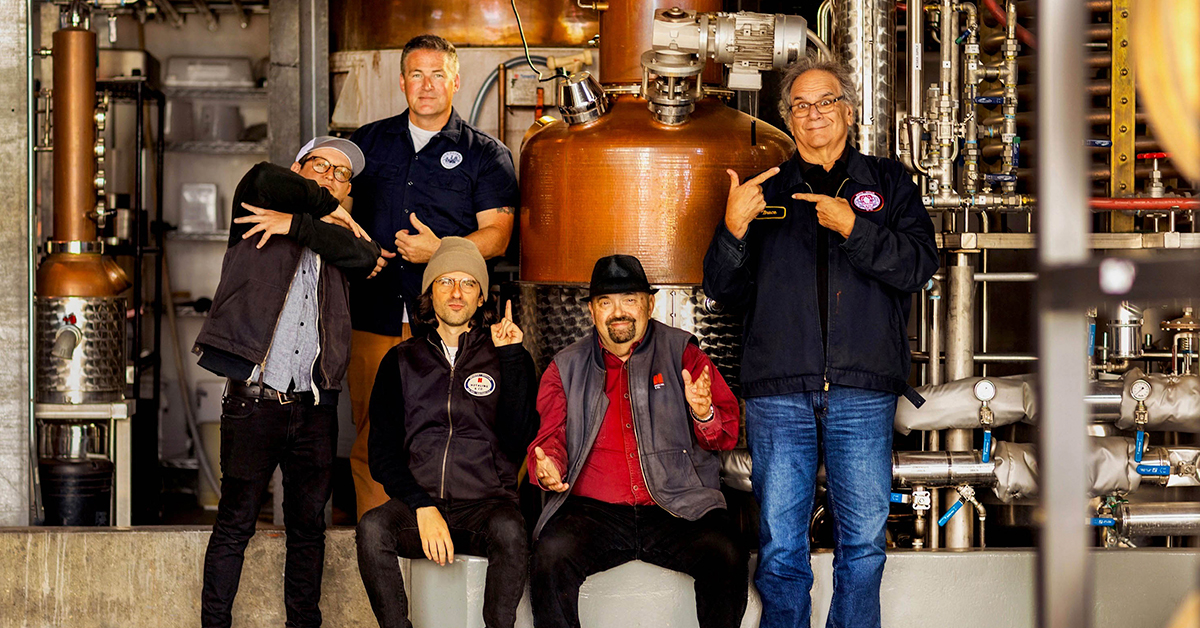
John Britton, who leads the distilling program at Tree House Brewing Company in Charlton, Massachusetts, emphasizes that "all good spirits start from a good mash." Britton, who brought experience from renowned distilleries such as St. George Spirits and Ann Arbor Distilling, argues that the world’s best breweries already have the foundational skills to produce world-class spirits. The expertise in sourcing high-quality grains, managing yeast health, and controlling fermentation temperatures translates directly to the distillery floor. However, the process is not without its nuances. Whiskey mashes often utilize a higher percentage of unmalted grains compared to traditional beer recipes, requiring brewers to refine their approach to grain bills and enzyme conversion.
A Chronology of the Brewery-Distillery Hybrid
While the current wave of breweries-turned-distilleries feels like a reaction to modern market pressures, the hybrid model has deep roots in American craft history. Several pioneers recognized the potential for spirits decades ago:
- 1993: Anchor Brewing, often cited as the father of the American craft beer movement, launched Anchor Distilling (now Hotaling & Co.). Their release of Old Potrero, a single malt rye whiskey, was a landmark moment for craft spirits.
- 2003: Oregon’s Rogue Ales established Rogue Spirits, eventually becoming one of the few operations in the country to copper its own barrels, ensuring total vertical integration.
- 2005: Michigan’s New Holland Brewing added distilling to its portfolio, successfully bridging the gap between its popular "Dragon’s Milk" stout and its line of bourbon and gin.
- 2006: Ballast Point in San Diego opened the city’s first post-Prohibition distillery. The spirits arm, later rebranded as Cutwater Spirits, became so successful that it was a key factor in the brand’s eventual billion-dollar acquisition and was later spun off and sold to Anheuser-Busch in 2019.
These early adopters proved that a brewery’s brand equity could successfully carry over into the spirits aisle, providing a roadmap for contemporary giants like Trillium and Tree House.
Case Studies: Trillium and Tree House Brewing
Trillium Brewing’s expansion into spirits was a calculated move to offer a "breadth of offerings" rather than a panicked reaction to declining beer sales. Despite having multiple locations and a farm, the regulatory hurdles were significant. Massachusetts law required a completely separate distilling space and a distinct license. Today, Trillium’s spirits portfolio includes gin, vodka, rum, amaro, vermouth, and orange liqueur. This variety has allowed the brewery to transform its Fort Point taproom into a multi-faceted destination, featuring the Headroom Hi-Fi Cocktail Lounge. This space has successfully attracted a demographic that may have outgrown the "beer geek" phase or never engaged with craft beer in the first place.
Similarly, Tree House Brewing Company, widely considered one of the most successful craft breweries in the country, has embraced distilling with the same "artful spirits at scale" philosophy that drove its beer production. Since 2021, Tree House has focused on "grain to glass" spirits, such as their Old Growth Bourbon and Rye, which utilize exclusively New England grains. By leveraging their existing canning lines, Tree House has also entered the RTD market with canned versions of classic cocktails like the Tom Collins and Paloma. Chris Conroy, Tree House’s spirits category sales manager, notes that these products help "bridge the divide," encouraging traditional beer drinkers to experiment with spirits at a similar price point.
Regulatory Hurdles and Operational Realities
Transitioning to distilling is not as simple as installing a still in the corner of a brewhouse. The legal landscape for alcohol production in the United States is a patchwork of federal and state regulations. In many jurisdictions, "tied-house" laws—designed after Prohibition to prevent monopolies—strictly separate the production of beer, wine, and spirits.
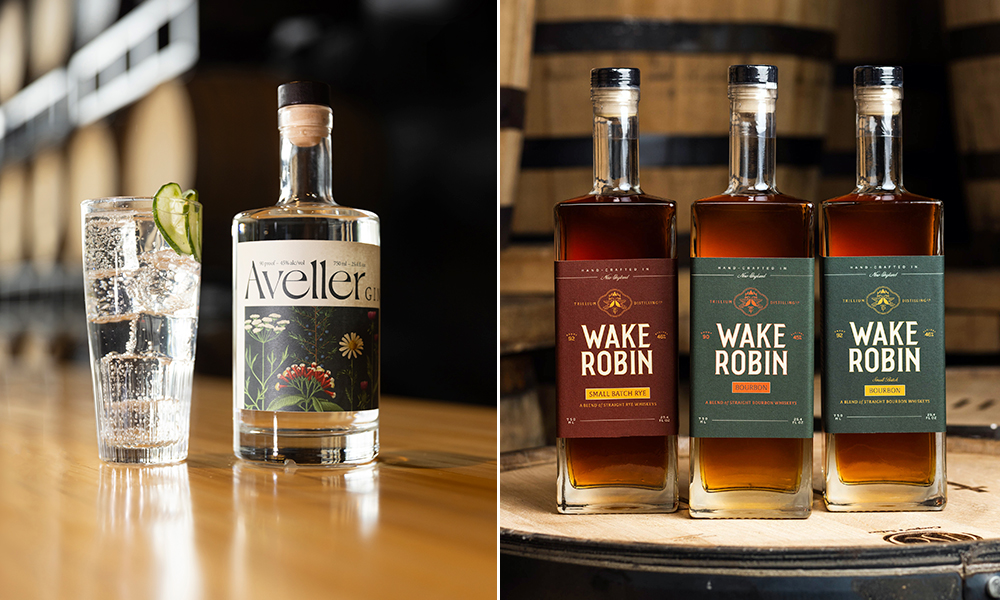
For breweries in states like Massachusetts, the requirement to produce every element of a cocktail in-house if they wish to serve them in a tasting room is a significant barrier to entry. This means if a brewery wants to serve a Negroni, they must not only distill the gin but also produce their own vermouth and bitter liqueur. While this increases the complexity of the operation, it also fosters innovation. It forces breweries to become "total beverage" companies, mastering diverse disciplines from botanical infusion for gin to the delicate aging processes required for rum and brandy.
The Strategic Impact on Brand Longevity
The shift toward spirits serves a dual purpose: revenue diversification and brand modernization. By offering a wider array of beverages, breweries can capture more "occasions." A consumer might visit a brewery for a light lager on a Saturday afternoon but return on a Friday night for a sophisticated cocktail. This flexibility is essential in an era where brand loyalty is increasingly fleeting.
Furthermore, the "premiumization" trend in the spirits industry aligns well with the craft beer ethos. Consumers who were willing to pay $20 for a four-pack of premium IPA are often the same consumers willing to pay $50 or $60 for a small-batch, locally distilled bourbon. The storytelling aspect—emphasizing local ingredients, artisanal methods, and the "maker" behind the bottle—remains a powerful marketing tool that works across both categories.
Implications for the Future of the Beverage Industry
As we move further into 2025, the line between "brewery" and "distillery" will likely continue to blur. The success of labels like Finback Brewing’s Halftone Spirits and 3 Floyds’ distilling arm suggests that the "brewstillery" model is becoming the new industry standard for mid-to-large-scale operations.
For the broader industry, this trend signifies a move toward the "Total Beverage Company" model. The most resilient businesses will be those that can pivot between categories based on consumer demand. While the era of the "beer-only" enthusiast may be waning, the appetite for high-quality, craft-produced beverages remains strong. By embracing the still, America’s craft breweries are not abandoning their roots; they are ensuring that their brands remain relevant to a new generation of drinkers who value variety, quality, and the art of the pour, regardless of whether it comes from a tap or a bottle.