admin
admin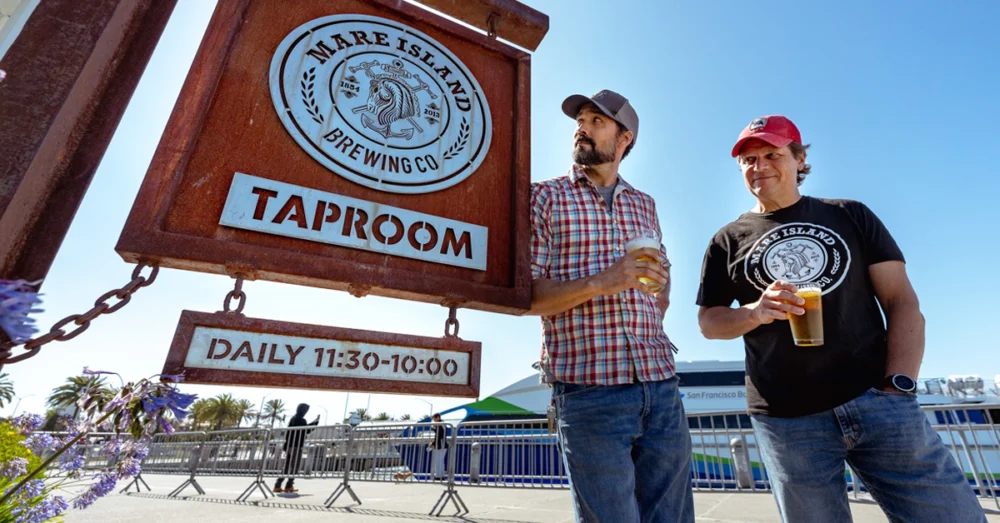
The long-standing adage within the viticulture community that "it takes a lot of beer to make good wine" has transitioned from a lighthearted cellar joke into a defining characteristic of California’s premium beverage industry. For decades, winemakers have reached for cold, crisp lagers and ales to reset their palates after a day of tasting high-acid, tannin-heavy musts and vintages. However, a growing cohort of fermentation specialists in the Golden State is blurring the lines between these two disciplines, moving beyond mere consumption to master the production of both grapes and grains. This crossover is driven by a shared mastery of fermentation science, a desire for year-round production cycles, and a unique aesthetic approach to branding that challenges traditional craft beer tropes.
The Palate-Cleansing Philosophy and the Dual-Industry Artisan
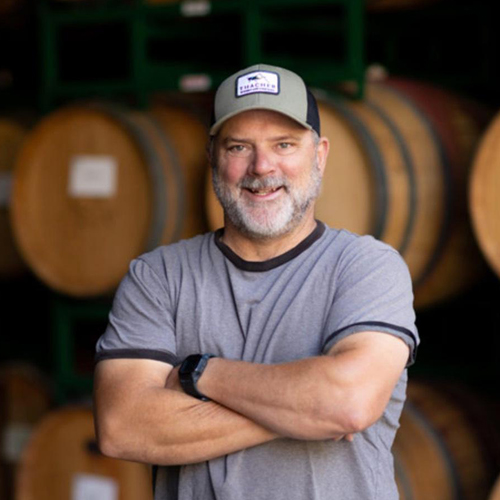
The primary driver behind the winemaker’s affinity for beer is physiological. Winemaking involves constant sensory evaluation of products characterized by high acidity and complex phenolic structures. Sherman Thacher, the founder of Thacher Winery in Paso Robles, notes that beer serves as the ultimate "refreshing palate cleanser." According to Thacher, the carbonation, lower acidity, and chilled temperature of a brew provide a necessary "change of pace" for a professional palate fatigued by the rigors of wine evaluation.
Thacher represents the veteran archetype of this dual-industry expertise. Before establishing his namesake winery on California’s Central Coast, he spent 14 years as a brewmaster at Los Gatos Brewing Company, from 1992 to 2006. His tenure there was defined by the production of traditional German-style beers, a discipline that demands extreme technical precision and cleanliness—traits that are directly transferable to high-end winemaking. As the largest producer of both wine and craft beer in the United States, California provides the ideal economic and educational infrastructure for such artisans to thrive, allowing them to pivot between industries while maintaining a focus on the fundamental chemistry of fermentation.
The Historical and Professional Evolution of Mare Island Brewing Co.
The intersection of these two worlds is perhaps most visible in the founding story of Mare Island Brewing Co. Co-founders Kent Fortner and Ryan Gibbons did not begin their careers in a brewhouse, but rather on a crush pad in Napa Valley. Their shared background in winemaking provided the vocabulary and sensory training that would eventually define their approach to beer.
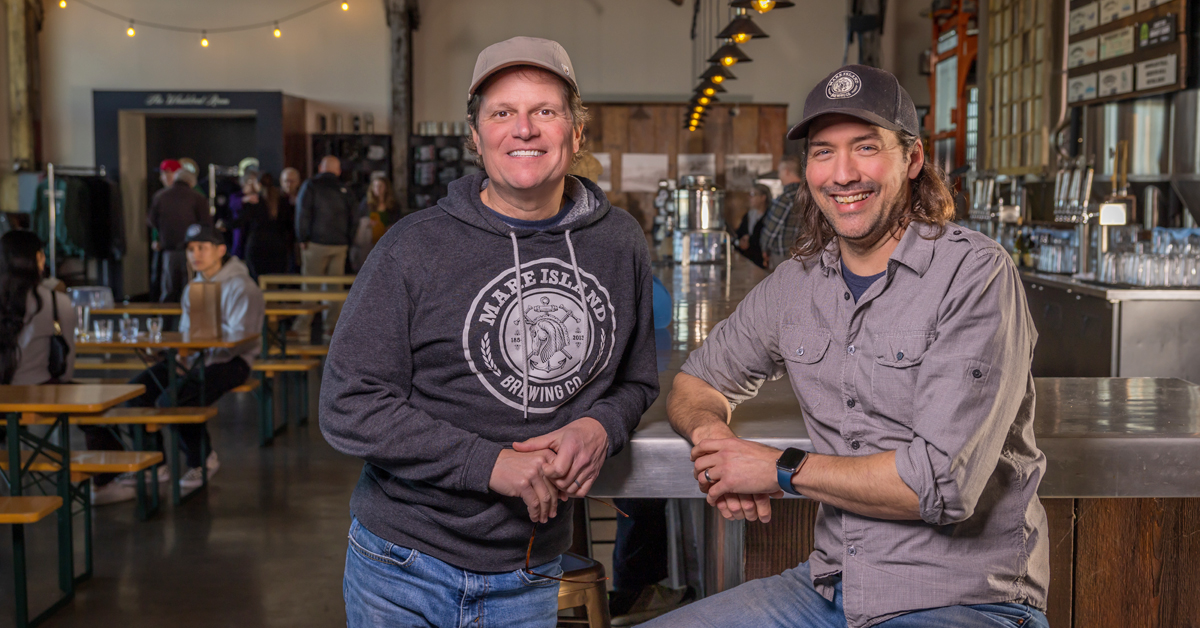
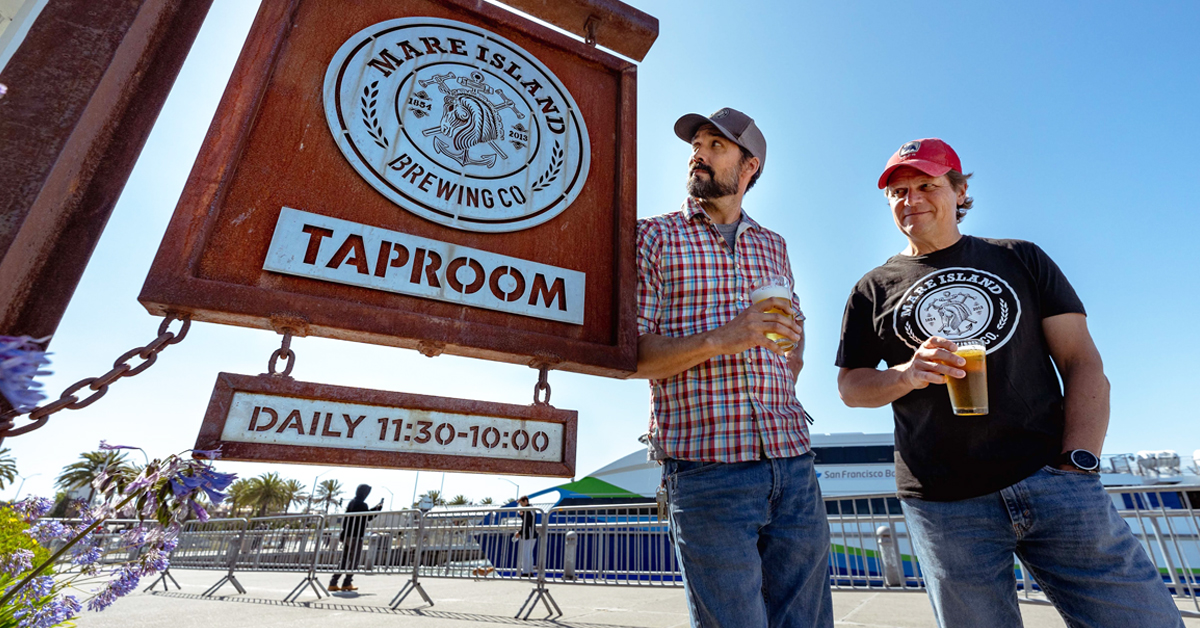
The duo launched their first commercial brew, Saginaw Golden Ale, in 2013. The name was a deliberate nod to the USS Saginaw, the first vessel launched from the Mare Island Naval Shipyard in 1854. This connection to California’s maritime history has become a cornerstone of their brand identity. Since the shipyard’s decommissioning in 1996, the area has undergone a slow transformation, and Mare Island Brewing Co. has played a pivotal role in its revitalization.
The company has expanded significantly since its inception, now operating three distinct locations: the Ferry Taproom on the Vallejo waterfront, the Coal Shed Brewery on Mare Island, and the First Street Taproom in Benicia. Despite the success of the brewery, the winemaking influence remains tangible. Fortner continues to operate Road 31 Wine Co., producing a singular, highly sought-after Napa Valley (Carneros) Pinot Noir. This dual-track career is a testament to the complementary nature of the industries; while wine offers a seasonal, vintage-driven artistic outlet, brewing provides a consistent, year-round creative platform.
Scientific Convergence and the UC Davis Connection
The transition from viticulture to brewing is often facilitated by high-level academic training. The University of California, Davis (UC Davis), widely regarded as one of the premier institutions for viticulture and enology, also houses a world-renowned Master Brewers Program. This academic overlap ensures that California’s fermentation professionals are well-versed in the nuances of yeast management, temperature control, and microbial stability.
Remy Martin, co-founder of Fogbelt Brewing in Sonoma County, utilized the UC Davis Master Brewers Program to pivot away from his family’s deep roots in the wine industry. Martin’s father, the late Dennis Martin, was a titan in California winemaking with a 30-year career at Fetzer Vineyards. While Remy Martin grew up surrounded by wine, his interest in beer was sparked during a harvest internship in New Zealand, where he and co-founder Paul Hawley began experimenting with homebrewing in a garage.
The technical skills required for both disciplines are nearly identical, though the tolerances vary. Thacher points out that while wine is somewhat more resilient due to its lower pH and higher alcohol content, the meticulous attention to detail required in brewing—where the risk of spoilage or off-flavors is higher due to lower alcohol and higher residual sugars—improves a winemaker’s overall discipline. The "brewing habits" of cleanliness and precise temperature monitoring are invaluable when applied to the cellar.
Contrasting Production Philosophies: Vintage vs. Consistency
Despite the technical overlaps, the business models and production philosophies of wine and beer diverge sharply. Martin of Fogbelt Brewing emphasizes that the two industries have different definitions of success. In the wine world, "vintage variation" is celebrated. Each year’s crop reflects the specific weather patterns, soil conditions, and harvest timing of that season, making every bottle a unique historical marker.
Conversely, the hallmark of a great brewery is consistency. Consumers expect a flagship IPA or lager to taste identical regardless of when or where it was purchased. This requires a different type of mastery—the ability to standardize biological processes across multiple batches. Furthermore, the "slow season" that exists in winemaking during the winter and spring months does not exist in brewing. Breweries operate on a constant cycle, producing fresh product weekly, which provides a more stable cash flow but demands relentless operational focus.
Branding and the Aesthetic Shift in Craft Beer
The influence of winemaking on the brewing industry extends beyond the liquid itself and into the realm of marketing and brand aesthetics. Ryan Gibbons of Mare Island Brewing Co. notes that their winemaking "lens" has led them to reject many of the common tropes found in craft beer marketing. While much of the craft beer market relies on loud, neon labels, cheeky puns, or deliberately "crass" imagery to grab attention, Mare Island has opted for a more sophisticated, understated approach.
By bringing "class and elegance" to the beer space, these winemakers-turned-brewers are appealing to a demographic that values heritage and craftsmanship. This is reflected in their taprooms as well, where wine is often served alongside beer. Mare Island, for instance, pours Fortner’s Road 31 wines and partners with Fifth Hill wines in Sonoma. This integrated approach acknowledges that the modern consumer does not exist in a vacuum; the person who enjoys a complex Pinot Noir is often the same person seeking a well-balanced, artisanally crafted ale.
Economic Impact and the Future of Fermentation Tourism
The convergence of wine and beer production has significant implications for California’s tourism economy. Regions like Sonoma, Napa, and Paso Robles are no longer just "wine country"; they are becoming comprehensive "fermentation destinations." This allows for a more diverse tourism draw, where visitors can experience a wine tasting in the morning and a brewery tour in the afternoon, often within the same facility or under the same parent brand.
According to data from the California Travel and Tourism Commission, the state’s craft beverage industry contributes billions of dollars to the annual GDP. By diversifying their offerings, producers can mitigate the risks associated with agricultural volatility. If a late frost or wildfire damages a grape crop, the brewing side of the business can continue to generate revenue, providing a critical safety net for multi-generational farming families.
Conclusion: The Unified Craft of Fermentation
The trend of winemakers entering the brewing space—and vice versa—is more than a professional "lane change"; it is a recognition that the art of fermentation is a singular, albeit diverse, discipline. Whether dealing with the sugars of a crushed grape or the starches of malted barley, the goal remains the same: the transformation of raw agricultural products into a sophisticated beverage through the careful management of biology and chemistry.
As artisans like Sherman Thacher, Kent Fortner, Ryan Gibbons, and Remy Martin continue to navigate both worlds, they are creating a new hybrid industry. This "fermentation specialist" model prioritizes technical precision, historical storytelling, and a refined aesthetic, ensuring that California remains at the global forefront of beverage innovation. While the winemaker may still reach for a beer at the end of a long harvest day, there is a high probability that the beer they are drinking was crafted with the same level of expertise and passion as the wine they just finished bottling.