admin
admin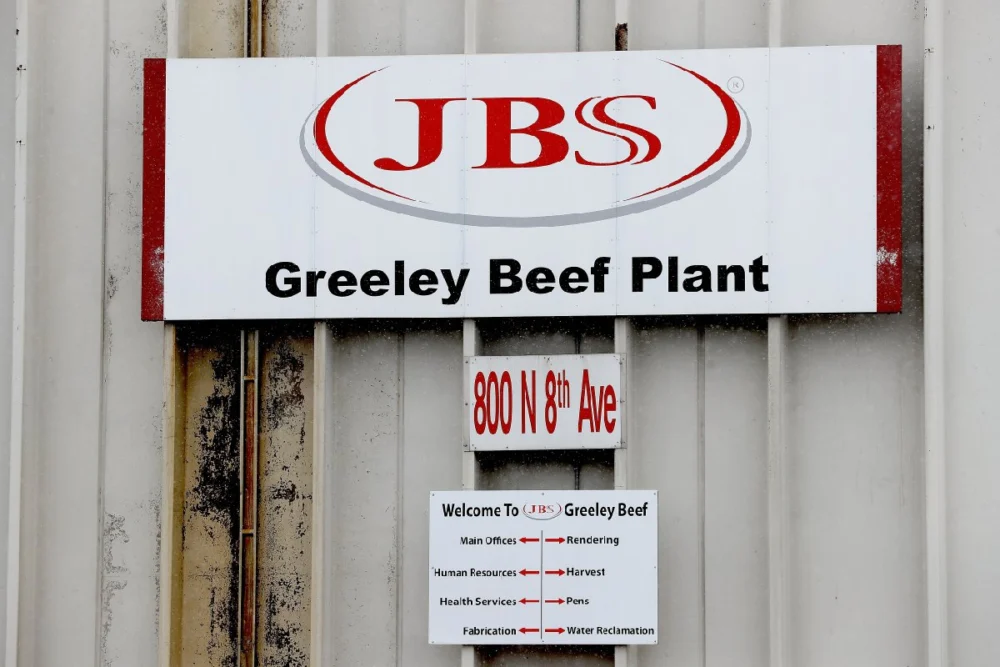
A landmark lawsuit has been filed against JBS, the world’s largest meatpacker, by three Haitian immigrants who allege widespread discrimination, dangerous working conditions, and wage violations at the company’s Swift Beef Co. plant in Greeley, Colorado. The suit, brought by Carlos Saint Aubin, Nesly Pierre, and Louise Jean-Louis, contends that JBS specifically targeted vulnerable Haitian workers through misleading recruitment tactics, then subjected them to substandard living arrangements, inadequate training, and accelerated production lines, all while operating under a hostile immigration climate that discourages workers from speaking out. This case casts a stark spotlight on the systemic vulnerabilities faced by immigrant labor within the U.S. food system, echoing similar allegations of exploitation surfacing in other agricultural sectors.
The Lure of Opportunity and a Harsh Reality
Carlos Saint Aubin’s journey to Greeley, Colorado, began in 2023 from Maryland, propelled by a TikTok video. The video, crucially delivered in Haitian Creole—Saint Aubin’s native language—promised high wages at JBS’s Swift Beef Co. plant and assured potential recruits that English proficiency was not required. It further suggested that upon arrival, housing and other essential needs would be seamlessly handled. Convinced by these assurances, Saint Aubin, like many others, embarked on a cross-country relocation, arriving at the base of the Rocky Mountains with the expectation of a stable, well-compensated new beginning.
However, the reality, as detailed in the December 2024 lawsuit, diverged sharply from these promises. Saint Aubin, alongside fellow Haitian immigrants Nesly Pierre and Louise Jean-Louis, alleges a systematic pattern of exploitation. They claim they were crammed into freezing motel rooms, often with a single bed and one bathroom shared by up to eleven strangers. Beyond the inhumane living conditions, they were allegedly charged exorbitant fees for both lodging and transportation to the JBS beef plant.
The core of their complaint extends to the workplace itself. The plaintiffs contend they received woefully inadequate training, conducted in English or Spanish—languages they did not understand. This linguistic barrier, they argue, left them critically unprepared for the physically demanding and inherently dangerous tasks on the beef processing lines. These alleged deficiencies in training directly contributed to injuries sustained by the workers, underscoring a profound disregard for their safety and well-being.
Amal Bouhabib, a senior staff attorney at FarmSTAND, a legal advocacy organization specializing in industrial animal agriculture, is representing the three workers. Bouhabib articulated the lawsuit’s central premise: "This lawsuit is about a vulnerable group of Haitian immigrants who were recruited in order for JBS to have a class of people who would be working without fully knowing their rights." She further posited that JBS’s alleged actions were driven by a desire to "increase its bottom line, to churn out more meat at more dangerous speeds at the expense of these workers’ health and safety." The lawsuit posits that the distinct and discriminatory treatment experienced by Haitian workers, compared to other racial and ethnic groups at the plant, warrants a class-action suit on behalf of potentially hundreds of Haitian individuals who endured similar circumstances.
JBS’s Official Rebuttal and Legal Strategy
In response to the serious allegations, JBS spokesperson Hailey Fishel issued an emailed statement to Civil Eats, strongly refuting the claims. Fishel asserted, "At JBS, treating our employees with dignity and respect is a core value of our company, regardless of nationality or background. We follow all employment and labor laws and take our responsibilities to our workforce seriously. Our employees choose to work with us, understand the terms of their employment, and are free to leave at any time." This statement aligns with typical corporate defenses, emphasizing adherence to legal standards and employee autonomy, a common refrain in labor disputes within the often-criticized meatpacking sector.
Further demonstrating its intent to vigorously defend against the claims, JBS filed a motion to dismiss the case in late January 2025, alongside a motion to strike. The latter motion seeks to remove specific sections of the complaint from the court record, including details regarding the general dangers of meatpacking work and the company’s past recruitment efforts. These legal maneuvers suggest JBS aims to narrow the scope of the case and challenge the factual basis of the plaintiffs’ broader arguments, potentially seeking to distance the current allegations from a wider pattern of behavior.
A Chronology of Allegations and Exploitation
The lawsuit provides a granular look into the alleged abuses, tracing a timeline of events that began in late 2023.
- Late 2023: JBS reportedly initiated its recruitment drive for Haitian workers, attracting approximately 1,200 individuals to Greeley. At the peak of this influx, over 100 Haitian workers were reportedly housed in a single 17-room motel. As conditions became untenable, Saint Aubin and about 40 others were relocated to a five-bedroom house, which allegedly lacked basic furniture, forcing them to purchase blankets and sleep on the floor.
- Ongoing: Compounding these housing issues, the workers claim they bore the full cost of their travel to Colorado, were charged recruitment fees, and then further billed for their substandard housing and daily transportation to work. Saint Aubin himself recounted going without food for two days upon his initial arrival due to a lack of funds.
- Workplace Conditions: A critical allegation revolves around workplace safety and discriminatory practices. The lawsuit claims that Saint Aubin, Pierre, and Jean-Louis were compelled to sign English-language employment paperwork they did not comprehend. Their training was similarly conducted in English or Spanish, languages foreign to them, before they were assigned to the processing lines. Most Haitian workers were concentrated on one of the plant’s two shifts. Disturbingly, the lawsuit alleges that soon after the Haitian workers’ arrival, JBS significantly increased the line speed exclusively on the shift predominantly staffed by Haitians. While the non-Haitian shift averaged 300 cattle per hour, the Haitian-majority shift reportedly averaged 370, at times reaching a staggering 440 cattle per hour.
- September 2024: UFCW Local 7, the union representing workers at the Greeley plant, released a statement detailing "potential illegal tactics and labor human trafficking violations" uncovered during their interactions with the growing population of Haitian workers. The union’s findings largely mirrored the abuses later outlined in the lawsuit, including the critical allegation of increased line speeds on Haitian-majority shifts.
- October 2024: Jean-Louis filed a discrimination complaint with the Equal Employment Opportunity Commission (EEOC) on behalf of all Haitian workers at the Swift Beef plant, an initial attempt at federal recourse.
- December 2024: The formal lawsuit was filed against JBS, alleging discrimination and wage violations, asserting that the various fees imposed on workers effectively drove their pay below legal minimums.
- Late January 2025: JBS filed its motion to dismiss the case and a motion to strike, seeking to remove specific parts of the complaint.
- Late January 2025: In a significant show of collective action, 99 percent of union workers at the JBS plant, including Haitian immigrants, voted to authorize a strike in response to what the union termed the company’s "ongoing illegal conduct at the bargaining table and inside the plant."
- February 2, 2025: A judge temporarily blocked the expiration of Temporary Protected Status (TPS) for Haitians, which was set for February 3, 2025, pending a lawsuit challenging the administration’s decision. This judicial intervention offered a temporary reprieve for many workers whose legal status was in jeopardy.
Such accelerated line speeds in meatpacking facilities are well-documented as a major contributor to higher rates of worker injuries. The demanding, repetitive nature of tasks—such as pulling intestines from carcasses and trimming fat—at these speeds allegedly left Pierre and Jean-Louis unable to fully close their fingers long after their shifts concluded. Saint Aubin, after sustaining an injury, was reportedly informed in Spanish (a language he didn’t understand) that he had to take eight weeks of unpaid leave. He claims he was unaware of his eligibility for workers’ compensation due to this language barrier.
Union Action and Broader Labor Concerns
The allegations against JBS have not gone unnoticed by organized labor. Kim Cordova, president of UFCW Local 7, condemned the situation in the union’s September 2024 statement, declaring, "What has happened to these workers, who came to our country legally in search of a better life for themselves and their families, is completely unacceptable." She called for thorough investigations by law enforcement and regulatory agencies and pledged the union’s continued efforts for accountability. The overwhelming vote to authorize a strike underscores the severity of the grievances and the collective determination to address what workers perceive as systemic abuses. This strike authorization signifies a powerful escalation of labor disputes, intertwining with the civil lawsuit to exert pressure on JBS.
Systemic Vulnerabilities: Echoes in the H-2A Program
The JBS lawsuit is not an isolated incident but rather a symptom of broader, systemic issues plaguing immigrant workers in the U.S. food and agriculture industries. Parallel legal battles highlight the persistent challenges. In early January 2025, a federal court in Michigan allowed a human trafficking lawsuit brought by Mexican farmworkers under the H-2A guest worker program to proceed. This followed a separate case in the same state in 2024, where a jury awarded six Guatemalan farmworkers over half a million dollars for abuses suffered within the H-2A program.
The Michigan case, specifically against First Pick Farms, involves Feliciano Velasco Rojas and Luis Guzman Rojas. They allege that after arriving in the U.S. in 2017 through the H-2A program, which promises specific wages and guaranteed housing, they were forcibly transferred from a North Carolina farm to Michigan. There, they and 28 other workers were allegedly coerced onto buses, photographed, given false identities, and threatened with immigration authorities if they complained. Upon arrival in Michigan, the 30 workers were reportedly crammed into a three-bedroom, one-bathroom house without beds and forced to endure long hours of labor without adequate breaks. First Pick Farms’ attorney did not comment, but the farm has denied most allegations, even claiming it never employed the workers.
Gonzalo Peralta, an attorney with the Michigan Immigrant Rights Center representing the workers, described the conditions as "brutal" and ongoing. Abigail Kerfoot, Deputy Legal Director for Centro de los Derechos del Migrante (CDM), an organization focused on migrant workers’ rights, emphasized that while this case is "more extreme," it is "in no way an exception." She highlighted the pervasive issue of fraud within temporary work visa programs like H-2A, where workers are often promised specific jobs and conditions that do not materialize.
CDM’s research, including their report "Ripe for Reform," indicates that despite many farmers using the H-2A program ethically, abuses such as labor trafficking, discrimination, and wage violations occur at high rates. This is attributed to the program’s structure, which grants workers minimal agency, making them dependent on specific employers. Companies, as Peralta noted, often outsource recruitment to agencies or individuals, like the TikTok recruiter in the JBS case, to later distance themselves from any abuses. However, Kerfoot clarified that "the law is clear in that especially when it comes to human trafficking, the companies are responsible."
The Chilling Effect of Immigration Policy
The current political climate surrounding immigration significantly amplifies the vulnerability of workers. The Trump administration’s aggressive campaigns to deport both undocumented and legally authorized immigrants have pushed many further into the shadows. This fear pervades communities, making workers hesitant to report abuses.
Amal Bouhabib of FarmSTAND underscored the immense courage required for her clients to come forward. "It’s incredible that we have people who wanted to come forward, because there are no guarantees right now," she stated, noting that even those with legal work authorization face uncertainty about their status being recognized or honored. The named plaintiffs, she believes, are "incredibly brave to have their names out there."
A critical factor in the JBS case is the Temporary Protected Status (TPS) held by many Haitian workers. The Trump administration had moved to terminate TPS for immigrants from several countries, with Haitians’ protected status set to expire on February 3, 2025. This anticipation had already led some meatpacking companies to lay off workers. However, on February 2, 2025, a judge temporarily blocked this expiration, pending a lawsuit challenging the administration’s decision. Should these legal and congressional efforts to extend TPS ultimately fail, Haitian workers could face the agonizing choice of leaving the U.S. or remaining undocumented. Bouhabib acknowledged that this precarious situation could complicate the ongoing lawsuit.
She also pointed out a broader implication: the silence of major corporations like JBS regarding the TPS status of their essential workforce. "The animal agricultural industry relies on immigrant labor, and yet none of [the companies] are at least outwardly coming to the rescue of these people," she observed, highlighting the perceived expendability of these workers to the industry.
Litigation as a Last Resort and the Path Forward
In an environment where federal agencies dedicated to civil rights and labor protections are perceived by some as less accessible or effective, litigation is increasingly becoming the primary recourse for immigrant workers. Efrén Olivares, VP of litigation and legal strategy at the National Immigrant Law Center (NILC), articulated this shift: "This government has turned every arm of its federal agencies into an enforcement machine. The only thing that’s left is the independent judiciary." Jean-Louis’s decision to pursue a lawsuit after filing a discrimination complaint with the Equal Employment Opportunity Commission (EEOC) in October 2024 further illustrates this trend.
Crucially, the legal status of workers does not impede their right to sue for violations of their rights. Olivares stressed, "All of the employment standards based on laws that Congress has put into place, those are the employers’ responsibility under the law. The immigration status of the worker is not relevant." This legal principle provides a vital avenue for justice regardless of the tumultuous immigration landscape.
Despite this, farmworkers, in particular, have historically lacked the same legal protections as other workers, with H-2A guest workers having even fewer. Paradoxically, as labor shortages persist due to heightened immigration enforcement, the expansion of the H-2A program is often presented as a solution by the administration and some lawmakers. However, recent changes to the program have raised alarms. In June 2025, the Department of Labor rolled back new protections for H-2A workers, and in October 2025, agencies eased the application process for farms while simultaneously lowering wages for guest workers.
Abigail Kerfoot of CDM condemned these changes, stating, "These moves to expand the number of visas available to employers without strengthening protections for workers and without guaranteeing oversight of the protections that already exist are really irresponsible and unconscionable. They would endanger workers and any hopes we might have for durable, real change to the United States immigration laws."
Instead, organizations like CDM propose a fundamentally new model for labor migration. This alternative would eliminate recruiters, allowing workers to apply directly for seasonal jobs through a government database. Critically, it would also grant guest workers the ability to change employers and petition for citizenship, thereby significantly increasing their agency and reducing their vulnerability to exploitation. While this remains a "pipe dream" in the current political climate, advocates like Kerfoot and Peralta remain dedicated to securing justice for their clients.
Peralta acknowledged the profound challenge: "The immigration crackdown is not altering our tactics to try to ensure that our clients are vindicated, but we also are very cognizant and recognize that it will become much more difficult for individuals to muster the courage to bring these suits. The small numbers that we were seeing initially may decrease because of the federal government’s efforts with regards to immigration enforcement."
However, Bouhabib maintains that even amidst the escalating fear that benefits large food and agriculture corporations, "some of these workers still believe in the justice system of America." The lawsuits against JBS and First Pick Farms, therefore, represent not just individual quests for justice, but also a broader struggle to uphold fundamental labor rights and ensure corporate accountability within an essential, yet often exploitative, sector of the American economy. The outcomes of these cases could set significant precedents for the treatment of immigrant workers across the nation.