admin
admin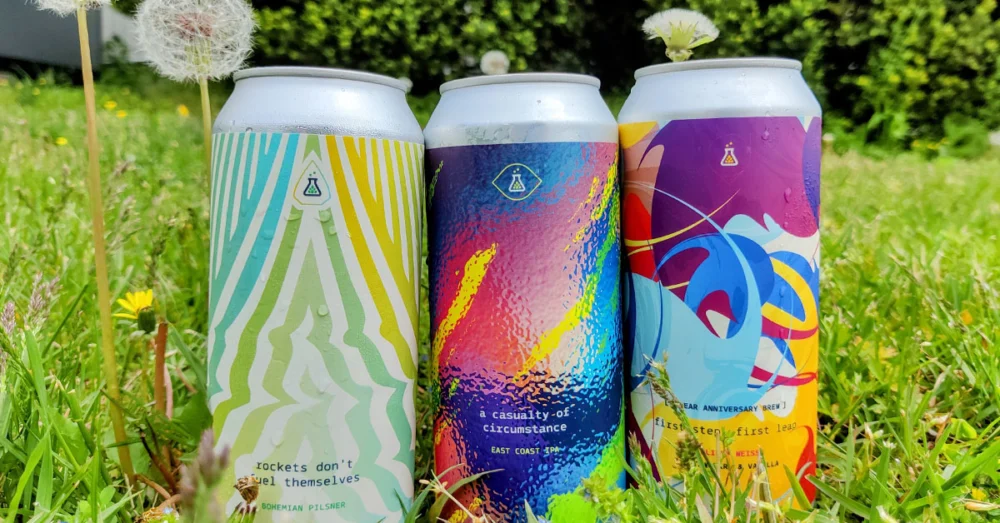
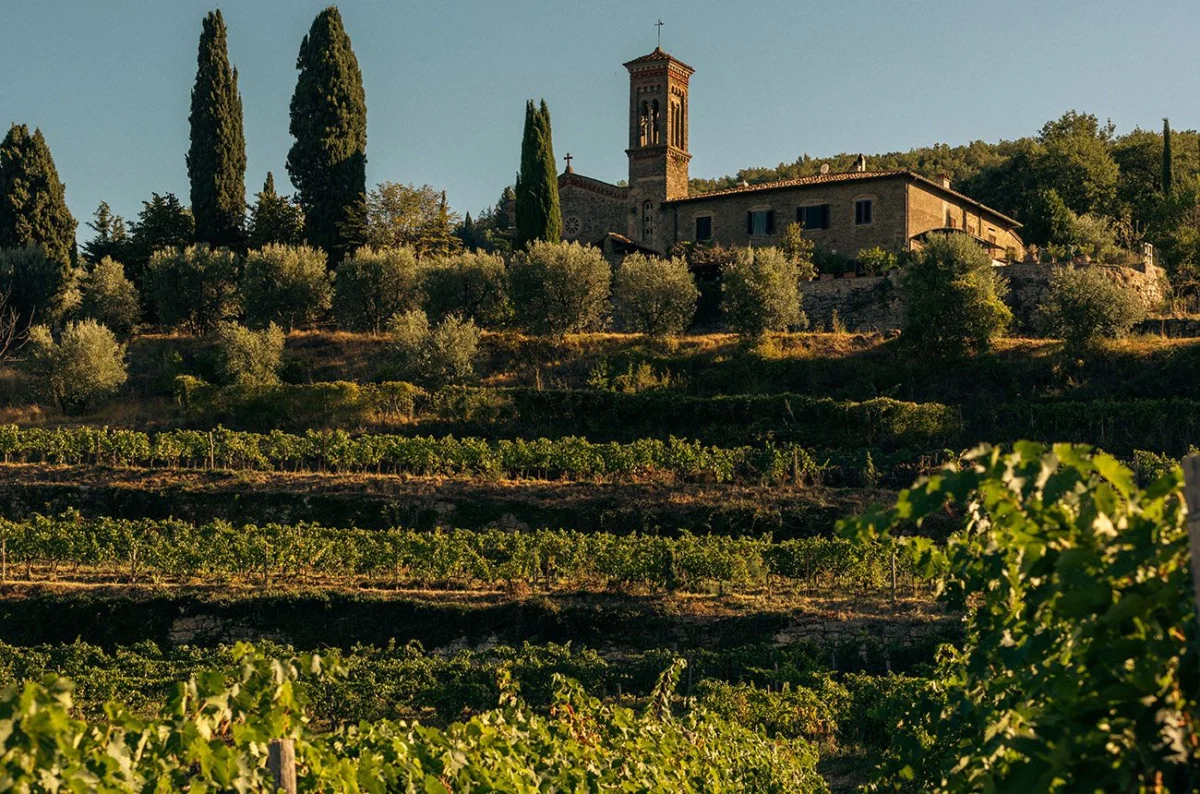
For decades, the North Fork of Long Island has been affectionately dubbed the "Napa Valley of the East." This 30-mile-long peninsula, characterized by its fertile soil and maritime climate, became the epicenter of New York’s viticulture industry, drawing millions of visitors annually to its sprawling vineyards and sophisticated tasting rooms. However, a significant shift in the region’s agricultural and tourism landscape is currently underway. While the area remains a premier destination for Cabernet Franc and Pinot Blanc, a burgeoning craft beer movement has matured into a formidable economic and cultural force. Today, the North Fork is as much a destination for IPAs, Pilsners, sours, and stouts as it is for world-class wines.
The transformation of the North Fork into a multi-faceted "alcohol trail" is the result of a decade of rapid expansion, legislative support, and a deep-rooted commitment to local agriculture. What began as a niche market has evolved into a sophisticated industry that complements, rather than competes with, the established wine trade.
The Historical Context: From Wine Dominance to a Diversified Palette
The North Fork’s journey into craft brewing did not happen overnight. For much of the late 20th century, the region’s identity was strictly tied to the grape. The first commercial vineyards were planted in the 1970s, and by the 1990s, the North Fork had established itself as a serious contender on the global wine stage.
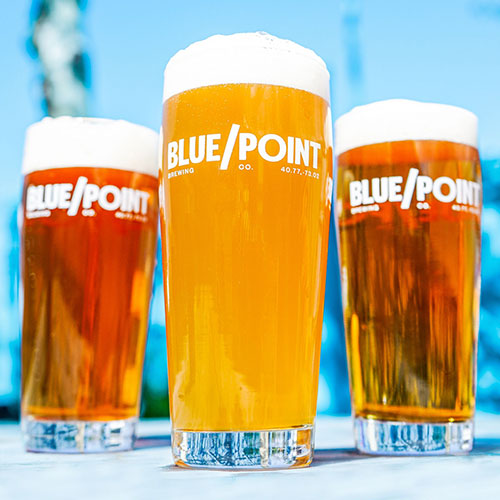
The initial spark for the craft beer movement can be traced back to 1998 with the founding of Blue Point Brewing Company in nearby Patchogue. While not located on the North Fork proper, Blue Point proved that Long Island had the palate and the market for craft suds. However, it wasn’t until 2009 that the North Fork saw the birth of its own brewing identity with the opening of Greenport Harbor Brewing Company.
The timing was fortuitous. The early 2010s saw a nationwide explosion in craft beer interest, but in New York, the movement was accelerated by the 2012 Farm Brewing Law. This legislation provided tax incentives and relaxed regulations for brewers who used a specific percentage of New York State-grown ingredients. This created a direct link between the brewing industry and the North Fork’s existing agricultural infrastructure, setting the stage for the "farm-to-glass" movement that defines the region today.
The Pioneers and the Expansion of the Craft Footprint
Greenport Harbor Brewing Company stands as the vanguard of this movement. Founded by John Liegey and Rich Vandenburgh, the brewery initially operated out of a refurbished 1800s blacksmith shop in the village of Greenport. The demand was so significant that by 2014, they expanded to a second, much larger location in Peconic.
According to Sean Galligan, head brewer at Greenport Harbor, the brewery’s growth mirrors the evolution of the region itself. The Peconic facility is a sprawling two-acre site featuring a state-of-the-art kitchen and an outdoor space designed for the modern agrotourist, complete with live music and lawn games. Galligan’s brewing philosophy heavily emphasizes the "terroir" of New York. Many of his flagship beers, such as the Harbor Ale and the Otherside IPA, utilize New York State-grown malts. More experimental offerings, like the Lucha Lager, incorporate sea salt and key limes, while the Black Duck Porter offers a rich, toasty alternative for the colder months.
The success of Greenport Harbor paved the way for a wave of specialized breweries, each bringing a unique philosophy to the North Fork. Jamesport Brewery, Eastern Front Brewing, and Twin Fork Beer Co. have all contributed to a dense ecosystem of taprooms that now dot the Main Road and Sound Avenue.
The Science of Brewing: The Case of Übergeek
A notable entry into the North Fork scene is Übergeek Brewing in Riverhead, led by owner and brewmaster Rob Raffa. Raffa’s background in physics and astrophysics provides a unique lens through which he approaches the brewing process. After honing his skills at the now-defunct Moustache Brewing, Raffa launched Übergeek, initially utilizing the production facilities of North Fork Brewing Company before securing his own taproom in early 2021.
Übergeek represents the "new wave" of North Fork brewing—one that is heavily focused on innovation and rapid scaling. Despite opening its physical doors during the tail end of a global pandemic, the brewery has seen exponential growth. Starting with just four fermenters, the facility is on track to operate 24 fermenters by the end of the current winter season, effectively doubling its production output.
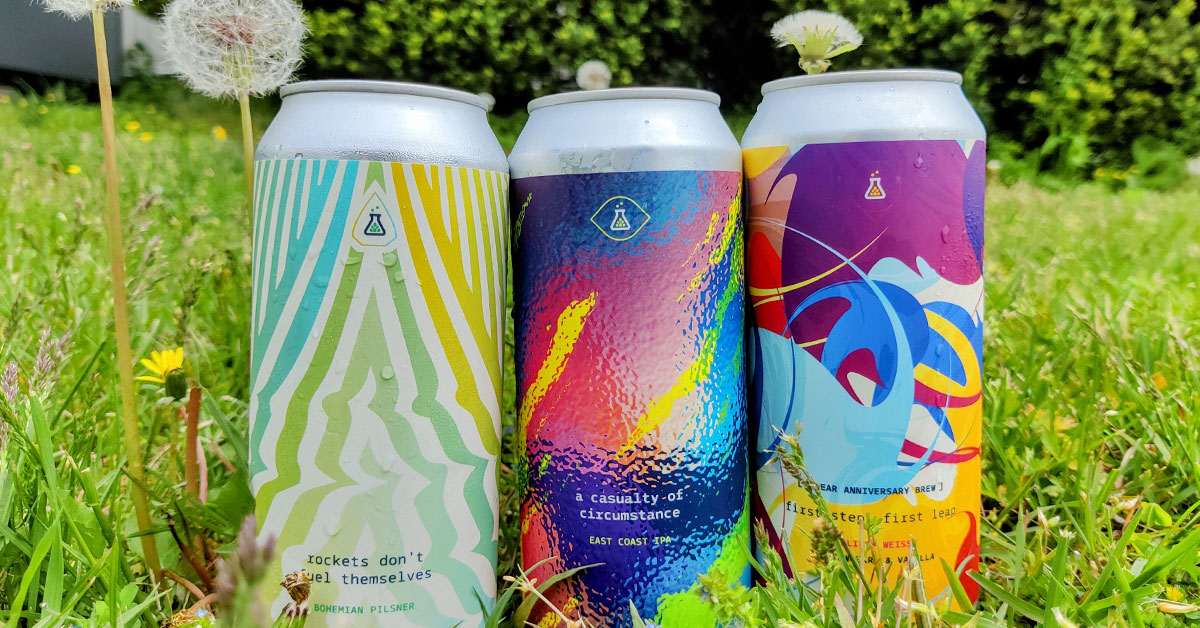
Raffa’s beers are known as much for their complex flavor profiles as they are for their existential naming conventions. Labels like "A Casualty of Circumstance" (a hazy IPA) and "Their Morality Has Always Been Subjective" (a 9% ABV powerhouse) reflect Raffa’s personal philosophy and the challenges of modern entrepreneurship. This intellectual approach to brewing has resonated with a demographic of visitors who seek a more artisanal, narrative-driven experience.
The Symbiotic Relationship Between Beer, Wine, and Soil
One of the most significant developments in the North Fork’s evolution is the lack of friction between the wine and beer industries. Rather than viewing the rise of craft beer as a threat to viticulture, stakeholders in both sectors describe the relationship as "symbiotic."
Peter Chekijian, co-founder of Twin Fork Beer Co., notes that the established wine tourism infrastructure provides a steady stream of visitors that the breweries can tap into. Twin Fork, which themes its beers around musical theory (such as the Crescendo IPA and Prelude Pilsner), benefits from the bike tours and bus groups that have frequented the wine trail for decades.
This synergy is further evidenced by direct collaborations. Greenport Harbor Brewing recently won a silver medal at the 2024 New York State Craft Beer Competition for "Collaborations," a sour beer conditioned on Carménère grapes sourced from Osprey’s Dominion vineyard. Such products bridge the gap between the two industries, offering a literal blend of the region’s agricultural outputs.
Furthermore, the brewing industry has provided a new revenue stream for local farms. Peter Barraud of North Fork Brewing Company utilizes ingredients from Peconic River Herb Farm, Herricks Lane Farm, and CJ Van Bourgondien Greenhouses. By incorporating local peaches, strawberries, and even ancho chiles into his rotations, Barraud ensures that his beer remains a product of the local soil. This integration supports the local economy and preserves the North Fork’s rural character against the pressures of residential development.
Supporting Data and Economic Impact
The economic impact of this diversification is measurable. According to data from the New York State Brewers Association, the craft beer industry in New York contributes billions to the state’s economy, with a significant portion of that growth concentrated in regions like Long Island that emphasize agrotourism.
In the North Fork specifically, the presence of breweries has extended the traditional tourist season. While summer remains the peak period, the "harvest season" in the fall sees a surge in visitors looking for fresh-hop ales—beers made with hops harvested and brewed on the same day. Sean Galligan of Greenport Harbor notes that using Cascade and Willamette hops from Orient Point allows them to produce a "fresh hop" beer that is unique to a very narrow window in September, creating a "limited edition" draw for beer enthusiasts.
The diversification of the "alcohol trail" also makes the region more resilient. By offering a variety of beverages—including cider and spirits, which are also seeing growth in the area—the North Fork ensures it can cater to entire groups of visitors with varying preferences, increasing the "dwell time" and overall spending per tourist.
Broader Implications and the Future of the North Fork
The rise of craft beer on the North Fork is a case study in successful regional branding and agricultural adaptation. By leaning into the existing "Napa Valley of the East" reputation, brewers have been able to piggyback on an established luxury brand while carving out a distinct, more accessible identity.
The implications for the future are twofold. First, the continued expansion of production facilities, such as those at Übergeek and Greenport Harbor, suggests that the North Fork is moving toward becoming a major regional exporter of craft beer, moving beyond taproom sales into wider distribution across the Tri-State area.
Second, the integration of brewing with local farming ensures the long-term viability of the North Fork’s agricultural land. As long as there is a demand for local hops, malts, and fruits for the brewing process, the pressure to convert farmland into housing developments is mitigated.
In conclusion, the North Fork has successfully transitioned from a monoculture of wine to a diverse ecosystem of craft beverages. This evolution has been driven by legislative tailwinds, a commitment to local sourcing, and a collaborative spirit between vintners and brewers. Visitors today may still come for the scenic views of the Long Island Sound and the world-class Merlot, but they are increasingly staying for the pints that offer a true taste of the North Fork’s unique terroir. The "wine trail" has officially become a "beverage destination," ensuring the region remains a vital part of New York’s cultural and economic fabric for decades to come.