admin
admin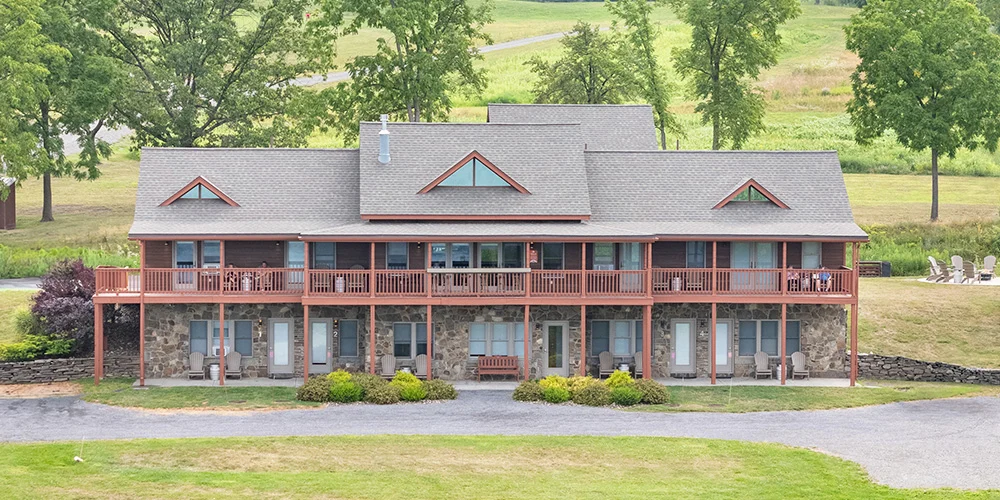
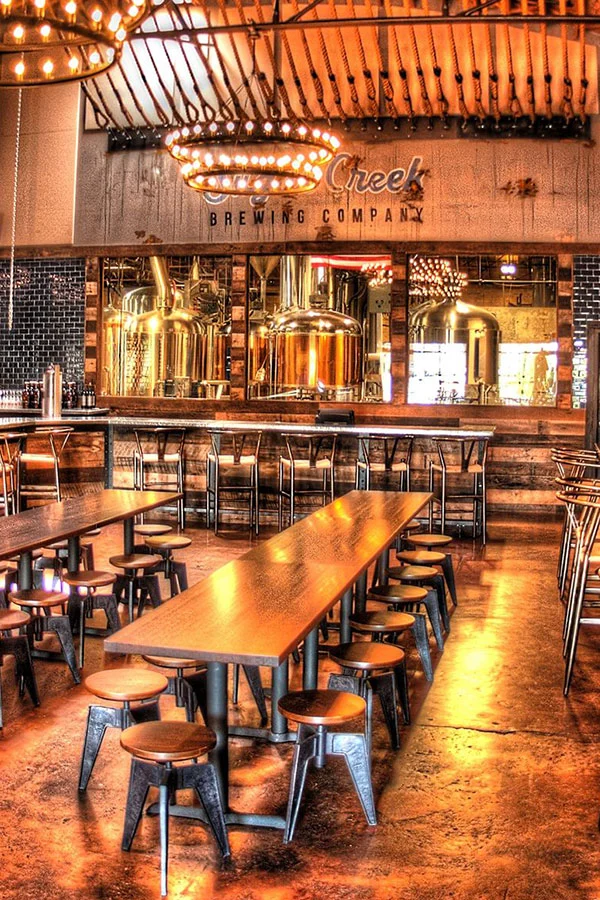
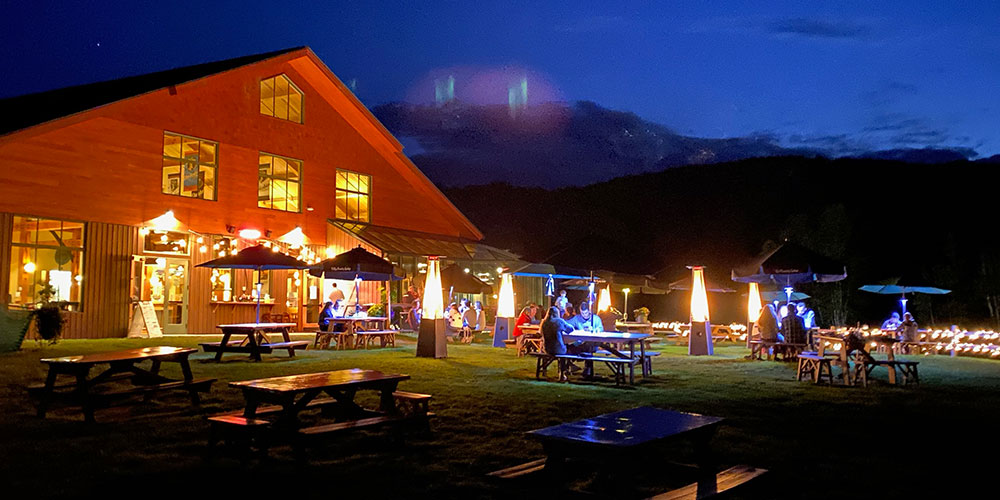
Across the United States, a significant shift in the craft brewing industry is transforming the traditional taproom model into a comprehensive hospitality experience. Brewers are no longer content with merely serving pints across a bar; they are increasingly investing in the revitalization of historic buildings, barns, and bungalows to create boutique accommodations. This evolution, often referred to as the "beercation" movement, allows breweries to extend their brand ethos into the realm of overnight stays, ranging from rustic wilderness cabins and alpine lodges to hyper-modern urban hotels. By integrating lodging directly with production facilities, these businesses are fostering a deeper emotional connection with consumers, turning a simple tasting flight into a multi-day immersive getaway.
The Economic Evolution of Craft Beer Tourism
The emergence of brewery-owned lodging comes at a critical juncture for the American craft beer industry. According to data from the Brewers Association, the trade group representing small and independent U.S. brewers, the market has reached a state of maturity where differentiation is paramount. With over 9,500 breweries operating nationwide, the competition for shelf space and tap handles is intense. Consequently, many breweries are pivoting toward direct-to-consumer models that prioritize high-margin experiences.
Beer tourism has evolved from a niche hobby into a significant driver of regional economies. A 2023 study on the economic impact of craft brewing noted that the industry contributed billions to the U.S. economy, with a substantial portion derived from hospitality and tourism. By offering overnight stays, breweries can capture a larger share of travel spending, extending the customer lifecycle from a one-hour visit to a 48-hour stay. This "captive audience" model not only boosts beer sales but also creates secondary revenue streams through food service, merchandise, and room rates.
Case Study: Cabin Culture and the Pacific Northwest
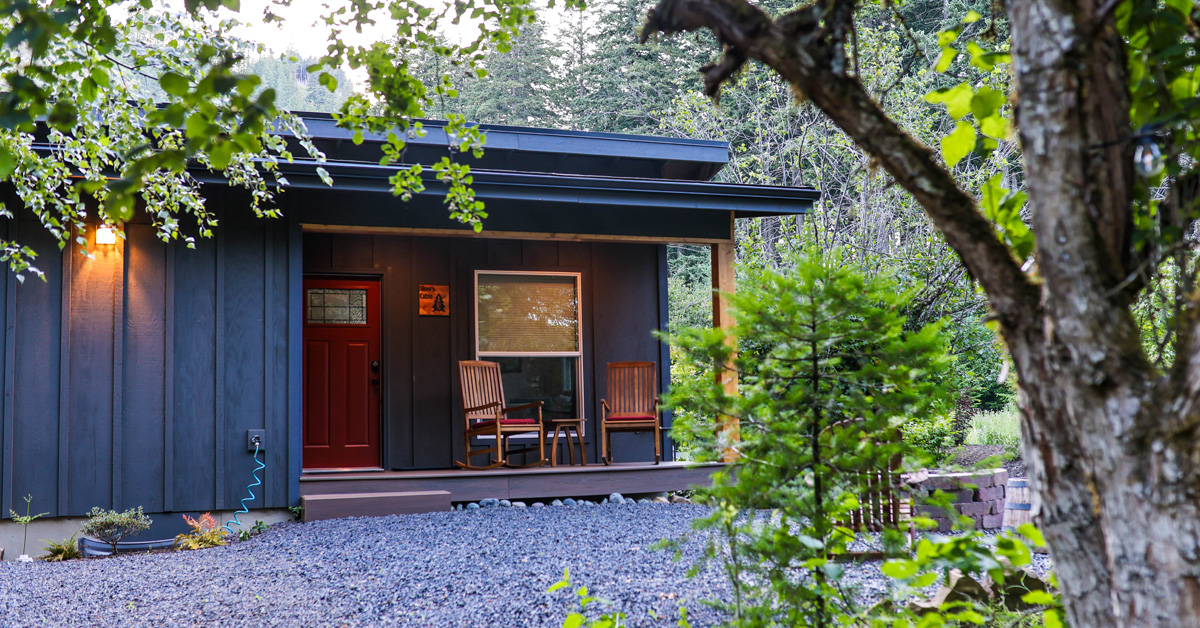
In Carson, Washington, Backwoods Brewing Company exemplifies the successful integration of outdoor recreation and craft beer hospitality. Located in the Columbia River Gorge—a region defined by its rugged cliffs and forested hills—the brewery recognized that its visitors were already traveling long distances from hubs like Portland and Seattle.
The transition to lodging began when the Waters family, the owners of Backwoods, observed the untapped potential of the land surrounding their brewpub. "People already come out here to slow down—what if they could stay the night too?" says Steve Waters, CEO of Backwoods. This led to the development of Backwoods Cabins, a collection of eight luxury-leaning units themed after regional activities such as hiking, kayaking, and stargazing.
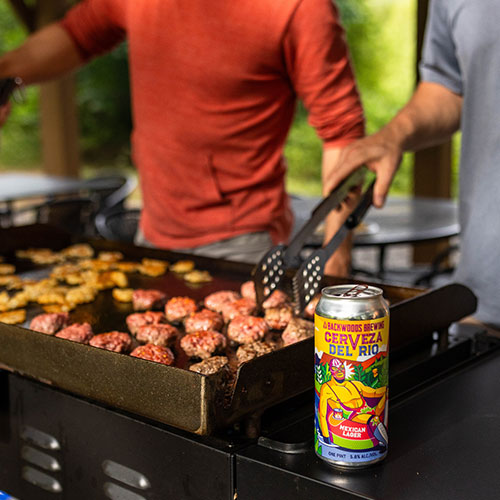
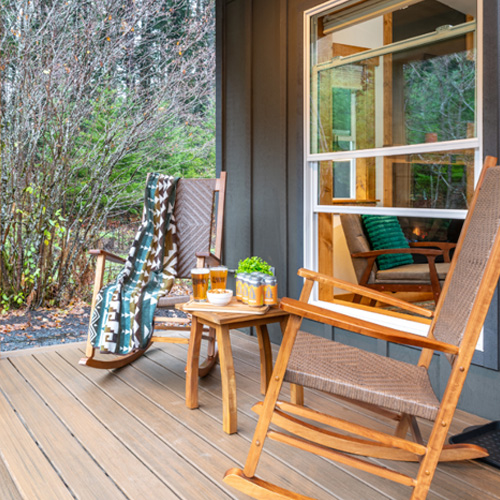
The design philosophy of these accommodations bridges the gap between "cabin-core" aesthetics and modern comfort, featuring gas fireplaces, high-thread-count linens, and hops-scented amenities. From a brand perspective, the cabins serve as a storytelling platform. Guests are encouraged to take pizzas and flagship beers, such as the Party Acres Hazy IPA or the Ridge Run Oatmeal Stout, back to their private porches. This seamless transition from the taproom to the living room reinforces the brand’s identity as a staple of the Pacific Northwest lifestyle.
Heritage and Tradition: The Alpine Model in Vermont
While some breweries build from the ground up, others leverage deep historical roots to create destination experiences. The von Trapp Family Lodge in Stowe, Vermont, represents a unique fusion of musical history and European brewing tradition. Founded by the family that inspired The Sound of Music, the 2,600-acre estate has become a premier destination for "lager tourism."
Johannes von Trapp established the brewery with the intent of producing crisp, refreshing lagers that mirrored the styles found in his ancestral Austria. Unlike the hop-heavy trends that dominate much of the American craft scene, von Trapp Brewing focuses on precision-engineered styles like Helles, Kölsch, and Oktoberfest. Emily Provost, the brewery’s marketing manager, notes that the lodging allows guests to "live, eat, and drink like a von Trapp."
The integration of the brewery into the resort’s ecosystem includes Austrian-inspired cuisine in the Bierhall, where house-made bratwurst and schnitzel are paired with lagers brewed using natural spring water from the property. This immersive approach provides a historical context that a standard hotel cannot replicate, linking the product directly to the land and the family legacy.
Strategic Hospitality in the Finger Lakes
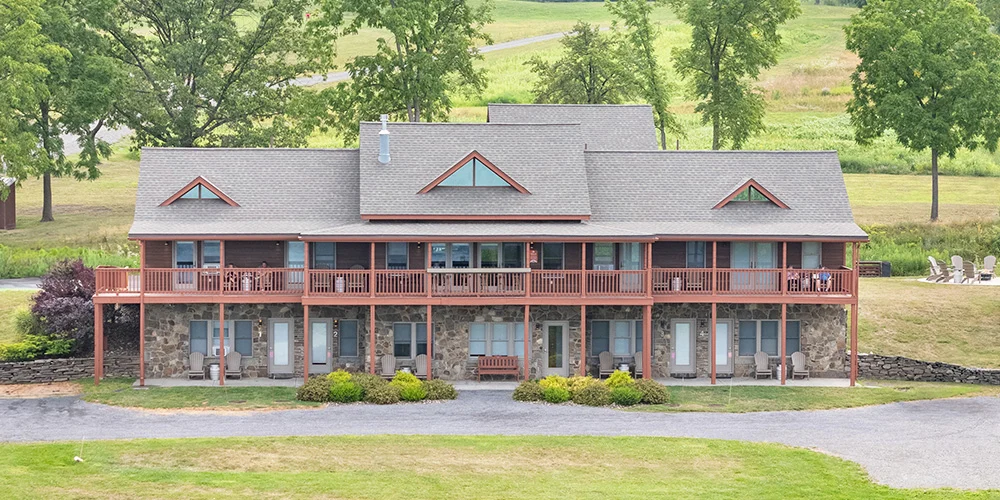
The Lodge at Grist Iron Brewing in Watkins Glen, New York, offers a different perspective on the timeline of brewery lodging. While most breweries add rooms years after their first brew, Grist Iron’s founders selected their property specifically because it already included existing lodging. This "hospitality-first" approach has allowed the brewery to function as a full-fledged resort in the competitive Finger Lakes wine and beer region.
The accommodations at Grist Iron are intentionally designed to cater to the modern beer enthusiast. Rooms feature brewing-themed murals and mini-fridges stocked with Grist Iron cans, such as the Lake Life IPA and MaXXimus Brown Ale. One of the most notable design features is the inclusion of built-in shower ledges specifically sized for "shower beers."
Emily Knowlden, social media and marketing coordinator for Grist Iron, emphasizes that these touches encourage guests to "linger longer." The recent addition of "Beer Mountain," which includes a disc golf course and a dog park with an on-site "Woof Top" bar, further illustrates the trend of breweries expanding into multi-faceted recreation centers.
Adaptive Reuse and Urban Innovation
The trend of brewery lodging is not confined to rural settings. In the Pacific Northwest, McMenamins has become a leader in the adaptive reuse of historic structures. The company transforms former schools, churches, and poor farms into eclectic hotel-brewery hybrids. These locations often feature "secret" bars, movie theaters, and soaking pools, all centered around their proprietary brews like the Ruby Ale and Hammerhead Pale Ale. This model serves a dual purpose: it preserves local history while providing a quirky, non-standardized lodging option that appeals to younger travelers seeking authenticity.
Similarly, in Fargo, North Dakota, Drekker Brewing’s "Brewhalla" project has integrated a boutique hotel directly into a massive "food and beer hall" complex. The "Crash Pad" hotel rooms are hyper-branded, with decor inspired by specific beer labels. For example, the Mind Bullets suite features industrial ductwork and psychedelic murals that mirror the artwork on Drekker’s sour IPA cans. This represents the pinnacle of "brand immersion," where the aesthetic of the product dictates the environment of the consumer.
Analysis of Implications: Safety, Brand, and Community
The proliferation of brewery stays carries several significant implications for the industry and the consumer:
- Safety and Responsibility: One of the most practical drivers of brewery lodging is the promotion of responsible consumption. By providing beds within walking distance of the taproom, breweries eliminate the need for guests to drive after a tasting session. This safety factor is a major selling point for "beercations."
- Brand Loyalty through Experience: In a crowded market, emotional connection is a powerful differentiator. A guest who spends a night at a brewery-themed cabin or lodge is more likely to develop a long-term affinity for that brand than someone who simply buys a six-pack at a grocery store.
- Rural Revitalization: Many of these destination breweries are located in rural or under-served areas. By creating high-quality lodging, these businesses attract tourist dollars that benefit other local establishments, from gas stations to farm stands.
- Diversified Revenue Streams: As the wholesale market becomes more difficult to navigate for small brewers, the high margins of hospitality provide a necessary financial cushion. Room rates can often exceed the daily revenue generated by a single taproom seat.
Chronology of the Beer Tourism Movement
- 1980s-1990s: The "Microbrewery" era begins. Tourism is limited to basic brewery tours and tasting rooms.
- 2000s: The rise of the "Gastropub." Breweries begin focusing on high-quality food pairings, encouraging longer visits.
- 2010s: The "Destination Brewery" emerges. Large-scale facilities like Sierra Nevada (Mills River) and Stone Brewing (Escondido) create campus-like environments with gardens and expansive restaurants.
- 2020-Present: The "Hospitality Integration" phase. Small and mid-sized breweries begin offering on-site lodging, turning breweries into multi-day resorts.
Future Outlook
The trajectory of the craft beer industry suggests that the line between "brewery" and "resort" will continue to blur. As consumers increasingly prioritize experiences over material goods, the ability to offer a "full-fledged getaway" will become a standard requirement for destination breweries. We can expect to see further innovations in this space, including beer-themed spas, expanded outdoor recreation partnerships, and more sophisticated integration of local agriculture into the guest experience.
For the modern traveler, the "beercation" represents a shift toward slow travel—a chance to connect with the source of their favorite beverage, the people who make it, and the landscape that defines it. Whether it is a historic inn in Wisconsin or a high-concept hotel in North Dakota, the message from the brewing industry is clear: the pint is just the beginning of the story.