admin
admin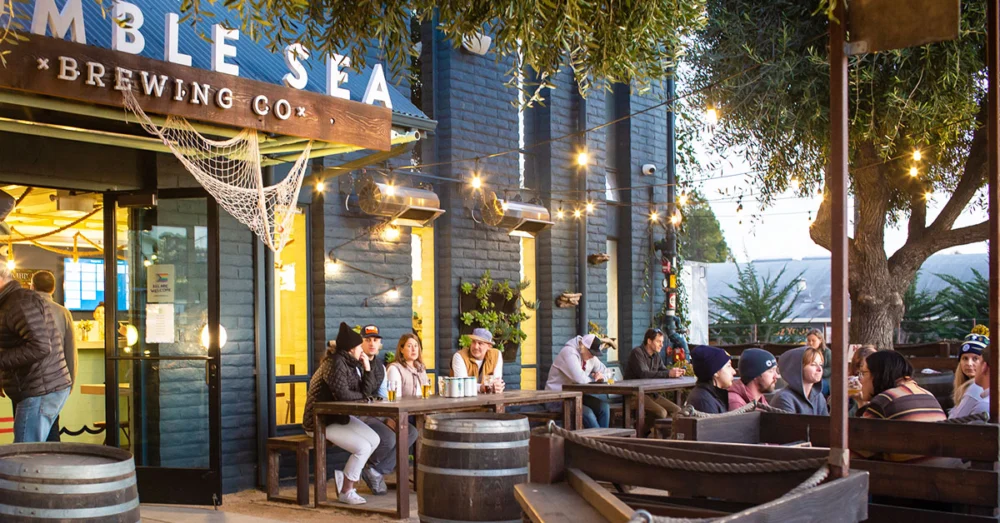
The American craft brewing landscape has undergone a seismic shift over the last decade, transitioning from a period of explosive, novelty-driven growth to a more mature and complex marketplace where survival depends on a delicate equilibrium between innovation and reliability. For breweries like Sunriver Brewing Company in Oregon and Humble Sea Brewing Co. in California, the journey from their founding mid-decade to the present day serves as a blueprint for navigating the shifting tides of consumer preference, distribution challenges, and the unexpected return of the "flagship" beer. As the industry grapples with a cooling market and changing drinking habits, the experiences of these two distinct operations highlight a broader trend: the necessity of a multi-faceted brand strategy that appeals to both the "beer nerd" seeking the next cutting-edge release and the casual drinker looking for a consistent, familiar pint.
The Genesis of Localized Strategy
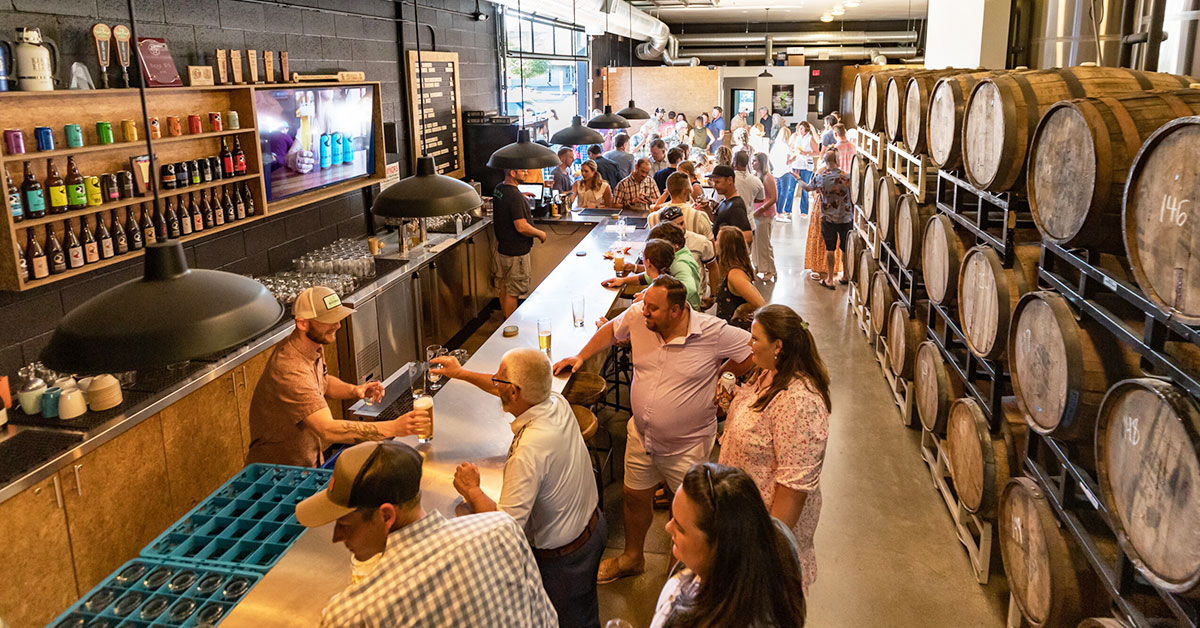
When Sunriver Brewing Company launched in 2014, its initial business model was dictated almost entirely by its immediate surroundings. Located in a resort community in Central Oregon, the brewery faced a unique demographic challenge. While the town of Sunriver has a permanent population of roughly 2,000 residents, that number swells to 15,000 or more during peak tourist weekends. Head brewer Brett Thomas notes that the brewery’s early portfolio was designed specifically for this transient audience. The goal was to provide "pub-oriented" beers that served as an accessible entry point for visitors who might not be deeply immersed in craft beer culture.
The initial lineup—a blonde ale, a pale ale, an amber ale, and a stout—represented the foundational pillars of American craft brewing. These were styles that offered high "drinkability" and broad appeal, ensuring that a tourist coming off a hiking trail or a ski slope would find something familiar on the menu. This "safe" approach provided the financial stability necessary for the brewery to establish its roots before it began the difficult task of expanding into the broader, more competitive Oregon wholesale market.
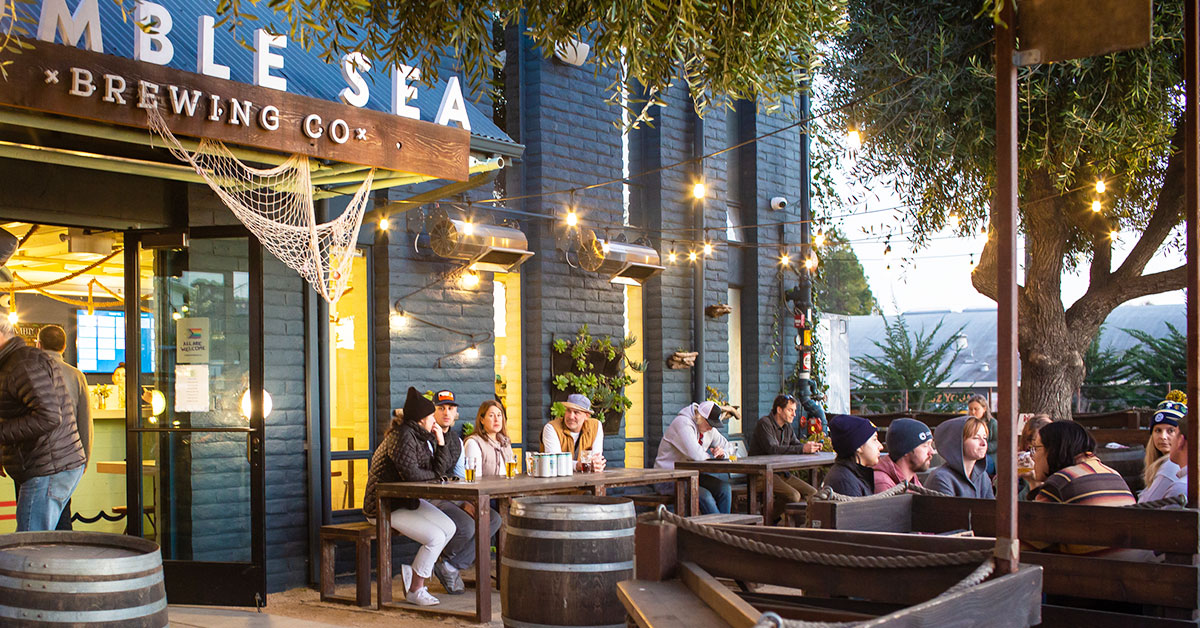
Conversely, Humble Sea Brewing Co., founded in Santa Cruz, California, in 2015, entered the market with a vastly different ideological framework. The founders originally envisioned a "lager-first" brewery, fueled by a personal passion for the technical precision and clean profiles of traditional European styles. However, they quickly collided with the reality of the California market at the time. In 2015, the West Coast was still deeply entrenched in the "IPA revolution," and the burgeoning "hazy" or "foggy" IPA trend was beginning to take hold. For a startup brewery, sticking to an unpopular niche can be a recipe for insolvency. To "keep the lights on," as co-founder Frank Scott Krueger describes it, Humble Sea pivoted toward hop-forward beers, specifically their "foggy" IPAs, which eventually became the brand’s calling card.
A Chronology of Adaptation and Market Pressure
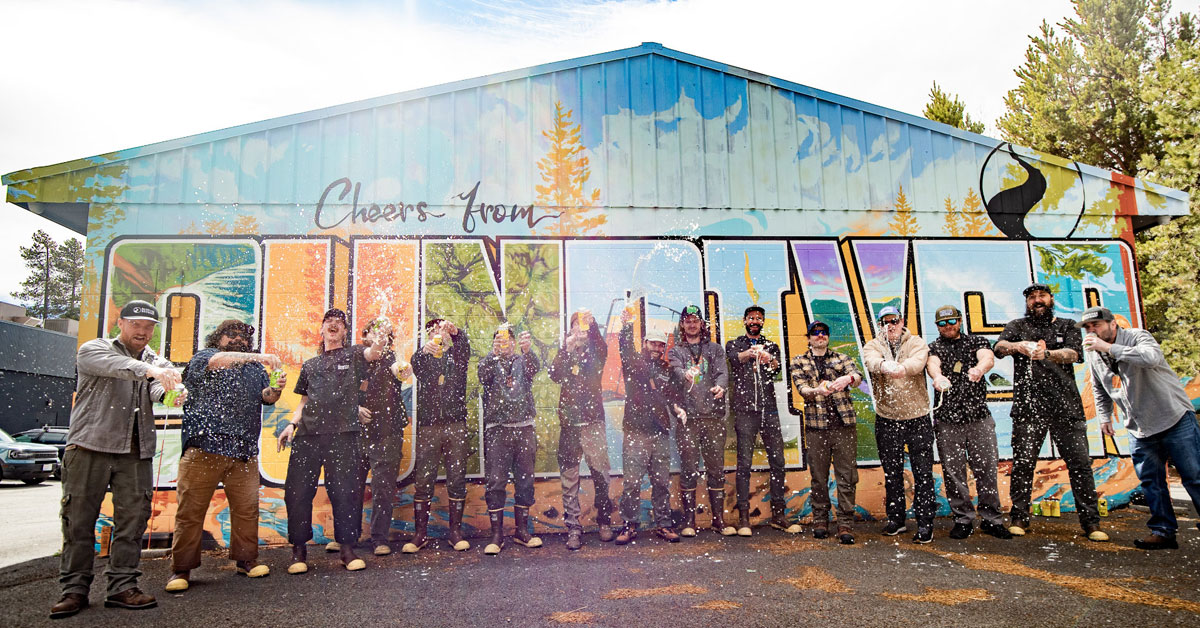
The mid-2010s represented a "gold rush" era for craft beer, characterized by a "more is more" philosophy. Between 2014 and 2018, the number of operating craft breweries in the United States nearly doubled, growing from approximately 3,800 to over 7,500, according to data from the Brewers Association. During this period, the industry’s growth was fueled by "SKU proliferation"—the constant release of new, limited-edition beers. Consumers became "tickers," constantly searching for the newest release on apps like Untappd, often at the expense of established brands.
For Sunriver, growth meant moving beyond the resort town and into the competitive landscapes of Eugene, Bend, and Portland. This expansion required a shift in brewing philosophy. To compete on the shelves of specialty bottle shops and high-end taprooms, they had to bridge the gap between their approachable pub roots and the "cutting-edge" styles demanded by aficionados. This led to the development of more complex offerings, including barrel-aged stouts and wild ales, which targeted a more sophisticated demographic willing to pay a premium for rarity and complexity.
Humble Sea followed a similar trajectory of expansion but focused heavily on the "hype" culture that defined the late 2010s. By leaning into their foggy IPAs, they built a cult following among "beer nerds"—consumers who would travel long distances and wait in lines for fresh can releases. At one point, 95% of Humble Sea’s production was dedicated to hoppy styles. This focus allowed them to build a powerful brand identity, but it also created a dependency on a fickle consumer base that is always looking for the "next big thing."
The Impact of External Shocks and Economic Realities
The arrival of the COVID-19 pandemic in 2020 served as a turning point for the entire industry, forcing breweries to re-evaluate their reliance on different sales channels. For breweries heavily dependent on their own taprooms, the lockdowns were catastrophic. For those reliant on wholesale, the sudden shift in consumer behavior toward grocery store purchases favored established brands with recognizable packaging.
This period highlighted the "competing agendas" that Brett Thomas describes. A brewery must now satisfy the demands of wholesalers who want high-volume, recognizable brands; tavern owners who want the latest trendy tap handle; and their own taproom customers who want variety. Navigating these conflicting interests requires a sophisticated understanding of logistics and market psychology.
Furthermore, the "fourth category" of alcoholic beverages—hard seltzers, RTD (ready-to-drink) cocktails, and non-alcoholic options—began to eat into craft beer’s market share. Sunriver’s decision to produce a hard seltzer, despite initial internal resistance, reflects a pragmatic acknowledgement that the modern consumer demands variety. "Not everybody wants craft beer," Thomas admits, signaling a shift from a beer-centric identity to a broader "beverage company" mindset.
Regional Nuance and the Geography of Taste
One of the most significant findings in the evolution of Humble Sea is the realization that consumer preferences are not monolithic, even within a single state. As the brewery expanded to multiple taprooms across Northern California, they discovered distinct "micro-climates" of taste.
In Pacifica, a coastal town known for its rugged surf culture, West Coast IPAs—characterized by bitterness and clarity—remain the dominant preference. In Santa Cruz, the brewery’s home base, there has been a resurgence in demand for Pilsners and lagers, allowing the founders to finally return to their original passion. Meanwhile, in Alameda, the demographic skews toward the "hardcore" enthusiast, where high-alcohol Triple and Quadruple IPAs are the top sellers.
This data-driven approach to taproom management allows a brewery to optimize its inventory and minimize waste, but it also requires a highly flexible production schedule. It proves that the "one size fits all" flagship model of the 1990s and early 2000s has been replaced by a "hyper-local" strategy where the beer on tap is curated to the specific zip code of the drinker.
The Resurgence of the Flagship Brand
Perhaps the most surprising trend in the current craft beer climate is the return of the "flagship." After a decade of chasing novelty, there is evidence of "release fatigue" among consumers. Industry analyst and writer Jeff Alworth has noted that many breweries that neglected their core brands in favor of a "constant rotation" model are now seeing the value of nostalgia and reliability.
For Sunriver, the flagship became "Vicious Mosquito IPA." Interestingly, the brewery did not initially set out to make this their primary brand; rather, it was the wholesale market that chose it. Wholesalers, looking for a "hero" product they could reliably sell to grocery stores and bars, latched onto Vicious Mosquito. Today, it is the beer that defines the Sunriver brand for the majority of consumers.
Humble Sea experienced a similar phenomenon with "Socks & Sandals," a foggy IPA. Despite their desire to be a lager brewery, the market’s embrace of Socks & Sandals provided the financial engine that eventually allowed them to diversify back into lagers. Today, lagers account for 30% of their production—a significant increase from the 5% of their early years. This return to core brands is a response to a consumer desire for "familiar and great" experiences over the risky gamble of a new, untested release.
Broader Industry Implications and Future Outlook
The stories of Sunriver and Humble Sea are reflective of a broader maturation within the U.S. craft beer industry. According to the Brewers Association’s 2023 year-end report, the industry saw a 1% decline in production volume—the first such decline outside of the pandemic era. This contraction suggests that the "easy growth" phase of craft beer is over.
In this "new normal," the breweries that thrive will be those that can master three distinct areas:
- Operational Efficiency: Using flagship brands to create a stable production baseline that lowers costs.
- Diversification: Offering seltzers, lagers, and non-alcoholic options to capture a wider "share of throat."
- Localized Engagement: Tailoring taproom experiences and beer styles to the specific cultural and geographic preferences of their immediate community.
The shift back toward flagships like Vicious Mosquito and Socks & Sandals suggests that while the "beer nerd" remains an important part of the ecosystem, the long-term health of a brewery depends on the "reliable, delicious beer" that a person can enjoy without overthinking it. As the industry moves toward 2025 and beyond, the most successful brewers will be those who remember that while innovation puts a brewery on the map, consistency is what keeps it there. The era of "novelty for novelty’s sake" is giving way to an era of strategic balance, where the lessons of the past are used to brew a more stable and inclusive future.