admin
admin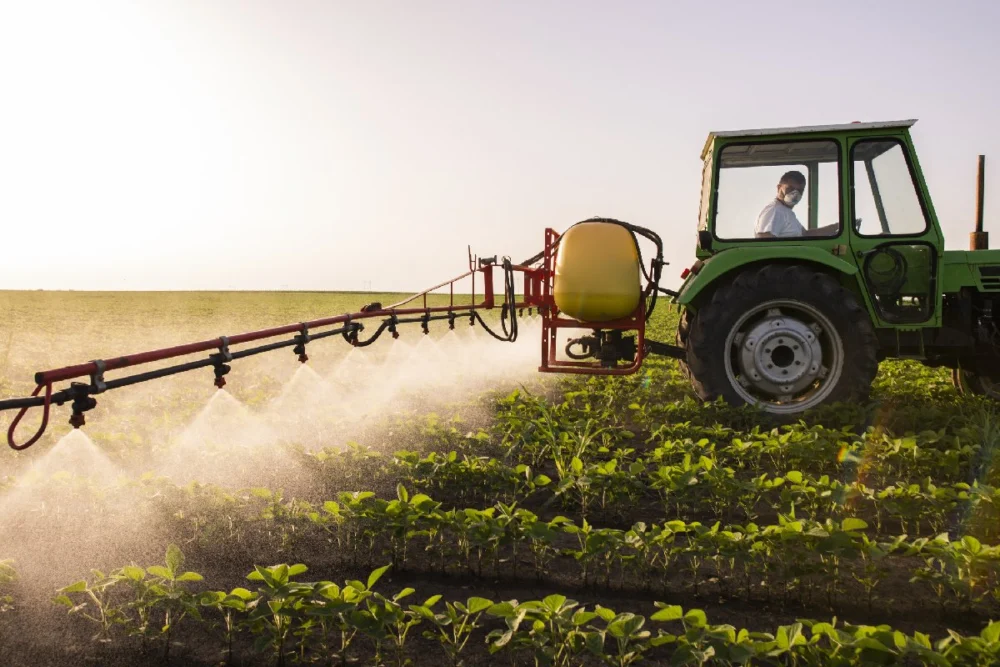
Regulators at the Environmental Protection Agency (EPA) announced late Friday the reapproval of the herbicide dicamba for use on soybeans and cotton, a weedkiller that federal courts have twice banned due to its well-documented propensity to drift and cause significant damage to non-target crops and natural vegetation. While the agency asserts that the new approval includes stringent restrictions designed to mitigate the chemical’s harms, environmental watchdog organizations contend that the revised framework paradoxically weakens existing protections, sparking immediate and fervent criticism from various stakeholders.
The decision has ignited a fresh wave of debate within the agricultural sector and environmental communities, drawing a sharp contrast between the perceived needs of conventional farming practices and the imperative for ecological preservation. The reapproval, coming at a critical juncture for farmers planning their upcoming planting seasons, provides a semblance of regulatory certainty for those reliant on dicamba-tolerant crop systems but simultaneously fuels apprehension among organic farmers, environmentalists, and rural residents whose livelihoods and ecosystems have been historically imperiled by the herbicide’s drift.
The Dicamba Dilemma: A History of Controversy and Litigation
Dicamba, a synthetic auxin herbicide, has been utilized in agriculture since the 1960s, primarily for broadleaf weed control in various crops and non-crop areas. Its original formulations, however, were not suitable for "over-the-top" application on growing crops due to phytotoxicity. The landscape of dicamba use dramatically shifted about a decade ago with the introduction of genetically engineered soybean and cotton varieties designed to tolerate direct application of the herbicide throughout the growing season. This innovation, spearheaded by companies like Monsanto (now part of Bayer) and BASF, aimed to provide farmers with an additional tool to combat glyphosate-resistant weeds, a growing challenge in modern agriculture.
The approval of these dicamba-tolerant crops in 2016 marked a turning point. Farmers could now spray dicamba directly onto their fields later in the growing season, a practice that led to a dramatic increase in its use. However, the existing dicamba formulations proved highly volatile, meaning they could readily vaporize after application and drift far from the intended target fields. This phenomenon, known as off-target movement or "drift," became the root cause of widespread agricultural and environmental damage.
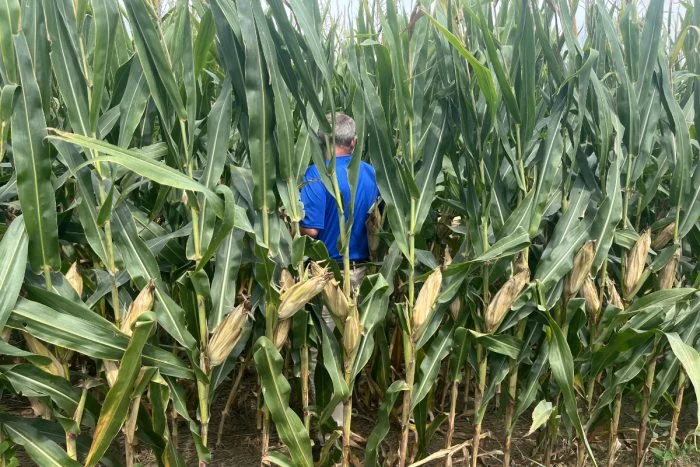
Millions of acres across agricultural states have reportedly suffered from dicamba drift. Non-dicamba-tolerant crops, including soybeans, tomatoes, peanuts, and specialty crops like orchards and vineyards, have experienced severe damage, manifesting as characteristic leaf cupping, stunted growth, and significantly reduced yields. Beyond agricultural fields, the herbicide has wreaked havoc on natural ecosystems, affecting native plant species, forest trees (such as oaks and sycamores), and vital wildlife habitats, including designated wildlife refuges. The economic toll has been substantial, with farmers reporting hundreds of millions of dollars in losses and incurring significant costs for crop testing and legal battles.
The pervasive damage and the resulting deluge of complaints led to a series of legal challenges. In June 2020, a federal court issued a vacatur, effectively banning several dicamba products, citing the EPA’s failure to adequately assess the risks of drift. Following this, the EPA reapproved dicamba formulations with new restrictions, only for another federal court ruling in February 2024 to once again ban the products, determining that the agency had violated federal law by not adequately accounting for the risks. This recent reapproval by the EPA, coming so swiftly after the latest ban, underscores the persistent tension between regulatory bodies, agricultural interests, and environmental protection.
EPA’s Stance: "Strongest Protections" Versus Skepticism
In its late Friday announcement, the EPA acknowledged the "legitimate concerns" raised by past dicamba drift incidents. The agency stated that its latest registration incorporates new restrictions designed to make it the "most protective" dicamba approval in history. Key measures cited by the EPA include a reduction in the total amount of dicamba that can be used annually and new restrictions on applications during periods of high temperatures, a known factor exacerbating volatility and drift. The EPA’s analysis, as per its press release, concluded that the reapproved use poses "no unreasonable risk to human health and the environment."
Specifically, the agency’s new rules replace the previous fixed calendar cut-off dates for spraying, such as the June 12 deadline for soybeans, with temperature-based restrictions. Under the new framework, farmers will be limited to treating half of their acres on days when temperatures range between 85 and 95 degrees Fahrenheit and will be entirely prohibited from spraying on days exceeding 95 degrees. This shift is intended to allow for more flexible application windows while supposedly preventing applications during peak drift conditions. The EPA also committed to working with state enforcement agencies to "actively monitor compliance," vowing "serious consequences" for violations.
However, critics quickly challenged the EPA’s claims of enhanced protection. Bill Freese, science director at the Center for Food Safety (CFS), stated in a press release, "The Trump administration’s hostility to farmers and rural America knows no bounds. Dicamba drift damage threatens livelihoods and tears apart rural communities." He and other experts argue that the new temperature-based restrictions, while appearing more flexible, could actually enable year-round spraying, thereby extending the window of potential exposure. They contend that replacing a firm calendar cut-off, which provided a clear demarcation for when temperatures typically become problematic, with a more nuanced temperature-based rule could be harder to enforce and less effective in practice.
Industry Applauds, Advocates Decry
The agricultural industry largely welcomed the EPA’s decision. The American Farm Bureau Federation (AFBF) lauded the reapproval, stating that it was based on "sound science" and would provide much-needed certainty for farmers as they finalize planting plans for the upcoming season. Similarly, the Illinois Soybean Association communicated to its members that dicamba use "would return under similar, but arguably more conservative rules than in past years," signaling relief among growers dependent on the herbicide for weed management. These organizations emphasize the importance of having a diverse toolkit of herbicides to manage increasingly resistant weed populations and maintain crop yields.
Conversely, environmental and food safety advocates expressed profound disappointment and alarm. Experts at the Center for Food Safety (CFS) specifically highlighted several ways in which they believe the new registration actually weakens protections. They pointed out that the EPA will no longer require mixtures of dicamba with other pesticides to be reviewed for their potential to exacerbate drift, raising concerns about unforeseen synergistic effects. Furthermore, buffer requirements, which have historically proven ineffective in preventing drift over long distances, remain largely unchanged.
George Kimbrell, co-executive director and legal director at CFS, articulated the depth of their frustration, telling Civil Eats, "For 10 years now, time and time again they have claimed the same—’This time will be different’—and all the scientific and agronomic evidence shows their claims are false. It’s a harmful, toxic product, and moving the deck chairs around on the Titanic will not change the catastrophic iceberg ahead." This sentiment reflects a deep-seated distrust in the EPA’s ability or willingness to effectively regulate dicamba, given its troubled history. Critics also noted the practical challenge of enforcement, particularly since the EPA currently lacks sufficient field staff dedicated to monitoring pesticide use, raising questions about the agency’s capacity to ensure compliance with the new, complex rules.
The Broader Ripple Effect: Economic, Environmental, and Social Implications
The reapproval of dicamba carries significant implications across economic, environmental, and social spheres. Economically, farmers who rely on dicamba-tolerant seeds will benefit from continued access to a crucial weed management tool, potentially reducing their labor and herbicide costs in the short term. However, non-dicamba-tolerant crop growers face ongoing risks of yield losses, increased insurance premiums, and potential litigation costs from drift damage. The persistent threat of drift also creates a disincentive for farmers to adopt organic or non-GMO practices, as their crops remain vulnerable to contamination and damage from neighboring fields. Estimates from previous seasons suggest that hundreds of thousands of acres of non-dicamba-tolerant soybeans alone have been impacted, resulting in millions of dollars in direct losses and diminished market value.
Environmentally, the continued widespread use of dicamba, even with new restrictions, poses a threat to biodiversity. The herbicide’s documented damage to native plants, trees, and wildflowers can disrupt delicate ecological balances, reduce food sources for pollinators and wildlife, and degrade critical habitats. Concerns also persist regarding the potential for dicamba to contaminate water sources, though the EPA’s assessment found no unreasonable risk to human health or the environment. The cumulative effect of widespread pesticide use on ecosystem health remains a contentious point between regulators and environmental advocates.
Socially, the "dicamba wars" have notoriously pitted neighbor against neighbor in rural communities. Farmers whose crops are damaged by drift often face difficult choices: absorb the losses, confront their neighbors, or pursue costly legal action. This dynamic has frayed social fabric, leading to resentment and division within agricultural communities that traditionally rely on mutual respect and cooperation. The reapproval, without a clear and universally accepted solution to the drift problem, risks perpetuating these interpersonal conflicts.
Political Undercurrents and the MAHA Movement
The timing and nature of the dicamba reapproval also intersect with broader political currents, particularly the "Make America Healthy Again" (MAHA) movement, championed by figures like Robert F. Kennedy Jr. Many prominent MAHA supporters, who have generally aligned with the current administration, expressed profound outrage over the EPA’s decision.
On social media platforms, anti-pesticide activist Kelly Ryerson, known as "GlyphosateGirl," sharply criticized the EPA’s move, predicting "further destruction" of soil health and rural communities. She posted, "No one should believe that MAHA is being upheld at the EPA at this point. Time for the President to step in and correct the crash course in this agency." These statements highlight a perceived disconnect between the administration’s stated goals of promoting health and environmental well-being and the regulatory actions taken by its agencies.
Since November, EPA Administrator Lee Zeldin has reportedly been actively engaging with MAHA supporters, holding meetings and appearing at their events. These engagements were largely aimed at assuaging concerns about rapid pesticide approvals and the perceived rollback of environmental regulations impacting agriculture. While Administrator Zeldin has been keen to publicly frame other pesticide-related decisions, such as ongoing research into paraquat, as "MAHA wins," his notable silence on the dicamba reapproval speaks volumes. This selective public commentary suggests a strategic avoidance of a highly contentious issue that challenges the narrative of environmental stewardship he has attempted to cultivate with the MAHA constituency.
Conclusion and Outlook
The EPA’s reapproval of dicamba, despite its contentious history and repeated court bans, underscores the complex challenges of balancing agricultural productivity with environmental protection. While the agency maintains that new restrictions will make this the safest dicamba registration yet, critics remain unconvinced, pointing to past failures and perceived weaknesses in the new rules.
As farmers prepare for the upcoming planting season, the decision offers a mixed bag of certainty for some and continued anxiety for others. The effectiveness of the new temperature-based restrictions, the capacity for robust enforcement, and the ongoing potential for drift damage will undoubtedly be scrutinized closely. The "dicamba wars" are far from over, and the latest chapter signals a continued struggle for resolution in a debate that touches upon the very fabric of rural America, from economic viability to environmental health and community cohesion. Future legal challenges, renewed calls for stronger regulations, and continued scientific monitoring are all likely outcomes as stakeholders navigate the implications of this latest regulatory maneuver.