admin
admin
The upcoming International Pizza Expo, a cornerstone event for the global pizza industry, is set to host a pivotal educational session titled "Building a 6-Digit Income Through Catering." Scheduled for Wednesday, March 25, at 4 p.m., the session will feature industry experts Maaren Spears and Sean Kinney, promising to equip pizzeria owners with actionable strategies to significantly expand their revenue streams. This focus on catering underscores a broader industry trend: the strategic diversification of business models beyond traditional dine-in and takeout, transforming local pizza shops into dynamic, multi-faceted culinary operations.
The Strategic Pivot: Beyond the Pizzeria Walls
For many pizzerias, cultivating strong relationships with local government and community groups represents a foundational step towards integration and brand loyalty. The logical progression from this community engagement is to leverage these connections by taking culinary offerings directly to customers through catering. This strategic pivot is not merely an add-on service; it represents a fundamental shift that can unlock substantial financial opportunities, propelling a business toward a six-figure income and beyond. The catering market, an often-underestimated segment of the food service industry, offers remarkable flexibility and potential for growth, allowing businesses to adapt their scale and service style to a diverse range of client needs and event types.
The versatility of catering is one of its most compelling attributes. Operators can commence with minimal investment, offering simple drop-off services or pop-up events, and gradually scale up to more elaborate arrangements. Options range from casual buffets and full-service dining experiences to interactive action stations where chefs prepare food live, mobile food trucks, or even exclusive chef drop-ins for smaller, intimate gatherings. This spectrum of possibilities means that regardless of a pizzeria’s current infrastructure or ambition, there is a viable entry point into the catering market. The "sky is the limit" adage truly applies, with creative operators continuously innovating new service models to meet evolving consumer demands.
However, to truly capitalize on the catering opportunity and ensure sustainable growth, two critical elements are indispensable: a meticulously crafted plan and an in-depth understanding of the target customer base. These twin pillars form the foundation of any successful catering venture, moving it beyond a sporadic side hustle to a consistent, high-revenue operation.
The International Pizza Expo: A Hub for Innovation
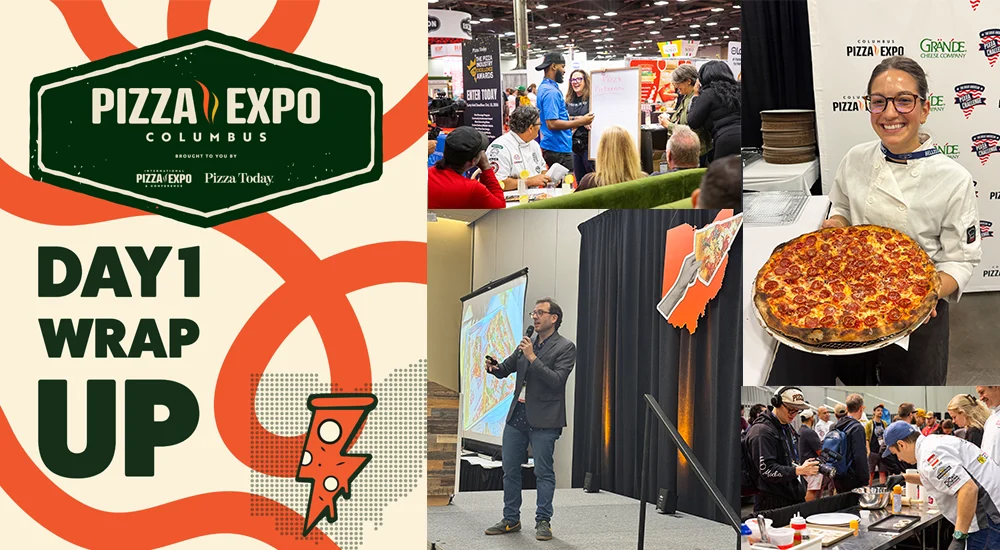
The International Pizza Expo, organized by Pizza Today magazine, stands as the world’s largest gathering for pizza professionals. Annually attracting thousands of attendees from across the globe, it serves as an unparalleled platform for networking, showcasing new products and technologies, and providing cutting-edge education. The inclusion of a session dedicated to building a six-figure catering income highlights the growing recognition of off-premise dining as a crucial growth driver for the pizza industry. Experts like Maaren Spears and Sean Kinney are typically seasoned veterans in restaurant operations, business development, and scaling strategies, bringing practical, real-world insights to attendees. Their session on March 25 is anticipated to be a deep dive into the operational blueprints and client acquisition tactics necessary for success. The expo’s comprehensive education schedule, available online, demonstrates its commitment to addressing the most pertinent challenges and opportunities facing pizza operators today.
Step 1: Architecting Your Catering Blueprint
Before any significant capital investment in new equipment or infrastructure, a thorough assessment of existing capabilities is paramount. Pizzeria owners must honestly evaluate their current assets and ask: "What type of catering can I realistically offer right now?" This introspective approach prevents unnecessary expenditure and allows for an organic, sustainable expansion. Melinda Carbajal, CEO and managing member of Colorado-based Simply Pizza, a successful mobile catering operation, exemplifies this principle. Carbajal notes that while Simply Pizza has grown to incorporate extensive equipment over the years, their journey began with humble resources. "If all you have are boxes and standard to-go containers, you can make that work!" she advises, emphasizing that ingenuity and a clear strategy can overcome initial limitations.
Carbajal categorizes catering opportunities into four distinct core segments, each with its unique characteristics and revenue potential:
Corporate Catering: The Engine of Consistent Revenue
Corporate catering represents a cornerstone of reliable, year-round revenue. Businesses, regardless of sector, consistently require food services for a multitude of internal and external events. This includes daily luncheons for staff, appreciation events, training sessions, board meetings, annual holiday parties, product launches, and promotional events. The demand is often predictable, with established companies frequently engaging in recurring contracts, providing a stable income stream that can smooth out seasonal fluctuations common in other catering segments.

According to industry reports, the U.S. corporate catering market is a multi-billion dollar segment, driven by companies’ increasing focus on employee well-being, client entertainment, and internal collaboration. A 2023 market analysis indicated that corporate clients often prioritize reliability, punctuality, and a professional presentation, making them ideal partners for pizzerias capable of delivering consistent quality and service. Building a reputation for seamless corporate catering can lead to long-term contracts and significant repeat business.
Social Events: Consistent Business with Manageable Pressure
Social events offer another consistent, year-round revenue stream, typically with less logistical pressure than large-scale weddings. This category encompasses a wide array of celebrations, including birthdays, anniversaries, graduations, family reunions, engagement parties, and community gatherings. These events often involve smaller to medium-sized groups, making them easier to manage with existing pizzeria staff and equipment. The focus here is on delivering a festive and memorable experience, with clients often seeking customizable menus and a relaxed atmosphere.
The demand for social event catering remains robust across demographic segments, with families and individuals consistently seeking convenient and delicious food options for their celebrations. This segment allows pizzerias to showcase their versatility and creativity, offering specialized menus or themed packages that resonate with the celebratory nature of these occasions.
Weddings: High-Revenue, High-Pressure Endeavors
Weddings stand out as high-revenue opportunities, capable of generating substantial income from a single event. However, they are inherently seasonal, highly competitive, and come with immense pressure due to their once-in-a-lifetime significance for clients. Wedding catering demands meticulous planning, exquisite presentation, and often, a comprehensive suite of services beyond just food, such as specialized serving staff, decor coordination, and adherence to strict timelines.
While the profit margins for wedding catering can be exceptionally high, the associated risks and demands are equally significant. Businesses venturing into this segment must possess robust operational systems, highly trained staff, and a clear understanding of client expectations. Successfully executing a wedding can lead to invaluable word-of-mouth referrals and glowing testimonials, but any misstep can have disproportionately negative consequences for a brand’s reputation. It’s often advisable for new caterers to gain experience in other segments before tackling the complexities of wedding events.
Concessions (Non-Public): Captive Audiences, Covered Costs
Non-public concessions involve serving a captive audience where the event organizer typically covers the cost, rather than individual sales. This can include providing slices for a school fundraising event, catering for employee appreciation days at large corporations, or offering VIP food services at a community event where the pizzeria already has a presence. This category often involves bulk orders and streamlined service, minimizing individual transaction complexities.
The key advantage here is the guaranteed volume and pre-negotiated payment structure. While per-unit revenue might be lower than direct sales, the efficiency of serving a large, pre-committed audience often translates into significant overall profit. This segment allows pizzerias to broaden their reach and build relationships with institutions and organizations, potentially leading to repeat business for various events throughout the year.
Building a successful catering plan begins with defining which of these categories best aligns with a pizzeria’s current resources, strategic goals, and risk tolerance. It is perfectly acceptable, and often advisable, to initially focus on one or two categories, such as corporate and social events, leaving the higher-pressure wedding market for later, or vice versa. The flexibility of self-driven business development allows operators to build organically, gradually adding new categories and expanding services as experience and capabilities grow.
Step 2: Decoding Your Customer Base
Once the core catering categories are defined, the next crucial step is to deeply understand the specific clients within each segment. As the expert, the caterer controls the narrative and the sales process. While the chosen catering method and location naturally filter the target clientele, a nuanced understanding of their personalities and expectations is vital for maximizing sales and ensuring client satisfaction. Melinda Carbajal identifies four primary types of catering clients, each requiring a tailored approach:
The Clueless Client: Your Opportunity to Lead
This client is often tasked with organizing an event but possesses minimal experience in event planning or food service. Examples include an administrative assistant planning a welcome dinner, a friend organizing a surprise birthday party, or a best man coordinating a bachelor party. In this dynamic, the caterer becomes the primary driver, not merely fulfilling an order but actively creating the game plan.
The opportunity with the Clueless Client lies in providing comprehensive guidance and solutions. By offering exceptional service and an expertly curated offering, caterers can capture the full available budget, which the client might not have explicitly defined due to their inexperience. The goal is to make the client "look good" and alleviate their stress, fostering trust and loyalty that can lead to significant repeat business. Proactive suggestions, clear communication, and a well-structured proposal are key to transforming a one-time transaction into a long-term client relationship.

The Carefree Client: Embracing the "Bells and Whistles"
The Carefree Client embodies a relaxed, "go with the flow" attitude. They might be hosting any type of event and typically trust the caterer to execute flawlessly without getting bogged down in minute details like matching signage or decor. This client appreciates efficiency and convenience.
To maximize sales with a Carefree Client, the strategy involves presenting an initial estimate that includes all the "bells and whistles" – a comprehensive menu with premium options, additional services, and perhaps even upgraded presentations. This approach allows the client to selectively eliminate what they don’t want, rather than starting from a minimal offering and having to add on. Often, these clients have a larger budget than they initially disclose, and by presenting a full-spectrum proposal, caterers can capitalize on the maximum available spend, which the client might have overlooked in their carefree planning.
The Indifferent Customer: Professionalism and Flawless Execution
Typically found in corporate events, VIP festivals, or larger social events where catering is just one component of a broader responsibility, the Indifferent Customer prioritizes professionalism, reliability, and seamless execution. Their primary concern is that the catering portion of their event goes off without a hitch, making them look competent to their superiors or stakeholders.
With this client, the focus is on understanding their budget constraints, utilizing every dollar effectively, and clearly communicating a commitment to making them look good. Flawless delivery is paramount: punctuality, adherence to specifications, and an unobtrusive service style. If a caterer consistently delivers on these fronts, the Indifferent Customer will become a loyal, repeat client for all future events, valuing the peace of mind and professional outcome. Long-term partnerships with such clients can be incredibly lucrative and stable.
The Controlling Client: Navigating High Expectations with Firm Boundaries
The Controlling Client is most frequently encountered in the wedding category, though they may appear in other high-stakes personal celebrations like milestone anniversaries. These clients demand extensive communication, detailed planning, and often invest significant emotional energy into every aspect of their event.
Engaging with a Controlling Client requires immense patience, firm boundaries, and exceptionally well-defined and documented catering systems and programming. It is generally not advisable for new caterers to start in this segment due to the high demands and potential for conflict. For experienced caterers, managing expectations, providing transparent updates, and meticulously adhering to agreements are crucial. While these clients can be challenging, a successful outcome can lead to glowing reviews and powerful referrals, which are invaluable for securing future high-profile gigs. Conversely, a failure to meet their exacting standards can severely damage a brand’s reputation.
Broader Impact and Implications for the Industry
The emphasis on catering as a growth strategy for pizzerias reflects several broader trends within the food service industry. The U.S. catering market, valued at over $60 billion in 2023, is projected to continue its growth trajectory, driven by factors such as increasing corporate spending, a robust events industry, and a general consumer preference for convenience and professionally managed food services. Profit margins for catering services can often exceed those of traditional dine-in or takeout, primarily due to higher average order values, efficient bulk purchasing, and reduced overhead per transaction.
Moreover, the post-pandemic landscape has accelerated the demand for off-premise dining solutions. Consumers have grown accustomed to varied food delivery and pickup options, and this convenience expectation has seamlessly extended to events. Pizzerias, with their inherently crowd-pleasing product, are uniquely positioned to meet this demand. The rise of food trucks and mobile kitchens further exemplifies this trend, showcasing the public’s appetite for flexible, on-site culinary experiences.
Challenges, however, remain. Logistical complexities such as transportation, maintaining food temperature, and efficient setup/teardown require careful planning. Staffing for off-site events demands well-trained personnel capable of representing the brand effectively. Marketing and sales efforts need to be targeted to reach the right client segments. Furthermore, regulatory compliance, including health codes and permits for mobile operations, must be rigorously managed.
Despite these challenges, the strategic implications are clear: embracing catering transforms a pizzeria from a local eatery into a versatile food service provider. This diversification not only increases revenue potential but also enhances brand visibility, builds community relationships, and offers a degree of economic resilience against fluctuations in traditional restaurant traffic. By attending sessions like "Building a 6-Digit Income Through Catering" at the International Pizza Expo, operators are investing in the knowledge and strategies that will define the next generation of successful pizza businesses, leveraging expert insights from seasoned professionals like Maaren Spears, Sean Kinney, and Melinda Carbajal. The future of the pizza industry is increasingly off-premise, and those who master the art of catering will undoubtedly lead the way.