admin
admin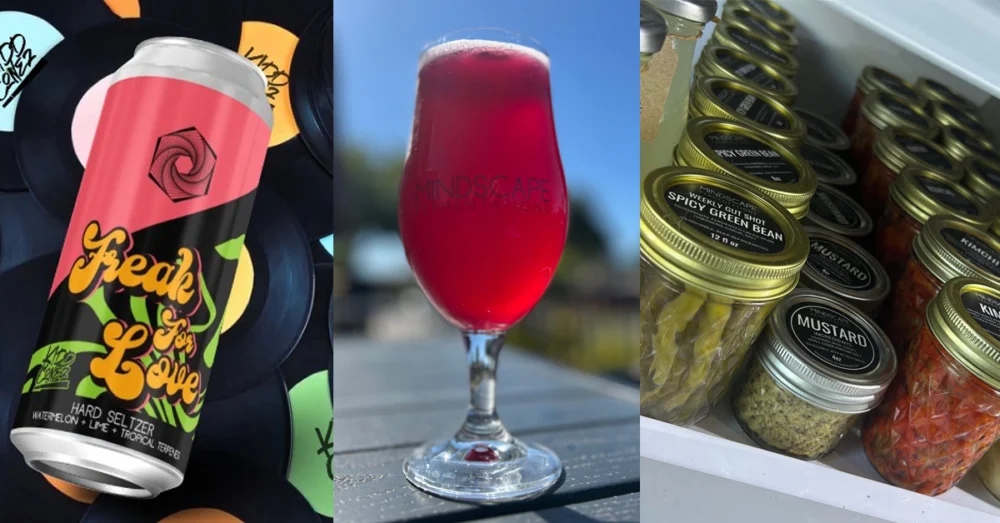
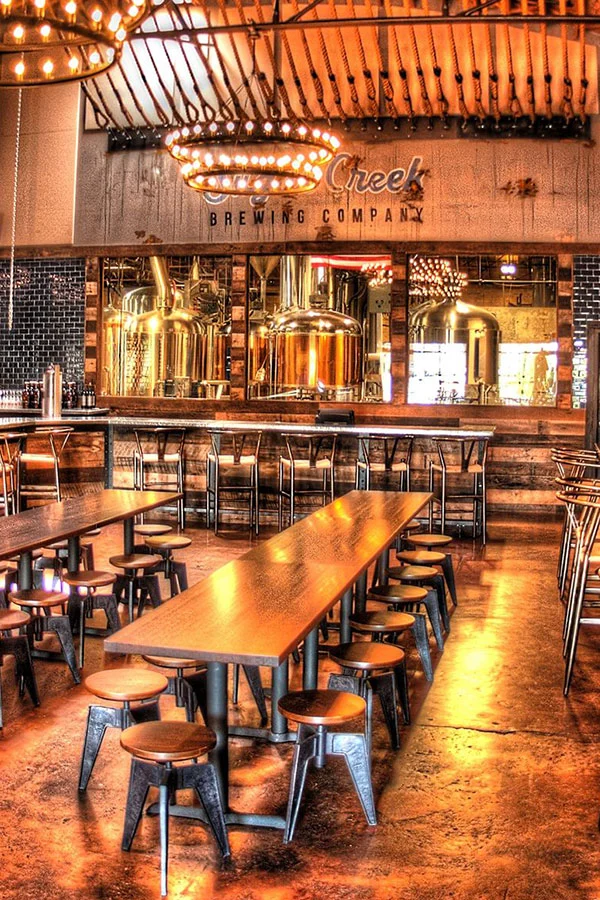
The global craft brewing industry is currently undergoing a fundamental transformation, moving away from the traditional model of isolated production facilities toward a more integrated, multifaceted community role. For decades, the definition of a craft brewery was centered on the brewhouse and the taproom—a place where beer was made and subsequently consumed. However, a combination of shifting consumer preferences, rising operational costs, and a saturated market has forced entrepreneurs to rethink the very architecture of their businesses. Today, breweries are no longer just breweries; they are increasingly serving as "third places," cooperative hubs, and experimental fermentation laboratories that cater to a demographic far broader than the traditional beer enthusiast.
The Shift Toward Multifunctional Spaces
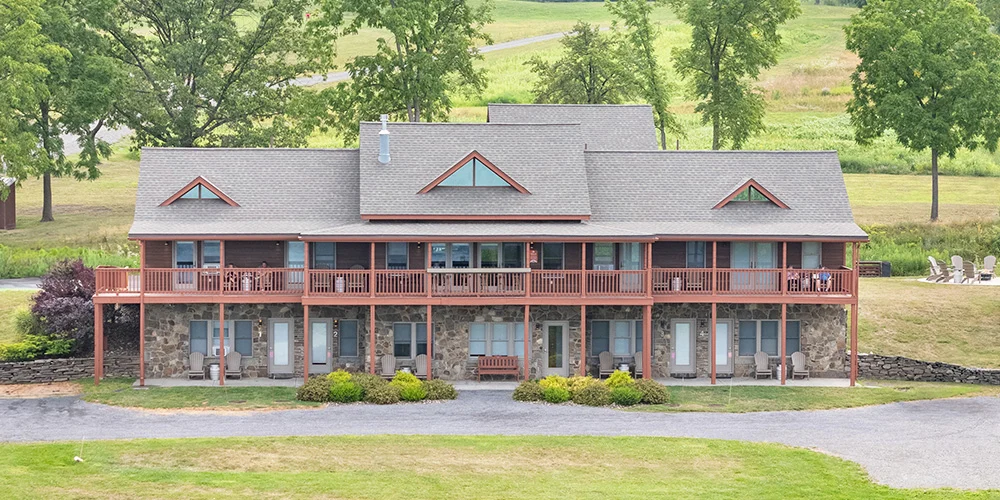
The evolution of the brewery space has occurred in distinct waves. Over the last decade, the industry saw the rise of "extended spaces," where owners added coffee shops, co-working areas, and even boutique lodging to their properties. This was a response to the "stay-all-day" consumer trend, encouraging patrons to treat the brewery as an extension of their home or office. More recently, however, the pressure of a volatile economic climate—characterized by fluctuating grain prices, increased energy costs, and a leveling off of craft beer sales growth—has driven a deeper conceptual shift.
In the United States, the Brewers Association has noted that while the total number of craft breweries continues to hover near record highs of over 9,500, the rate of new openings has slowed, and the number of closures has ticked upward. This environment has necessitated a "survival of the most integrated," where breweries must offer more than just a high-quality India Pale Ale to remain solvent. They must become indispensable to their local geography.
The Collective Model: Brasserie Les Semblables and the Tiers-Lieu
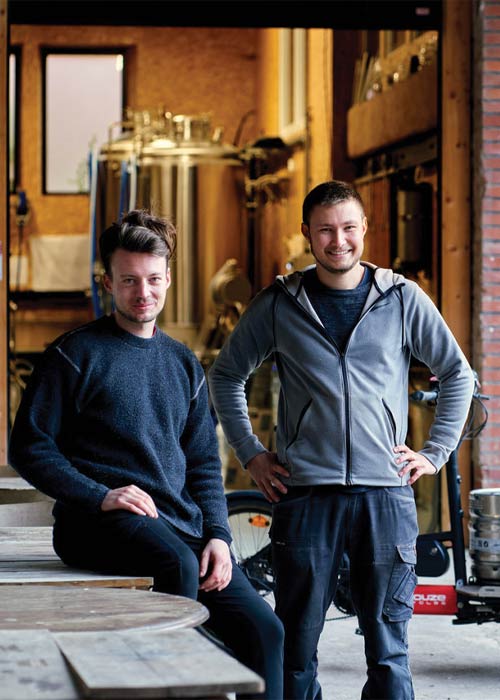
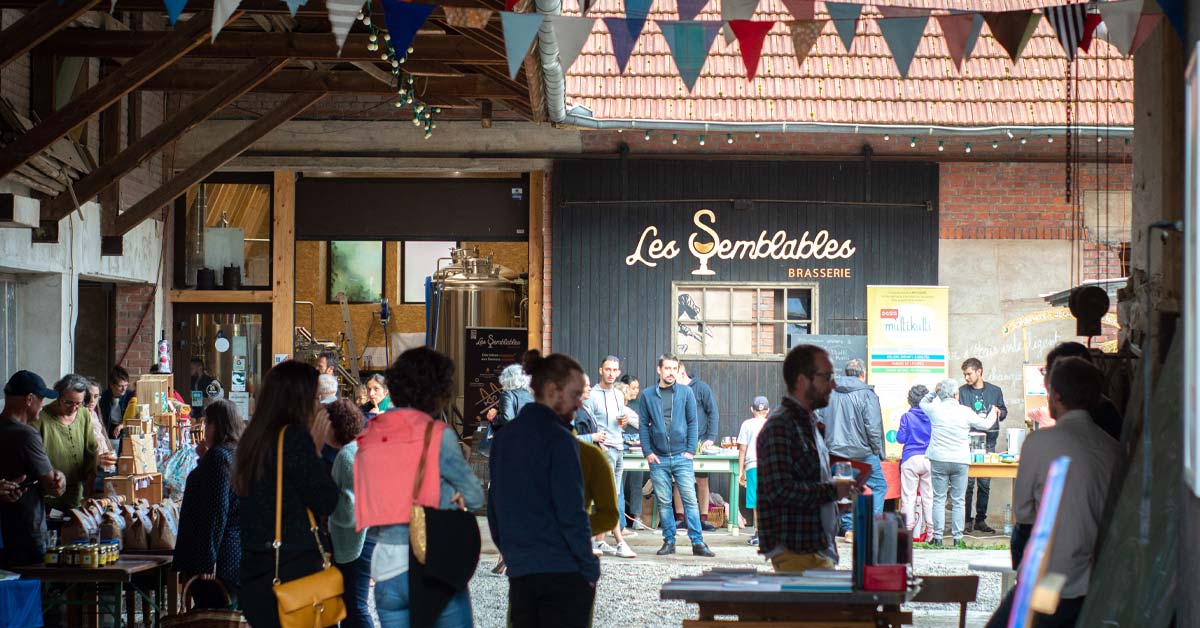
One of the most prominent examples of this new direction can be found in the Alsace region of France. When Eliott Pernelle and Etienne Voinson launched Brasserie Les Semblables, they intentionally avoided the traditional industrial park setting. Instead, they sought integration into a tiers-lieu, or "third place"—a term coined by urban sociologist Ray Oldenburg to describe social surroundings separate from the two usual social environments of home ("first place") and the workplace ("second place").
The duo settled at Oasis Multikulti, a community-run collective situated on an old farm in the village of Mietesheim. This venue is not merely a landlord for the brewery; it is a cultural ecosystem managed by volunteers that hosts pottery classes, community gardens, and farmers’ markets. By installing their brewing equipment in former stables, Pernelle and Voinson gained immediate access to an established audience.
The trade-off for this built-in community is a commitment to the collective’s upkeep. Pernelle, for instance, manages the social media for the entire Oasis Multikulti project. This symbiotic relationship reflects a broader trend in the European craft sector: the move toward "social entrepreneurship," where the success of a private business is inextricably linked to the health of the surrounding community.
Historical Precedents and the Rise of Cooperative Brewing
While the idea of shared brewing space may seem like a modern reaction to high real estate prices, it has deep historical roots. In the Upper Palatinate region of Bavaria, the tradition of Zoiglbier has persisted for over 500 years. This communal brewing practice involves non-professional brewers sharing a town-owned brewhouse. In 2018, UNESCO recognized the "Oberpfälzer Zoiglkultur" as part of Germany’s intangible cultural heritage, highlighting the enduring value of shared infrastructure.
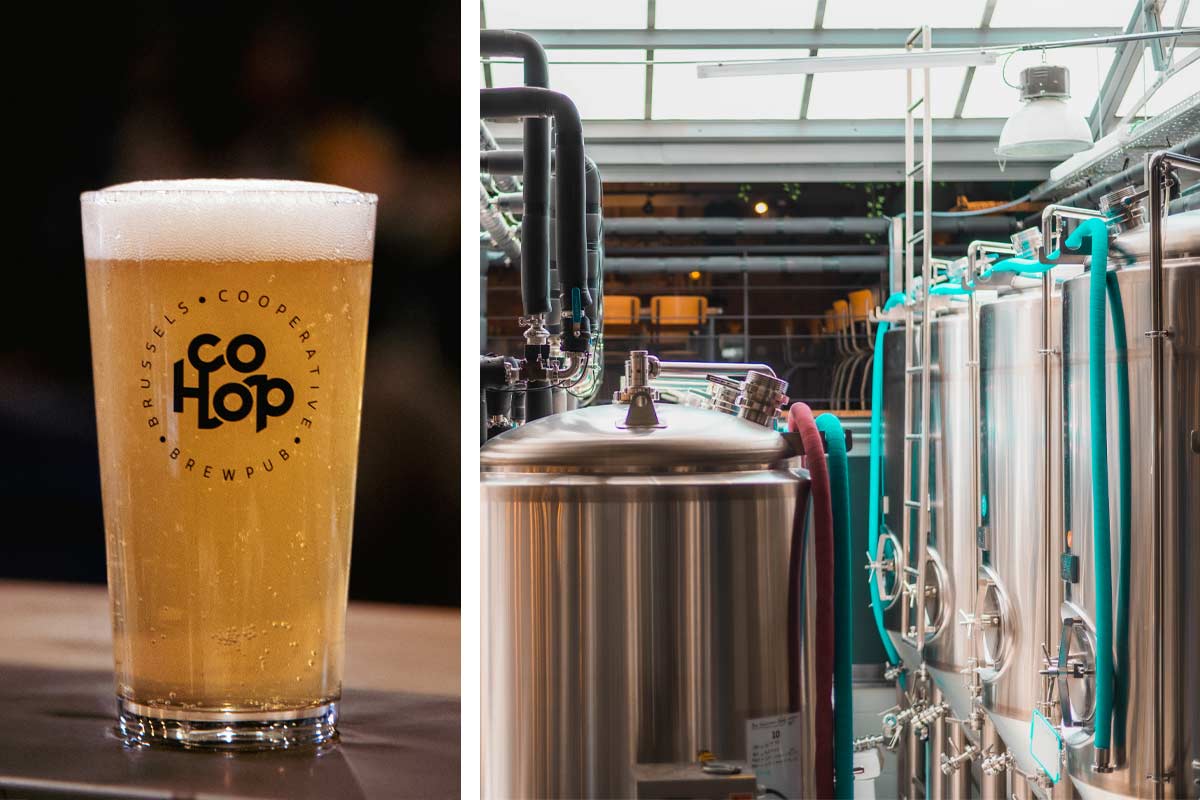
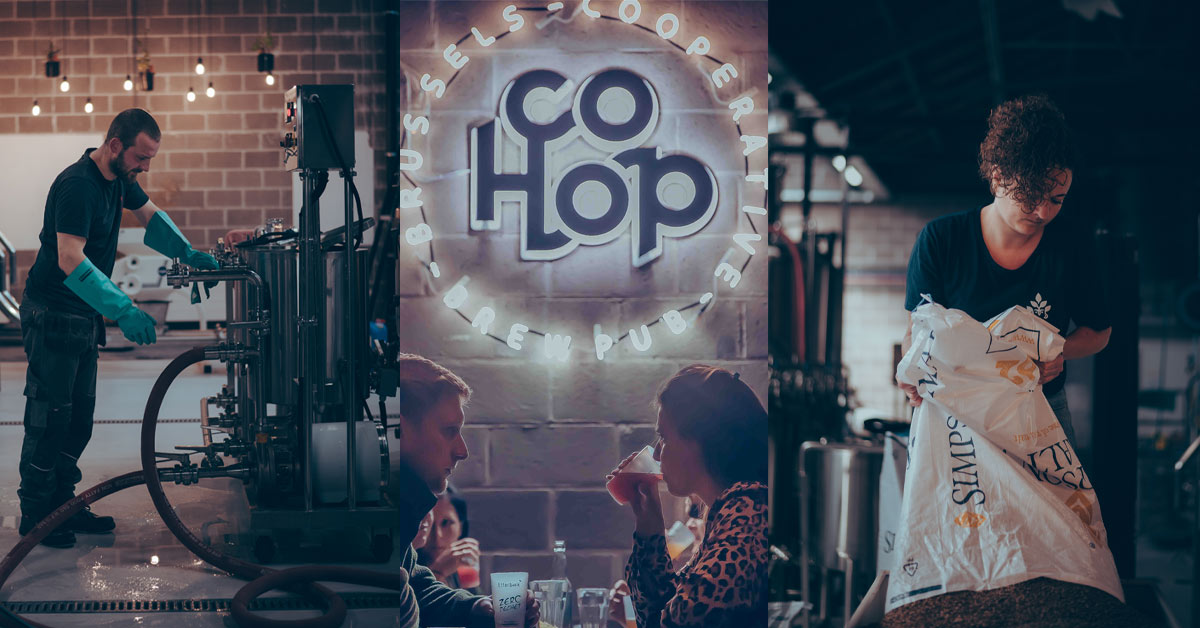
In modern Brussels, this ancient concept has been revitalized through CoHop, a cooperative brewery that opened in 2021. Founded by Thomas Detourbe of Brasserie Witloof and joined by other microbreweries including La Bagarre, Janine, 1Bière 2Tartines, and most recently La Flaque, CoHop represents a strategic response to the economic difficulties of contract brewing.
The cooperative model allows five distinct brands to share a single, high-spec brewhouse, drastically reducing the capital expenditure and overhead for each individual member. This model also promotes environmental sustainability, as a single facility requires less energy and water than five separate operations.
Operational Logistics of the Shared Brewery
The success of a shared space like CoHop depends on rigorous organizational structures. To prevent the "too many cooks" scenario, each participating brewery is assigned a specific operational pillar:
- Scheduling: One team manages the brewing calendar to ensure the equipment is utilized at maximum efficiency without conflict.
- Procurement: Another team handles the bulk ordering of raw materials—malt, hops, and yeast—leveraging the collective’s buying power to secure lower prices.
- Maintenance: A dedicated group oversees equipment upkeep and technical repairs.
- Retail and Hospitality: The onsite taproom serves products from all five breweries, while an integrated bakery (managed by Janine) provides bread for the restaurant, creating a circular economy within the building.
This level of cooperation requires a departure from the "rugged individualist" persona often associated with craft brewing. As Rémi Pequin, coordinator of CoHop and founder of La Bagarre, notes, the current economic climate makes the "go-it-alone" strategy increasingly risky. Sharing resources allows each brand to maintain its unique identity while benefiting from a robust, shared backbone.
The Fermentarium: Expanding the Liquid Portfolio
Beyond the physical space, some brewers are redefining their identities by moving away from the word "brewery" altogether. The emergence of the "fermentarium" or "fermentery" signifies a shift in focus from grain-based alcohol to the broader science of fermentation.
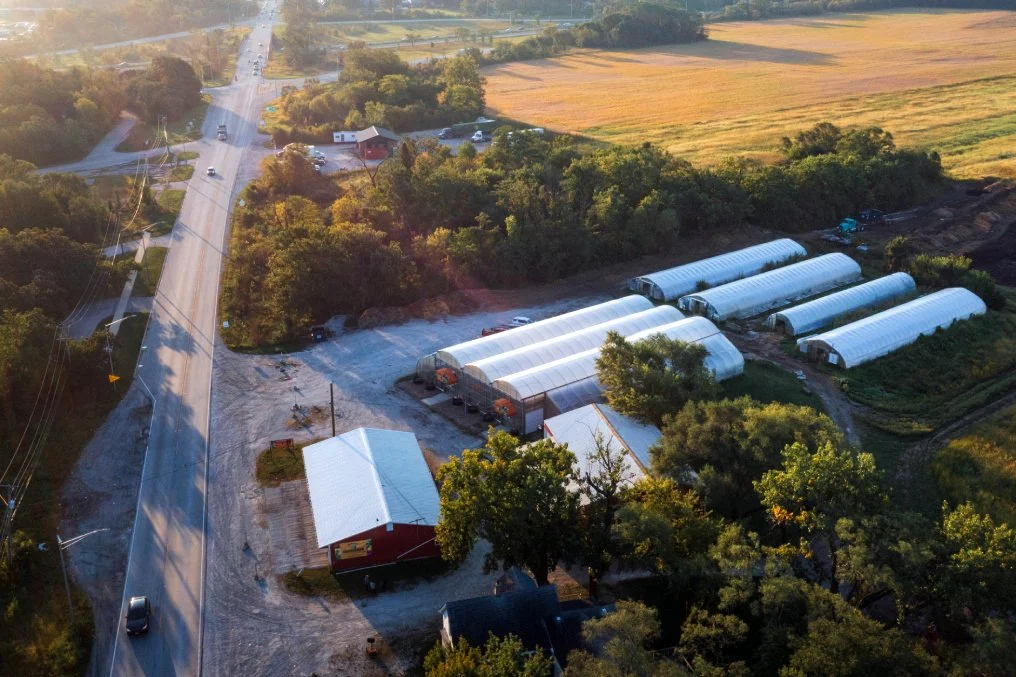
This movement is exemplified by businesses such as Fermentery Form in Philadelphia, which utilizes winemaking techniques and the Solera system to create co-fermented beverages, and Mindscape Fermentations in Rocklin, California. Founded by Lauren Price and Lauren Houston, Mindscape was designed to transcend the traditional brewery definition. By producing beer alongside kombucha, seltzer, and fermented foods, they have created a diversified portfolio that mitigates the risks associated with the fluctuating popularity of specific beer styles.
Demographic Diversification and the "Beyond Beer" Trend
The transition to a fermentation-focused model is also a demographic strategy. Traditional craft beer spaces have historically leaned toward a male-dominated audience. However, the "Beyond Beer" category—which includes hard kombucha, cider, and low-alcohol fermented beverages—has shown a higher resonance with women and health-conscious consumers.
Mindscape Fermentations reports that their focus on a wider variety of fermented products has resulted in a taproom audience that is roughly 50% female, a significant departure from the industry average. This aligns with broader market data: according to a 2023 report by IWSR Drinks Market Analysis, the "no- and low-alcohol" category is expected to grow by a compound annual growth rate (CAGR) of 7% globally between 2023 and 2027. By positioning themselves as "fermentoria," these businesses are tapping into the wellness trend while maintaining their craft credentials.
Economic Implications and Industry Analysis
The shift toward community-integrated and shared-resource models is a logical response to the "post-peak" craft beer era. In the early 2010s, the primary challenge for a brewery was meeting surging demand. In the 2020s, the challenge is managing margins in a high-cost, high-competition environment.
Key Economic Drivers:
- Real Estate Costs: Urban industrial space has become prohibitively expensive for small-scale production. Shared facilities like CoHop or tiers-lieu settings like Oasis Multikulti allow for lower per-square-foot costs.
- Market Saturation: With nearly 10,000 breweries in the US and thousands more across Europe, "brand fatigue" is a real threat. Integrated spaces provide a "destination" appeal that a standalone taproom might lack.
- Consumer Versatility: Modern drinkers are less loyal to a single category. The ability to offer a fermented seltzer or a craft kombucha alongside a Pilsner allows a business to capture more "occasions" from the same customer.
The Future of the Fermented Space
The redefinition of the brewery is likely to continue as the industry matures. The "Brewery 2.0" model is characterized by a move away from pure production and toward a more holistic, service-oriented approach. Whether it is through the revival of communal brewing traditions or the adoption of the "fermentarium" label, the goal remains the same: to create a resilient business that is woven into the social and economic fabric of its community.
As the industry moves forward, the breweries that thrive will likely be those that view themselves not just as makers of a product, but as facilitators of a place. The transition from a "facility" to a "collective" or a "fermentorium" is not just a branding exercise; it is a fundamental adaptation to a new era of consumption. In the words of the owners of CoHop and Mindscape, the question is no longer how to make the best beer, but how to create the most sustainable and inclusive community around the art of fermentation. This evolution suggests that while the liquid in the glass may change, the brewery’s role as a cornerstone of local culture is more vital—and more complex—than ever before.