admin
admin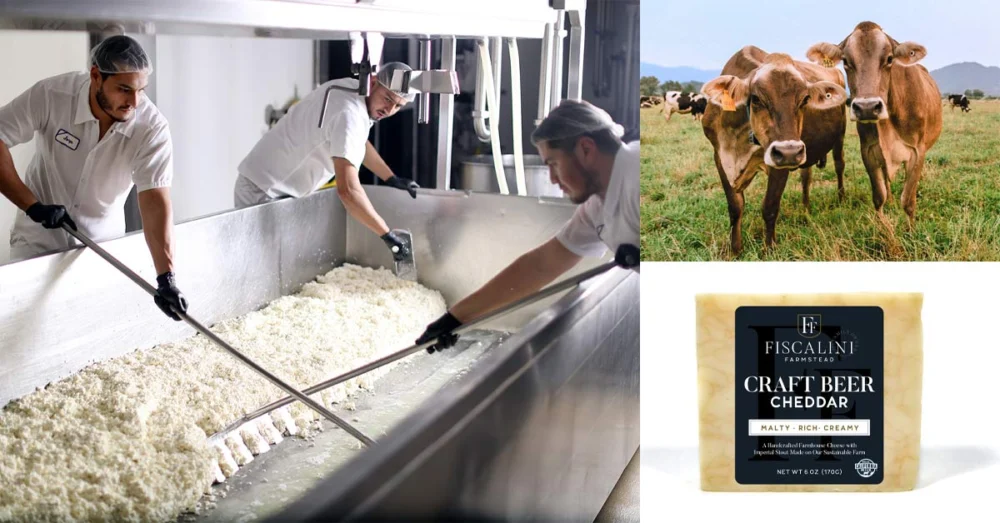
The landscape of American artisanal food is currently witnessing a sophisticated transformation as two of the nation’s most storied fermentation traditions—craft brewing and farmstead cheesemaking—converge to redefine a classic category. While beer cheese was once synonymous with a spicy, orange-hued spread served in Kentucky taverns, a new generation of producers is elevating the concept by integrating craft beer directly into the cheesemaking process. This shift represents a move away from using beer as a flavoring agent for leftovers and toward a culinary collaboration that emphasizes traceability, chemistry, and regional identity.
The Historical Foundations of Beer Cheese in America
The origins of beer cheese are rooted in the 1940s in Clark County, Kentucky. The product is widely believed to have first appeared at Johnny Allman’s, a restaurant situated along the Kentucky River. The original iteration was born out of a desire for sustainability and flavor enhancement, utilizing leftover sharp cheddar cheese and flat beer as its primary components. According to Kathy Gorman Archer, president of Howard’s Creek Authentic Beer Cheese—the successor to the Allman’s legacy—the traditional recipe was "kicked up" with cayenne pepper and garlic, reflecting a mid-century American interest in southwestern-inspired heat.
In 2006, Archer revived the brand to significant acclaim, solidifying the "Kentucky style" as a distinct American foodway. This traditional version is a cold-pack cheese, meaning the ingredients are blended without being heated, preserving the sharp tang of the cheddar and the carbonated bite of the beer. However, as the American craft beer movement exploded from a niche hobby into a multibillion-dollar industry over the last two decades, cheesemakers began to see the potential for more integrated partnerships.
The Technical Shift: From Blended Spreads to Curd Infusion
The contemporary "beer cheese" differs fundamentally from its 1940s predecessor. Rather than mixing finished cheese with beer to create a dip, modern farmstead cheesemakers are introducing beer at the vat stage. This process involves adding beer or hops to the milk or the curds during the early stages of production.
This evolution requires a deep understanding of biochemistry. The primary challenge in integrating beer into cheese is managing the pH levels. Milk typically has a pH of approximately 6.4 to 6.8. During the cheesemaking process, starter cultures convert lactose into lactic acid, dropping the pH. If the acidity of the beer causes the pH to drop too low (below 4.0), the resulting curds become rubbery and fail to knit together. Conversely, if the pH remains too high, the cheese will not achieve the structural integrity required for aging. Cheesemakers like Rynn Caputo of Caputo Brothers Creamery have turned this balance into a precise science, allowing for the creation of aged goudas and cheddars that carry the molecular signature of the beer.
West Coast Innovations: Rogue Creamery and Fiscalini Farmstead
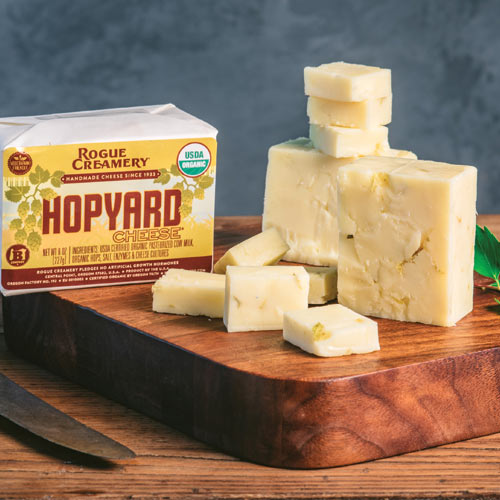
In the Pacific Northwest, Rogue Creamery has been a pioneer in the intersection of dairy and brewery operations. Based in Oregon, the creamery has long been associated with the neighboring Rogue Ales, though the two operate as separate entities. For nearly a decade, Rogue Creamery has collaborated with Portland’s Hopworks Brewery to produce a Chocolate Stout Cheddar.
The technique used at Rogue involves adding the stout just as the whey begins to separate from the curd. This timing allows the milk solids to absorb the malty sweetness of the beer without overwhelming the delicate cultures. The result is a marbled cheese that offers a subtle maltiness rather than a direct alcoholic flavor. Rogue has further pushed boundaries with its "Hopyard" cheddar, which utilizes fresh, local Northwest-grown hops mixed directly with the curds. This mimics the "dry-hopping" process used in IPAs, providing floral and citrus notes that resonate with the West Coast’s signature beer styles.
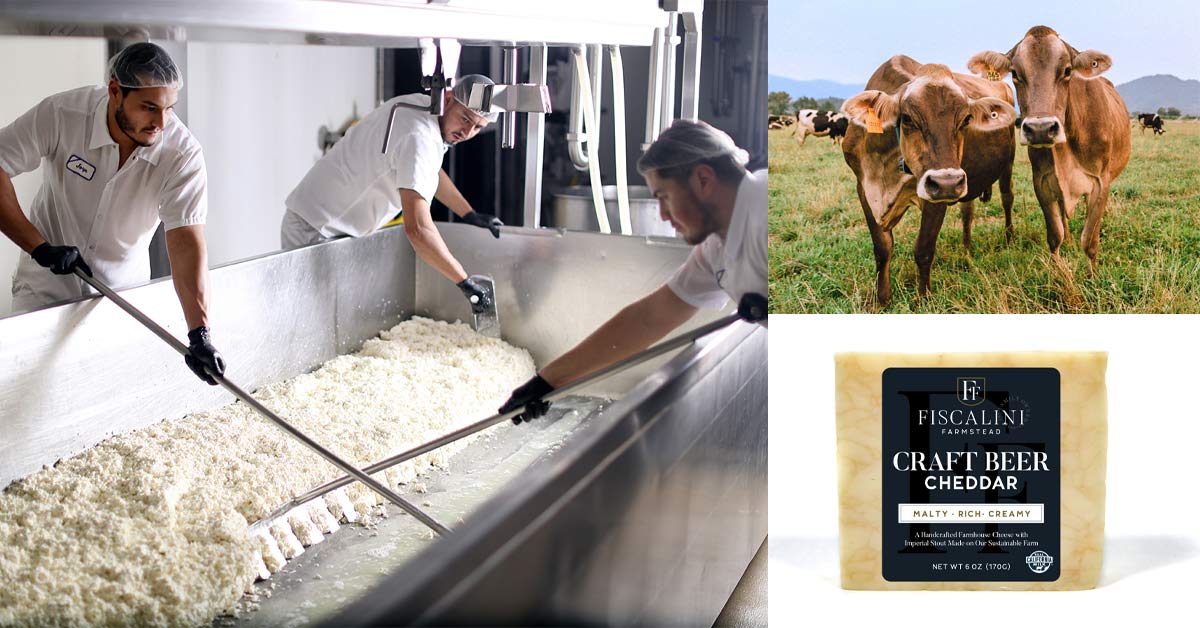
Further south, in Modesto, California, Fiscalini Farmstead has leveraged its status as a fourth-generation dairy to create a highly traceable product. Unlike many producers who source milk from various cooperatives, Fiscalini uses milk exclusively from its own herd. Their Craft Beer Cheddar is a collaboration with Dust Bowl Brewing, using the "Black Blizzard" Imperial Stout.
The Fiscalini process involves mixing the stout with the curds before they are pressed into 40-pound blocks. The overnight pressing phase ensures the beer is infused throughout the entire body of the cheese, creating a mottled aesthetic and a flavor profile defined by coffee and roasted malt. This integration highlights the "culinary collaboration" where the enzymes of the brewmaster’s malted barley meet the microbial enzymes of the cheesemaker’s starter cultures.
The Pennsylvania Model: Regional Economic Synergy
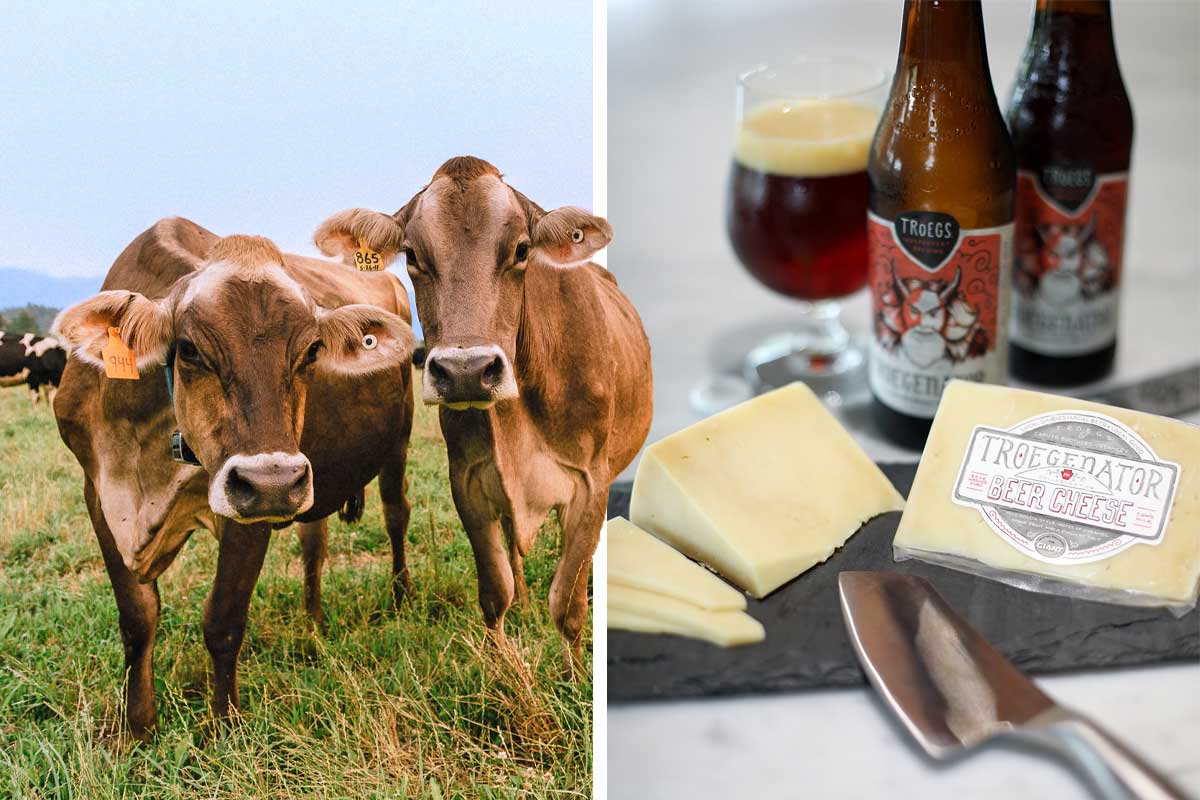
In Pennsylvania, the development of beer cheese has taken on a significant economic dimension. Giant Food Stores, a major grocery chain in the Mid-Atlantic, recently facilitated a tripartite partnership between Caputo Brothers Creamery and Tröegs Independent Brewing. The goal was to create a local product where the dairy farms sat geographically in the center of the brewery and the creamery, creating a closed-loop regional impact.
Caputo Brothers, which originally specialized in Italian-style cheeses, adapted their techniques to create a beer-infused gouda using Tröegs’ "Troegenator" Double Bock. The high sugar content and dark malt profile of the Double Bock lend the cheese a golden hue and a distinct sweetness. Following the success of this collaboration, the creamery expanded into using "Perpetual IPA" and "Mad Elf," a high-gravity Belgian holiday ale.
For the IPA-based cheese, Caputo Brothers developed a "hop milk" by dry-hopping the raw milk with Citra hops before the cheesemaking process began. This technique ensures that the volatile aromatic compounds of the hops are trapped within the fat globules of the cheese, resulting in a product that Rynn Caputo describes as "eating a beer."
Washed Rinds and Urban Creameries: The New Frontier
While many producers focus on curd infusion, others are utilizing the "washed-rind" technique to incorporate beer. This method, rooted in European monastic traditions, involves bathing the exterior of the cheese in a brine solution—in this case, a mixture of beer, bacteria cultures, and salt.
Tulip Tree Creamery in Indianapolis has mastered this approach, collaborating with local breweries like Sun King and Central Point. By washing double-cream cheeses in porters and pilsners, they create a pungent, savory exterior that contrasts with a creamy interior. This method allows the beer’s yeast and bacteria to interact with the cheese’s rind, creating complex aromatic profiles that range from earthy to fruity.
The trend has also moved into major metropolitan centers. Urban Stead Cheese in Cincinnati, Ohio, operates as an urban creamery, bringing the dairy process into a city environment. Reflecting Cincinnati’s German heritage, Urban Stead produces a "Kentucky-style" fresh beer cheese using Braxton Brewing’s "Storm" Golden Cream Ale. Because this is a fresh cheese—specifically a quark-style—it does not require the lengthy aging process of a cheddar or gouda. This allows for a faster production cycle, helping urban creameries balance the cash flow challenges associated with their long-aged counterparts.
Market Implications and Future Outlook
The rise of artisanal beer cheese is more than a culinary fad; it is a strategic response to changing consumer preferences. According to data from the Brewers Association and specialty food trade groups, consumers are increasingly seeking "experiential" foods that offer a sense of place and story.
The implications of these collaborations are three-fold:
- Sustainability: By using beer in the cheesemaking process, creameries and breweries can create value-added products that cross-promote local industries.
- Diversification: For dairy farmers, farmstead cheesemaking offers a higher profit margin than selling fluid milk to large processors. Adding a "craft beer" label further increases the premium price point.
- Innovation in Fermentation: The technical exchange between brewers and cheesemakers is leading to a better understanding of how different yeast strains and hop acids interact with dairy proteins, potentially leading to entirely new categories of fermented foods.
As the paradigm shifts from the tangy, spicy spreads of the 1940s to the sophisticated, vat-infused cheddars and washed-rind goudas of today, beer cheese has secured its place as a cornerstone of the American craft food movement. It is no longer merely a snack to be washed down with a pint; it is a complex, aged product that demands the same level of appreciation as the beverages that inspired it. The continued success of these partnerships suggests that the future of American artisanal food lies in the intersection of different fermentation crafts, where the sum is greater than the individual ingredients.