admin
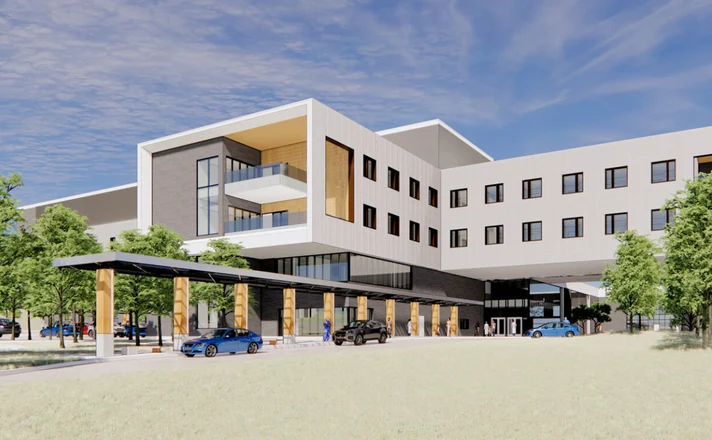
The Nova Scotia government is currently facing intense scrutiny after documents obtained by the provincial Opposition revealed that the Progressive Conservative administration has been consistently paying a construction company over $31,500 monthly for a health-care centre project in New Waterford, Cape Breton, despite the fact that construction has yet to commence on the site. This revelation has ignited a political firestorm, drawing sharp criticism from opposition parties and raising significant questions about fiscal responsibility and the transparency of major provincial infrastructure initiatives, particularly in the critical healthcare sector. The project, which includes a new hospital and a long-term care home, was initially announced with much fanfare eight years ago by the previous Liberal government, promising a significant upgrade to healthcare services for the New Waterford community.
The Unfolding Controversy: Payments for Inactivity
The core of the controversy stems from a Freedom of Information and Protection of Privacy (FOIPOP) request filed by the Nova Scotia New Democratic Party (NDP). These documents, reportedly prepared for Health Minister Michelle Thompson in July 2026, unequivocally show that Build Nova Scotia, a provincial Crown corporation responsible for infrastructure projects, has been remitting a monthly management fee of $31,555 to PCL Construction. This fee, the NDP highlights, is being paid for a project that remains entirely on hold, with no physical progress visible on the designated site.
NDP Leader Claudia Chender minced no words in her assessment of the situation, stating, "I think that what our FOIPOP shows is that this government is paying (about) $30,000 a month to a company to do nothing. That this government has already decided not to go ahead with a project that the community has been waiting for for eight years." Her remarks underscore the deep frustration felt by the Opposition and, presumably, by residents of New Waterford, who have long anticipated the promised healthcare improvements. The NDP further noted that this monthly figure, while substantial, had already been negotiated down from a much higher initial proposal of $326,000 per month, suggesting a previous period of even greater potential expenditure on an unmoving project.
A Project in Limbo: The Eight-Year Timeline
The New Waterford health-care centre and long-term care facility project has a history stretching back nearly a decade, marked by promises, delays, and now, a costly pause.
August 2018: The project was first unveiled by then-Premier Stephen McNeil and his Liberal government. The announcement was part of a broader "Cape Breton Health Care Redevelopment Project," which aimed to modernize and expand healthcare infrastructure across the island. The New Waterford component was touted as a cornerstone, designed to replace aging facilities and provide integrated health services to the community, including a new 12-bed hospital, a 60-bed long-term care home, and a community health centre. The estimated cost at the time was significant, reflecting the scope of the planned facilities.

2018-2021: Following the initial announcement, preliminary work, including site preparation, planning, and design, was expected to commence. However, tangible progress remained elusive, leading to growing impatience within the community. The Liberal government faced questions regarding the pace of development, often citing complex planning processes and procurement challenges.
August 2021: A provincial election brought a change in government, with the Progressive Conservatives, led by Tim Houston, sweeping into power. While the PC platform emphasized improving healthcare, the new government initiated reviews of several large-scale infrastructure projects inherited from the previous administration, including the New Waterford development.
May 2026: In a significant indicator of the project’s stalled status and the mounting local concern, an email from a group of New Waterford physicians was sent, outlining their "major concerns" about the lack of progress. The physicians reportedly conveyed that the prolonged inaction had "eroded confidence" in the project’s future, highlighting the detrimental impact on local healthcare provision, staff morale, and patient care planning. The content of this email underscores the critical need for these facilities and the professional anxiety caused by the uncertainty.
July 2026: The FOIPOP documents, central to the current controversy, were prepared for Health Minister Michelle Thompson. These documents detailed the ongoing monthly payments to PCL Construction, confirming that the site remained in a state of managed inactivity.
November 26, 2026: The NDP publicly releases the FOIPOP documents, bringing the issue of the monthly payments for the stalled project into the public domain and triggering the current debate.

This chronology paints a picture of a project that has been caught in a cycle of political transitions, administrative reviews, and significant delays, all while taxpayer money continues to be expended.
The Financial Burden and Opportunity Cost
The monthly payment of $31,555 to PCL Construction, while a reduction from the initially proposed $326,000, still translates to an annual expenditure of approximately $378,660. Over the years that the project has been stalled, particularly since the current government initiated its review, these cumulative costs represent a substantial drain on public funds for what critics argue is essentially "nothing."
To put this figure into perspective, nearly $380,000 annually could fund:
- Several front-line healthcare professionals: The average salary for a registered nurse in Nova Scotia ranges from $70,000 to $90,000. This annual sum could cover the salaries of at least four to five full-time nurses, nurse practitioners, or other allied health professionals, directly addressing critical staffing shortages in the province.
- Essential medical equipment: This amount could procure several vital pieces of medical equipment for existing clinics or hospitals, such as ultrasound machines, specialized diagnostic tools, or multiple patient monitors, enhancing immediate patient care capabilities.
- Support for community health programs: Funds could be allocated to outreach programs, mental health initiatives, or preventative care services that directly benefit communities, particularly in rural areas like New Waterford that often struggle with access to care.
- Facility upgrades or maintenance: It could contribute significantly to deferred maintenance in other healthcare facilities across the province, improving safety and functionality for both patients and staff.
The concept of "opportunity cost" is particularly salient here. For every dollar spent on maintaining a paused construction site, a dollar is unavailable for active healthcare delivery or investment in other pressing needs within Nova Scotia’s healthcare system, which is frequently cited as being under strain. With a provincial budget that must balance numerous competing priorities, the expenditure on a dormant project becomes a focal point for questions about efficient resource allocation.
Voices from the Community and Opposition
The public revelation of these payments has resonated deeply within New Waterford and across Nova Scotia. The community, having waited for eight years, feels a renewed sense of disappointment and betrayal. Local residents have expressed concerns about the continued decline of healthcare access in the area, with some fearing that the pause signals an indefinite delay or even cancellation of the much-needed facilities. The physicians’ May email provided a professional endorsement of this public sentiment, highlighting the practical implications of uncertainty on patient care and healthcare provider morale and retention. A stable, modern healthcare facility is not just about buildings; it’s about attracting and retaining medical professionals, which is a constant challenge for rural communities.

Liberal Leader Becky Druhan echoed the NDP’s criticism, asserting that the government’s handling of the project was indicative of broader fiscal mismanagement. "They wouldn’t be in this position if they followed the rules, spent responsibly, and had more funds available to actually move ahead with projects that were promised," Druhan stated. Her comments suggest a pattern of government oversight issues, implying that the current administration is struggling to manage its infrastructure portfolio effectively. Both opposition parties are leveraging this issue to question the government’s competence and commitment to delivering on essential public services.
Government’s Stance and Future Plans
Health Minister Michelle Thompson acknowledged the payments and the pause, offering a defense rooted in the need for a comprehensive reassessment of the project. She explained that the work on the health and long-term care centres has indeed been paused because she believes it is crucial to obtain fresh input from the community before proceeding.
"So I understand that it’s a concern. Money is a concern. Workforces are concerned. The way we deliver services. So all of those things are things that need to be discussed," Thompson explained. She emphasized her desire to engage directly with the community. "But I want to talk to the community and be in the community and talk to some folks first. And then we’ll have more to say more broadly."
Regarding the $31,555 monthly fee, Minister Thompson clarified that it is not for "doing nothing" but rather for maintaining the work site. She stated that trailers and other assets remain on the site, requiring electricity, heating, and general upkeep. "We have not cancelled the contract and we can’t fully dismantle that site as a result, so that is the cost of having those assets there," she explained, adding, "Making sure that they’re heated and maintained and all of those things." This explanation suggests that the government views the payment as a necessary holding cost to preserve the existing infrastructure and avoid potential legal ramifications or further costs associated with premature contract termination and site abandonment.
While the Minister’s explanation provides a rationale for the ongoing expenditure, it does little to assuage the concerns of the Opposition or the frustrations of a community that has been waiting for years. The delay in community consultations, with "no dates set" for the health minister’s meeting in New Waterford, further contributes to the perception of inertia.

Broader Implications for Nova Scotia’s Healthcare Landscape
This New Waterford situation is not an isolated incident but rather a microcosm of the larger challenges facing Nova Scotia’s healthcare system. The province has been grappling with doctor shortages, long wait times, and an aging population requiring increased long-term care capacity. Infrastructure projects are vital to addressing these issues, but their efficient execution is paramount.
The political implications are significant. For the Progressive Conservative government, the optics of paying a substantial sum for a stalled project, especially in healthcare, can erode public trust and provide potent ammunition for opposition parties. It raises questions about project management, accountability, and the government’s ability to deliver on its promises. For communities like New Waterford, the prolonged uncertainty can lead to a sense of abandonment and disillusionment, potentially impacting social cohesion and economic development as healthcare access is a key factor in community viability.
Furthermore, the incident highlights the complexities of large-scale public infrastructure projects, particularly those spanning multiple political administrations. Changes in government often bring reviews and reassessments, which, while sometimes necessary for due diligence, can also lead to costly delays and project restarts. This case underscores the need for robust, long-term planning mechanisms that can withstand political transitions and ensure continuity in critical public investments.
Looking Ahead
The coming weeks will likely see increased pressure on the Nova Scotia government to provide a clear path forward for the New Waterford health development. The Health Minister’s promised community consultations will be a critical juncture, offering an opportunity for direct engagement and for the government to articulate a revised vision and timeline for the project. The community will be seeking concrete answers, not just reassurances.
Meanwhile, the Opposition parties are expected to maintain their scrutiny, continuing to highlight the financial expenditures and the human cost of the delays. The outcome of this particular project in New Waterford could serve as a bellwether for how the provincial government manages its broader healthcare infrastructure agenda and its commitment to delivering essential services to all Nova Scotians. The eyes of New Waterford, and indeed the province, will be fixed on the next steps, hoping that the long-awaited health centre can finally transition from a costly pause to active construction.