admin
This indigenous American tree, Carya cordiformis, long dismissed for its bitter nuts, is now at the heart of an innovative agricultural initiative transforming regional food systems and offering a sustainable alternative to conventional cooking oils. In southeastern Pennsylvania, a collective of farmers, scientists, and community volunteers is pioneering efforts to cultivate, harvest, and process yellowbud hickory nuts into a versatile and nutritious oil, challenging established perceptions of local ecosystems and agricultural potential. This development comes at a pivotal moment, as global food systems grapple with climate change, soil degradation, and increasing consumer demand for locally sourced, sustainable products, while also navigating public discourse around the health implications of various cooking oils.
Reclaiming a Native Treasure: The Yellowbud Hickory’s Culinary Rediscovery
For centuries, Carya cordiformis was known by many names—yellowbud hickory, bitternut hickory—and often, disparagingly, as a "trash tree." Unlike its more celebrated relatives like the shagbark hickory, known for its sweet nuts, or the sturdy oak valued for its timber, the yellowbud offered little perceived economic benefit to post-colonial settlers. Its nuts, encased in thin, dull yellow-green husks, are notably bitter when raw, attributed to high concentrations of water-soluble tannins, which act as a natural deterrent to predators. This characteristic led to its widespread neglect in agricultural development, despite its abundant presence across 33 states, spanning the Mid-Atlantic, Midwest, and Southeast.
However, this oversight stands in stark contrast to the historical practices of Indigenous populations, such as the Lenape, original inhabitants of what is now Pennsylvania. These communities possessed deep ecological knowledge, valuing the yellowbud hickory for its robust wood, used in tool-making, and understanding methods to process its nuts into nourishing milks and other food products. The displacement of these populations in the 17th and 18th centuries, driven by European agricultural expansion that prioritized annual crops and timber, led to the loss of much of this invaluable traditional knowledge. Forests, once seen as living larders, were largely viewed as obstacles to be cleared for conventional farming, relegating native nut trees like the yellowbud hickory from a food source to an ignored nuisance.

The tide began to turn in the early 2000s, thanks to the pioneering work of wild harvester Sam Thayer in Wisconsin. Thayer, renowned for his expertise in identifying edible wild plants, recognized the yellowbud’s untapped potential. He discovered that despite their raw bitterness, the nuts possessed an exceptionally high oil content, ranging from 70-75 percent by weight—significantly surpassing olives, which typically yield around 35 percent oil. Crucially, Thayer found that the pressing process effectively separated the water-soluble tannins, transforming the bitter kernels into a mellow, bright, and distinctly flavored oil. This revelation sparked a renewed interest in the species, highlighting a forgotten resource that had been literally underfoot for generations.
Nutritional Profile and Market Potential
The nutritional analysis of yellowbud hickory nut oil has further solidified its appeal. Initial testing indicates a favorable health profile, characterized by a high proportion of heart-healthy monounsaturated fatty acids and a relatively low saturated fat content, at approximately 10 percent. This compares favorably to palm oil, which can contain up to 50 percent saturated fat, and positions it alongside other esteemed culinary oils like olive and avocado oil. Furthermore, yellowbud hickory oil boasts a high smoke point, hovering around 400 degrees Fahrenheit, making it suitable for a wide range of culinary applications, from sautéing and roasting to use in dressings and as a finishing oil. This versatility makes it an attractive option for both home cooks and professional chefs seeking locally sourced, healthy fats.
The emergence of yellowbud hickory oil also intersects with a broader public conversation regarding cooking oils. While certain "seed oils" have faced vilification from some health influencers and figures like Health Secretary Robert F. Kennedy Jr., public health experts and scientific consensus generally distinguish between highly refined, industrially processed oils and naturally extracted, specialty oils. The yellowbud hickory oil, produced through a minimal mechanical pressing process, aligns with the latter category, offering a nutritious fat source that consumers are increasingly seeking as they prioritize whole, less processed foods. The market for specialty oils has seen steady growth, driven by consumer interest in unique flavors, health benefits, and sustainable sourcing. According to market research reports, the global specialty oil market is projected to expand significantly, with consumers increasingly willing to pay a premium for products with transparent origins and ecological credentials.
Building an Agroforestry Ecosystem: From Nursery to Orchard
The vision of integrating yellowbud hickories into mainstream agriculture is being realized through a collaborative network, starting with seedling cultivation. Jesse Marksohn, founder of Yellowbud Farm, a wholesale nursery in Northfield, Massachusetts, is at the forefront of this effort. Inspired by Thayer’s discoveries, Marksohn cultivates hundreds of thousands of trees, including yellowbud hickories, using sustainable practices free from chemical fungicides, herbicides, or insecticides. His nursery has already supplied nearly 7,000 yellowbud hickory seedlings to growers across the tree’s native range, from the Northeast to the Southeast. These seedlings represent a long-term investment, as cultivated yellowbud hickories are estimated to take between five and seven years to begin producing nuts.

One of the early adopters of Marksohn’s seedlings is Bloom Farm, located in the scenic Oley Valley of Berks County, Pennsylvania. Founded by brothers Brian and Sam Nana-Sinkam, Bloom Farm is a regeneratively managed orchard and educational center. Brian Nana-Sinkam, who transitioned from a tech career in New York City in 2024, describes the allure of yellowbuds: "Once you start to see the shape of the yellowbud, its canopy and leaves, finding them becomes so addicting." At Bloom Farm, two-year-old yellowbud hickories grow in carefully planned rows alongside chestnuts, integrated into an agroforestry system that includes companion plantings and rotational grazing by sheep and chickens. This holistic approach aims to create a resilient ecosystem where trees not only yield nuts but also enhance soil health, sequester carbon, and provide habitat for pollinators.
While their cultivated trees mature, Bloom Farm is actively engaged in learning from wild yellowbud populations. For the past two years, they have mapped dozens of robust wild trees across the Oley Valley and surrounding Berks County, identifying specimens that are prolific nut producers and show resilience against pests and diseases. This community-driven mapping initiative is crucial for understanding the optimal conditions for yellowbud growth and for identifying superior genetic stock.
Research, Technology, and Community Engagement
The Rodale Institute, a nonprofit leader in organic and regenerative agriculture, has partnered with Bloom Farm to provide vital technical expertise to this scouting initiative. Orchard scientist Richard Tegtmeier highlights the importance of this collaboration: "Bloom is interested in the foraging aspect of it. I’m interested in identifying new sources of good genetics and identifying which trees are producing the best quality nuts each year, even in unmanaged conditions." Rodale deploys advanced tools, including drones for aerial identification of healthy stands and hyperspectral (light-sensing) technology to analyze the fatty acid profiles of foraged nuts. This data is invaluable for breeders like Marksohn, informing the selection of resilient orchard varieties that can thrive in low-input, organic systems. The goal is to "rethink the breeding process to keep them in those kinds of low-input systems, and breed for better yields and better nut quality," Tegtmeier explains.
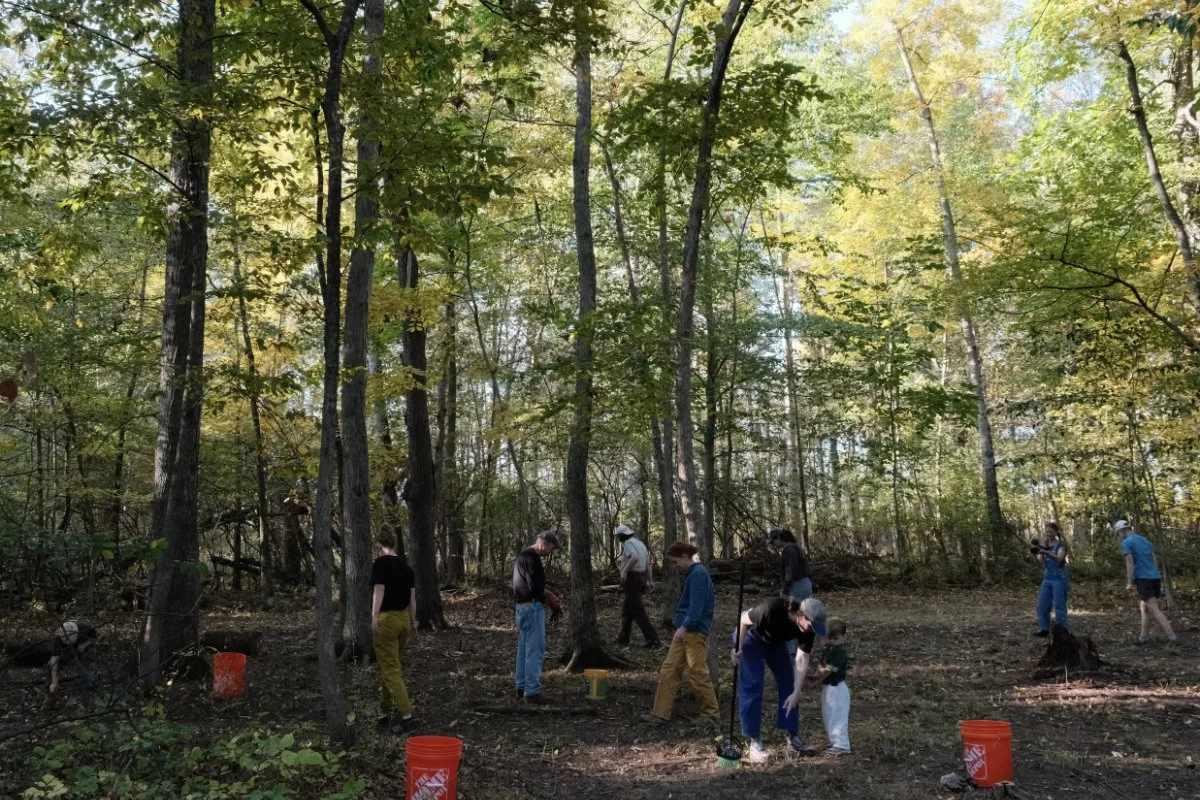
Beyond scientific research, community engagement is a cornerstone of Bloom Farm’s strategy. Brian Nana-Sinkam leveraged his tech background to develop "Volunteer," a website designed to crowdsource the mapping and harvesting of wild nuts. Locals can upload photos of nut trees in their vicinity to a digital map and either offer to have Bloom Farm harvest the nuts or collect them themselves and sell them to the farm for $5 a gallon. This innovative approach not only expands Bloom’s supply chain but also fosters a deeper connection between residents and their local ecosystem, turning once-ignored trees into valuable community assets. The successful foraging events, where volunteers gather to collect nuts and learn about the yellowbud’s potential, exemplify this engagement, cultivating a shared sense of discovery and purpose.

The Processing Hub and Economic Implications
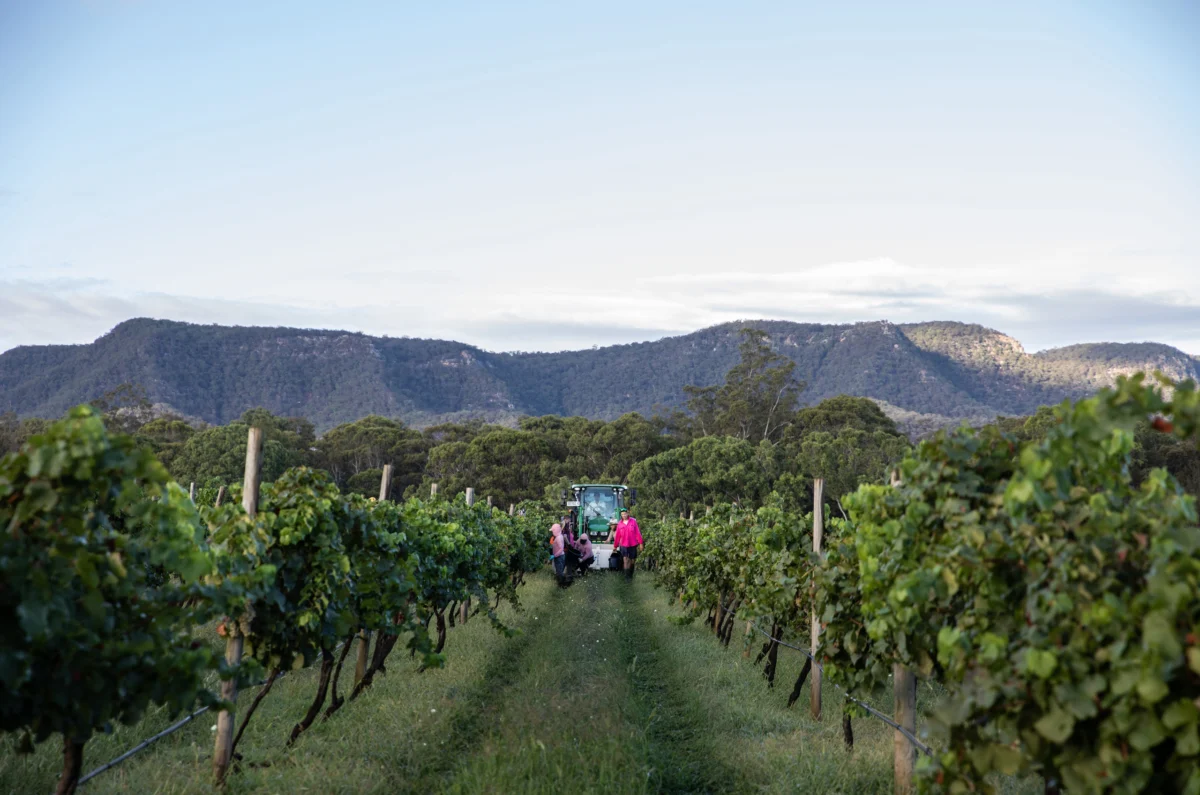
The journey from tree to oil culminates at Third Place Processing, located a short drive from Bloom Farm in a converted vineyard. This facility, certified by the Food and Drug Administration (FDA) in January 2026, represents a critical piece of infrastructure for the emerging nut oil industry. Matthew Holt, the processing operations director, oversees a meticulous process: nuts are inspected, dried to an optimal moisture content (around 8 percent), cracked to remove their thin shells, and then pressed using industrial oil presses. These specialized machines, which Nana-Sinkam and Holt sourced secondhand, are a rare commodity in the U.S., highlighting the current infrastructural gaps in the specialty nut market. After pressing, the oil is filtered, packaged, and prepared for sale. For every 8 to 10 gallons of yellowbud nuts processed, approximately one gallon of oil is yielded. The remaining "press cake"—fibrous nut meat and shells—is not wasted, finding new life as animal feed or a natural smoking agent for meats.
This month, Bloom Farm is proudly introducing its first batch of yellowbud hickory oil to the market, a testament to years of dedicated effort. Nana-Sinkam is actively distributing samples to local chefs, visitors, and neighbors, aiming to integrate the oil into regional culinary culture. "That’s how you change food culture," he states, emphasizing the importance of farm-to-table partnerships. The Pennsylvania Agricultural Innovation Grant has further bolstered Third Place Processing’s capacity, enabling them to operate multiple oil presses. Crucially, Bloom Farm intends for 90 percent of the facility’s processing capacity to be available to other aspiring producers. This open-access model aims to address the significant shortage of nut processing facilities in the U.S., thereby incentivizing more farmers to plant trees and develop new nut-based products. This shared infrastructure is vital for fostering a distributed, resilient regional food economy.
Agroforestry: A Sustainable Path Forward
The yellowbud hickory’s re-evaluation is intrinsically linked to the growing interest in agroforestry—the intentional integration of trees and shrubs into crop and livestock farming systems. Despite half of New England farms being bordered or containing forests, less than two percent currently practice agroforestry, according to a Yale University report. Nana-Sinkam and his collaborators hope that establishing viable markets for perennial nuts like the yellowbud will encourage more farmers to adopt these practices.
Agroforestry offers a multitude of benefits, addressing some of the most pressing challenges in contemporary agriculture. For farmers, nut trees represent a valuable opportunity to diversify income streams, providing a stable revenue source amidst increasingly unpredictable weather patterns that threaten annual crops. Environmentally, the yellowbud hickory is a prime candidate for agroforestry systems: its canopy provides dappled shade, benefiting livestock and understory plants, while its flowers offer food and habitat for vital pollinators like moths and bees. The high calcium content of its leaf litter also enriches certain soil types. On a broader scale, agroforestry techniques such as silvopasture (integrating trees with livestock grazing) have been identified by Project Drawdown as a significant strategy for mitigating climate change through enhanced carbon sequestration.

Walker Cammack, program director at Smokey House Center in Danby, Vermont, emphasizes the conservation aspect: "The more markets that exist for non-timber tree products, the more likely forested lands are to be protected from development in the future." The initial investment required for transitioning to an agroforestry model can be substantial, but the presence of local processors like Third Place, offering stable prices for nuts, significantly reduces this barrier, making the shift more economically feasible for growers. Karam Sheban, a research assistant professor of agroforestry at the University of New Hampshire, highlights the critical role of aggregation in this process: "When thinking about developing models for agroforestry, there’s a lot of talk around aggregation as being a really key intervention that has to happen to open up economic opportunities for growers." He points to successful models in Appalachian Ohio, where regional processors for black walnuts and pawpaws have spurred interest in tree crops.
A Taste of the Future
As the sun sets over the Oley Valley, after a successful day of foraging, volunteers gather to share a meal, the crisp autumn air filled with conversations about trees, community, and the potential of a rediscovered native resource. Brian Nana-Sinkam encourages them to "taste the fruits of your labor—or the nut oil of your labor, if you will," as he pours samples of Bloom Farm’s yellowbud hickory oil. The oil, a deep honey-gold hue, elicits notes of citrus, butter, and even a hint of licorice from the tasters.
Cas Castellano, a Pennsylvania native who participated in the foraging event, reflects on her newfound appreciation. She admits to having overlooked yellowbuds her entire life, kicking them aside as a child. But now, after experiencing the process and tasting the oil, she declares, "I’m never going to unsee them; I’m never going to un-taste them." This sentiment encapsulates the transformative power of the yellowbud hickory initiative—not just in creating a new food product, but in rekindling a connection between people and their local environment, fostering a deeper understanding of sustainable agriculture, and laying the groundwork for a more resilient, flavorful, and ecologically sound regional food culture. The quiet work of tending orchards, learning from wild stands, and sharing knowledge continues, promising a future where nuts play a central role in the culinary and agricultural landscape of the Eastern United States.