admin
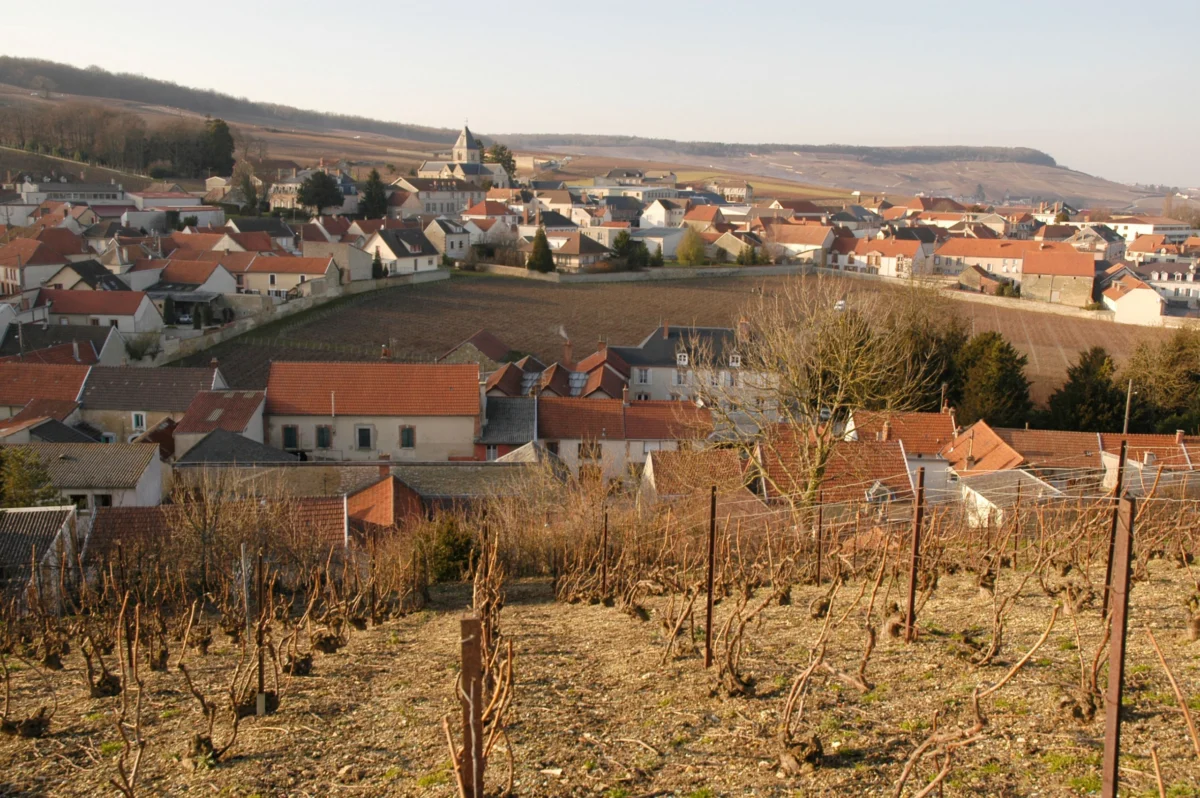
The year 2025 marked an unprecedented turning point for the venerable Champagne region, compelling producers to confront the accelerating impacts of climate change with a renewed sense of urgency and innovation. "I’ve never seen anything like the 2025 harvest. Everything has shifted – it’s a blank page," declared Sévérine Frerson, the esteemed cellar master of Champagne Perrier-Jouët, encapsulating a sentiment widely echoed across the appellation. This pivotal vintage, characterized by a confluence of extreme weather phenomena and significant deviations from historical norms, has fundamentally challenged centuries-old viticultural practices and ignited a comprehensive reevaluation of Champagne’s identity.
For generations, the northerly latitude of Champagne, situated at the extreme edge of viable viticulture, had been its defining characteristic. Its cool, often wet climate, combined with its unique chalk soils, imparted the high acidity and delicate aromatics essential to its iconic sparkling wines. This precarious balance, however, has been increasingly disrupted over the past two decades, with 2025 serving as a stark culmination of these shifts. The region, once synonymous with a struggle for ripeness, now grapples with managing excessive heat, earlier véraison, and altered grape composition, necessitating a radical rethinking of vineyard management, varietal selection, and winemaking techniques.
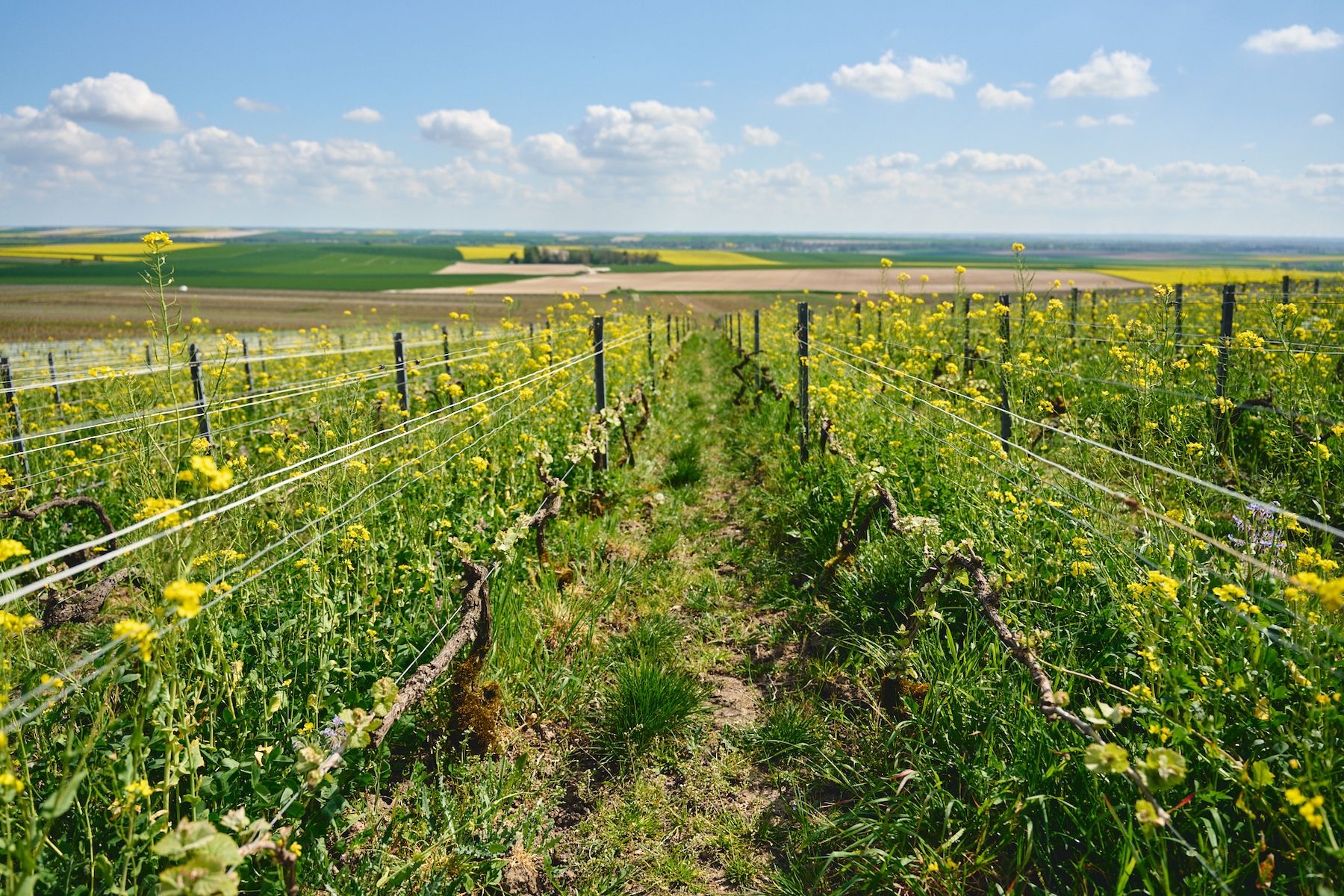
The Unprecedented Nature of the 2025 Vintage
The 2025 harvest arrived exceptionally early, with some vineyards commencing picking in late August, a full two to three weeks ahead of the historical average of mid-September. This accelerated maturation cycle was a direct consequence of a spring characterized by record-breaking temperatures and significantly reduced rainfall, followed by an intensely hot and dry summer. Data from the Comité Champagne (CIVC) indicated that the average growing season temperature in 2025 surpassed the 30-year mean by nearly 2 degrees Celsius, with cumulative rainfall deficits reaching critical levels by mid-July.
This climatic pressure had profound effects on the grapes. While sugar levels accumulated rapidly, leading to potentially higher alcohol content, the phenolic ripeness often lagged, and crucially, the prized acidity – the backbone of Champagne – saw a notable decline. Furthermore, the extreme conditions exacerbated susceptibility to certain diseases and pests, despite diligent vineyard work, adding another layer of complexity for growers. The homogeneity of ripeness, traditionally a hallmark of a good Champagne vintage, became more challenging to achieve, with variations even within the same plot. Frerson’s observation of a "blank page" underscored the feeling among many producers that established benchmarks and historical knowledge were proving less reliable than ever before.
A Chronology of Climate Shift in Champagne
The challenges of 2025 did not emerge in isolation but were part of a discernible trend stretching back decades. While Champagne has always experienced vintage variation, the frequency and intensity of extreme weather events have escalated.
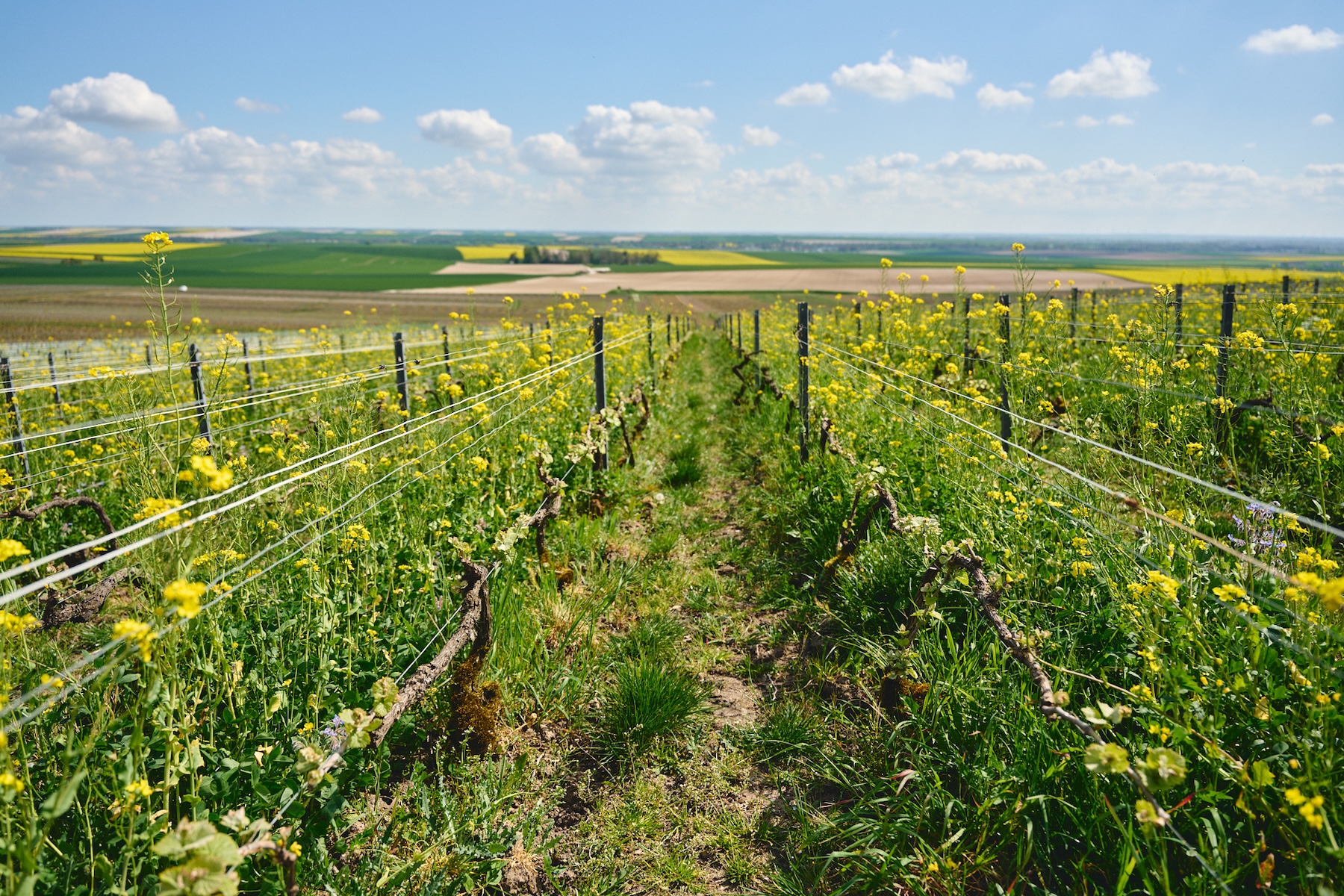
- 1990s-Early 2000s: A gradual warming trend began to be observed, leading to more consistent ripeness but also occasional early harvests.
- 2003 Heatwave: A landmark year that brought unprecedented heat across Europe, forcing Champagne producers to adapt to exceptionally ripe grapes, leading to richer, less acidic wines. This served as an early warning of future climate scenarios.
- 2011-2018: A Series of Warm Vintages: Several consecutive years saw earlier harvests and higher average temperatures, demonstrating that 2003 was not an anomaly but a precursor. The 2018 vintage, for instance, was characterized by both abundant yields and exceptional ripeness, producing powerful, fruit-forward wines.
- 2020: Intense Drought and Heat: Another year of extreme heat and drought tested the resilience of the vines, pushing many producers to refine water management and canopy strategies.
- 2021: Climate Chaos: This vintage was notable for its severe frost, hail, and widespread mildew pressure, highlighting the increasing volatility and unpredictability of weather patterns, where extremes of heat and cold, dryness and wetness, could occur within the same growing season.
- 2025: The Catalyst: Building on these preceding years, 2025 brought together elements of extreme heat, early ripening, and altered grape chemistry in a way that truly forced the industry to acknowledge a fundamental, irreversible shift. It became clear that incremental adaptations might no longer suffice.
Statements and Reactions from Key Stakeholders
The immediate aftermath of the 2025 harvest saw a flurry of discussions and strategic meetings across the region. Sévérine Frerson’s candid assessment from Perrier-Jouët resonated deeply, particularly among other cellar masters and vineyard managers who faced similar realities. "Our traditional understanding of terroir is being reinterpreted in real-time," commented a spokesperson for a prominent Grande Marque house, preferring anonymity due to ongoing internal strategy discussions. "The very definition of what makes a ‘Champagne’ style is evolving."
Grower-producers, often at the forefront of vineyard innovation due to their intimate connection with the land, expressed a mix of concern and determination. Etienne Calsac, known for his mastery of heritage grape varieties like Petit Meslier and Arbane, remarked, "The chalky soils still offer resilience, but even they have their limits. We are exploring everything from deeper root systems to new pruning methods to mitigate stress." His focus on diverse varietals, traditionally marginalized, is now seen as a prescient strategy for future adaptability.
The Comité Champagne (CIVC), the interprofessional organization governing the region, acknowledged the gravity of the situation. "The 2025 harvest has undeniably accelerated our long-term climate change adaptation plans," stated Jean-Marie Barillère, co-president of the CIVC. "We are intensifying research into new disease-resistant and drought-tolerant rootstocks and grape varieties, while also reviewing current appellation rules to ensure Champagne’s continued relevance and quality." This statement hinted at potential revisions to the stringent AOC regulations, which historically permitted only seven grape varieties (Chardonnay, Pinot Noir, Meunier, Arbane, Petit Meslier, Pinot Blanc, Pinot Gris), with the first three dominating over 99% of plantings.

Adapting to a New Climate: Innovation and Resilience
Champagne producers are not new to adaptation, but the scale of the 2025 challenge has spurred unprecedented levels of innovation.
Vineyard Management:
- Canopy Management: Techniques like leaving more leaf cover to protect grapes from sunburn and slow down ripening are becoming standard.
- Soil Health: Increased focus on organic and biodynamic practices to enhance soil organic matter, improving water retention and microbial diversity, thereby making vines more resilient.
- Water Management: While irrigation is generally prohibited, controlled drainage and strategic ground cover management are being explored to optimize water availability.
- Delayed Pruning/Harvest Dates: Adjusting these timings to mitigate frost risk or manage ripening curves.
Grape Varieties and Clonal Selection:
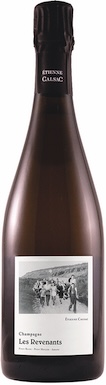
- Heritage Varieties: The re-emergence of forgotten or minor grape varieties like Arbane, Petit Meslier, and Pinot Blanc, which may offer better resistance to disease or adapt better to warmer conditions, is gaining traction. Alexis Leconte’s use of Petit Meslier in his Aria Blanc de Blancs Extra Brut (from the ultra-hot 2020 vintage) exemplifies this, providing a refreshing acidity often lacking in warmer years.
- New Hybrids: The CIVC has been investing in research into new disease-resistant crossings (inter-specific hybrids) that could offer a sustainable solution by reducing the need for chemical treatments and potentially thriving in a warmer climate. The challenge lies in integrating these without compromising Champagne’s unique sensory profile and historical identity.
- Clonal Diversity: Moving away from monocultural reliance on a few clones towards a broader genetic base to enhance resilience.
Winemaking Techniques:
- Base Wine Blending: The art of blending takes on new significance. Cellar masters are now tasked with balancing riper, potentially lower-acid base wines from warmer vintages with reserve wines from cooler years, or even experimenting with different crus to maintain the desired Champagne style.
- Dosage Adjustment: With naturally higher sugar levels in grapes, there is a trend towards lower dosage (less added sugar) or even Brut Nature styles, allowing the purity of the fruit to shine. Louis Roederer’s Starck Brut Nature, described as the house’s "climate change laboratory," exemplifies this proactive approach, exploring co-planted plots of all authorized varieties to understand their collective resilience.
- Aging on Lees: Extended lees aging can add complexity and texture, helping to balance wines that might otherwise lack acidity.
Sustainability Initiatives:
- Environmental Certifications: A rapid increase in vineyards pursuing certifications like HVE (Haute Valeur Environnementale) and organic status, aiming for a more environmentally friendly and resilient viticultural model.
- Carbon Footprint Reduction: Investments in renewable energy, lighter bottles, and optimized logistics to reduce the industry’s environmental impact.
Broader Impact and Implications
The shifts observed in 2025 carry profound implications for the Champagne industry, its consumers, and its global standing.
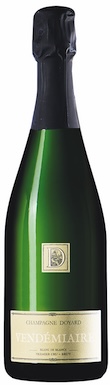
Evolution of Champagne Style: The most direct impact will be on the sensory profile of Champagne. While producers are striving to maintain the signature freshness and elegance, warmer vintages may lead to wines with riper fruit expressions, potentially lower acidity, and richer textures. This could broaden Champagne’s appeal to new consumers but might also challenge the expectations of traditional connoisseurs. The Doyard Vendémiaire Blanc de Blancs 1er Cru Brut from the 2021 vintage, where Chardonnay excelled despite "climate chaos," showcases how specific varietals might thrive in unpredictable conditions, influencing future blending decisions.
Regulatory Frameworks: The CIVC faces the monumental task of balancing tradition with adaptation. Modifying AOC rules regarding permitted grape varieties, pruning methods, or even harvest dates is a complex process requiring consensus among thousands of growers and houses. Any changes must safeguard the appellation’s integrity while providing the flexibility needed for survival. The debate over allowing new hybrid varieties, despite their sustainability benefits, is particularly contentious, touching upon the very essence of Champagne’s identity.
Economic Considerations: Adapting to climate change requires significant investment in research, vineyard restructuring, and new equipment. This could place a financial burden on smaller grower-producers, potentially widening the gap between them and the larger, more financially robust Champagne houses. Moreover, yield variations due to extreme weather can impact supply and pricing, affecting global market dynamics.
Global Competition: As Champagne grapples with its changing climate, other sparkling wine regions around the world, particularly those in cooler climates or higher altitudes, may find themselves in a more favorable position. This could intensify competition in the premium sparkling wine market, urging Champagne to innovate even faster to maintain its pre-eminent status. The narrative of Champagne’s unique terroir, once solely defined by its cool climate, is being rearticulated to emphasize its resilience, history, and unparalleled blending expertise. R Pouillon’s Rosé 1er Cru Brut, utilizing natural sugars for fermentation, represents a "rebellious streak" that reflects a broader movement towards more natural and adaptive winemaking.
In conclusion, the 2025 harvest served as a powerful, undeniable signal that Champagne’s relationship with its climate has fundamentally changed. Far from being a mere challenge, it has catalyzed a period of intense reflection, scientific inquiry, and creative adaptation. While the path forward is complex and fraught with uncertainty, the resilience, ingenuity, and collaborative spirit that have defined the Champagne region for centuries are now being fully mobilized to write this "blank page" with a new chapter of sustainable excellence. The sparkling future of Champagne depends not on resisting change, but on mastering its embrace.