admin
The Hunter Valley, a revered viticultural region in New South Wales, Australia, is home to a white grape variety that possesses a truly remarkable and almost paradoxical quality: Semillon. Far from being a simple, ephemeral white, Hunter Valley Semillon exhibits an extraordinary duality, offering immense pleasure in its vibrant youth while simultaneously harboring the potential for profound transformation and complexity over decades. This unique characteristic elevates it to a position of singular importance within the global wine landscape, captivating connoisseurs and collectors alike with its ability to evolve gracefully for 10, 20, or even 30 years, defying the typical expectations of white wines.
The Distinctive Terroir and Climatic Influence
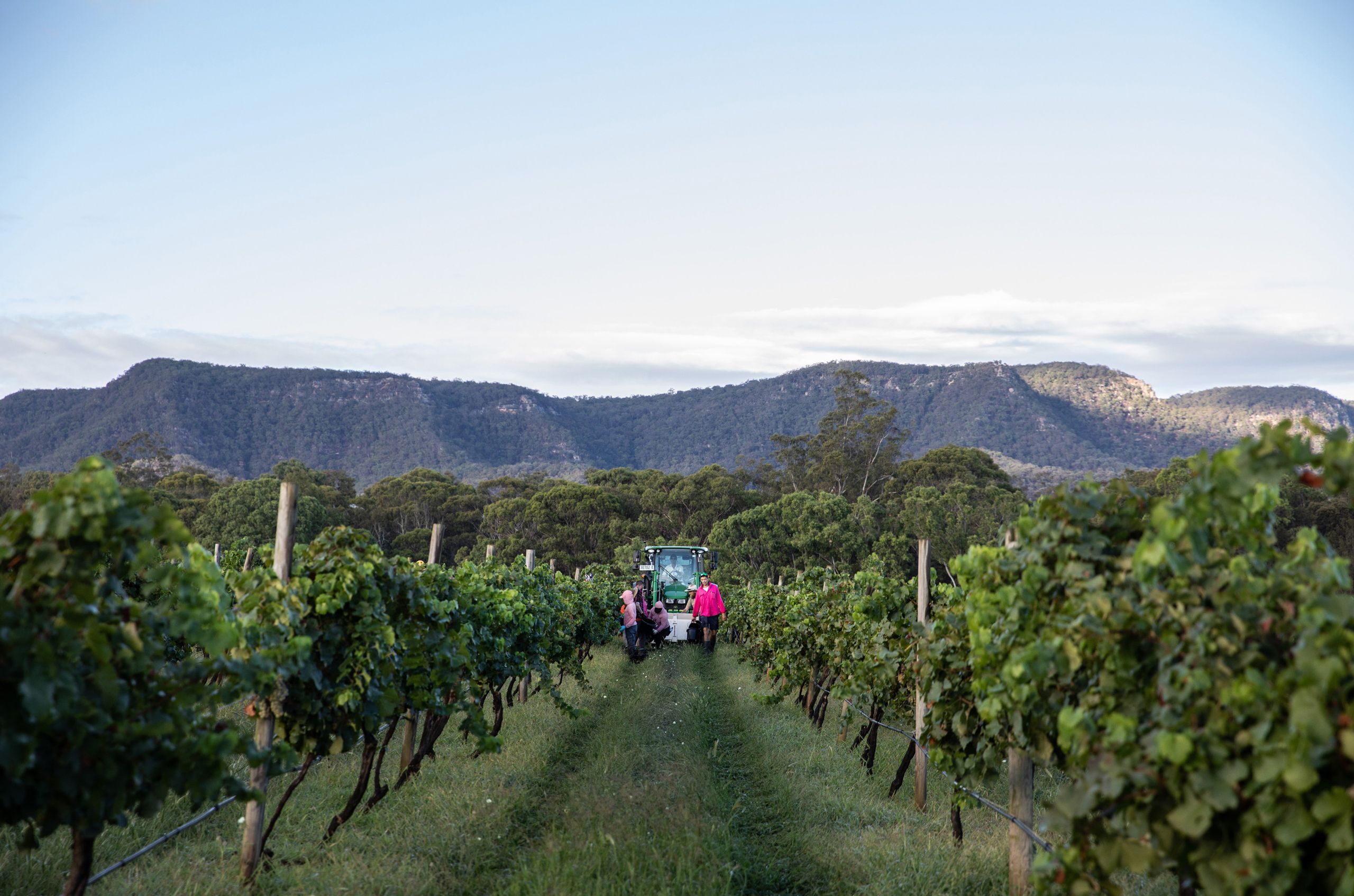
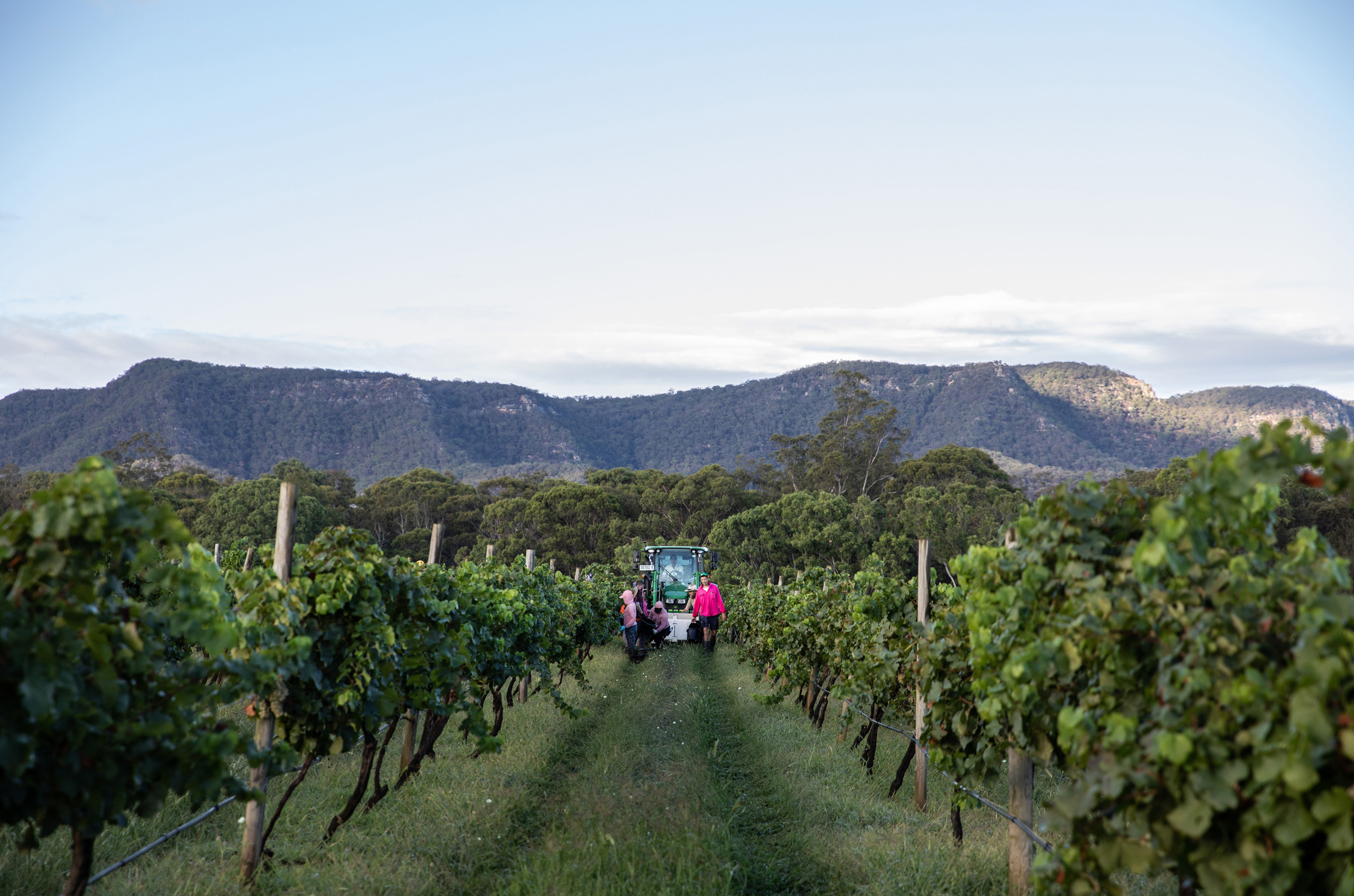
The Hunter Valley’s distinctive climate and geology are foundational to the unique character of its Semillon. Situated approximately 120 kilometers north of Sydney, it is one of Australia’s oldest wine regions, characterized by warm, humid summers. However, crucial mitigating factors—such as diurnal temperature shifts influenced by coastal breezes and frequent cloud cover, particularly during the critical ripening period—prevent excessive heat accumulation. This microclimate allows Semillon grapes to ripen slowly, retaining their natural acidity while developing intricate flavor precursors.
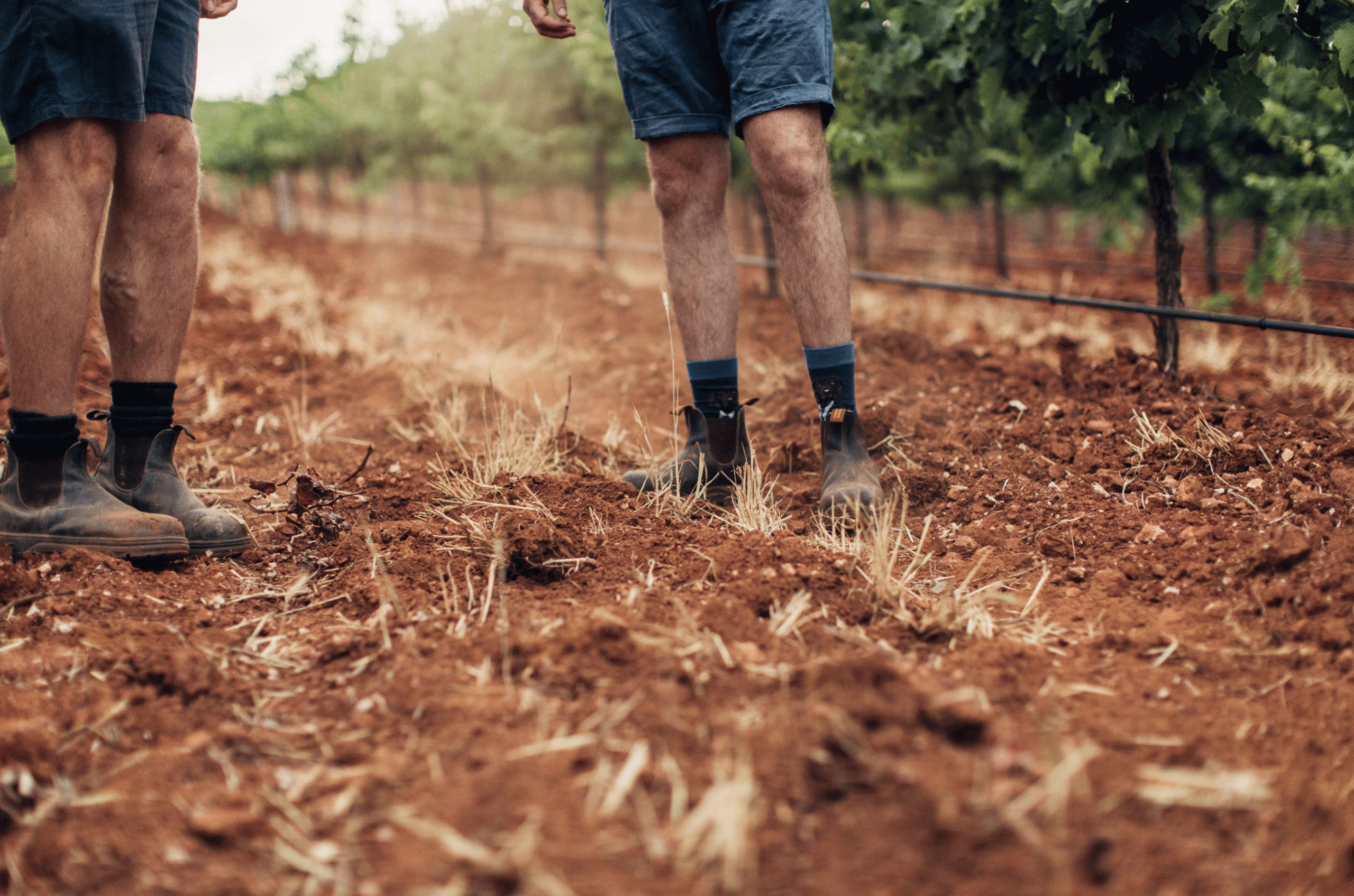
The region’s soil composition further contributes to this distinctiveness. Predominantly consisting of sandy alluvial flats over clay subsoils, these soils are generally low in fertility, encouraging the vines to produce smaller yields of concentrated, high-quality fruit. This combination of warm-temperate climate, strategic cloud cover, and specific soil types results in grapes that are typically harvested with high natural acidity and low sugar levels, a profile that is critical for producing the long-lived, unoaked Semillon style. The deliberate choice by Hunter Valley winemakers to pick Semillon early, before full phenolic ripeness, ensures the retention of this crisp acidity, which acts as the wine’s backbone during its extensive aging journey.
A Rich History: From Blending Grape to Varietal Icon
Semillon arrived in Australia with the First Fleet in the late 18th century, making its way to the Hunter Valley in the early 19th century. Initially, like many European varietals, it was used primarily for blending, often contributing body and richness to other white wines. For decades, it was even mistakenly identified as Riesling due to its similar appearance in the vineyard and its crisp, high-acid profile in youth.
The true potential of Hunter Valley Semillon as a varietal wine capable of immense aging was gradually recognized through the pioneering efforts of visionary winemakers. Figures like Maurice O’Shea of Mount Pleasant, who planted the iconic Lovedale vineyard in 1946, and Murray Tyrrell of Tyrrell’s Wines, whose Vat 1 Semillon became a benchmark, were instrumental in establishing the grape’s varietal identity and showcasing its aging prowess. These winemakers understood that, unlike its counterparts in Bordeaux (where Semillon is often blended with Sauvignon Blanc and frequently oaked), Hunter Valley Semillon thrived without oak intervention, allowing its pure fruit and mineral character to shine, and crucially, to evolve. By the mid-20th century, the "Hunter Valley style" of Semillon – unoaked, fermented dry, bottled young, and intended for long-term cellaring – had become firmly established, setting it apart on the global stage.
The Alchemy of Age: A Transformative Journey
The true magic of Hunter Valley Semillon lies in its remarkable ability to transform over time. In its youth, typically within the first few years of bottling, the wine is characterized by a pale, almost water-white appearance, vibrant aromas of fresh lemon, lime, green apple, and sometimes a hint of herbaceousness. It is crisp, intensely refreshing, and boasts a searing acidity that can be bracing yet invigorating, often with a low alcohol content (typically 10-11.5% ABV). This youthful exuberance makes it an ideal accompaniment to fresh seafood or as an aperitif.
As the wine matures, a fascinating chemical metamorphosis occurs. The high acidity and low pH act as natural preservatives, protecting the delicate fruit compounds. Over five to ten years, the wine begins to develop secondary characteristics. The color deepens to a bright straw-gold, and the aromatic profile expands to include notes of toasted nuts, honey, lanolin, beeswax, and a distinctive "wet wool" or "toast" character. The citrus notes soften and evolve into candied lemon peel or marmalade. The texture on the palate gains richness and complexity, while the underlying acidity remains, providing structure and balance.
Beyond ten years, and particularly between 15 and 30 years, the wine enters its tertiary phase. The color deepens further to a lustrous, shiny golden hue. The bouquet becomes incredibly complex, revealing layers of roasted nuts, dried honey, truffle, and sometimes even a subtle savory character. The palate is rich, opulent, and incredibly harmonious, with a long, lingering finish that speaks of profound depth and impeccable balance. This sustained freshness, despite its age, is what truly sets Hunter Valley Semillon apart. Winemakers often highlight that the absence of oak allows the purity of the fruit and the nuances of the terroir to be the sole drivers of this evolution, making the aged expression a true testament to the grape and the region.
Illustrative Examples from Iconic Producers
To truly appreciate the spectrum of Hunter Valley Semillon’s development, examining the offerings from its leading producers across various vintages provides invaluable insight.
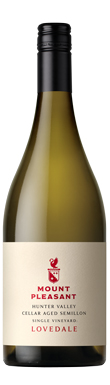
Mount Pleasant, Lovedale Semillon:
The Lovedale vineyard, planted in 1946 by the legendary Maurice O’Shea, is a hallowed site for Hunter Semillon. Winemaker Adrian Sparks, carrying on O’Shea’s legacy, crafts wines that exemplify the grape’s transformative power.
- 2025 Vintage (Current Young Release): Even in its infancy, a young Lovedale Semillon from a uniformly excellent vintage like 2025 presents with a delicate lemon blossom aroma, promising a future of complexity. It offers a glimpse of the vibrant fruit and structural acidity that will underpin its aging journey.
- 2021 Vintage (Approx. 5 Years Old): At five years old, the 2021 Lovedale begins to show the early signs of maturity. The "wet wool" element, a hallmark of developing Hunter Semillon, becomes more pronounced, yet it retains a remarkable freshness. Notes of ripe lemons, saline brine, and wet stones emerge, indicating a shift beyond primary fruit.
- 2011 Vintage (Approx. 15 Years Old): The 2011 vintage, at 15 years old, is a striking demonstration of Semillon’s aging potential. Its shiny golden color immediately signals maturity. The wine reveals complex aromas and flavors, reminiscent of beeswax, toasted brioche, and evolving citrus, showcasing the full "magic of Hunter Semillon development."
- 2009 Vintage (Approx. 17 Years Old): The 2009 Lovedale stands out as a pinnacle expression. Adrian Sparks himself regards it as "the best Lovedale," a testament to its exceptional quality and longevity. With only a limited number of bottles remaining, this vintage offers a rare insight into the profound depths achievable, with integrated nutty notes, rich texture, and sustained vitality.
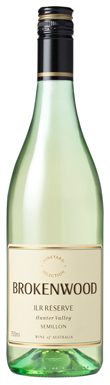
Brokenwood, ILR Reserve Semillon:
Named after Iain Leslie Riggs, Brokenwood’s long-serving chief winemaker (1982-2020), the ILR Reserve Semillon is another benchmark. Riggs’ 38-year tenure solidified Brokenwood’s reputation for exceptional Semillon.
- 2025 Vintage (Current Young Release): The 2025 ILR Reserve is typically water-white, a clear indication of its youth and unadorned purity. It offers crisp, intense citrus notes, promising an elegant evolution.
- 2021 Vintage (Approx. 5 Years Old): At five years of age, the 2021 ILR moves gracefully beyond mere fruit. It begins to exhibit a fascinating herbal-medicinal spectrum, with hints of fennel, mint, and coriander seeds complementing its enduring citrus core.
- 2014 Vintage (Approx. 10 Years Old): The 2014 vintage, a decade into its life, displays a medium gold color with silver-green reflections. Here, a delicate interplay of development and freshness is evident. Aromas of candle wax, lemongrass, and evolving lemon notes intertwine perfectly, showcasing the balance achieved at this stage.
- 2006 Vintage (Approx. 20 Years Old): From a "very good, warm and dry vintage" that ensured concentration, the 2006 ILR Reserve, at nearly 20 years old, glows with a medium gold color and a green patina sheen. It embodies profound maturity, retaining remarkable vibrancy and a complex tapestry of aged flavors.
Tyrrell’s, Vat 1 Semillon:
Tyrrell’s Vat 1 Semillon holds the esteemed title of Australia’s most awarded white wine, a testament to its consistent excellence and aging capability. With almost 5,500 medals and over 330 trophies since its first vintage, it is a global icon.
- 2025 Vintage (Current Young Release): Even in its current Private Bin release, the 2025 Vat 1 transcends simple fruit. It already hints at underlying minerality and structural complexity that will drive its future development.
- 2021 Vintage (Approx. 5 Years Old): The five-year-old 2021 Vat 1 showcases a distinct herbal-medicinal edge, with fennel and even a light liquorice tone emerging. It also presents pronounced mineral notes, described as "salt on rocks," "brine," and "sea spray," reflecting its unique terroir.
- 2014 Vintage (Approx. 10 Years Old): The 2014 vintage, at a decade old, begins quietly, with understated aromas of wet rocks and blossoms, evoking a sense of fresh laundry – a highly positive descriptor for its clean, evolving character. It awakens on the palate with lemon-ginger tea and subtle peach notes, demonstrating a refined elegance.
- 2005 Vintage (Approx. 20 Years Old): The 2005 Vat 1, a true veteran, embodies the pinnacle of aged Hunter Semillon. Its impressive medal count underscores its enduring quality, presenting a wine of immense complexity, harmony, and remarkable freshness for its age.
Broader Impact and Implications
The unique nature of Hunter Valley Semillon has significant implications for the region and the broader Australian wine industry. Economically, it serves as a powerful draw for wine tourism, attracting visitors eager to experience its distinctive style firsthand. It provides a niche market for Australian fine wine, distinguishing it from other global offerings and contributing to the country’s diverse vinous identity.
However, challenges persist. Educating consumers about the merits of aged white wines, which often run counter to the prevailing preference for immediate consumption, requires sustained effort. The often-misunderstood "wet wool" or "toast" notes, while cherished by connoisseurs, can be initially perplexing to newcomers.
Looking ahead, climate change poses a significant long-term challenge for the Hunter Valley. As temperatures potentially rise and weather patterns become more unpredictable, winemakers face the task of maintaining the delicate balance of acidity and ripeness that defines their Semillon style. Innovations in vineyard management, clone selection, and adaptive winemaking techniques will be crucial. Yet, the deep-rooted commitment of Hunter Valley winemakers to this extraordinary grape ensures that Semillon will continue to be a testament to patience, tradition, and the profound beauty of wines that truly evolve with time.
In conclusion, Hunter Valley Semillon is far more than just a grape variety; it is a living testament to the power of terroir, meticulous winemaking, and the astonishing capacity of nature to create something truly exceptional. From its initial vibrant acidity to its ultimate transformation into a complex, golden elixir, it offers a journey through time, solidifying its status as one of the world’s most compelling and enduring white wines.