admin
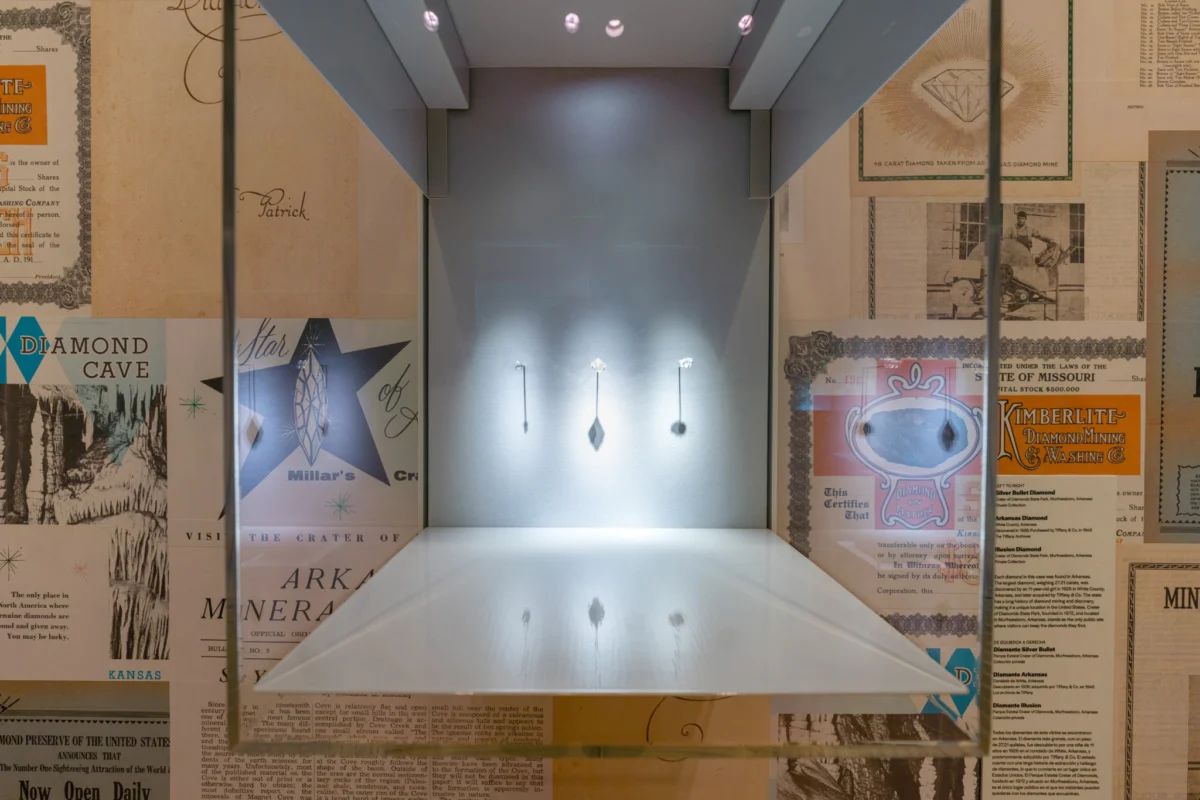
A century after its discovery in the soil of central Arkansas, one of the most significant gemstones in American history has returned to its place of origin. The 27.21-carat Arkansas Diamond, a rough-cut marvel that transitioned from a child’s "pretty rock" to a crown jewel of the Tiffany & Co. Archives, serves as the centerpiece for a landmark exhibition at the Crystal Bridges Museum of American Art in Bentonville. Titled Nature Adorned: The Artistry of Tiffany & Co. and the American Imagination, the exhibition represents a major collaboration between the historic jeweler and the museum, exploring the profound influence of the American landscape on jewelry design and fine art.
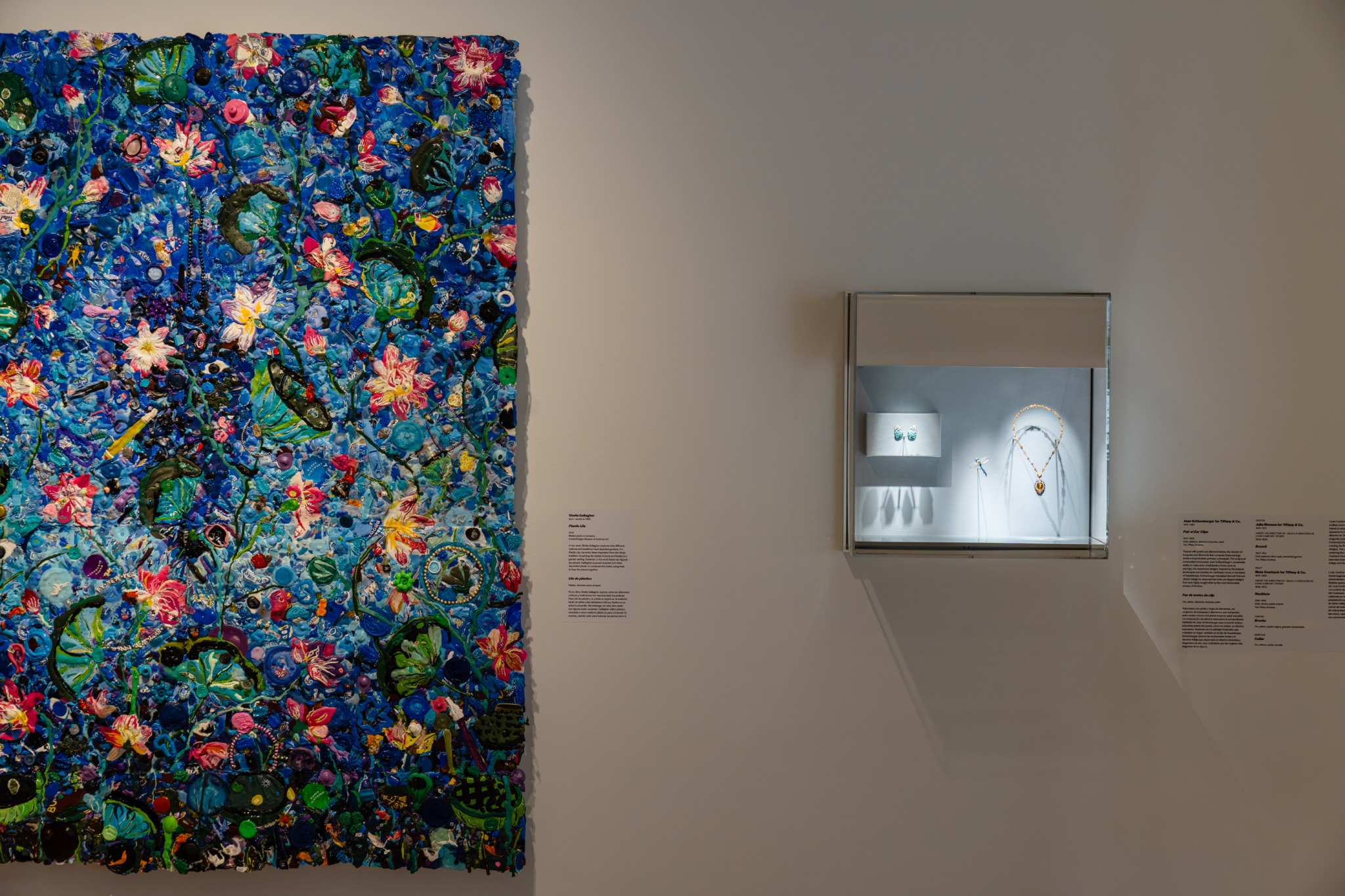
The exhibition, which is scheduled to remain on view through March 29, 2027, marks a rare moment where the technical mastery of high jewelry is analyzed alongside the evolution of American painting and sculpture. By pairing archival jewelry pieces with masterworks from the Crystal Bridges collection, the exhibition seeks to bridge the gap between "craft" and "fine art," illustrating how the natural world has served as a primary source of inspiration for American creators across two centuries.
The Homecoming of a Geological Icon
The narrative of the Arkansas Diamond is as much a piece of American folklore as it is a geological record. In 1926, an 11-year-old girl walking through the fields of central Arkansas chanced upon a translucent, rounded crystal. Unaware of the stone’s immense value or its rare chemical purity, she kept the find as a curiosity. It was not until decades later that the stone was formally identified as a 27.21-carat diamond—a weight that places it among the largest and most significant diamonds ever unearthed within the borders of the United States.

In 1946, the stone was acquired by Tiffany & Co., a move that solidified the diamond’s status as a national treasure. Unlike many of the world’s most famous diamonds, which are often cut and faceted to maximize brilliance, the Arkansas Diamond has been preserved in its rough, natural state. This preservation aligns with the company’s historical emphasis on the intrinsic beauty of raw minerals. Its return to Arkansas for the Nature Adorned exhibition is a symbolic homecoming, allowing the public to view the specimen alongside the archival documents and mining records that trace the state’s unique diamond-mining heritage.
A Legacy of American Gemology: The Kunz Influence
The presence of the Arkansas Diamond in the Tiffany collection is a testament to the vision of George Frederick Kunz, the firm’s first chief gemologist. During the late 19th and early 20th centuries, the jewelry market was dominated by European tastes, which prioritized traditional "precious" stones such as rubies, emeralds, and sapphires sourced from Africa and Asia. Kunz, however, was a staunch advocate for American-sourced gemstones, believing that the geological diversity of the United States offered a palette of colors and textures that were being unfairly overlooked.

Under Kunz’s leadership, Tiffany & Co. became a champion of the American landscape. The company sourced vibrant sapphires from the rivers of Montana, deep-green emeralds from the mountains of North Carolina, and multi-hued tourmalines from the mines of Maine. One of the highlights of the current exhibition is an intricate necklace, dated between 1885 and 1895, featuring 30 multicolored American-mined tourmalines. This piece exemplifies the Kunz era, showcasing how the company utilized domestic resources to create a distinctly American aesthetic in luxury design.
Curatorial Strategy: A Dialogue Between Mediums
The core of Nature Adorned lies in its "conversational" layout. Rather than isolating jewelry in traditional display cases, the curators have integrated these pieces with American paintings and sculptures to highlight shared thematic concerns. Jen Padgett, the Windgate curator of craft at Crystal Bridges, notes that the exhibition is designed to showcase the "remarkable creativity, attention to materials, and skilled making that have shaped American art and design across generations."

This dialogue is most evident in the section dedicated to botanical realism. The exhibition features the legendary orchid brooches of George Paulding Farnham, a designer for Tiffany who gained international acclaim at the 1889 Paris Exposition Universelle. Farnham’s Tiger Orchid brooch, crafted between 1889 and 1893, utilizes gold, sterling silver, diamonds, emeralds, and pink sapphires to replicate the intricate anatomy of a flower with scientific precision.
To provide context, these brooches are displayed alongside Martin Johnson Heade’s Cattleya Orchid, Two Hummingbirds and a Beetle (ca. 1875–1890). Both Heade and Farnham were obsessed with the minute details of flora, and seeing their work in tandem reveals a shared cultural fascination with the exoticism and fragility of the natural world during the Gilded Age.

From Abstraction to the "Irregularity of the Universe"
As the exhibition moves into the 20th century, the focus shifts from botanical accuracy to the exploration of form, color, and geometry. The exhibition draws surprising parallels between the precision of faceted gemstones and the sharp-edged geometry of American abstract art.
Works such as Carmen Herrera’s Cerulean (1965) and Leon Polk Smith’s New Moon for August (1983) are paired with mineral specimens and highly structured jewelry pieces. Herrera’s focus on clean lines and monochromatic fields of color finds an echo in the architectural cuts of mid-century aquamarines and diamonds. This section of the exhibition highlights how both the jeweler and the abstract painter seek to distill the chaos of nature into a sense of order and balance.

In contrast to the rigidity of abstraction, the exhibition also celebrates the whimsical, organic designs of Jean Schlumberger. Joining Tiffany in 1956, Schlumberger became famous for his ability to capture what he called the "irregularity of the universe." His Hedges and Flowers necklace, a lush composition of rubellite tourmalines, turquoise, and diamonds, rejects the symmetry of traditional jewelry in favor of a more fluid, vine-like structure.
Schlumberger’s work is paired with Hope Gangloff’s Queen Jane Approximately (2011), a contemporary painting known for its expressive use of color and pattern. The pairing illustrates a lineage of "organic maximalism," where the artist embraces the complexity and unpredictability of life rather than attempting to tame it through geometry.

Supporting Data and Chronology of Discovery
The exhibition serves as an educational resource for the history of American mining and mineralogy. Supporting data provided by the Tiffany & Co. Archives and Crystal Bridges highlights several key milestones in the history of American gemstones:
- 1876: George Frederick Kunz joins Tiffany & Co., beginning a decades-long effort to promote American stones.
- 1889: Tiffany & Co. wins gold medals at the Paris Exposition for Farnham’s orchid designs, which utilized American pearls and gemstones.
- 1906: Diamonds are first discovered in the volcanic pipe at Murfreesboro, Arkansas, leading to the creation of the only public diamond mine in the world.
- 1926: The discovery of the 27.21-carat Arkansas Diamond.
- 1946: Tiffany & Co. acquires the Arkansas Diamond, preserving it as a specimen of national importance.
- 1965: Jean Schlumberger creates the Bird on a Rock brooch, a design that remains one of the most recognizable icons of high jewelry today.
- 2026: Nature Adorned opens at Crystal Bridges, reuniting the Arkansas Diamond with its home state for its centennial.
Official Responses and Cultural Significance
Victoria Reynolds, Chief Gemologist and Vice President of High Jewelry at Tiffany & Co., emphasized the importance of this collaboration in a recent statement. "This exhibition is a celebration of our heritage," Reynolds stated. "It highlights the enduring influence of nature across generations of creativity and underscores our commitment to the artistry that defines Tiffany & Co."

For Crystal Bridges, the exhibition represents a continuation of its mission to expand the definition of American art. By including jewelry—a medium often relegated to the category of "decorative arts"—within its main galleries, the museum challenges visitors to reconsider the boundaries of artistic expression. The exhibition suggests that the craftsmanship required to set a 27-carat diamond or to enamel a gold orchid is equal in artistic merit to the brushwork of an oil painting.
Broader Implications and Legacy
The return of the Arkansas Diamond and the staging of Nature Adorned have significant implications for the cultural landscape of the region. Arkansas remains the only state in the U.S. with a diamond mine open to the public (the Crater of Diamonds State Park), and the exhibition reinforces the state’s unique geological identity.

Beyond regional pride, the exhibition highlights a growing trend in the museum world: the cross-disciplinary showcase. By blending geology, history, fashion, and fine art, Nature Adorned appeals to a diverse demographic, from jewelry enthusiasts and mineralogists to students of American art history.
As the exhibition continues its run through early 2027, it serves as a reminder that the "American Imagination" is not a static concept but a dynamic force that draws from the very earth beneath our feet. The Arkansas Diamond, once a "pretty rock" in the hand of a child, now stands as a symbol of the intersection between natural wonder and human ingenuity—a testament to a century of American artistry.