admin
The American culinary landscape is currently witnessing a sophisticated transformation of beer cheese, moving beyond its historical roots as a spicy tavern spread into a complex category of artisanal farmstead production. While the product was once defined by the repurposing of leftover ingredients in rural Kentucky, modern cheesemakers are now engaging in high-level technical collaborations with craft breweries to integrate beer directly into the cheesemaking process. This shift represents a broader trend in the United States food industry, where traceability, regional collaboration, and chemical precision are redefining traditional comfort foods.
Historical Foundations and the Kentucky Origins
The narrative of beer cheese in the United States begins in the 1940s in Clark County, Kentucky. Historical records and local lore point to Johnny Allman’s restaurant, situated along the Kentucky River, as the birthplace of the original "Snappy Cheese." This early iteration was born of necessity and sustainability. According to Kathy Gorman Archer, president of Howard’s Creek Authentic Beer Cheese—the successor to the Allman brand—the original recipe utilized leftover sharp cheddar and surplus beer that would have otherwise gone to waste.
The flavor profile of this traditional Kentucky style was heavily influenced by a "southwestern flare," incorporating significant amounts of cayenne pepper, garlic, and proprietary spice blends. This created a tangy, spreadable product designed to stimulate thirst, making it an ideal companion for the burgeoning tavern culture of the mid-20th century. For decades, this model served as the primary paradigm for beer cheese: a processed or blended spread where beer was an additive to finished cheese rather than a fundamental component of the fermentation process.
The Shift to Farmstead Integration
In the 21st century, the paradigm has shifted toward "farmstead" production, a designation meaning the cheese is produced on the same farm where the milk is collected. This transition has allowed cheesemakers to experiment with the molecular integration of beer during the early stages of production, specifically during the separation of curds and whey.
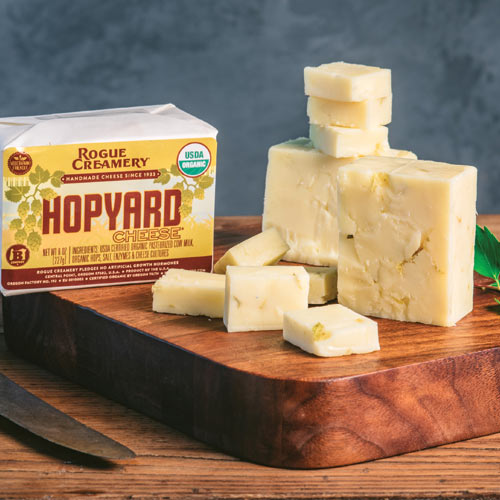
Oregon’s Rogue Creamery has been at the forefront of this innovation. Despite a common misconception regarding a legal connection to Rogue Ales, the two entities operated as distinct neighbors for years, sharing a brand name and a commitment to regional ingredients. Rogue Creamery’s approach involves adding beer—such as the Chocolate Stout from Hopworks Brewery—at the precise moment whey begins to separate from the curd. This timing allows the malted sugars and hop essences to infuse the milk solids directly, resulting in a marbled aesthetic and a subtle, malty depth that cannot be achieved through simple blending.
Marguerite Merritt, a certified sommelier and brand manager for Rogue Creamery, notes that this process is designed to create a balance where the beer does not overpower the dairy. The creamery’s "Hopyard" cheddar further pushes these boundaries by bypassing the liquid beer entirely and mixing fresh, Northwest-grown hops directly with the curds. This technique highlights the floral bitterness and citrus notes of the hops, mirroring the flavor profile of a West Coast IPA within a solid dairy matrix.
Technical Precision and the Role of pH in Production
The integration of beer into cheese is a delicate chemical operation. Rynn Caputo, co-founder of Caputo Brothers Creamery in Pennsylvania, emphasizes that the primary challenge lies in managing pH levels. Milk typically maintains a pH between 6.4 and 6.8. For curds to bind effectively into a cohesive cheese, the acidity must be carefully controlled; if the pH remains too high (above 5.0), the proteins fail to knit together, whereas a pH that drops too low (below 4.0) results in a rubbery, unappealing texture.
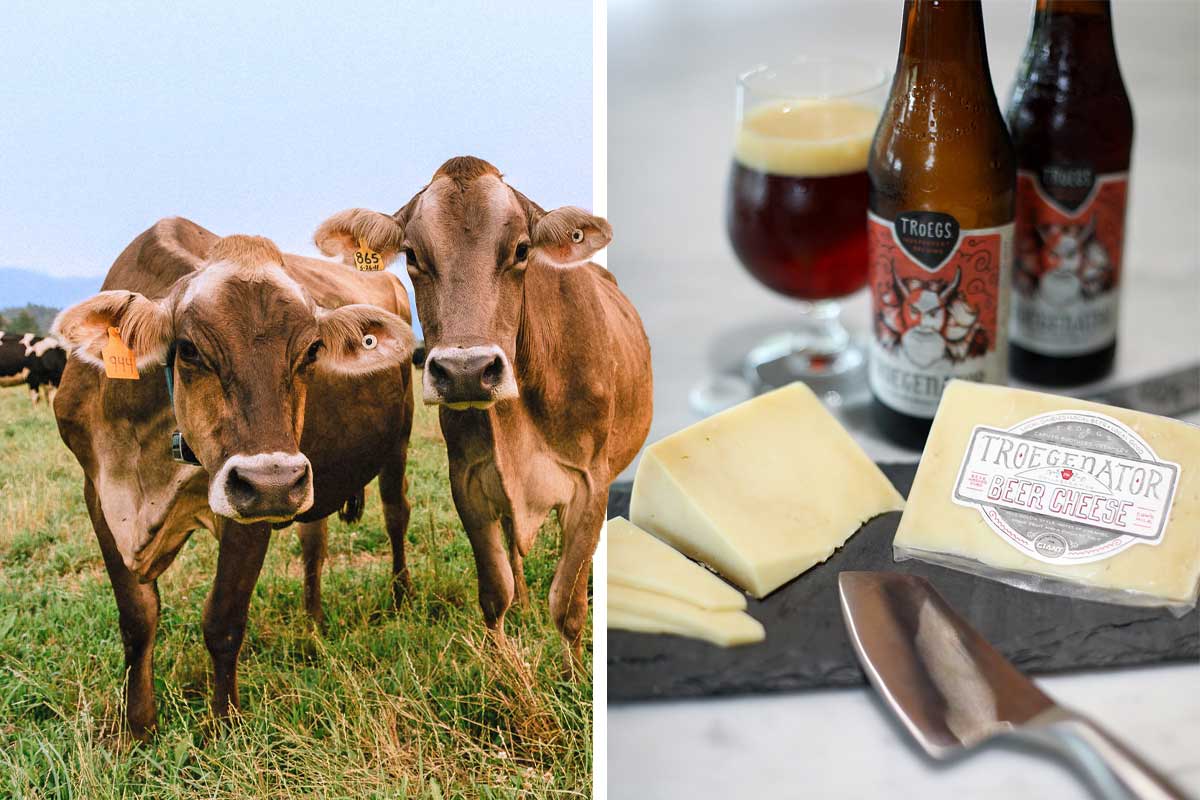
Caputo Brothers Creamery, which initially specialized in Italian-style cheeses, entered the beer cheese market through a strategic partnership with Tröegs Independent Brewing and the grocery chain Giant Food Stores. This "triangular" business model—linking a brewery, a creamery, and a major retailer—was designed to stabilize the local dairy economy. By using Tröegs’ "Troegenator" Doppelbock, the creamery produced a gouda-style cheese that utilized the beer’s residual sugars to enhance the golden hue and sweetness of the final product.
The technical evolution continued with their "Perpetual" beer cheese, where the milk itself is "dry-hopped" with Citra hops before the cheesemaking begins. This process creates an "intense hop milk," ensuring the aromatic qualities of the beer are present in every molecule of the cheese. To further reinforce the profile, the rinds are sprayed with beer during the aging process, a method known as "washing" the rind.
Regional Economic Impacts and Culinary Collaborations
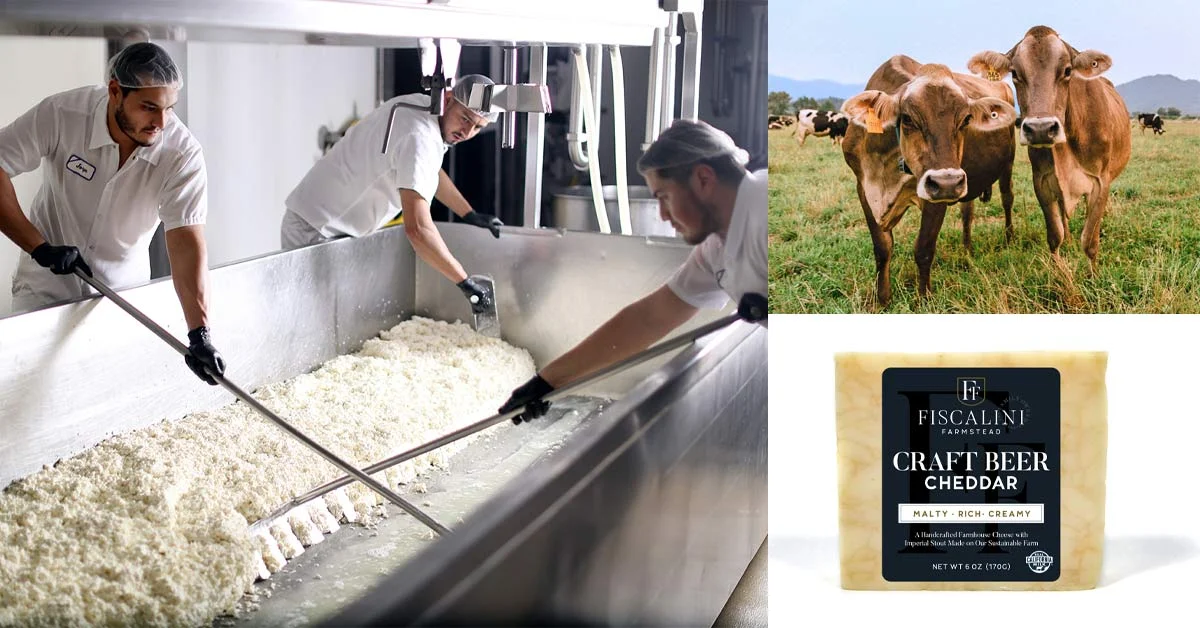
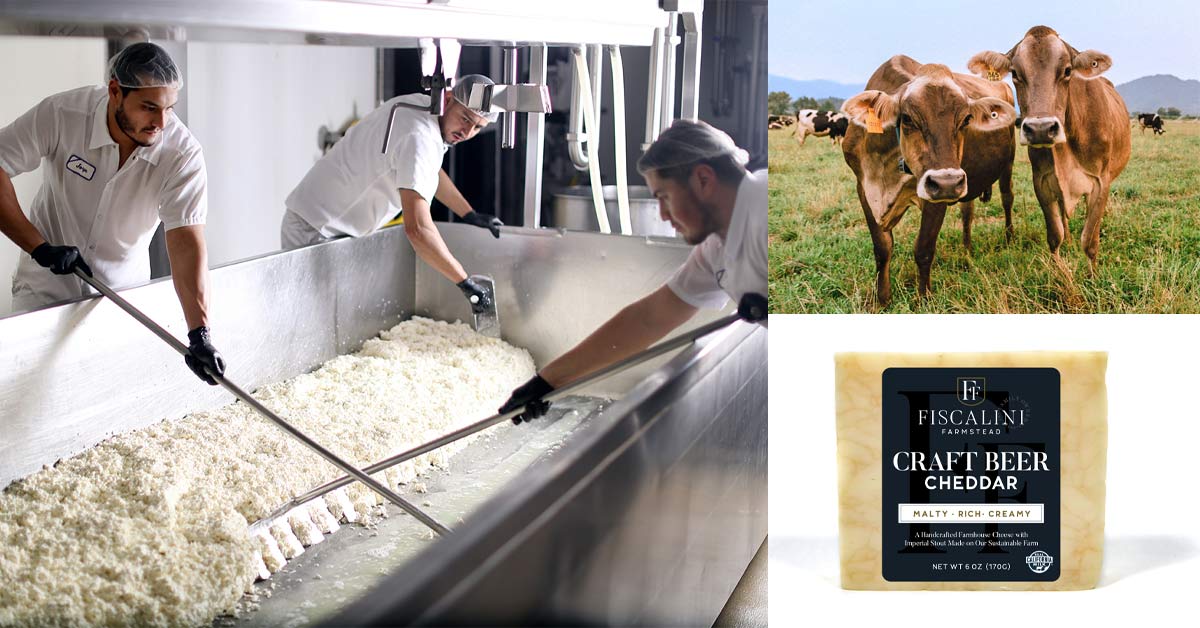
The rise of artisanal beer cheese is not merely a culinary trend but an economic strategy for small-scale dairies. In Modesto, California, Fiscalini Farmstead has utilized its hundred-year history as a dairy farm to pivot into high-value artisanal products. By collaborating with Dust Bowl Brewing, located just twenty miles away, Fiscalini creates a "Craft Beer Cheddar" using Black Blizzard Imperial Stout.
Laura Genasci, a fourth-generation owner at Fiscalini, highlights that using 100% estate-produced milk allows for total traceability. The process involves mixing the roasty, coffee-noted stout with the curds before they are pressed into 40-pound blocks. The overnight pressing phase ensures that the beer flavor permeates the entire block, creating a mottled appearance and a consistent flavor profile. Alex Borgo, Fiscalini’s cheesemaker, describes these efforts as a "culinary collaboration where the artistic work of brewmasters and cheesemakers collide," noting that the enzymes in the malted barley and the microbial cultures in the cheese starter must work in harmony to achieve the desired texture.
Diversity in Method: Washed Rinds vs. Fresh Spreads
While many producers focus on hard cheddars and goudas, others are exploring the "washed-rind" and "fresh" categories. Tulip Tree Creamery in Indianapolis employs a Dutch-inspired method where the exterior of the cheese is repeatedly washed with a solution of bacteria cultures, salt, water, and local beer. This technique, used on their double-cream styles, allows the essence of the beer to seep into the cheese from the outside in, creating a pungent, savory aroma and a creamy interior.
Laura Davenport, co-owner of Tulip Tree, notes that the choice of beer is critical. While high-IBU (International Bitterness Units) beers like IPAs are popular for drinking, they can become overly bitter when concentrated on a cheese rind. Consequently, the creamery often opts for cleaner profiles, such as pilsners or porters, to complement the high fat content of their double-cream cheeses.
Conversely, Urban Stead Cheese in Cincinnati has returned to the "fresh" roots of the category but with an urban, artisanal twist. Located in a downtown setting, Urban Stead produces a "Kentucky-style" spread that is sold fresh, bypassing the long aging cycles required for cheddars. By using Braxton Brewing’s Storm Golden Cream Ale, they create a product with the texture of a ricotta-cream cheese hybrid. This fresh approach provides an immediate revenue stream—utilizing 1,500 pounds of milk per batch—which helps balance the cash flow challenges inherent in producing cheeses that must age for up to 20 months.
Broader Implications for the Food and Beverage Industry
The evolution of beer cheese serves as a microcosm for the broader "craft" movement in the United States. It demonstrates a move away from mass-produced, homogenized products toward those that reflect "terroir"—a sense of place derived from local ingredients and regional partnerships.
Data from the American Cheese Society and the Brewers Association suggest that consumer interest in "collab" products remains high, as these items offer a narrative that resonates with the modern preference for transparency and craftsmanship. The transition from using "leftover" ingredients to "primary" ingredients reflects a professionalization of the category. What began as a sustainable way to use kitchen scraps in a 1940s Kentucky restaurant has become a science-led industry involving sommeliers, microbiologists, and multi-generational farmers.
Furthermore, the emergence of "Custom Cheesemakers"—a side business started by Caputo Brothers to help breweries create their own branded cheeses—indicates that this category is poised for further expansion. As breweries look for ways to diversify their offerings and creameries seek to stabilize their milk prices through value-added products, the intersection of fermentation sciences in beer and cheese will likely continue to yield new textures, flavors, and economic opportunities.
Ultimately, the modern beer cheese movement proves that beer is no longer just a beverage meant to wash away the flavors of a meal; it has become a structural and chemical component of the meal itself. Whether through the dry-hopping of milk, the marinating of curds in imperial stouts, or the washing of rinds in local pilsners, the collaboration between American brewers and cheesemakers is redefining the boundaries of artisanal dairy.