admin
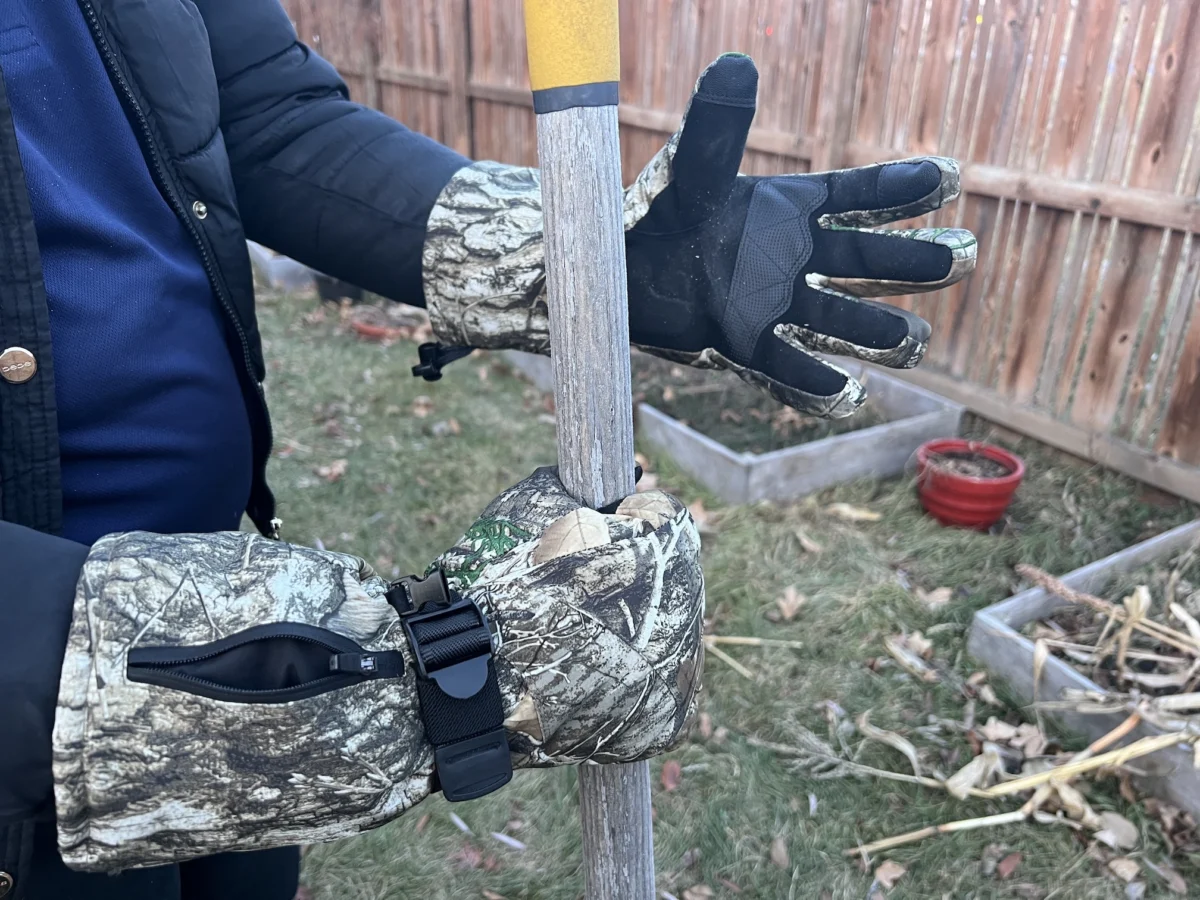
The evolution of winter apparel has reached a critical turning point in 2026, transitioning from passive insulation to active, technology-driven thermal regulation. As global weather patterns continue to produce extreme cold snaps across the Northern Hemisphere, the demand for high-performance heated gloves has surged among outdoor professionals, winter sports enthusiasts, and individuals with circulatory conditions. Unlike traditional insulated gloves that rely solely on trapping body heat, modern heated gloves utilize integrated circuitry, rechargeable lithium-ion batteries, and carbon fiber heating elements to generate consistent warmth in sub-zero environments.
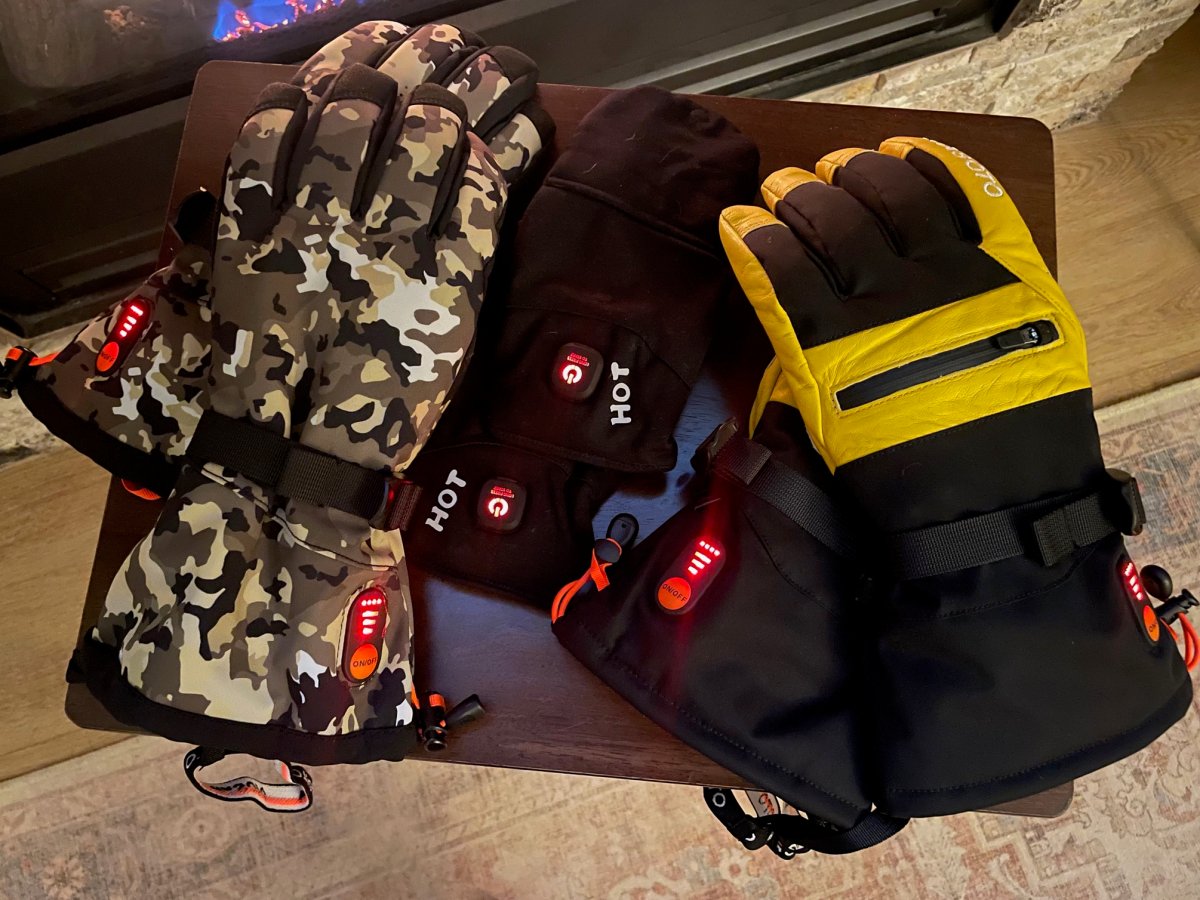
In a comprehensive week-long evaluation, a panel of product experts and field testers analyzed 15 leading models to determine the most effective solutions for various winter activities. The testing process prioritized heat output, battery longevity, material durability, and weatherproofing capabilities. Based on the rigorous data collected, the Savior Battery-Heated Leather Gloves emerged as the premier choice for 2026, setting a benchmark for construction quality and thermal efficiency.
The Evolution of Heated Apparel Technology
The transition from chemical heat packs to sophisticated electronic heating systems represents a decade of advancement in material science. Early iterations of heated gloves were often criticized for being bulky, having short battery lives, and possessing fragile internal wiring that could snap during manual labor. By 2026, the industry has standardized the use of flexible carbon fiber heating wires that are woven directly into the fabric, allowing for a full range of motion without compromising the integrity of the heating circuit.
Furthermore, the shift toward 7.4V lithium-ion batteries has allowed manufacturers to reduce the weight of power cells while extending runtimes. Most high-end models now feature three-stage thermal controllers, allowing users to balance heat intensity with battery preservation. This technological leap has expanded the market from niche professional use—such as high-altitude construction and professional skiing—to everyday consumers seeking comfort during routine tasks like commuting or walking pets.
Rigorous Testing Methodology and Chronology
The 2026 evaluation was conducted over a seven-day period in diverse climates, ranging from the high-altitude peaks of Colorado to the humid, freezing conditions of Minnesota. The testing timeline was structured to simulate real-world usage cycles:
- Initial Benchmarking: Batteries were charged to 100% capacity to verify manufacturer claims regarding charging time and initial voltage stability.
- The Freezer Stress Test: To measure thermal recovery, gloves were placed in a -10°F freezer for 10 minutes. Testers then activated the heating elements to determine how quickly the gloves could return to a comfortable internal temperature.
- Waterproofing and Submersion: Gloves were subjected to simulated heavy precipitation and then submerged in ice baths for one hour to test the integrity of synthetic shells and leather treatments.
- Field Durability: Testers wore the gloves while performing high-friction tasks, including snow shoveling, operating heavy machinery, and handling cold metal tools, to assess wear and tear on the palms and seams.
- Battery Depletion Analysis: Each pair was run on its lowest setting until complete power failure to establish the true maximum runtime.
Top Performance Analysis: The Best Overall and Best Value
The Savior Battery-Heated Leather Gloves claimed the top spot due to their hybrid construction of polyester, elastane, and reinforced leather palms. During testing, these gloves demonstrated a superior ability to distribute heat across the back of the hand and down to the fingertips—the areas most susceptible to frostbite. The slim profile of the lithium-ion batteries ensured they did not interfere with the user’s wrist movement, a common flaw in lower-tier models.
For consumers seeking a balance between cost and functionality, the YongGfte Rechargeable Fingerless Heated Gloves were identified as the "Best Bang for the Buck." These gloves cater to a specific segment of the market that requires high dexterity for tasks such as operating mobile devices or handling keys in moderately cold environments. While they lack the heavy insulation required for extreme mountaineering, their magnetic mitten covers provide a versatile solution for dry, cold days. However, testers noted that the integrated batteries mean the gloves cannot be used while charging, a factor that budget-conscious buyers must consider.
Specialized Solutions for Work and Sport
The 2026 market has seen a rise in specialized heated gear tailored to specific professional and recreational needs:
Rugged Industrial Use
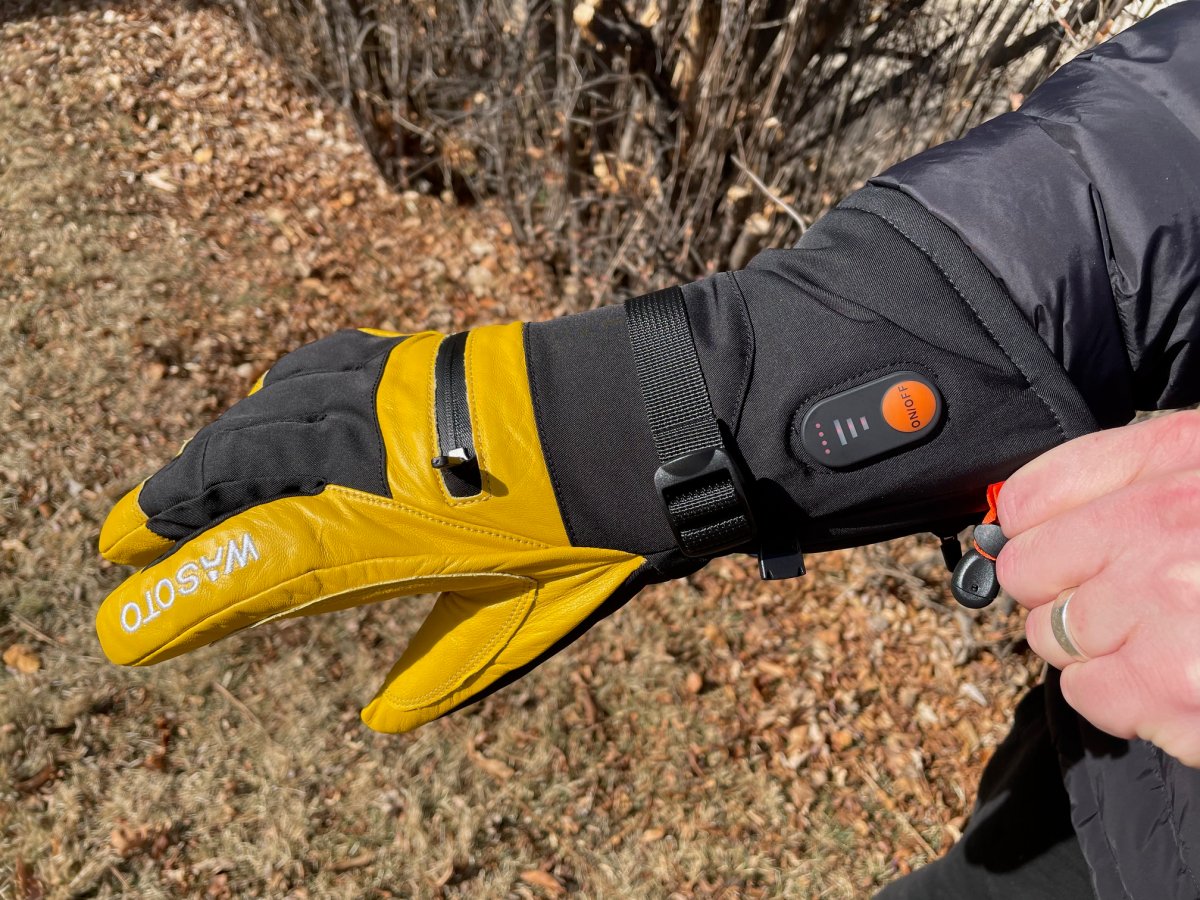
The Wasoto Heated Leather Work Gloves were highlighted for their exceptional durability. Featuring a soft velvet lining and a rugged leather exterior, these gloves are designed for long shifts in the cold. Data showed they maintained consistent heat for up to 8 hours on the lowest setting, making them ideal for construction and utility workers. Their charging cycle—going from 0% to 100% in roughly four hours—aligns with standard overnight rest periods for professional crews.

High-Speed Winter Sports
For motorcycling and snowmobiling, the Savior Rechargeable Electric Heated Gloves provided the necessary safety features, including carbon fiber knuckle guards and reinforced padding. In high-wind simulations, the windproof shell successfully prevented heat loss, a critical factor for riders traveling at high speeds in freezing temperatures. The touchscreen-compatible fingertips also allow riders to use GPS systems without exposing their hands to the elements.
Winter Athletics
The Snow Deer Heated Mittens were rated as the best option for skiing. The mitten design inherently traps more heat than a glove, and the internal finger compartments provide a snug fit that prevents "dead air" pockets. During a 20-minute outdoor exposure test in active snowfall, the interior remained entirely dry, and the battery continued to provide warmth for six hours post-exposure.
Market Data and Economic Implications
The heated apparel sector is projected to continue its growth trajectory through the end of the decade. Market analysis suggests that the convergence of lower battery production costs and increased consumer awareness is driving this expansion. In 2025, the price range for reliable heated gloves stabilized between $45 and $150, making them more accessible than the $200+ price points seen in previous years.
Supporting data from retail sectors indicates that heated gloves are no longer viewed as "luxury" items but as essential "winter workwear." This shift is particularly evident in the "Best Liners" category, where products like the Snow Deer Heated Glove Liners allow users to upgrade their existing gear for a fraction of the cost of a new high-end system.
Safety Standards and Official Responses
Industry experts and safety regulators have emphasized the importance of using certified lithium-ion batteries in heated apparel. Most reputable brands in 2026, including Savior and Snow Deer, have implemented auto-shutoff features to prevent overheating. Official guidelines suggest that users should inspect their gloves regularly for any signs of wire fatigue or battery swelling.
While many models are now advertised as machine-washable, manufacturers warn against wringing the gloves, as the mechanical stress can damage the internal heating circuits. The standard recommendation remains hand-washing or using a delicate cycle with the batteries removed and the connectors secured.
Broader Impact on Winter Labor and Health
The implications of high-performance heated gloves extend beyond simple comfort. For individuals with Raynaud’s disease or other circulatory issues, these products are medical necessities that allow for a normal quality of life during winter months. Professionally, the use of heated gear has been shown to reduce the risk of cold-related workplace injuries and improve overall productivity by maintaining hand dexterity in harsh conditions.
As battery technology continues to improve—with solid-state batteries on the horizon—the next generation of heated gloves is expected to be even lighter and more powerful. For now, the 2026 lineup represents the pinnacle of current thermal engineering, providing reliable solutions for anyone facing the challenges of an extreme winter season.
Conclusion and Final Recommendations
The 2026 testing cycle confirms that the best heated gloves are those that successfully integrate high-quality materials with efficient electronic components. Whether for professional work, high-speed sports, or casual winter walks, the current market offers a variety of options that prioritize user safety and thermal consistency. The Savior Battery-Heated Leather Gloves remains the benchmark for those seeking an all-around performer, while specialized models from Snow Deer and Wasoto provide targeted benefits for specific outdoor environments. As winter temperatures become increasingly unpredictable, the adoption of active heating technology appears to be the most effective strategy for maintaining safety and comfort in the cold.