admin
In the vast, untamed heart of Central Africa, Welsh adventurer and self-described extreme athlete Ash Dykes recently completed a monumental 500-mile kayaking expedition down the Sangha River, a vital tributary of the mighty Congo River. This ambitious undertaking, part of his global "Project 6" series, thrust Dykes, alongside local guide Obed Temba Tuyumvire and cameraman Will Perez, into the spotlight, captivating millions online. The journey, however, was far from a serene paddle; it was a rigorous test of endurance, a deep dive into a critical ecosystem, and a complex exploration of how such expeditions are perceived and portrayed in the digital age.
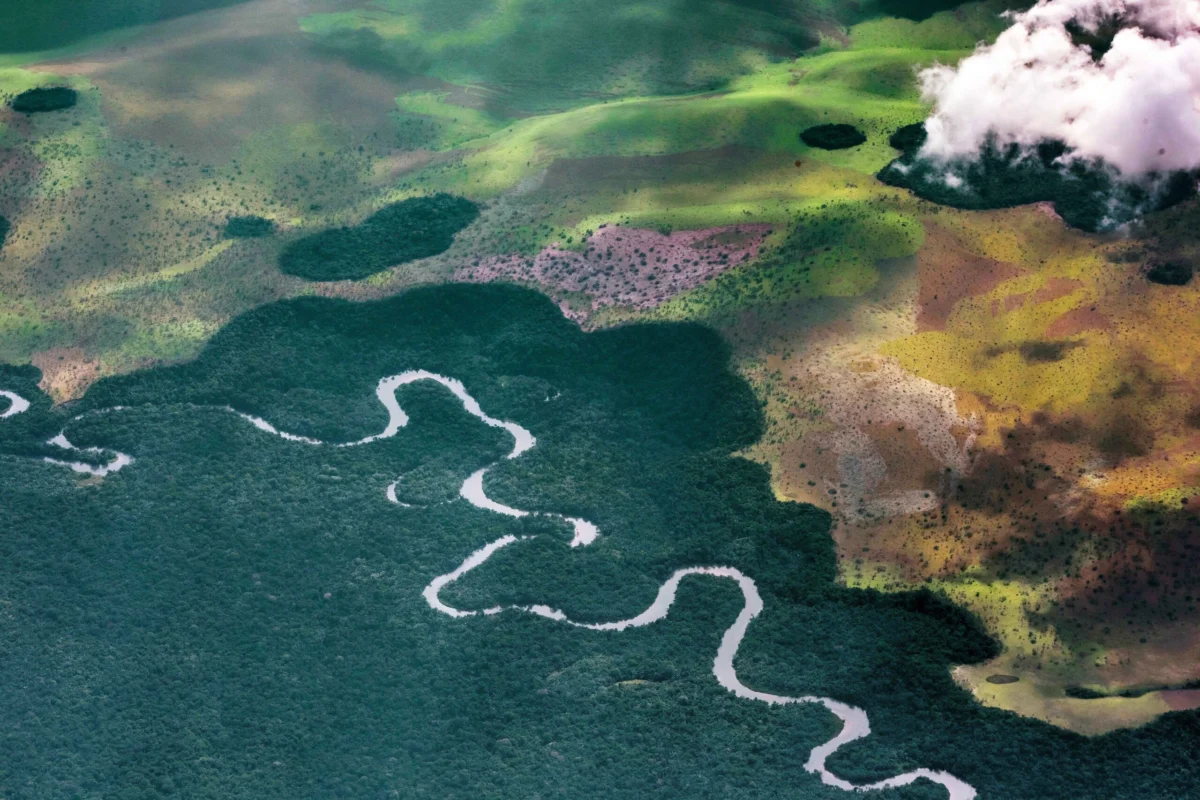
The expedition commenced in October, with the team pushing off into the placid yet potentially perilous waters of the Sangha, which snakes through Cameroon, the Central African Republic, and the Republic of the Congo. This region is home to the world’s second-largest rainforest, the Congo Basin, an ecosystem of immeasurable importance for global biodiversity and climate regulation. The team anticipated encountering iconic wildlife such as lowland gorillas and forest elephants, but the river also harbors less predictable inhabitants. An early incident, where an unseen force stirred beneath Dykes’ kayak, kicking up a flurry of bubbles, underscored the inherent risks. This moment, captured on video, sent ripples of speculation through social media, with theories ranging from local folklore to the very real possibility of an encounter with a hippopotamus, an animal known for its territorial aggression.

A Viral Phenomenon: The Sangha Expedition Goes Digital
The mystery surrounding the underwater disturbance, coupled with the team’s consistent and engaging dispatches, propelled the expedition to viral status. A short video clip shared by Dykes on TikTok, documenting the Sangha River incident with the cause still unknown, garnered over 8 million views. The comment section became a hub of enthusiastic speculation, reflecting a global audience captivated by the unfolding narrative. Viewers debated supernatural explanations, such as the involvement of Mami Wata, a revered water spirit in West African folklore, while others humorously likened the situation to a "game of Hungry Hungry Hippos." The sheer engagement, with one user quipping they quit their job to follow the expedition, highlighted the profound impact of real-time adventure storytelling on social media.
Beyond the viral moments, the expedition was meticulously documented through a series of TikTok updates that were later expanded into a comprehensive YouTube series. These longer-form videos provided an intimate look at the logistical challenges of navigating the Congo Basin. The team detailed their struggles with the oppressive heat, the constant threat of parasites and tropical diseases, and the arduous process of traversing the dense rainforest. A significant cultural exchange occurred when they spent a day with the Ba’Aka people, an Indigenous seminomadic tribe residing in the Dzanga-Sangha Protected Area. Here, they learned traditional foraging techniques, including the harvesting of wild coconuts, and participated in a communal hunt, offering viewers a rare glimpse into the rich cultural heritage of the region. The series also captured moments of breathtaking natural beauty, such as sightings of forest elephants, and instances of heightened tension, like a dramatic escape from a pursuing swarm of bees. Periods of communication blackout, particularly after a power bank failure, amplified viewer concern, demonstrating the deep investment the online audience had developed in the team’s well-being.
Project 6: An Ambitious Global Endeavor
The Sangha River expedition marked the inaugural phase of Dykes’ ambitious "Project 6." This overarching initiative is designed to see the seasoned adventurer tackle extreme environments across the globe through formidable athletic feats. Dykes, whose previous accomplishments include being the first person to walk the entirety of the 4,000-mile Yangtze River over a year-long period, is charting a course through some of the planet’s most challenging terrains. Following his immersion in the Congo Basin, the second installment of Project 6 will see him traverse Kyrgyzstan on horseback in sub-zero temperatures. Future destinations are being revealed sequentially, adding an element of suspense to the unfolding project.

Dykes articulates his motivation as a profound fascination with the world’s less-explored corners and a desire to learn from indigenous communities. "I’m fascinated with corners of the world that I am unfamiliar with and learning from the people there that call it home," Dykes stated. "Then it’s mixed in with the challenge of: Can I do what is deemed impossible, or can I do what people have tried to do before but failed to complete?" His approach prioritizes not only the athletic challenge but also a responsible presentation of the environments he visits. He stressed the importance of preparation for anyone considering similar journeys, emphasizing that a respectful and informed approach is paramount to experiencing places like the Congo Basin.
The Critical Role of Local Expertise and Advocacy
The success and integrity of the Sangha expedition were profoundly shaped by the invaluable contributions of Obed Temba Tuyumvire. Tuyumvire, a conservation advocate and ecotourism entrepreneur through his Kigali-based company, Kumbukumbu Tours, brought an intimate understanding of the region and its people. Born in a forest village near Virunga National Park in the Democratic Republic of Congo, his early life experiences, including over a decade in a refugee camp, instilled in him a deep belief in the power of responsible tourism to foster positive local change, particularly for young people. Tuyumvire’s decision to join Dykes was driven by a desire to provide an authentic narrative of the Congo Basin to a global audience, countering often sensationalized or inaccurate portrayals.
"Because we have been surviving these out-of-context stories or even more exaggerated stories," Tuyumvire explained, "I myself feel the responsibility to always say yes to someone who has the microphone, and I tell the right context." He played a crucial role in selecting the expedition’s route and scouting the upper headwaters of the Sangha. Throughout the journey, Tuyumvire provided vital context in the video dispatches, shedding light on critical issues such as the severe endangerment of forest elephants, the escalating threats of deforestation, and the integral role of women in traditional hunting practices observed among the Ba’Aka people.

Navigating Entertainment, Education, and Ethical Representation
The expedition’s presentation on platforms like TikTok presented a unique challenge: balancing the inherent educational value of documenting a critical ecosystem and its inhabitants with the demands of an entertainment-driven digital audience. Maintaining a constant online presence, as Dykes insisted upon, proved difficult due to the dense forest canopy limiting internet connectivity. "I can’t be claiming that this is a lifetime expedition and then we use either recycled content or we go dark," Dykes remarked, underscoring his commitment to providing a continuous, "as live as possible" experience for his followers.
This commitment to real-time engagement, however, sometimes intersected with a darker side of online consumption. Dykes observed a disturbing trend among some viewers who exhibited a morbid fascination with potential dangers, even placing bets on how the trio might perish. "I think people are lost or confused as to what is a video game and what is a movie, and then what is reality," he commented. "So it’s almost like this disconnect where people just wanted to be entertained: ‘If I’m going to the Congo, I want to see you escaping wildlife, wrestling.’" Tuyumvire recognized this as another challenge, stating, "another kind of challenge for me to create a story that will continuously be fed to the audience, but that will not also be overcrowded by too much exaggeration."
Furthermore, the expedition faced scrutiny regarding its framing and potential to reinforce outdated colonial narratives. Guy Dieudonne Moukandi N’Kaya, a lecturer and researcher at Marien Ngouabi University in Brazzaville, Republic of the Congo, acknowledged the expedition’s honest depiction of the "tense coexistence" between humans and wildlife. However, he expressed reservations about Dykes’ use of phrases like "dropping into the heart of darkness," a direct allusion to Joseph Conrad’s controversial novella. N’Kaya argued that such terminology, along with descriptors like "unexplored," effectively erases the long-standing human presence and history within the region. "The Sangha is not empty," N’Kaya emphasized via email. "For centuries it has been traversed by people in dug-out canoes—fisherfolk, traders, and families."

Broader Implications: Conservation, Colonial Legacies, and Digital Impact
The expedition’s primary objective, as stated by Dykes, was to raise awareness about the Congo Basin’s critical environmental state, particularly the urgent threat of deforestation. However, questions have arisen regarding the tangible benefits of such adventures for the region itself, beyond bolstering Dykes’ "Project 6" brand. The Congo Basin grapples with deeply entrenched issues, including extreme poverty, corruption, and illegal mining, which Tuyumvire attributes to the enduring legacies of colonialism and slavery. "People are poor in the sense that they are ready to sell anything they are able to, to be able to just survive," Tuyumvire explained. He noted that the presence of foreigners, particularly white individuals, can evoke historical anxieties related to resource exploitation, fueling a perception that their intentions are extractive rather than developmental, which in turn can hinder progress and pose a threat to the forest.
Upon returning in late October, Tuyumvire resumed his conservation work, reflecting on the expedition’s impact. While the widespread online interest has not directly translated into increased bookings for his tours, this was not his primary objective. "The audience we had is not an audience of travelers, to be honest," he admitted. Tuyumvire expressed a desire to have incorporated a more explicit call to action, enabling the audience’s curiosity to translate into concrete support for the region. Alongside his tours, Tuyumvire actively contributes to the Congo Rainforest Fund, a local non-governmental organization dedicated to collaborating with communities to address forest threats through education and job creation initiatives.
Tuyumvire remains optimistic that broadcasting the journey has nonetheless fostered a greater understanding of the Congo Basin among a global audience that may have previously perceived it as inaccessible or incomprehensible. "The Congo Basin has been represented as a difficult place to access, a difficult, complex place to understand," Tuyumvire observed. "So people were saying, ‘Finally, someone is going to give us the real information—we want to see them in the reality.’" The expedition, therefore, represents a complex tapestry of adventure, digital storytelling, and the enduring challenge of navigating cultural sensitivities and historical contexts in a rapidly interconnected world.