admin
While the American immigrant narrative is often anchored to the "huddled masses" of the East Coast and the hallowed halls of Ellis Island, a distinct and equally transformative movement was occurring on the Pacific Coast throughout the early to mid-20th century. In San Francisco, a city forged by the fires of the Gold Rush and the steel of industrial expansion, Eastern European migrants—specifically from the Slovene community—played a pivotal role in establishing the region as a global brewing powerhouse. This demographic shift, driven by geopolitical instability in Europe and the industrial demands of a growing California, created a unique socioeconomic ecosystem where beer production became a primary vehicle for immigrant upward mobility and community stability.
The Historical Foundations of San Francisco Brewing
The trajectory of San Francisco’s brewing industry is inextricably linked to the city’s rapid metamorphosis from a quiet outpost to a bustling metropolis. In 1834, Richard Henry Dana, an observer of early California life, documented the region as a place of "worlds not realized." By the time he returned in 1858, the Gold Rush had fundamentally altered the landscape. However, as historical data suggests, the true wealth of the era was not found in the mines, but in the secondary industries that supported the influx of prospectors.
Commercial brewing in California predates the peak of the Gold Rush. Historical records indicate that in 1843, the merchant firm of Benjamin T. Reed facilitated the first recorded shipment of bottled beer into San Francisco. By the late 19th century, the city had developed a signature style known as "steam beer." This process involved cooling the wort in large, shallow rooftop pans, utilizing the cool, damp San Francisco air to initiate fermentation without the need for ice—a luxury at the time. This innovation laid the groundwork for legendary entities like the Anchor Brewing Company, which remains a cornerstone of American brewing history.
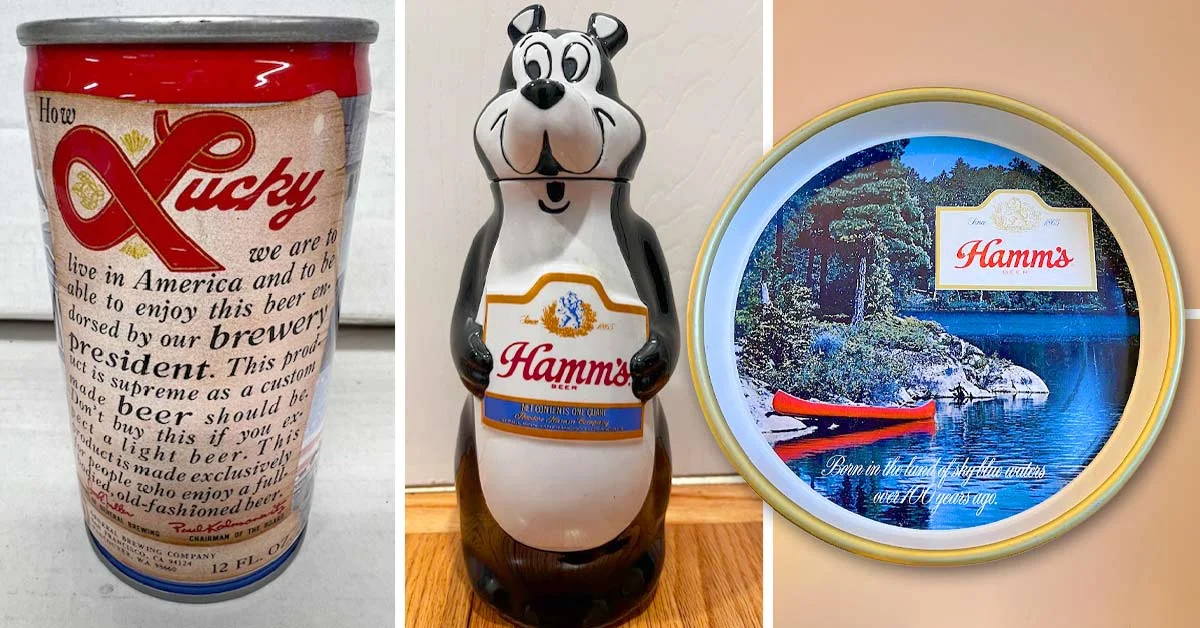
The early 20th century presented a series of existential threats to the industry. The Great Earthquake of 1906 destroyed significant infrastructure, while the onset of Prohibition in 1919 and the anti-German sentiment following World War I shuttered numerous local establishments. Despite these setbacks, the repeal of the 18th Amendment in 1933 sparked an industrial renaissance, paving the way for the rise of major players such as Lucky Lager, Acme Brewing, and the San Francisco Brewing Corp, later famously known as Burgermeister.
The Slovene Migration: From Mining Towns to Factory Floors
The Slovene-American experience in San Francisco is a testament to the broader South Slavic migration patterns of the interwar period. Following World War I, many Slovenes who had initially settled in the mining and agricultural regions of Idaho, Montana, and Colorado began gravitating toward the industrial hubs of the West Coast. The 1920 United States Census estimated the Slovene-American population and their children at approximately 228,000, with significant concentrations in the Midwest and the Mountain West.
For many Slovene families, the journey to San Francisco was a multi-generational effort. Immigrants often faced a volatile economic landscape; many had returned to the newly formed Kingdom of Yugoslavia after World War I, only to find the "uneasy peace" unsustainable as the Great Depression took hold. This prompted a secondary wave of migration back to the United States.
By the late 1940s, San Francisco’s industrial sector, specifically companies like Soule Steel, provided the initial employment for these veterans and migrants. However, as post-war manufacturing shifted, the brewing industry emerged as a more stable and lucrative alternative. The transition was facilitated by tight-knit community networks. Early Slovene employees at the Burgermeister plant, such as the Klemens family, acted as informal recruiters, encouraging fellow immigrants to join the "brew floors." By the 1950s, more than a dozen Slovene families were represented within a single facility, creating a micro-community within the city’s industrial framework.
The Industrialization of the "Brew Floor" Melting Pot
The 1950s marked the "Golden Age" of large-scale brewing in San Francisco. National brands like Hamms and Schlitz established massive facilities to capitalize on the West Coast’s expanding population. The Burgermeister brand, or "Burgie," became a local cultural icon. These factories were characterized by a diverse, albeit segregated, workforce.
Despite the prevailing "melting pot" rhetoric of the era, discrimination remained a significant hurdle. Reports from the mid-20th century indicate that signs reading "No Bohunks Need Apply"—a derogatory term for Czechs, Slovenes, and Slovaks—were not uncommon in San Francisco business windows. In this climate, the brewing industry offered a rare refuge. Managers at plants like Burgie, often immigrants themselves, prioritized labor capacity over ethnic background.
The work was grueling and highly specialized. Laborers were divided into several critical functions:
- Packaging and Warehousing: Moving large pallets of cans and glass bottles, and operating heavy machinery like forklifts for keg transport.
- Production Line Operations: Monitoring the high-speed fillers, labeling machines, and capping stations.
- Quality Control: Testing pH levels and product consistency to ensure industrial standards were met.
- Overtime and Seasonal Shifts: During peak summer demand, factories operated 24 hours a day. Workers frequently pulled "double shifts" during swing and graveyard schedules to meet the national demand for California-brewed beer.
Socioeconomic Mobility and Union Influence
The primary driver of Slovene-American participation in the brewing industry was the promise of upward mobility. Unlike the dangerous and unpredictable work in the mines of Montana or Idaho, factory work in San Francisco was unionized and offered a clear path to the middle class.
The influence of the International Brotherhood of Teamsters was paramount. Union contracts provided not only high hourly wages but also robust pension plans, which were virtually unheard of for first-generation immigrants in other sectors. The strength of these unions was tested in 1973 during the national boycott of the Coors plant. San Francisco’s Slovene workers were vocal supporters of the boycott, standing in solidarity against union-busting efforts and employment discrimination.
The financial stability provided by the breweries had a ripple effect on the next generation. It was common for the sons of Slovene factory workers to join the union during their summer breaks, using the high wages to fund their college educations. This "intergenerational bridge" allowed the children of manual laborers to transition into professional roles in law, education, and engineering, effectively fulfilling the "American Dream" that had drawn their parents to the West Coast.
The Vietnam Connection and the Human Element of Production
A unique chapter in San Francisco’s brewing history occurred during the Vietnam War. Many of the workers on the brew floors were veterans of World War II or the Korean War, and they maintained a deep connection to the servicemen overseas. When shipments were destined for Vietnam, workers would often line the pallets with local newspapers and magazines, providing a cultural lifeline to the troops.
For Slovene-American servicemen, such as those in the Navy or Army, receiving a shipment of "Burgie" or "Lucky Lager" in a combat zone was more than just a luxury; it was a connection to the specific neighborhoods and families that had produced the beverage. This period highlighted the brewery not just as a site of production, but as a hub of communal and patriotic identity.
Automation and the Sunset of Industrial Brewing
By the late 1970s, the industrial landscape of San Francisco began to shift under the weight of technological innovation and changing consumer tastes. The same computer revolution that was taking root in the nearby Silicon Valley began to automate the factory floors. Machines replaced manual laborers in the filling and labeling stages, and the massive, centralized production model began to give way to more streamlined, regional operations.
Many of the large-scale breweries that had defined the city’s skyline for decades began to close or relocate. The Burgermeister factory building, once a hive of Slovene-American activity, was eventually repurposed and now serves as a retail warehouse. As the older generation of Slovene workers retired, the younger generation, bolstered by the educations their fathers’ labor had provided, moved into different sectors.
Legacy: From Industrial Giants to Craft Pioneers
While the era of the massive "brew floor" has largely passed, the legacy of the Slovene-American workers persists in the modern craft beer movement. In 1965, the acquisition of Anchor Brewing by Fritz Maytag signaled a shift from industrial quantity to artisanal quality, a move that catalyzed the global craft beer revolution.
Today, San Francisco remains a hub of brewing excellence, celebrated annually during SF Beer Week. The festival often features European imports, including brands from Slovenia like Laško and Union, acknowledging the country’s own thriving beer culture.
The story of the Slovene-Americans in San Francisco’s breweries is a narrative of resilience and industrial contribution. These immigrants did not just work in the city; they built its infrastructure, supported its unions, and educated its future leaders. As the city continues to evolve, the history of those who "toiled with their hands" to fill millions of bottles remains a fundamental, if sometimes overlooked, pillar of the American West’s industrial heritage. Through their labor, they turned the "golden door" of the West Coast into a gateway for lasting prosperity.