admin

Italy’s vinous landscape is celebrated globally, with regions like Tuscany and Piedmont commanding immense prestige. Iconic wines such as Bolgheri Superiore and Brunello di Montalcino from Tuscany, and Barolo and Barbaresco from Piedmont, are revered for their exceptional quality and complexity, often fetching premium prices on the international market. However, these celebrated bottlings represent merely a fraction of the diverse and extensive wine production within their respective zones. For the discerning enthusiast or the budget-conscious consumer, a wealth of characterful and value-driven alternatives lies just beyond the spotlight, offering an enriching exploration of Italy’s winemaking heritage without the steep price tag.
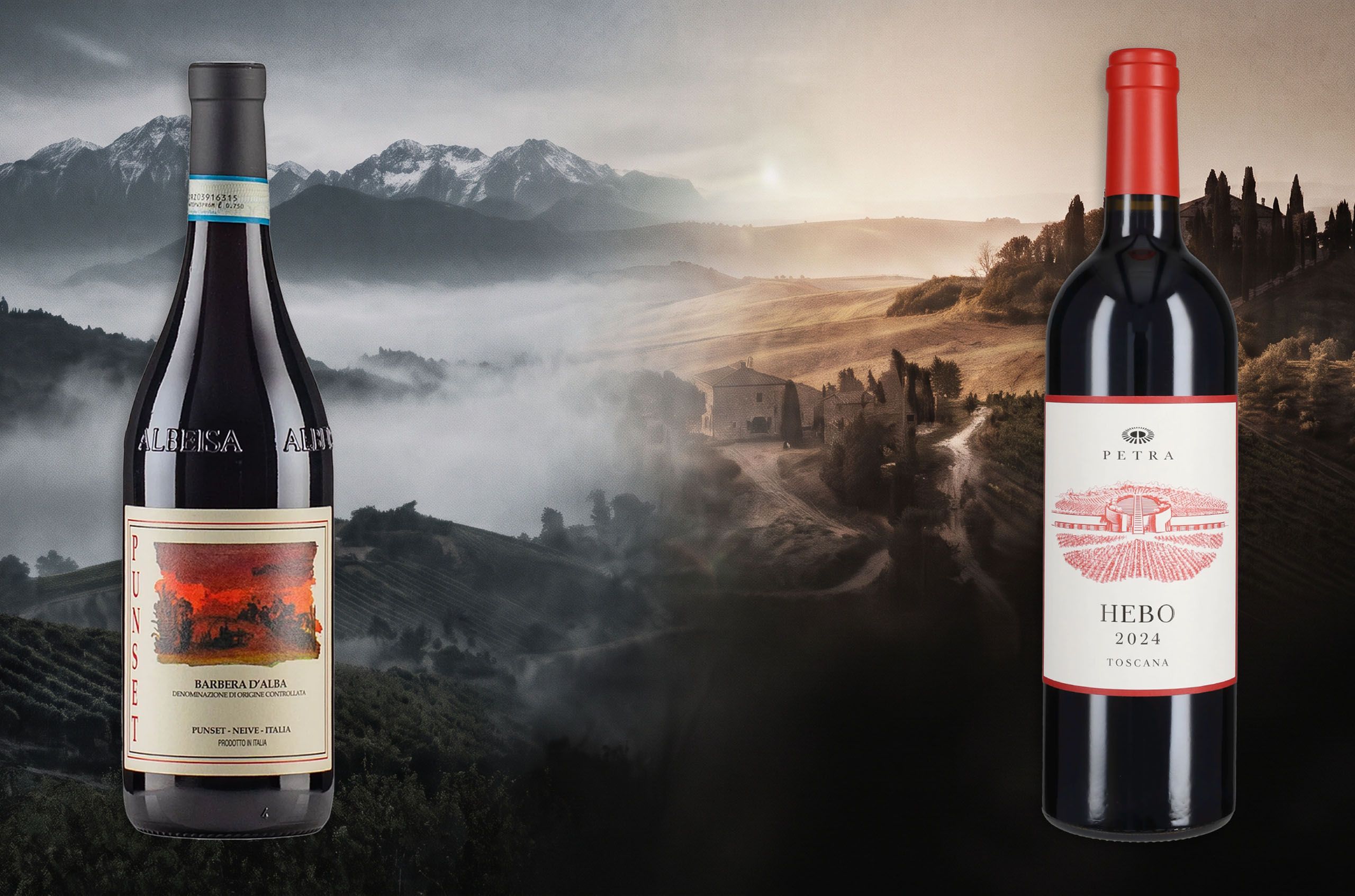
Beyond the Icons: The Untapped Potential of Italy’s Premier Regions
The perception that high-quality Italian wine invariably comes with a prohibitive cost is a misconception. While the flagship wines of Tuscany and Piedmont are undeniably world-class, they are also positioned at the apex of their regions’ price curves, often due to stringent production regulations, extensive aging requirements, and significant market demand. This article delves into the strategies for uncovering outstanding value in these renowned areas, spotlighting wines made from different grape varieties, those occupying the entry-level tiers of prestigious wineries, or hailing from lesser-known, yet equally promising, sub-regions. Expert-reviewed recommendations across various price points, typically ranging from below £10 to £30, underscore the accessibility of these hidden gems.
Finding Value in Tuscany: A Journey Through Sangiovese and Beyond
Tuscany, the heartland of Sangiovese, is synonymous with picturesque rolling hills, historic estates, and wines of noble character. While the allure of a top-tier Brunello di Montalcino or a Super Tuscan blend like Bolgheri Superiore is undeniable, smart consumers can find remarkable quality and expression by broadening their search.
Navigating Tuscany’s Value Landscape
The most direct route to value in Tuscany often involves looking beyond the most prestigious single vineyards or extended-aged wines. Instead, focusing on "lesser" appellations or entry-level offerings from well-regarded producers can yield significant rewards. For instance, Rosso di Montalcino serves as an excellent gateway to the terroir of Montalcino. Produced from the same Sangiovese Grosso grape as its more famous sibling, Brunello, Rosso di Montalcino typically undergoes shorter aging periods and can be sourced from younger vines, resulting in a more immediate, fruit-forward, and significantly more affordable wine that still embodies the region’s distinctive elegance.
Chianti Classico: The Everyday Aristocrat
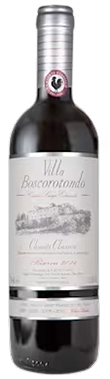
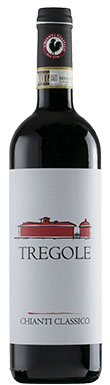
The Chianti Classico region, easily identifiable by its black rooster (Gallo Nero) emblem, offers some of Tuscany’s most consistent value, particularly in its entry-level "Annata" (vintage) wines. While Riserva and Gran Selezione bottlings command higher prices due to extended aging and stricter selection criteria, the Annata wines provide a pure and vibrant expression of Sangiovese, often blended with small percentages of other native grapes like Canaiolo or Colorino, or international varieties like Merlot and Cabernet Sauvignon. These wines are celebrated for their bright cherry fruit, savory notes, and refreshing acidity, making them incredibly food-friendly and versatile. The Chianti Classico Consorzio maintains rigorous standards, ensuring a baseline of quality that makes even the more accessible wines a reliable choice.

Vino Nobile di Montepulciano: A Regal Alternative
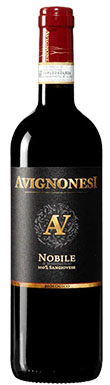
Another excellent area to explore is Vino Nobile di Montepulciano. While perhaps less globally recognized than Brunello or Chianti Classico, this region produces wines of remarkable depth and structure from Prugnolo Gentile, a local clone of Sangiovese. Often described as a bridge between the elegance of Chianti Classico and the power of Brunello, Vino Nobile offers a complex aromatic profile of dark cherries, plums, and earthy undertones, with a firm tannic backbone that promises ageability. Its relative obscurity compared to its neighbors means that well-crafted Vino Nobile di Montepulciano can represent exceptional value for money, providing a taste of Tuscan nobility at a more approachable price point. However, as with any region, careful selection of producers is advisable to ensure quality.
The Maremma: Tuscany’s Sun-Drenched Frontier
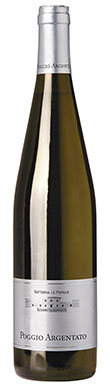
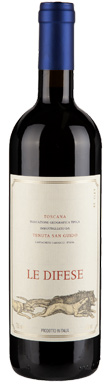
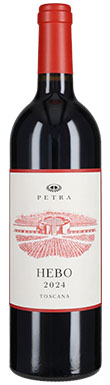
For those seeking a different expression of Tuscany, the coastal region of Maremma is a burgeoning source of ripe, juicy reds, fresh and crisp whites, and delightful summer rosés. Historically less developed for fine wine, the Maremma has benefited from significant investment and innovation over the last few decades, attracting both established Tuscan producers and new ventures. Its Mediterranean climate and diverse soils allow for a broader range of grape varieties to thrive, including Sangiovese, as well as international stalwarts like Cabernet Sauvignon, Merlot, and Syrah, and indigenous whites like Vermentino.
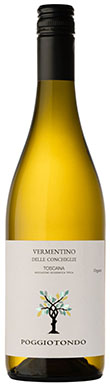
The wines from Maremma often exhibit a sunnier, more generous fruit profile compared to the more austere wines from inland Tuscany. Its reds are typically rich and approachable, while its whites, especially Vermentino, offer vibrant acidity and saline minerality, perfect for seafood. The rosés are equally appealing, often displaying red berry notes and a refreshing finish. The Maremma’s "frontier" status means that many of its wines, while of high quality, are still priced competitively, offering excellent value for consumers looking for a more modern, fruit-driven Tuscan experience.
Tuscany: Value Recommendations (General Categories)
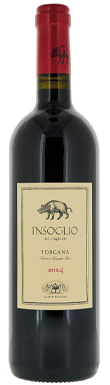
- Under £15: Look for Chianti Annata, Rosso di Montalcino from less famous producers, and entry-level Sangiovese/Vermentino from the Maremma. These typically offer vibrant fruit, good acidity, and versatility for everyday meals.
- Under £30: Explore Rosso di Montalcino from renowned estates, high-quality Chianti Classico Annata or even some Riservas, and well-crafted Vino Nobile di Montepulciano. The Maremma also offers excellent value Super Tuscan blends and premium Vermentino in this range, providing greater complexity and aging potential.
Finding Value in Piedmont: Unearthing Northern Italy’s Hidden Treasures
Piedmont, nestled against the Alps in northwestern Italy, is a region of profound elegance and intricate complexity, home to the noble Nebbiolo grape that produces the legendary Barolo and Barbaresco. While these wines are the epitome of age-worthy reds, characterized by their haunting aromatics, firm tannins, and deep structure, finding value in Piedmont can be more challenging due to the region’s predominant small-scale, artisanal wineries. Many producers prioritize quality over volume, limiting availability and often driving up prices.
Navigating Piedmont’s Value Landscape
Despite these challenges, Piedmont offers a compelling array of wines that deliver exceptional quality for their price. The key lies in exploring beyond Nebbiolo’s most famous expressions and embracing the region’s diverse indigenous grape varieties.
The Role of Cooperatives
In a region dominated by small family estates, wine cooperatives play a crucial role in making Piedmontese wines more accessible. These organizations pool resources from numerous growers, enabling them to produce larger volumes and offer wines at more supermarket-friendly prices. While perhaps not reaching the heights of single-vineyard Barolo, co-op bottlings of Gavi, Barbera, or Dolcetto can provide a reliable and affordable introduction to the region’s styles.
Piedmontese White Wines: Crisp, Aromatic, and Revived
Piedmont’s white wines offer a refreshing contrast to its powerful reds and are often excellent value propositions.
- Gavi and Gavi di Gavi: Made from the Cortese grape, Gavi is a crisp, aromatic white known for its delicate floral notes, vibrant acidity, and often a hint of almond or green apple. Gavi di Gavi denotes wines from the commune of Gavi itself, often considered the heartland of the appellation and potentially offering slightly more intensity. These wines are widely available in supermarkets and independent wine merchants, making them a consistent source of value for those seeking an elegant, food-friendly Italian white.
- Arneis from Roero: The Arneis grape, primarily cultivated in the Roero region (north of Alba), produces charming white wines with a distinctive bouquet of pear, apricot, and hazelnut, often with a subtle herbal or mineral undertone. Arneis wines are typically dry, medium-bodied, and possess a gentle acidity, making them highly enjoyable. While perhaps not as ubiquitous as Gavi, Roero Arneis is increasingly found in specialist wine shops and offers a unique taste of Piedmont’s white wine prowess at an attractive price point.
- Timorasso from Colli Tortonesi: A Connoisseur’s Secret: For those willing to delve a little deeper, the Timorasso wines from the Colli Tortonesi area are a true revelation. This indigenous grape was on the brink of extinction just a few decades ago but has been dramatically revived by dedicated producers. Timorasso yields white wines of remarkable texture, complexity, and age-worthiness, often displaying notes of honey, citrus peel, white flowers, and a profound mineral backbone. With bottle age, they can develop oxidative notes, akin to fine white Burgundy or even Jura wines. While prices are rising as its reputation grows, Timorasso still offers an extraordinary quality-to-price ratio for such a distinctive and high-caliber white wine.
Piedmontese Red Wines: Beyond Barolo and Barbaresco
For red wine lovers, Piedmont’s indigenous grapes beyond Nebbiolo offer fantastic drinking, often with immediate appeal and lower prices.
- Entry-Level Nebbiolo (Langhe Nebbiolo): While Barolo and Barbaresco are king, many wineries produce Langhe Nebbiolo. These wines are typically made from younger vines, parcels outside the classified Barolo/Barbaresco zones, or grapes intended for earlier consumption. They offer a beautiful, more approachable expression of Nebbiolo, showcasing its characteristic rose, cherry, and tar aromas, along with its firm tannic structure, but in a lighter, more vibrant style. They are an excellent way to experience the essence of Nebbiolo without the decade-long wait or the significant investment required for its grander counterparts.
- Barbera: The Everyday Champion: Barbera is Piedmont’s most widely planted red grape and a true workhorse, known for its deep color, high acidity, and generous dark fruit flavors (cherry, plum, blackberry), often complemented by spicy notes if aged in oak. Barbera d’Asti and Barbera d’Alba are the two main appellations. Barbera wines are typically soft in tannins, making them incredibly versatile with a wide range of foods, from pasta to grilled meats. They represent outstanding value, offering immediate pleasure and a robust, flavorful experience for a modest cost.
- Dolcetto: The "Little Sweet One" (But Dry!): Despite its name, meaning "little sweet one," Dolcetto wines are almost invariably dry. This grape produces intensely fruity, dark-colored reds with notes of black cherry, licorice, and often a characteristic almond bitterness on the finish. Dolcetto wines are generally lower in acidity and softer in tannins than Nebbiolo or Barbera, making them highly approachable and enjoyable in their youth. Dolcetto d’Alba is the most common and reliable appellation. They are excellent for everyday drinking and pair wonderfully with cured meats, pizza, and lighter pasta dishes, offering tremendous value.
Piedmont: Value Recommendations (General Categories)
- Under £15: Seek out basic Gavi, accessible Barbera d’Asti or d’Alba, and everyday Dolcetto from reputable cooperatives or larger producers. These are perfect for weeknight meals and offer a true taste of Piedmontese regional character.
- Under £30: This price range opens up to higher-quality Gavi di Gavi, more artisanal Roero Arneis, and, importantly, good examples of Langhe Nebbiolo that provide a significant step up in complexity and structure. Furthermore, this category often includes more serious Barbera d’Asti Superiore and well-crafted Timorasso from emerging producers, offering depth, character, and often some aging potential.
Broader Implications and the Future of Italian Wine Value

The exploration of value wines in Tuscany and Piedmont highlights several significant trends in the global wine market. Firstly, it empowers consumers to become more adventurous, moving beyond established names to discover the immense regional diversity that Italy offers. This shift not only provides better value for money but also fosters a deeper appreciation for indigenous grape varieties and the unique microclimates of different appellations.
Secondly, supporting these "alternative" wines often means supporting smaller, family-run estates or emerging regions that are vital to the cultural and economic fabric of Italy’s countryside. This contributes to the sustainability of traditional winemaking practices and helps preserve genetic diversity in viticulture.
As global wine consumption patterns evolve, with increasing interest in authenticity, regional expression, and sustainable practices, these value propositions are likely to gain even greater recognition. While some of the current "hidden gems," like Timorasso, may see their prices rise as their reputation spreads, the inherent depth of Italy’s wine heritage ensures that new discoveries will always await those willing to look beyond the marquee labels.
In conclusion, for those who believe that exceptional Italian wine must come at an exorbitant cost, a rich and rewarding journey of discovery awaits. Tuscany and Piedmont, while home to some of the world’s most luxurious wines, also generously offer a treasure trove of accessible, characterful, and high-quality options. By exploring Rosso di Montalcino, Chianti Classico Annata, Vino Nobile di Montepulciano, the vibrant wines of Maremma, the crisp whites of Gavi and Arneis, the revived Timorasso, and the delightful reds of Barbera and Dolcetto, wine lovers can unlock the true breadth of Italy’s vinous splendor, one delicious and affordable bottle at a time.