admin
Located on the Western Slope of the Rocky Mountains, Grand Junction, Colorado, is currently undergoing a significant transformation, evolving from a quiet transit point into a primary destination for both outdoor enthusiasts and craft beer connoisseurs. While iconic locations such as the Grand Canyon, Arches National Park, and Zion National Park consistently draw millions of international tourists annually, the Colorado National Monument in Grand Junction offers a comparable geological spectacle with a fraction of the congestion. This lack of crowding, paired with a sophisticated and rapidly expanding fermentation industry, has positioned the city as a strategic alternative to the increasingly saturated tourism hubs of Denver and Fort Collins. Industry experts and local stakeholders suggest that the convergence of unique geological features and a community-centric brewing culture is creating an "embarrassment of riches" that remains one of the state’s best-kept secrets.
The Geographical and Geological Foundation of the Western Slope
To understand the current appeal of Grand Junction, one must look at its unique positioning at the confluence of the Colorado River—historically known as the Grand River—and the Gunnison River. This junction serves as the gateway to three distinct landscapes that are unrivaled in their diversity. To the west lies the Colorado National Monument, a landscape of red rock canyons, towering monoliths, and sheer plateau walls. To the north, the city is flanked by the Book Cliffs, the world’s longest continuous mountain range of its kind. To the east sits the Grand Mesa, recognized as the largest flat-top mountain on Earth, spanning approximately 500 square miles and reaching elevations over 11,000 feet.
Furthermore, the region is home to the Rattlesnake Arches, located within the Black Ridge Canyons Wilderness. This area contains one of the highest concentrations of natural stone arches in the world, second only to Arches National Park in Utah. Despite these world-class assets, visitation data suggests a significant disparity between Grand Junction and its more famous neighbors. While Arches National Park often records upwards of 1.5 million visitors annually, leading to timed-entry requirements and crowded trails, the Colorado National Monument offers a serene experience that allows for solitary reflection amidst the red rocks.
The Chronological Evolution of Grand Junction’s Brewing Industry
The craft beer narrative of Grand Junction is one of steady growth followed by a modern explosion of creativity. The industry’s roots can be traced back to 1994 with the establishment of The Rockslide Brew Pub. As the "original" craft destination in the city, Rockslide provided the foundational proof of concept that a beer-focused establishment could thrive in a region traditionally dominated by agriculture and energy sectors. For nearly two decades, the scene remained stable but modest, serving a primarily local demographic.
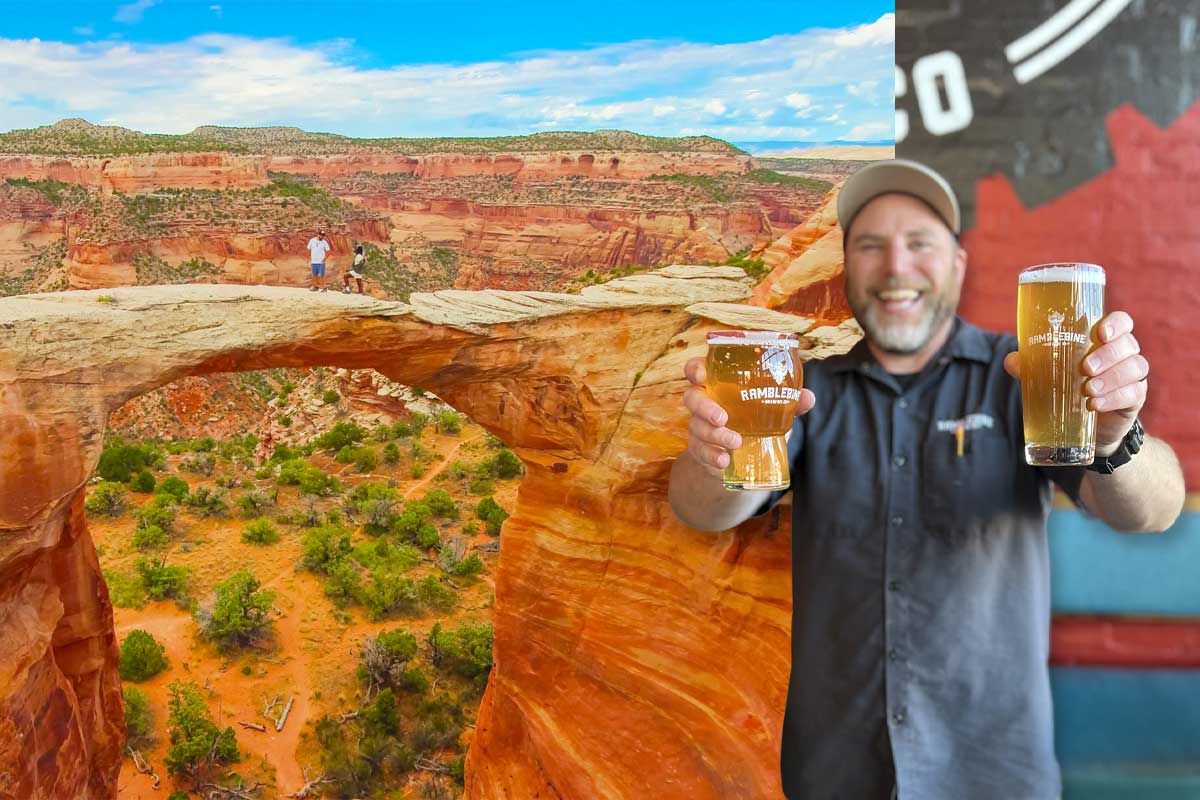
The timeline shifted significantly in the late 2010s and early 2020s. Despite the global economic uncertainties of 2020, the city saw the opening of Ramblebine Brewing, which signaled a new era of experimental brewing. Founded by Eli Gerson and Rob James, Ramblebine introduced a focus on diverse styles that moved beyond the standard portfolio of ales. This was followed by the emergence of specialized "lifestyle breweries" like Trail Life Brewing and the most recent addition, WestCo Brewing, which opened in the Las Colonias Park district. This chronological progression illustrates a shift from simple brewpubs to complex, community-integrated taprooms that cater to specific niches, from mountain bikers to concertgoers.
Detailed Analysis of Key Brewing Establishments
Ramblebine Brewing: Innovation and Style Diversity
Ramblebine Brewing has distinguished itself through a rigorous commitment to technical excellence and stylistic variety. While many breweries rely heavily on a single flagship IPA, Ramblebine’s portfolio includes crisp lagers, well-balanced West Coast IPAs, and tart fruit sours. Most notable is their "God Hammer," a Norwegian red ale fermented with kveik yeast—a traditional farmhouse yeast strain known for its ability to ferment at high temperatures while producing unique ester profiles. The taproom serves as an educational hub, where staff prioritize introducing guests to nuanced styles like hoppy pilsners and barrel-aged stouts, fostering a more sophisticated palate within the local community.
Trail Life Brewing: The Intersection of Recreation and Fermentation
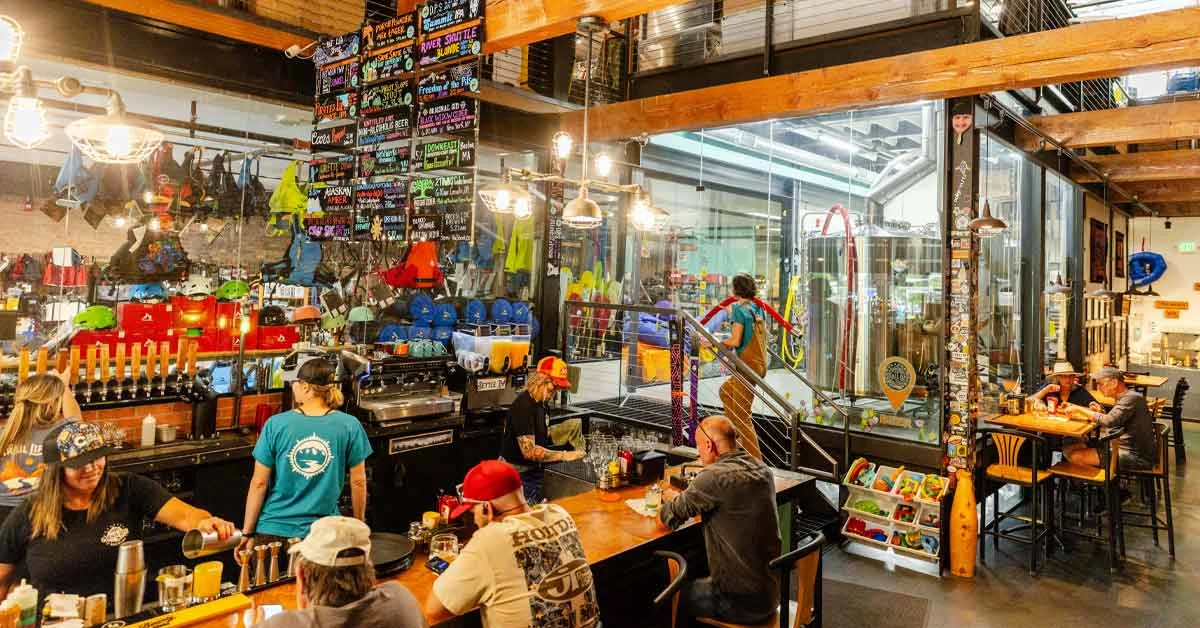
Perhaps no establishment better encapsulates the Grand Junction ethos than Trail Life Brewing. Physically attached to a mountain bike shop, the brewery functions as a "post-adventure" headquarters. The synergy between the city’s world-class trail systems—such as the Lunch Loops and the Kokopelli Trail—and its breweries is a primary driver of economic activity. Trail Life’s menu is designed for recovery, featuring calorie-dense rice bowls and burgers alongside a beer list that includes Mexican-style lagers and the highly regarded Pirates Life Black IPA. This integration of retail, recreation, and hospitality represents a modern business model that capitalizes on the city’s outdoor identity.
WestCo Brewing: Community-Centric Development
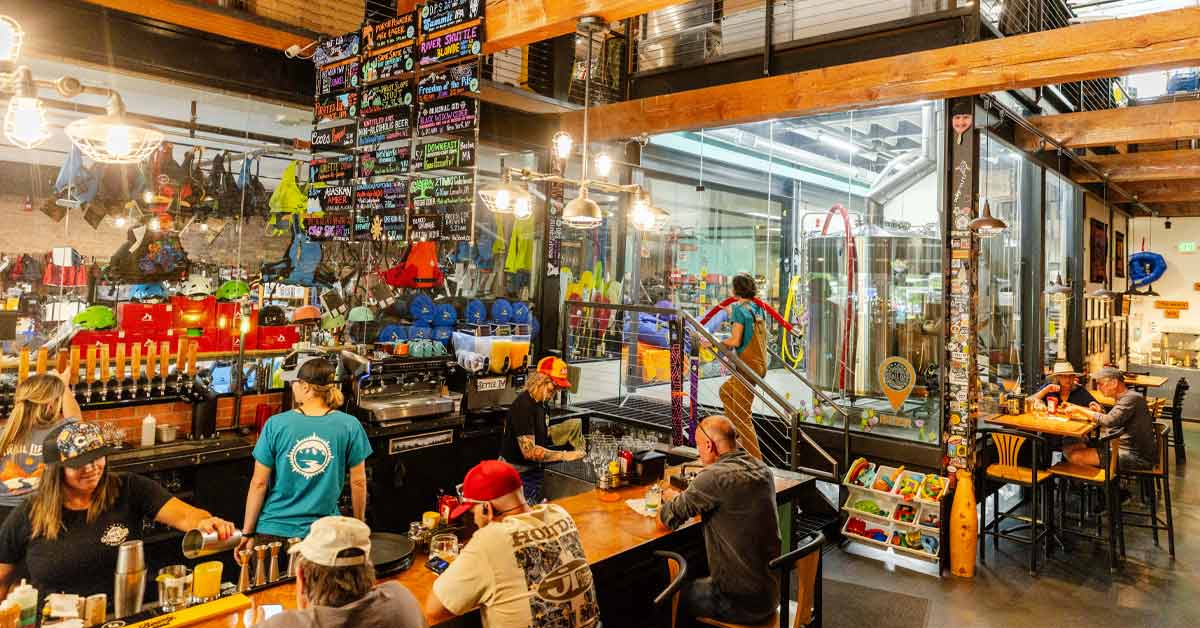
The newest entry into the market, WestCo Brewing, represents the professional maturation of the scene. Founded by industry veterans Adam Kinsey and Danny Wilson, WestCo is strategically located adjacent to the Amphitheater at Las Colonias Park. The brewery was designed specifically as a community gathering space, intended to serve the influx of visitors attending live music events. Their beer program focuses on "flavor-forward but easy-drinking" styles, such as Japanese-style rice lagers and New England IPAs. Furthermore, WestCo has elevated the culinary expectations of the region, offering a sophisticated menu that includes katsu fried chicken, smoked trout dip, and Colorado elk sloppy joes, bridging the gap between a casual taproom and a destination restaurant.
Supporting Data and Economic Context
The growth of Grand Junction’s beer scene is supported by broader economic trends in Mesa County. According to tourism impact reports, the "outdoor recreation economy" is a vital pillar of the Western Slope. By diversifying the après-ski and post-hike offerings, Grand Junction is successfully capturing "secondary spend" from travelers who might otherwise only visit the national monument and then depart.
Data from the Brewers Association indicates that small and independent craft breweries contribute billions to the Colorado economy. While the Front Range (Denver, Boulder, Fort Collins) has historically claimed the lion’s share of this revenue, Grand Junction is carving out a significant niche. The city’s lower cost of living and proximity to raw ingredients—including the famous Palisade peaches used in many local fruit sours—provide a competitive advantage for new brewery startups compared to the hyper-competitive Denver market.
Official Responses and Strategic Vision
Adam Kinsey, a prominent figure in the local scene and owner of both Handlebar Tap House and WestCo Brewing, emphasizes that the city’s appeal is rooted in its authenticity. "I don’t think anyone lives in Grand Junction who isn’t actively involved in at least one outdoor activity," Kinsey noted during a recent industry review. He highlights that while beer-driven tourists traditionally flock to the larger cities on the East Slope, Grand Junction offers a "virtually untouched" scene that rewards those willing to travel further west.
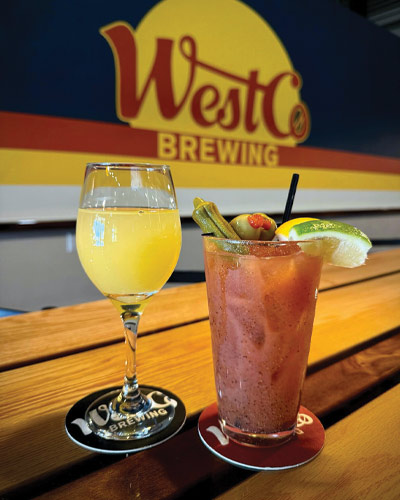
City planners have also recognized the value of these establishments in urban revitalization. The placement of WestCo Brewing near Las Colonias Park is part of a broader strategic effort to develop the riverfront into a multi-use recreational and cultural corridor. By aligning brewing permits with park developments and trail expansions, the city is creating a cohesive ecosystem where commerce and conservation coexist.
Broader Impact and Future Implications
The rise of Grand Junction as a craft beer destination has implications that extend beyond the hospitality sector. It serves as a case study for "rural-urban" development, where a mid-sized city leverages its natural environment to attract talent and investment. As remote work becomes more prevalent, the presence of a high-quality "third space" (locations like breweries where people congregate outside of home or work) is a key factor in attracting young professionals and entrepreneurs.
Furthermore, the diversity of the brewing scene—ranging from the experimental offerings at Base Camp Beer Works to the traditional ales at Gemini Beer Company—ensures that the market is resilient. By catering to different demographics, from the "OG" craft drinkers of the 90s to the modern "hazy IPA" enthusiasts, Grand Junction has built a robust internal economy that is less susceptible to the boom-and-bust cycles of single-industry towns.
In conclusion, Grand Junction stands at a pivotal moment. With the Colorado National Monument providing a world-class backdrop and a brewing community that prioritizes quality and community over mass-market appeal, the city is no longer just a stopover on the way to Moab or Denver. It is a primary destination in its own right. For the beer enthusiast and the outdoor adventurer, the message from the Western Slope is clear: the riches are here, they are world-class, and they are waiting to be discovered.