admin
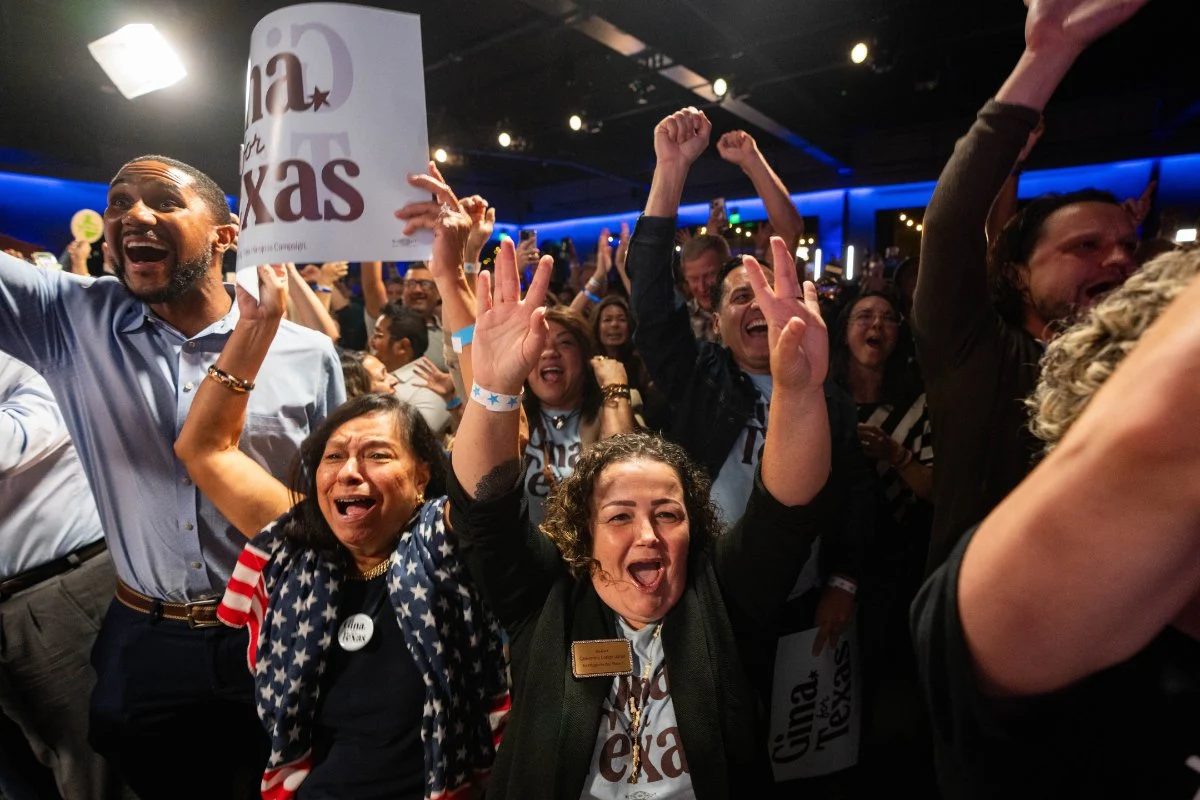
The recent midterm elections delivered sweeping victories for Democrats, granting them control of both the House and Senate, a seismic shift largely propelled by voter discontent over surging food prices and critical farm-related challenges. This electoral outcome clears a definitive path toward significant alterations in federal food and agriculture policies, signaling a potential paradigm shift in how the nation addresses its agricultural and nutritional landscape. The Democratic resurgence, marked by a decisive mandate, reflects a public outcry against economic pressures that have increasingly burdened both consumers and producers across the country.
The Economic Undercurrent: Food Prices and Farm Distress
The period leading up to the midterms was characterized by a sustained escalation in the cost of living, with grocery bills emerging as a top concern for American households. A report from early 2026 highlighted that food prices had increased significantly during the Trump administration’s first year, a trend that only intensified, making daily necessities a luxury for many. Concurrently, farmers faced a perfect storm of rising input costs, including historically high diesel prices, soaring fertilizer expenses, and an escalating farm labor crisis. These interconnected economic pressures created a palpable sense of urgency among voters, who sought relief and a change in direction from Washington.
David Ortega, a distinguished professor of food economics and policy at Michigan State University, succinctly captured the electoral sentiment, remarking on LinkedIn, “Tariffs, diesel, fertilizer, farm labor, and grocery bills were all on the ballot.” Ortega’s analysis underscores the multifaceted nature of the issues that galvanized the electorate, moving beyond traditional partisan lines to focus on tangible economic hardships. He further posed the critical question now facing the incoming Democratic majority: “The question now is what those results change about food and farm policy.” This query sets the stage for the intense legislative debates and policy reconfigurations anticipated in the coming months.
Immediate Legislative Priorities: Addressing the Roots of Economic Strain
The Democratic leadership has wasted no time in articulating its immediate priorities. Representative Hakeem Jeffries (D-New York), widely expected to assume the powerful role of Speaker of the House, indicated on CNN that a primary objective would be to pressure President Donald Trump to de-escalate the ongoing conflict with Iran. This strategic move is not solely geopolitical; it is directly linked to domestic economic relief. The war in Iran has been a significant contributing factor to global oil price volatility, which in turn drives up diesel costs – a critical expense for American farmers. By seeking to end the conflict, Democrats aim to stabilize energy markets, thereby mitigating the financial strain on the agricultural sector and, by extension, reducing transportation costs that contribute to higher food prices.
Beyond energy costs, the Democratic agenda also includes crucial initiatives aimed at bolstering social safety nets and healthcare access. A key priority is the expansion of Medicaid and the restoration of Affordable Care Act (ACA) subsidies. These programs are vital lifelines, particularly for farmers and residents of rural communities who often lack adequate access to affordable healthcare. Farmers, in particular, face unique challenges in securing comprehensive health insurance, and the previous cuts to ACA subsidies had threatened to push many into precarious financial situations, exacerbating the already stressful nature of their profession. Restoring these subsidies is seen as a direct measure to improve the quality of life and economic security for rural Americans.
The Stalemate Breaker: The Long-Delayed Farm Bill
While President Trump retains veto power, the Democratic control of Congress fundamentally shifts the balance of power, granting them the ability to steer the legislative agenda. A paramount piece of legislation awaiting their attention is the Farm Bill, which is currently three years overdue. This comprehensive bill, which typically reauthorizes federal agricultural and food programs for five years, has been mired in partisan deadlock in the Senate. The primary sticking point has been Republican-led changes to the Supplemental Nutrition Assistance Program (SNAP), commonly known as food stamps. These proposed changes, often involving stricter eligibility requirements and work mandates, have been fiercely opposed by Democrats and anti-hunger advocates, who argue they would severely restrict access to essential food aid for millions of vulnerable Americans.
The impending leadership changes within key congressional committees signal a renewed vigor to pass a progressive Farm Bill. Senator Michael Bennet (D-Colorado), a vocal critic of the proposed SNAP cuts, is preparing to assume the chairmanship of the Senate Agriculture Committee. Bennet recently convened a roundtable to highlight how the Republican-backed changes to SNAP have already contributed to increased hunger, particularly in rural and low-income communities. At an event with food bank operators in mid-October, Bennet affirmed his commitment: “I’m committed to go back and to try to make sure that we get this farm bill passed, and that we are not just reversing the [SNAP] cuts, but we’re actually improving the work that we’re all doing together.” His statement reflects an ambition not merely to restore previous provisions but to enhance the effectiveness and reach of food assistance programs.
However, the path to the Senate Agriculture Committee chairmanship is not entirely clear-cut. Senator Sherrod Brown (D-Ohio), who achieved a significant political upset by regaining a Senate seat he had lost two years prior, also holds a strong claim to the position based on his former seniority and long-standing advocacy for rural communities and working families. The potential contest between Bennet and Brown for this influential role underscores the strategic importance Democrats place on agricultural policy moving forward.
Beyond the chairmanship, the composition of the agriculture committees in both chambers will undergo significant transformations. On the Republican side, prominent figures will depart, opening up new seats and potentially shifting the ideological balance. Senator Roger Marshall (R-Kansas) lost his re-election bid to Democrat Adam Hamilton, while Senator Cindy Hyde-Smith’s (R-Mississippi) race remained too close to call, indicating further potential changes. In the House, Representatives Shontel Brown (D-Ohio) and Jim Costa (D-California) are expected to vie for the top Democratic seat on a changing House Agriculture Committee. Meanwhile, Republican members David Valadao (R-California) and Zach Nunn (R-Iowa), both members of the committee, were unseated by Democratic challengers, further consolidating the Democratic majority’s influence on agricultural policy.
State-Level Shifts: Governors and Grassroots Implementation
While federal legislation originates in Washington, D.C., its implementation often falls to state governments. The midterm elections witnessed a significant shift at the state level, with Democratic governors now presiding over a majority of states for the first time since 2010. This development carries profound implications, particularly for the rollout and administration of programs like SNAP. Sam Newton, communications director for the Democratic Governors Association, emphasized this point during a Wednesday press conference: “I think you’re going to see Democratic governors continue to stand up against these SNAP cuts and do everything they can to protect people in their states.” This suggests a concerted effort by Democratic state leaders to mitigate any federal restrictions on food aid, potentially through state-funded programs or by challenging federal mandates.
Several of the newly elected Democratic governors have established track records of focusing on food and farming policy. Senator Amy Klobuchar (D-Minnesota), who currently serves as the top Democrat on the Senate Agriculture Committee, successfully won the gubernatorial race in Minnesota. Her transition from a key federal agricultural policymaker to a state executive promises a governor deeply attuned to the nuances of food systems. Deb Haaland, the former congresswoman and Interior Secretary under President Joe Biden, secured the governor’s seat in New Mexico. Haaland has spoken publicly about her personal experience relying on SNAP benefits to feed her children, giving her a unique perspective on food insecurity. Furthermore, Hannah Pingree, daughter of Representative Chellie Pingree (D-Maine) – a prominent champion of organic and local food initiatives – will assume the governorship of Maine, signaling a continued commitment to sustainable agriculture at the state level. These gubernatorial victories are not isolated events but reflect a broader trend of voters electing leaders who prioritize accessible food, robust agricultural economies, and effective social safety nets.
Voter Sentiment: Beyond Traditional Partisan Divides
The election results also offered insights into evolving voter sentiment, particularly concerning food issues. Republican candidates who had received endorsements from Health Secretary Robert F. Kennedy Jr. and the "Make America Healthy Again (MAHA) Action" PAC generally performed poorly. For instance, MAHA-endorsed Zach Lahn lost the Iowa gubernatorial race to Democrat Rob Sand, and Texas Attorney General Ken Paxton, another MAHA pick, was defeated in his Senate bid by Democrat James Talarico. While the MAHA movement aimed to channel voter concern about food quality and health, its political impact was largely limited.
However, some advocates suggest that the underlying concerns that resonated with certain MAHA voters—such as confronting corporate power in the agricultural sector, supporting small farms and local food businesses, and lowering food prices—also deeply resonated with a broader coalition of Democrats and independents. This indicates a potential convergence of interests that transcends traditional partisan affiliations, driven by a shared desire for a more equitable and resilient food system.
Joe Maxwell, President of the Farm Action Fund and a farmer himself, articulated this sentiment in a press release: “Rural America didn’t vote red or blue last night. It voted in support of independent farmers.” Maxwell contended that voters, from Iowa to Florida, actively rewarded candidates who demonstrated a willingness to challenge the dominance of large corporations, including meatpackers, pesticide giants, and powerful corporate lobbyists who historically influence farm policy in Washington. This perspective highlights a growing populist streak within the agricultural community, seeking to dismantle monopolies and foster competitive markets.
Rob Larew, President of the National Farmers Union, echoed this sentiment, stating, “This election season, family farmers and ranchers made themselves heard. Now those who represent them must deliver.” This collective call to action from farmer advocacy groups signals a clear expectation that the newly empowered Democratic majority will translate electoral promises into concrete policy changes that benefit independent producers and consumers alike.
Broader Implications and the Path Ahead
The Democratic takeover of Congress, fueled by widespread concern over food and farm issues, marks a pivotal moment for American policy. The immediate challenges include navigating legislative priorities like the Farm Bill, addressing the economic fallout of international conflicts, and shoring up crucial social programs. The new Congress will face the task of balancing diverse interests—from large-scale conventional agriculture to burgeoning organic and local food movements, from the needs of food-insecure urban populations to the economic stability of rural farming communities.
The shift in leadership on key committees, coupled with a renewed focus from the executive branch (even if through confrontation), suggests a strong push for policies that aim to reduce food prices, support family farmers through fair market practices, expand access to healthy food, and strengthen healthcare in rural areas. While President Trump’s veto power remains a formidable check, the Democrats now possess the legislative leverage to initiate debates, pass bills, and shape the national discourse on these critical issues.
The coming years will test the ability of the Democratic majority to deliver on its promises. Success will hinge on their capacity to forge consensus, navigate complex economic realities, and withstand potential political headwinds. However, the resounding message from the midterm elections is clear: the American public expects its leaders to prioritize the fundamental needs of food security, farmer prosperity, and affordable living, setting the stage for a transformative period in U.S. food and agricultural policy.