admin
Long Island’s North Fork has long been hailed as the Napa Valley of the East, a bucolic landscape defined by its sprawling vineyards and maritime climate that produces some of the region’s finest viticulture. For decades, the draw for New Yorkers and tourists alike was the allure of Cabernet Franc and Pinot Blanc sipped overlooking the Peconic Bay. However, a significant shift in the region’s identity is underway. While the vineyards remain a cornerstone of the local economy, the eastern edge of Long Island is rapidly earning a new reputation for its sophisticated craft beer scene, characterized by a proliferation of IPAs, pilsners, sours, and stouts that rival the complexity of the local vintages.
This transformation is not merely a trend but a structural evolution of the North Fork’s agrotourism industry. What began as a niche interest has blossomed into a robust "alcohol trail," where breweries are no longer seen as competitors to wineries, but as essential partners in a diverse fermented beverage ecosystem. As the region embraces this dual identity, the influx of craft breweries is attracting a new demographic of visitors and providing a vital boost to the local agricultural sector.
The Chronology of North Fork Brewing
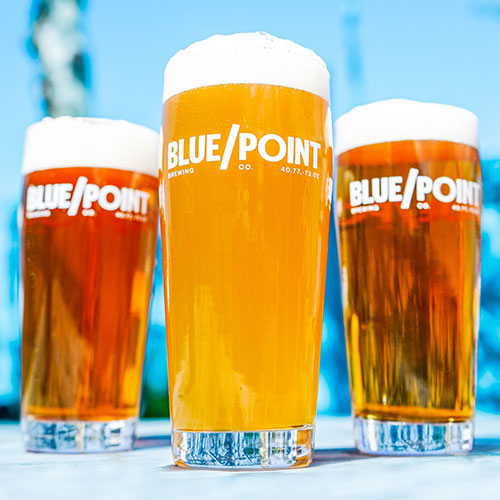
The seeds of the current craft beer boom were sown over a quarter-century ago. In 1998, Blue Point Brewing Company opened in nearby Patchogue, serving as a pioneer for the craft movement on Long Island. While Blue Point established the viability of the market, it took another decade for the movement to take firm root in the heart of the North Fork.
In 2009, Greenport Harbor Brewing Company opened its doors in a repurposed firehouse in the village of Greenport. Founded by John Liegey and Rich Vandenburgh, the brewery became a beacon for the industry, proving that the North Fork could support a dedicated brewing operation. The success of Greenport Harbor acted as a catalyst; by 2014, Twin Fork Beer Co. began its journey, and the subsequent decade saw a rapid succession of openings, including Jamesport Brewery, Eastern Front, Übergeek Brewery, and North Fork Brewing Company.
The timing of this growth coincided with a broader legislative shift in New York State. The 2012 Farm Brewery Law was a turning point, offering tax incentives and reduced regulatory hurdles for breweries that committed to using a specific percentage of New York-grown ingredients. This legislation effectively tied the brewing industry to the state’s agricultural output, making the farm-rich North Fork an ideal location for the next generation of brewers.
Leading the Charge: Innovation at Greenport Harbor and Übergeek
As the industry has matured, the head brewers in the region have focused on creating products that reflect the unique character of the East End. Sean Galligan, the head brewer at Greenport Harbor Brewing, has overseen a period of significant expansion. The brewery now operates two locations, including a massive state-of-the-art facility in Peconic that features a kitchen, live music, and extensive outdoor space.
Galligan’s approach is rooted in the use of New York State-grown malt and local hops. His flagship offerings, such as the citrus-forward Harbor Ale and the West Coast-style Otherside IPA, have become staples of the Long Island beer scene. More adventurous offerings, like the Lucha Lager—brewed with NYS wheat, sea salt, and key limes—and the Black Duck Porter, demonstrate a range that appeals to both casual drinkers and aficionados. During the late summer harvest, Galligan utilizes Cascade and Willamette hops harvested from Orient Point, brewing "fresh hop" beers the same day the plants are picked.
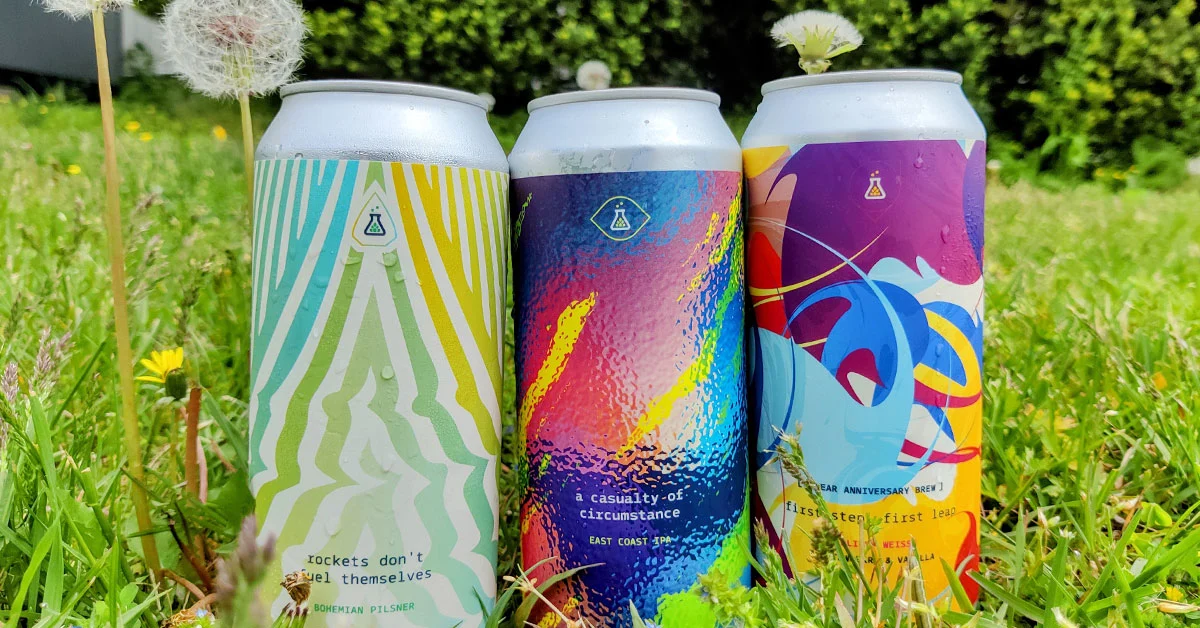
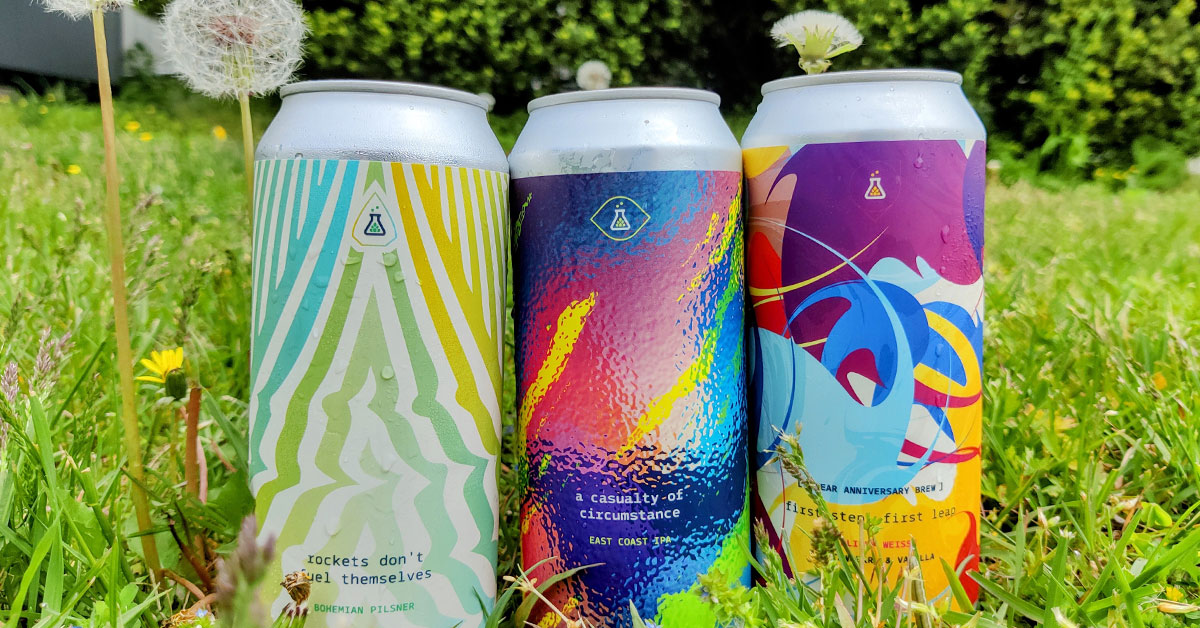
A few miles away in Riverhead, Rob Raffa of Übergeek Brewery represents the scientific and experimental side of the movement. Raffa, who holds a background in physics and astrophysics, transitioned from homebrewing to professional production after a tenure at the now-defunct Moustache Brewing. Since opening his own taproom in 2021, Raffa has seen explosive growth, expanding from four fermenters to 16, with plans to double production capacity this winter.
Übergeek is known for its philosophically named brews, such as "A Casualty of Circumstance" and "Space Age Times, Stone Age Minds." Raffa’s beers often reflect his personal musings, but the technical execution is precise. His success is a testament to the region’s ability to support niche, high-concept breweries alongside more traditional operations.
The Symbiotic Relationship Between Grapes and Grains
One of the most notable aspects of the North Fork’s beer scene is its lack of friction with the established wine industry. Rather than fighting for market share, the two industries have formed a symbiotic relationship that maximizes the region’s appeal.
"We are riding the coattails of the wine business," admits Peter Chekijian, co-founder of Twin Fork Beer Co. His brewery, which uses musical theory as a naming convention for its beers (e.g., Minuet Session IPA, Prelude Pilsner), benefits from the infrastructure already built by the wine industry. The presence of bike tours, bus groups, and weekend travelers ensures a steady stream of customers who are often looking for variety beyond the wine glass.
This cooperation is visible in taprooms across the peninsula. Many wineries now stock local craft beers to cater to groups with diverse preferences. Furthermore, collaborations between the two sectors are becoming more common. Greenport Harbor recently collaborated with Osprey’s Dominion vineyard to create a beer conditioned on Carménère grapes using wild yeast strains. The resulting hybrid beverage won a silver medal at the 2024 New York State Craft Beer Competition, highlighting the potential for cross-industry innovation.
Agricultural Integration and Terroir
The North Fork’s brewing success is inextricably linked to its soil. Peter Barraud, founder of North Fork Brewing Company, has made agricultural integration a core tenet of his business. By sourcing ingredients from local entities like Peconic River Herb Farm, Herricks Lane Farm, and CJ Van Bourgondien Greenhouses, Barraud creates beers that offer a true "taste of the terroir."
Throughout the year, Barraud rotates approximately 80 different beers, many of which feature hyper-local ingredients. This summer, he utilized produce from Lewin Farms in Calverton to create a peach Golden Sour and a passion fruit-infused IPA. His use of local herbs, spices, and even ancho chiles allows the brewery to produce flavors that are unique to the North Fork’s microclimate. This focus on local sourcing not only supports fellow farmers but also provides a marketing advantage, as consumers increasingly seek out authentic, place-based experiences.
Supporting Data and Economic Impact
The rise of the North Fork beer scene is part of a larger economic trend within New York State. According to the New York State Brewers Association, the craft beer industry contributes over $5.4 billion to the state’s economy annually. As of 2023, New York ranks in the top five states nationally for the number of craft breweries, with Long Island serving as one of its most concentrated hubs.
Data from the New York State Department of Agriculture and Markets indicates that the Farm Brewery license has led to a 200% increase in hop acreage across the state over the last decade. On the North Fork, this has translated into a revitalized interest in hop farming, a crop that was historically significant to New York in the 19th century but had largely disappeared until the recent craft resurgence.
Tourism statistics for Suffolk County further underscore the importance of this diversification. With tourism spending on Long Island exceeding $6.3 billion annually, the expansion of the "alcohol trail" to include breweries, distilleries, and cideries has helped stabilize the local economy during the "shoulder seasons" of late fall and early spring, when vineyard activity typically slows down.
Broader Implications and Future Outlook
The evolution of the North Fork suggests a broader shift in how rural agricultural regions can sustain themselves in the 21st century. By diversifying from a single-commodity focus (wine) to a multi-beverage tourism model, the North Fork has created a more resilient economic base. This model also appeals to a wider demographic, including younger "Gen Z" and Millennial consumers who, according to market research, often prefer craft beer and spirits over traditional wine.
However, the rapid growth also brings challenges. Issues such as land use, traffic congestion on the Main Road and Sound Avenue, and the environmental impact of increased production are ongoing points of discussion within the Southold and Riverhead town governments. Additionally, as more breweries enter the market, the competition for shelf space and tap handles becomes more intense, forcing brewers to constantly innovate.
Despite these challenges, the outlook for the North Fork’s brewing industry remains optimistic. The commitment to quality, the integration of local agricultural products, and the spirit of collaboration with the wine industry have created a unique destination. Visitors may still arrive for the wine, but they are increasingly staying for the beer, ensuring that the North Fork remains a premier destination for fermented excellence for years to come.