admin
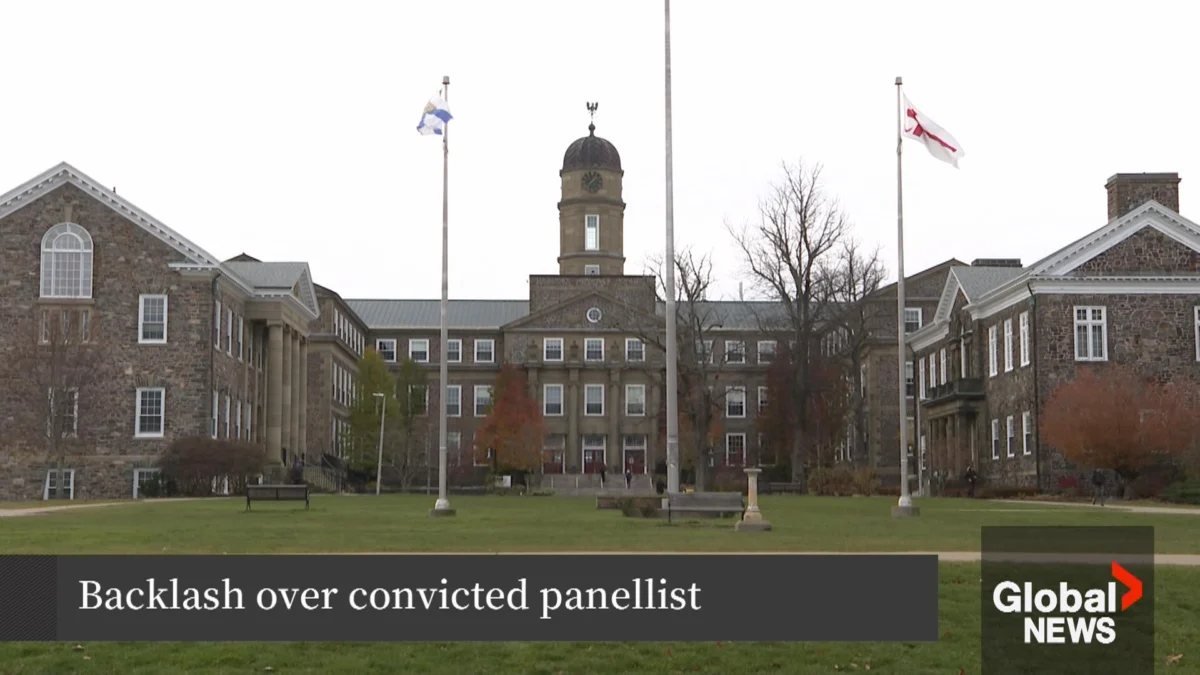
A Nova Scotia organization dedicated to supporting women and girls navigating the justice system is currently embroiled in significant controversy and facing widespread condemnation following its decision to feature Marissa Shephard, a woman convicted in the brutal 2015 killing of a New Brunswick teenager, on a panel discussion. The event, held at Dalhousie University, was ironically titled “Navigating the Legal System & Community Supports After Violence, Victimization, and Loss” and was partially supported by a fund established in partnership with the family of Logan Russell, a woman who tragically lost her life to intimate partner violence (IPV) in November 2025. The Elizabeth Fry Society (EFS) of Mainland Nova Scotia, the organization at the center of the storm, has since issued a public apology, acknowledging a "serious mistake" that has reopened wounds for victim families across the Maritimes.
The Genesis of the Controversy: A Panel Ignites Outrage
The panel discussion, intended to shed light on pathways through the legal system for those affected by violence, was designed to foster understanding and offer support. However, the inclusion of Marissa Shephard as a speaker fundamentally undermined its stated purpose, particularly for the family of Logan Russell, whose legacy was meant to be honoured through the event. Logan Russell, 32, was remembered in her obituary for her vibrant spirit, love of dance and music, and profound generosity, a life tragically cut short on November 23, 2025, due to an act of horrifying violence perpetrated by her male partner, as stated by the Elizabeth Fry Society itself. Her family’s participation in the fund was a testament to their desire to prevent similar tragedies and support others experiencing violence.

Maureen MacTaggart, Logan Russell’s mother, articulated the family’s profound distress in a poignant Facebook post. She expressed being “beyond disappointed and heartbroken that they would use Logan’s legacy in connection with someone like (Shephard).” MacTaggart further detailed her family’s sense of betrayal, stating, “We feel deceived by this decision and not being made aware of this ahead of time and given the choice to participate or not. Had we been made aware, it would have never been associated with Logan or our family.” This sentiment of deception and re-victimization resonated deeply with the public and victim advocacy groups, sparking a fierce debate about the ethical responsibilities of organizations working within the justice system.
Marissa Shephard: A Past Marked by Extreme Violence
To understand the intensity of the backlash, it is crucial to delve into the criminal past of Marissa Shephard. Shephard gained notoriety following her involvement in the gruesome death of 18-year-old Baylee Wylie in Moncton, N.B., in December 2015. Wylie’s death was characterized by extreme brutality. Court documents from the proceedings detailed how Wylie was tied to a chair, subjected to a severe beating, and ultimately stabbed approximately 200 times. His body was subsequently discovered in Shephard’s burned-out Moncton townhouse, an attempt, prosecutors argued, to conceal the crime.
Shephard was one of three individuals implicated and eventually sentenced in connection with Wylie’s killing. Her legal journey was complex, initially facing murder charges before ultimately pleading guilty to the lesser charges of manslaughter and arson in 2021. This plea resulted in a 12-year sentence. While a 2024 Parole Board of Canada decision clarified that Shephard was not physically present during the fatal assault itself, it explicitly stated that she played a role in initiating the fire that consumed the townhouse, thereby obstructing justice and attempting to erase evidence of the heinous crime.

The Parole Board’s assessment of Shephard’s risk to the community further highlights the ongoing challenges associated with her reintegration. The Board mandated supervised housing upon her statutory release, citing a pattern of “poor institutional behaviour, including aggression, manipulation and intimidation in custody.” This record underscores the serious concerns about her conduct and potential danger, factors that compounded public outrage when she was presented as a speaker at an event focusing on violence and its aftermath. The juxtaposition of her criminal history and the panel’s theme was, for many, an unbearable affront to the memory of victims like Baylee Wylie and Logan Russell.
The Elizabeth Fry Society: Mission, Mandate, and Misstep
The Elizabeth Fry Society of Mainland Nova Scotia is part of a national network of non-profit organizations dedicated to advocating for and supporting women, girls, and gender-diverse individuals who are criminalized or at risk of criminalization. Their work typically encompasses a wide range of services, including legal aid, housing support, mental health services, and reintegration programs, all aimed at addressing systemic issues that lead to criminalization and promoting rehabilitation. The core philosophy often involves a belief in restorative justice and the potential for individuals to turn their lives around, even after committing serious offenses.
However, the society’s decision to include Shephard on the panel represents a significant deviation from what many perceive as a fundamental ethical boundary, particularly when an event is directly linked to victim support and remembrance. The society’s public statement acknowledged this profound error: “We made a decision about panel participants without consulting Logan’s family, who had entrusted us with Logan’s memory. An event meant to honour a loved one instead caused more pain, and re-opened grief for other families across the Maritimes who lost someone to violence.”

The apology continued, “Our work asks us to consider everyone who may be affected by violence, and above all, to do no further harm. With this event, our actions did not reflect that, and we have harmed those we support.” This admission of failing to uphold their guiding principle of "do no further harm" speaks volumes about the gravity of their misjudgment and the deep impact it had on the community they aim to serve. The society has since declined further interview requests, citing threats of violence received by staff as a reason for prioritizing their safety, a concerning development that underscores the intense emotional fallout from the controversy.
Broader Implications: Balancing Rehabilitation and Victim Rights
This incident has ignited a crucial, albeit uncomfortable, conversation about the delicate and often conflicting priorities of offender rehabilitation and victim advocacy within the justice system. While organizations like the Elizabeth Fry Society play a vital role in addressing the root causes of crime and supporting individuals through reintegration, the manner in which "lived experience" is utilized, especially when it involves serious violent crime, demands extreme sensitivity and careful consideration of all stakeholders.
Criminologists and legal ethicists often highlight the inherent tension between a rehabilitative approach, which seeks to understand and integrate offenders, and a victim-centric approach, which prioritizes the safety, healing, and rights of those harmed. The EFS’s misstep demonstrates how easily this balance can be disrupted, leading to profound distress for victims and their families. While the intent might have been to showcase the journey through the legal system from various perspectives, the failure to consult Logan Russell’s family and the choice of Shephard as a speaker severely compromised the event’s integrity and its ability to serve as a supportive platform.

Victim advocacy groups across Canada frequently emphasize the importance of preventing secondary victimization, where victims are re-traumatized by actions or omissions of the justice system or related organizations. The MacTaggart family’s experience serves as a stark example of this, illustrating how a well-intentioned initiative can inadvertently inflict further pain if not executed with meticulous empathy and foresight. The call from Logan Russell’s aunt, Darlene MacTaggart, for the Elizabeth Fry Society to cease using Logan’s name and image underscores the deep breach of trust that occurred. "It is our hope that going forward we can keep Logan and Baylee’s memories alive and continue to say their names. We will work hard to continue to support education on Intimate Partner Violence in Logan’s memory,” she stated, highlighting the family’s resolve to continue their advocacy independent of the now-tarnished association.
The incident also raises questions about public trust in rehabilitation efforts. When an individual with a history of serious violent crime, and a documented pattern of problematic institutional behavior, is given a platform by an organization purporting to support victims, it can erode public confidence in the efficacy and ethical grounding of such programs. For many, the idea that Shephard could offer valuable insights into "navigating the legal system" while victims’ families were still grappling with the brutal consequences of her actions was not only tone-deaf but deeply offensive.
Moving Forward: Rebuilding Trust and Redefining Engagement
The Elizabeth Fry Society of Mainland Nova Scotia now faces the formidable challenge of rebuilding trust within the community, particularly with victim families and the broader public. This process will likely necessitate a thorough review of their event planning protocols, participant selection criteria, and, crucially, their consultation processes with families whose legacies they intend to honour. It calls for a more robust ethical framework that explicitly prioritizes victim safety and sensitivity, even while pursuing their rehabilitative mission.

The national landscape of victim services and offender rehabilitation is complex, with ongoing debates about the most effective and ethical ways to address crime and its societal impact. This incident serves as a powerful reminder that while "lived experience" can be an invaluable tool for education and empathy, its application must be approached with extreme caution, especially when the "lived experience" involves perpetrating severe violence. The healing of victims and their families must remain paramount, and any initiative, no matter how well-intentioned, that risks re-traumatizing them should be rigorously re-evaluated or abandoned.
As the Elizabeth Fry Society grapples with the fallout, the voices of Logan Russell’s and Baylee Wylie’s families stand as a poignant testament to the enduring pain of violence and the critical need for organizations to "do no further harm" in their pursuit of justice and rehabilitation. The incident at Dalhousie University will undoubtedly serve as a cautionary tale, shaping future discussions and policies regarding the delicate balance between supporting offender reintegration and honouring the indelible suffering of victims.