admin
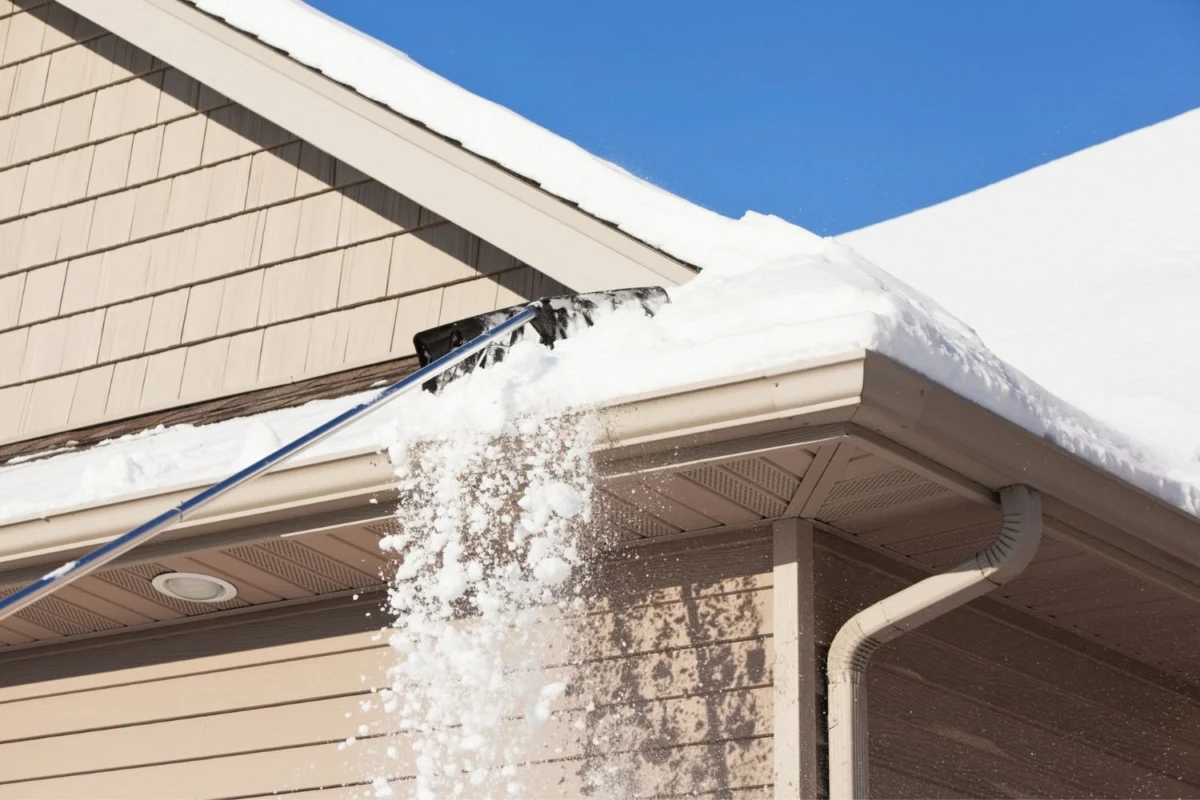
According to the Federal Emergency Management Agency (FEMA), the structural integrity of a residential roof is under constant threat during the winter months, as a single foot of wet snow can exert a pressure of up to 21 pounds per square foot. For a standard 1,000-square-foot roof, this translates to an additional 10.5 tons of weight, a burden that can lead to sagging, internal leaks, or catastrophic structural failure. To mitigate these risks, homeowners in high-snowfall regions are increasingly turning to specialized roof rakes. These tools are designed to remove heavy accumulation from the safety of the ground, preventing the formation of ice dams and alleviating the physical stress on the building’s framing.
To identify the most effective tools for this critical maintenance task, a series of rigorous field tests were conducted in the demanding winter climate of Montana. Testing occurred during and after a week-long storm event that deposited a combination of dry powder and heavy, wet snow, followed by a thaw-freeze cycle that solidified the rooftop layers. The evaluation focused on several key metrics: ease of assembly, ergonomic grip, extension reach, material durability, and the ability to clear snow without compromising the integrity of asphalt shingles or metal roofing panels.
The Physics of Snow Accumulation and Structural Risk
Understanding the necessity of a roof rake requires an analysis of snow density. While light, "fluffy" snow may only weigh 3 to 7 pounds per cubic foot, "heavy" or wet snow—common in coastal or late-winter storms—can exceed 20 pounds per cubic foot. When snow is allowed to sit on a roof, heat escaping from the home’s interior often melts the bottom layer. This meltwater then runs down to the colder eaves and gutters, where it refreezes, creating an ice dam. These dams trap subsequent meltwater, forcing it upward under the shingles and into the home’s walls and ceilings.
By removing the first few feet of snow from the roof’s edge using a rake, homeowners break the thermal cycle that leads to ice damming. Professional roofing contractors and emergency management officials emphasize that while clearing the entire roof is ideal for weight reduction, clearing the bottom three to six feet is often sufficient to prevent the most common forms of winter water damage.
Field Testing Results: Top Performing Roof Rakes
The Montana trials evaluated several designs, ranging from traditional poly-blade rakes to innovative "slide" systems. The following models emerged as the most reliable for various residential and commercial applications.
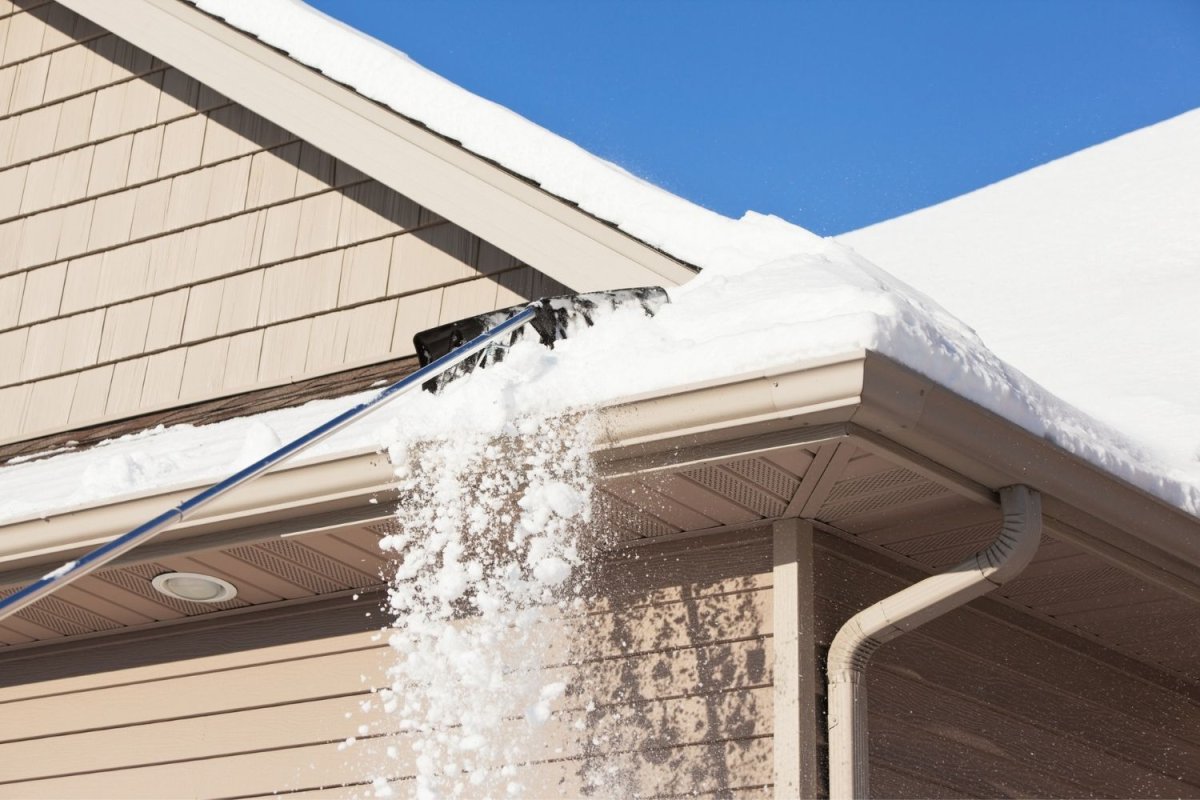
Best Overall: Avalanche! Combo Package
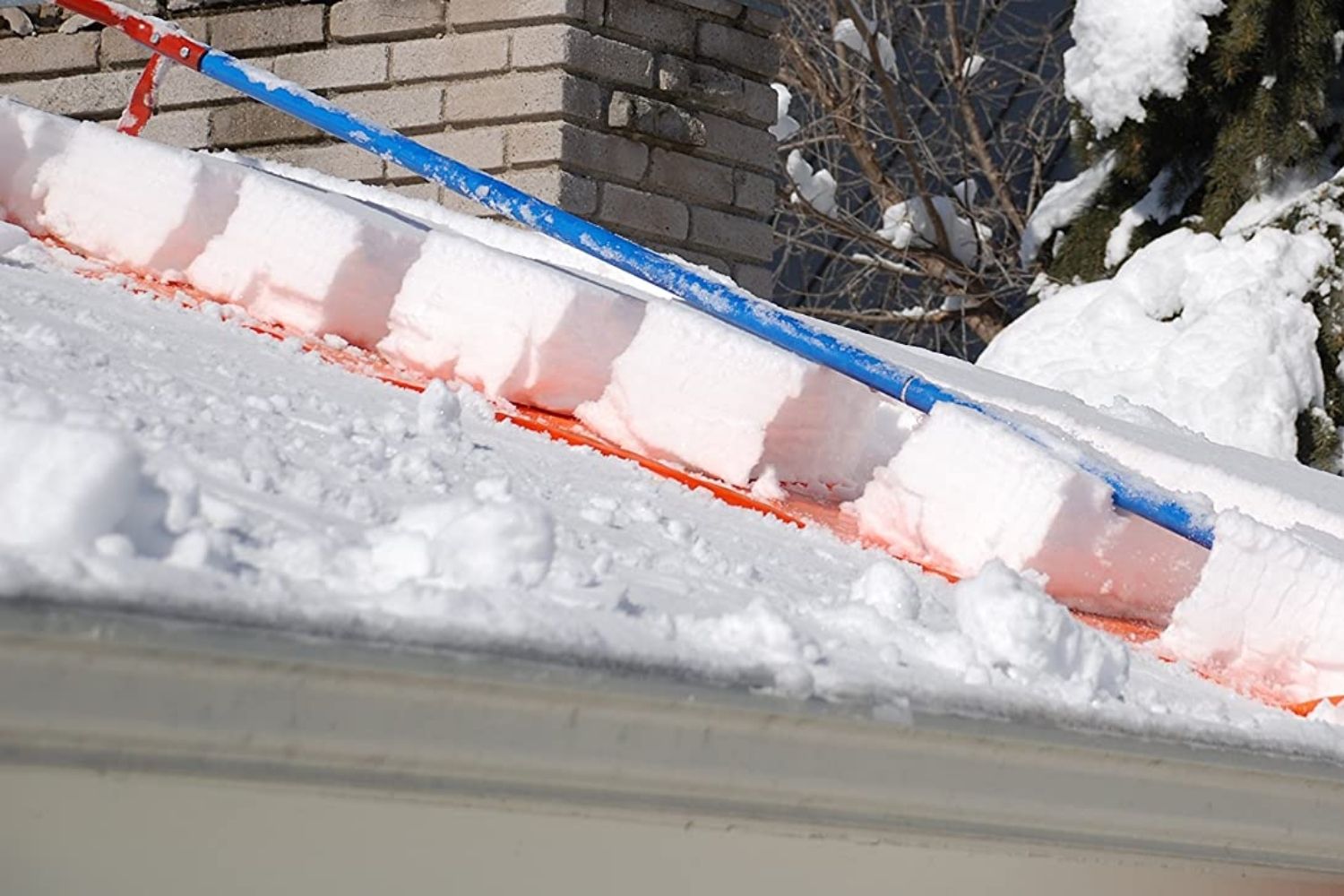
The Avalanche! Combo Package was designated as the premier choice due to its dual-head versatility and integrated snow-slide technology. This system utilizes a retractable plastic slide that allows snow to glide off the roof with minimal physical effort from the operator. It is particularly effective on asphalt shingles, as it features built-in wheels that prevent the rake head from scraping the mineral granules off the shingle surface.
During testing, the fiberglass poles proved superior to aluminum alternatives because they do not conduct cold as intensely, making them more comfortable to handle in sub-zero temperatures. The package includes multiple heads, allowing users to switch between the slide system for deep snow and a traditional wheeled rake head for breaking through icy crusts.
Best Bang for the Buck: True Temper Telescoping Roof Rake
For homeowners seeking a balance between affordability and performance, the True Temper model offers a lightweight, 4.88-pound aluminum design. Its primary advantage is a push-button telescoping handle that extends to 17 feet and collapses to 7 feet for compact storage. The 24-inch poly blade is wide enough to clear significant sections in a single pass, though it requires more downward force than the slide-based models. This rake is ideal for single-story homes where speed and ease of storage are the primary concerns.
Best for Flat Roofs: Avalanche! Big Rig
Flat and low-slope roofs, such as those found on modern additions, RVs, and cargo trailers, present a unique challenge because snow does not naturally slough off. The Avalanche! Big Rig addresses this with an angled connector piece that allows the rake head to sit flush against a flat surface even when the operator is standing several feet away. Tested on a camper in Montana, this model successfully cleared the entire roof area in minutes, proving essential for preventing the "pancaking" effect that occurs when flat roofs succumb to heavy snow loads.
Best Telescoping Design: Garant Roof Rake
The Garant model was highlighted for its superior mechanical design. Unlike segmented rakes that require the manual addition of pole sections, the Garant features a smooth-sliding telescoping mechanism that extends to 16.5 feet. This design is particularly beneficial for properties with varying roof heights, as the operator can adjust the length "on the fly" without removing their gloves to fiddle with locking pins or additional segments.
Material Science and Ergonomics in Tool Selection
The choice of material significantly impacts both the tool’s longevity and the user’s physical fatigue.
- Fiberglass: Preferred for its high strength-to-weight ratio and low thermal conductivity. It provides a slight flex that can help "pop" snow loose but remains rigid enough for heavy loads.
- Aluminum: Common in telescoping models due to its light weight. However, aluminum poles can become uncomfortably cold and may bend if used to pry at heavy ice.
- Polyethylene (Plastic): Most modern rake heads are made of high-density poly, which is preferred over metal because it is less likely to gouge or damage roofing materials.
Weight distribution is also a critical factor. Most rakes weigh between 5 and 15 pounds. While a heavier rake head can more easily "bite" into compacted snow, it requires significant upper-body strength to maneuver at a 20-foot extension. Users should select a weight that they can comfortably lift repeatedly to shoulder height.
Safety Protocols for Winter Roof Maintenance
Safety remains the paramount concern during snow removal operations. Industry experts and safety organizations, including OSHA, strictly advise against certain practices that are frequently observed among homeowners.
- Ground-Only Operation: Roof rakes are designed exclusively for use while standing on solid ground. Attempting to use a 20-foot pole while perched on a ladder is inherently dangerous. The weight of the snow being pulled down can easily shift the rake’s center of gravity, pulling the operator off the ladder.
- Avoid Power Lines: Aluminum and wet fiberglass poles can conduct electricity. Operators must maintain a minimum 10-foot clearance from any overhead power lines.
- Peripheral Awareness: When pulling large volumes of snow, the operator must be mindful of where the snow will land. Heavy "snow slides" can bury the operator or damage landscaping, HVAC units, and parked vehicles located near the eaves.
- Partial Removal: It is not necessary to scrape the roof bare. Leaving an inch or two of snow protects the shingles from the rake’s edge and still achieves the primary goal of weight reduction and ice dam prevention.
Broader Implications and Economic Impact
The proactive use of roof rakes represents a significant shift toward preventative home maintenance. As climate patterns in North America show an increase in "extreme precipitation events," including heavier, wetter snowfalls in regions previously accustomed to dry powder, the risk of structural failure has risen.
From an insurance perspective, many policies do not cover "gradual damage" caused by ice dams if it is determined that the homeowner failed to perform basic maintenance. The investment in a high-quality roof rake—typically ranging from $50 to $150—stands in stark contrast to the thousands of dollars required for professional ice dam steaming, mold remediation, or roof replacement.
Furthermore, the "Meet the Tester" segment of this review highlights the importance of real-world application. Zach Lazzari’s testing in Montana underscores that professional-grade tools are no longer just for contractors; they are essential equipment for any resident of the "Snow Belt." As building materials evolve and home designs become more complex, the tools used to protect these investments must keep pace. The current generation of roof rakes, with their focus on non-marring wheels, telescoping handles, and friction-reducing slides, represents the pinnacle of this evolution in domestic winter safety.