admin
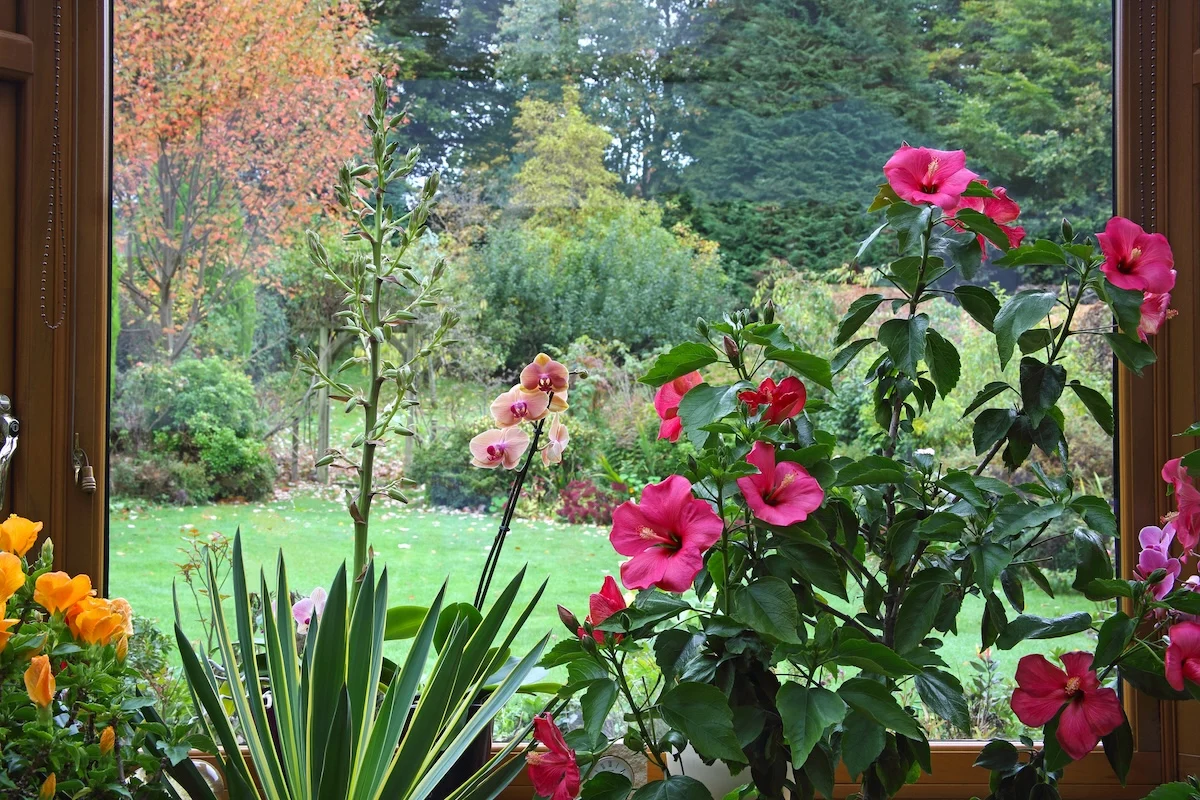
The practice of overwintering, the process of bringing cold-sensitive plants indoors to protect them from freezing temperatures, has transitioned from a niche horticultural hobby to a mainstream gardening strategy. As global weather patterns become increasingly unpredictable, gardeners are finding that preserving established specimens is not only a cost-effective measure but also a way to maintain the structural integrity of their landscapes. According to data from the National Gardening Association, home gardening participation has surged by over 20 percent in the last five years, leading to a higher demand for sustainable plant management techniques. By transitioning tender perennials into indoor environments, homeowners can bypass the annual expense of replacing nursery stock while allowing plants to reach sizes and maturity levels rarely seen in single-season annuals.
The biological necessity for overwintering is rooted in the USDA Plant Hardiness Zone Map, which serves as the standard by which gardeners and growers can determine which plants are most likely to thrive at a location. For those living in Zones 7 and lower, the arrival of the first frost represents a terminal event for tropical and subtropical species. However, through a combination of dormant storage, active indoor growth, and propagation, these plants can be successfully preserved until the spring thaw.
The Chronology of the Indoor Transition
Successful overwintering requires a strategic timeline that begins well before the first frost. Horticultural experts suggest a three-phase approach to ensure plant survival during the transition from high-intensity outdoor light to the relatively dim conditions of a residential interior.

Phase One: Pre-Migration Prep (Late Summer to Early Fall)
Four to six weeks before the projected first frost, gardeners should begin inspecting plants for common pests such as aphids, spider mites, and scale. This is also the period to cease fertilization. Encouraging new, tender growth late in the season is counterproductive, as these shoots are the most susceptible to the stress of moving indoors.
Phase Two: Acclimatization (Two Weeks Before Move-In)
Sudden changes in light and humidity can cause plants to drop foliage—a stress response known as "transplant shock." To mitigate this, plants should be moved to increasingly shaded areas of the porch or yard to mimic the lower light levels of the home.
Phase Three: The Indoor Move (Before Night Temperatures Drop Below 50°F)
Most tropical plants begin to experience physiological stress when night temperatures consistently dip below 50 degrees Fahrenheit (10 degrees Celsius). Moving plants inside at this threshold ensures they remain in an active state of growth or enter dormancy under controlled conditions.
1. Potted Palms (Family Arecaceae)
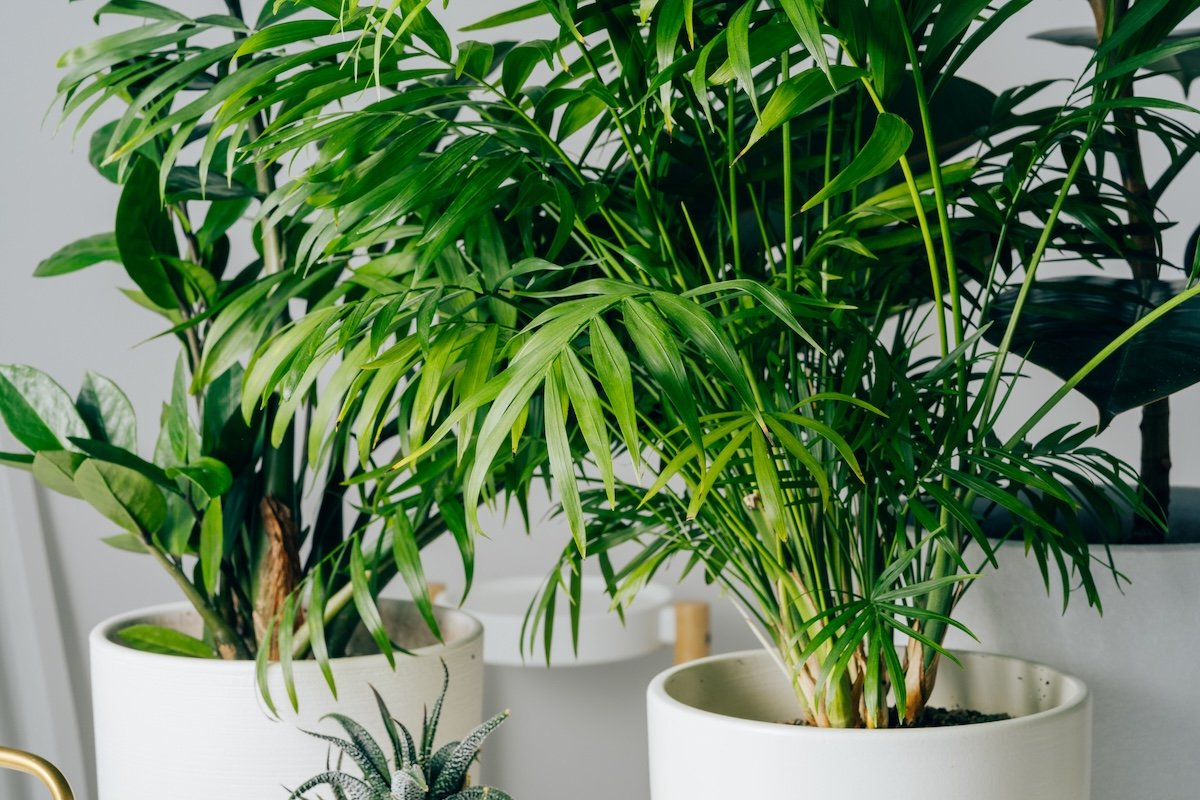
Palms are iconic symbols of tropical landscapes, yet most varieties commonly used in patio containers—such as the Majesty Palm or Kentia Palm—cannot survive temperatures below 55 degrees Fahrenheit. When brought indoors, palms require a bright, humid environment. Data from indoor air quality studies suggest that palms are among the most effective plants for removing indoor air pollutants, making them a functional addition to the winter home. Gardeners should prioritize placing them near south-facing windows and using humidifiers to combat the drying effects of central heating.
2. Cacti and Succulents (Family Cactaceae)
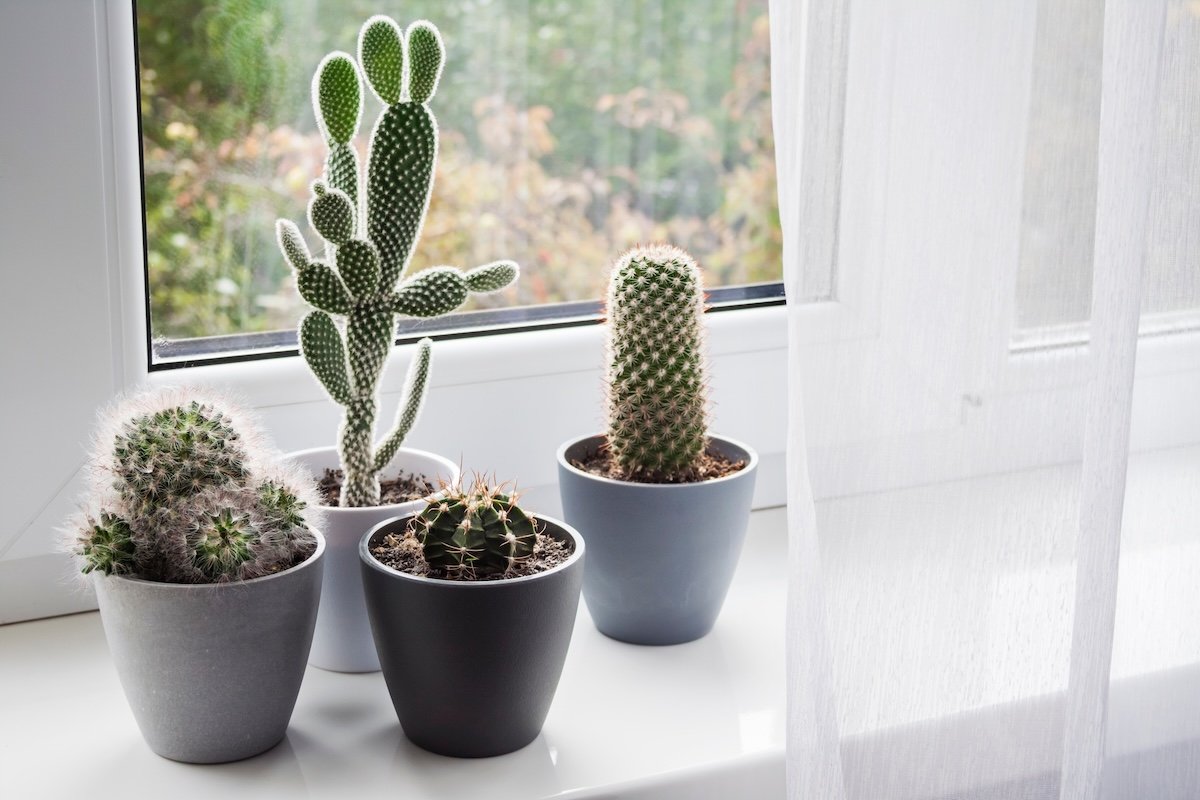
Unlike tropical foliage plants, cacti benefit from a distinct period of winter dormancy. By allowing cacti to remain outdoors until temperatures reach the 45-degree mark, gardeners can trigger a dormancy response that often leads to spring flowering. Once indoors, these plants require minimal water—sometimes as little as once every six to eight weeks. Overwatering during the winter months is the primary cause of cactus mortality, as the lack of light prevents the plant from processing excess moisture, leading to root rot.
3. Potted Citrus Trees (Citrus species)
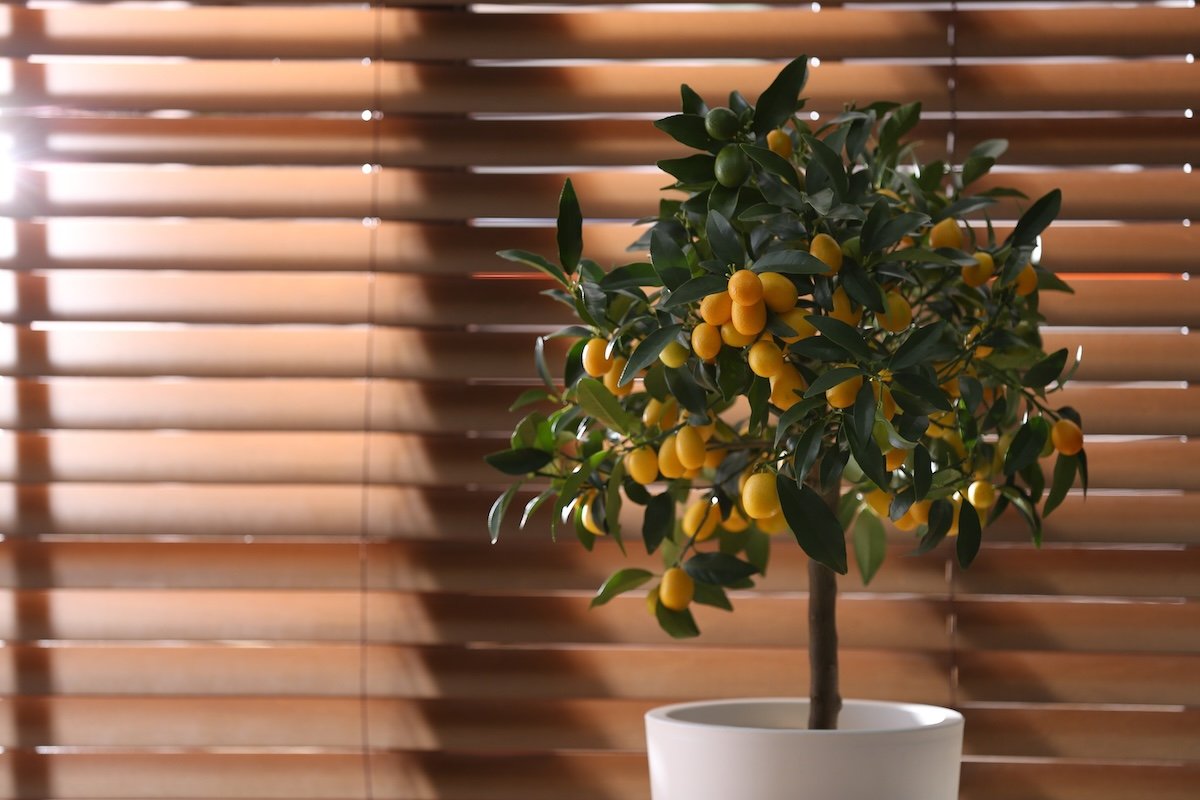
Dwarf citrus trees, including Meyer Lemons and Key Limes, are increasingly popular in temperate zones. These trees can continue to ripen fruit throughout the winter if provided with at least six to eight hours of direct sunlight. Because citrus trees are highly sensitive to the low humidity of indoor air, horticulturists recommend the use of pebble trays—shallow dishes filled with stones and water—to create a localized humid microclimate around the foliage without saturating the soil.
4. Tropical Hibiscus (Hibiscus rosa-sinensis)
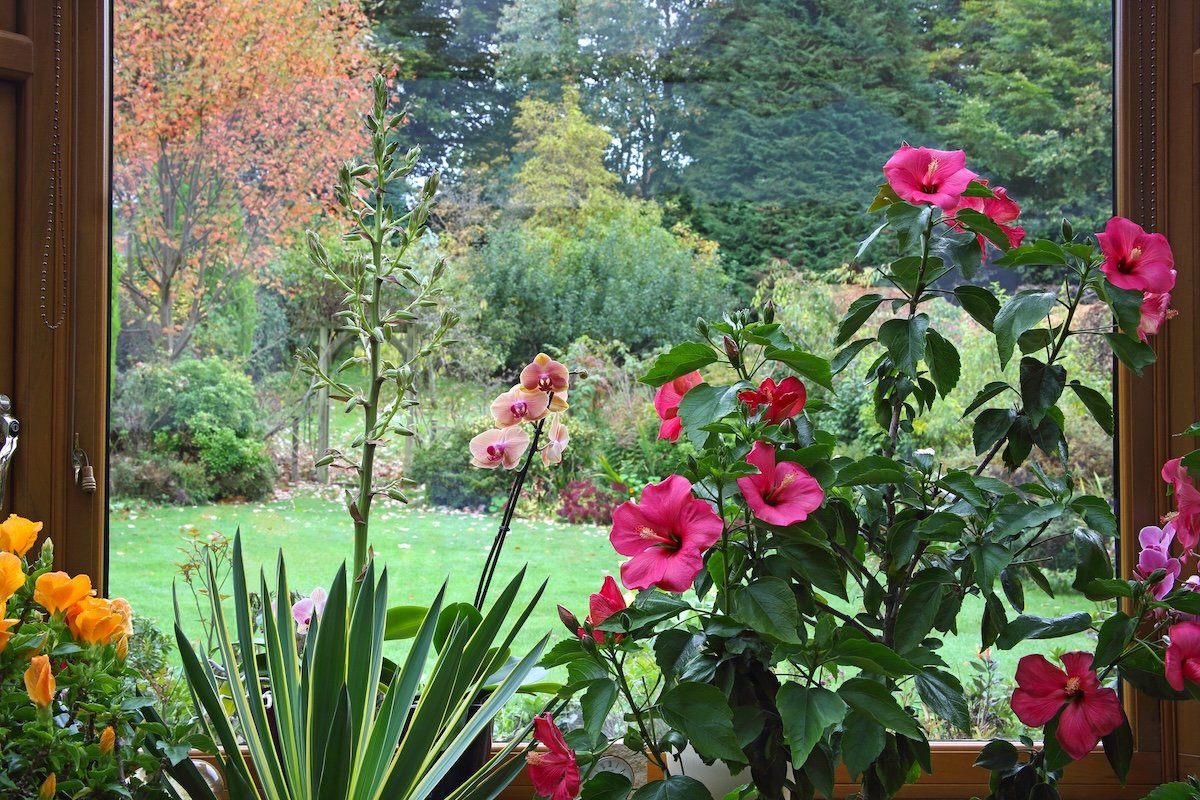
The tropical hibiscus is a heavy feeder that requires a "rest" period during the winter. While they can be kept as active houseplants, they often become leggy in low light. A strategic pruning schedule—cutting the plant back by one-third in October and again in mid-winter—helps maintain a compact shape. Hibiscus are particularly prone to spider mites in dry indoor conditions; regular misting and leaf inspections are essential for their survival.
5. Jasmine (Jasminum species)
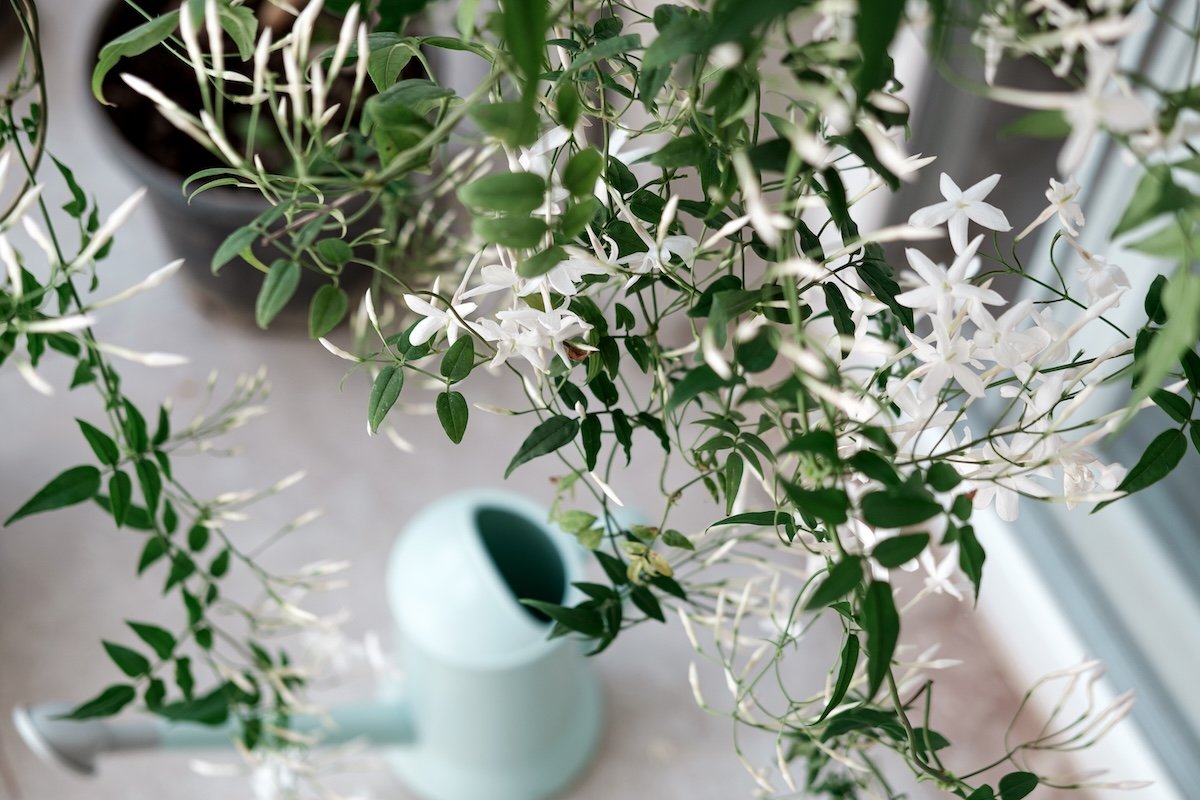
Known for their intoxicating fragrance, jasmine vines require a gradual transition to avoid total leaf desiccation. Pruning the vines by 25 percent before moving them indoors reduces the plant’s metabolic demands. Jasmine thrives in cooler indoor rooms (60–65°F) and requires a humidity level of at least 30 percent to prevent the foliage from becoming brittle.
6. Coleus (Coleus scutellarioides)
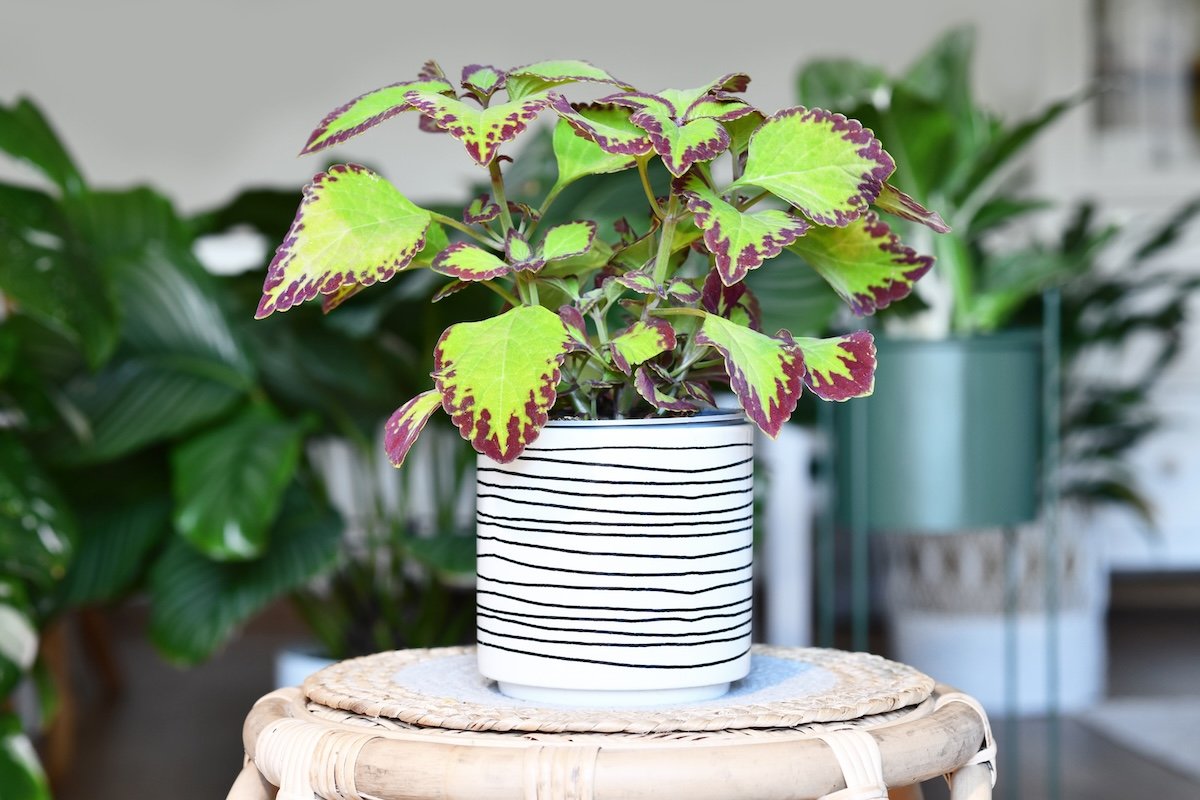
While often treated as a disposable annual, coleus offers some of the most vibrant foliage in the garden. For gardeners with limited space, the most effective overwintering method is propagation. Six-inch stem cuttings rooted in water or moist potting mix will grow into vigorous new plants by spring. This method also ensures that any pests on the original "mother" plant are not brought into the home.
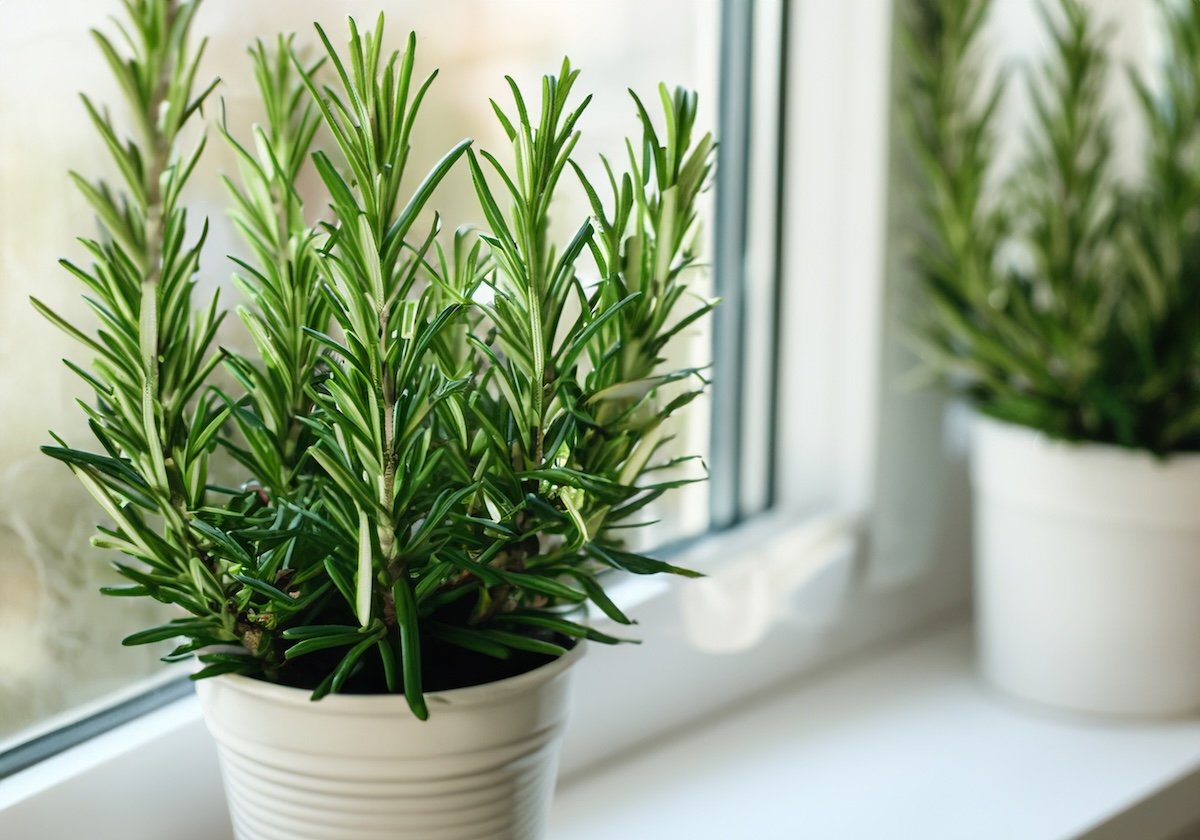
7. Rosemary (Rosmarinus officinalis)
Rosemary is a Mediterranean herb that struggles with the combination of cold temperatures and wet soil. In USDA Zones 6 and lower, potted rosemary should be moved to a cool, bright windowsill. It is critical to use a well-draining terracotta pot, as rosemary roots are highly susceptible to "wet feet" in the winter. Interestingly, rosemary has been shown in studies to improve cognitive focus, providing a secondary benefit to those working from home during the winter months.
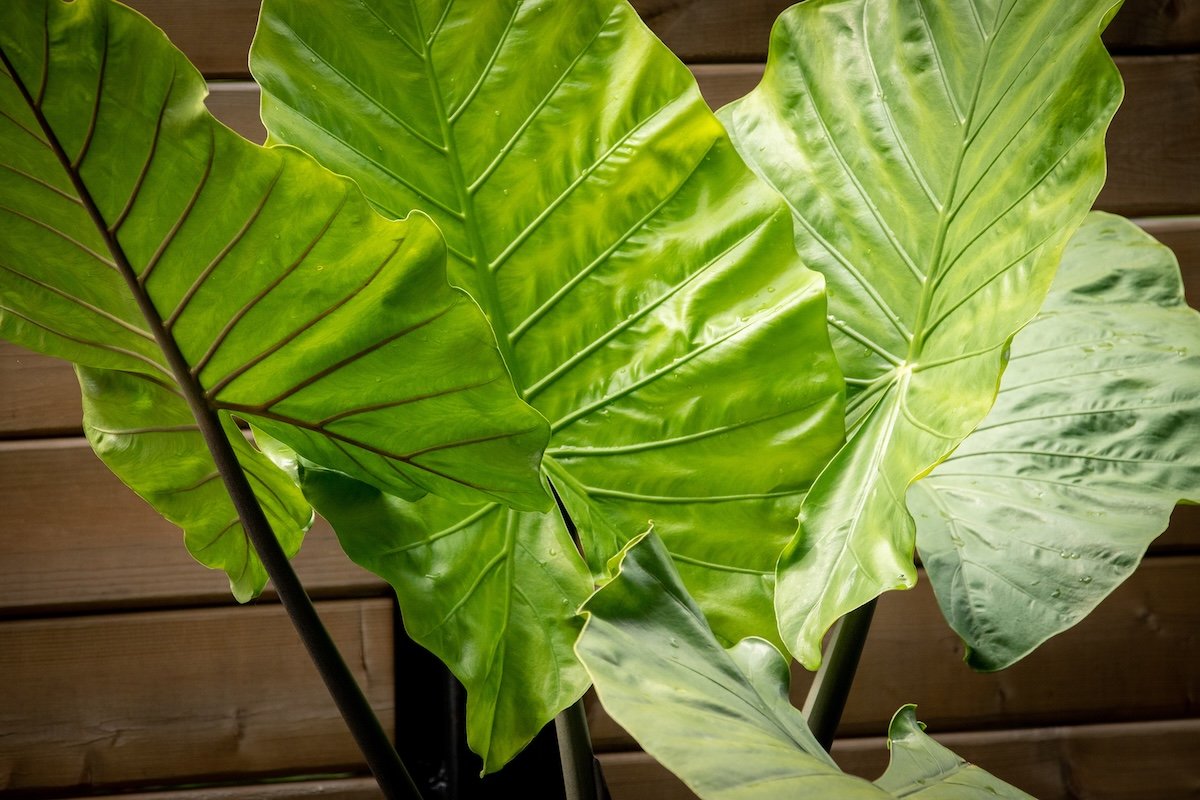
8. Elephant Ears (Colocasia esculenta)
These dramatic foliage plants can be overwintered in two ways: as active houseplants or as dormant tubers. For the latter, the tubers are dug up after the first light frost kills the foliage. Once dried, they are stored in peat moss or paper bags in a cool, dark basement. This method is preferred for larger specimens that would be cumbersome to keep in a living room. Note that Colocasia contains calcium oxalate crystals and is toxic to pets.
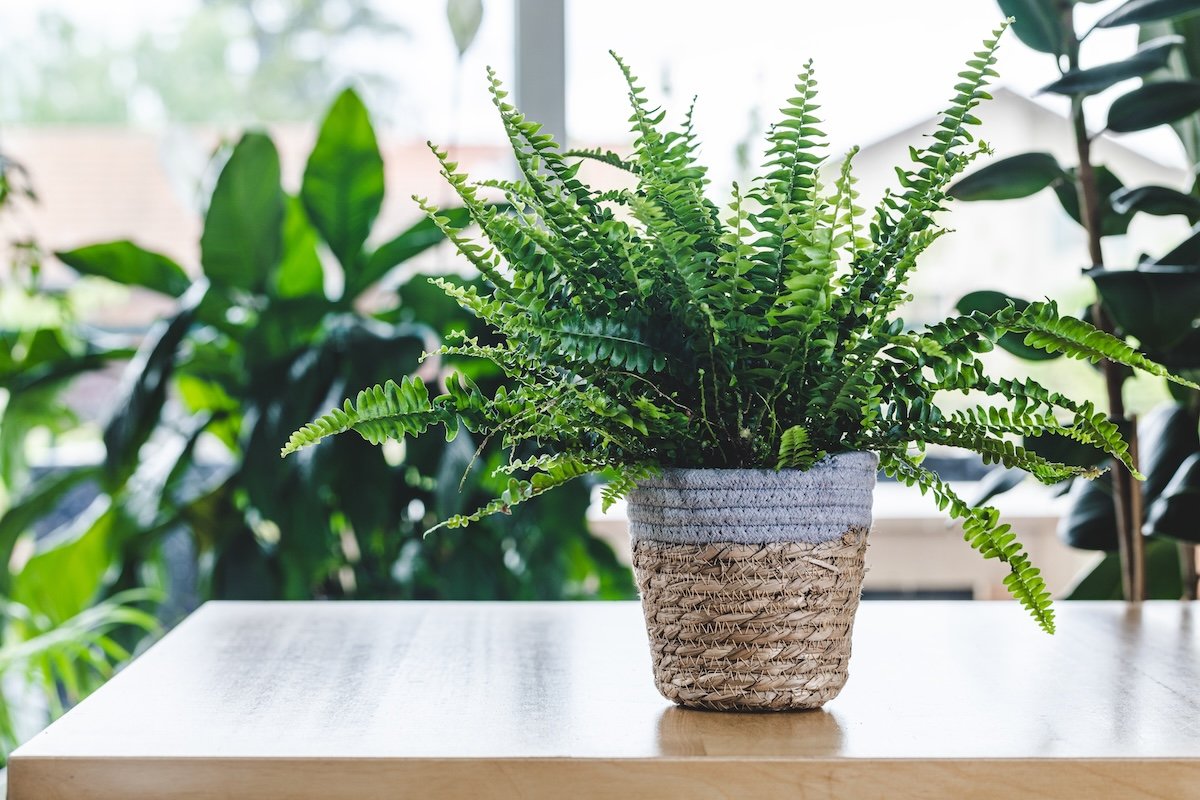
9. Boston Fern (Nephrolepis exaltata)
The Boston Fern is notorious for shedding leaflets when moved indoors, creating a significant cleanup task for homeowners. To avoid this, many gardeners choose to force the fern into dormancy by placing it in a cool garage or basement (above 40°F). The soil should be kept barely moist. In the spring, the fern can be cut back to the soil line, where it will produce fresh, vibrant fronds.
10. Geraniums (Pelargonium hybrids)
Geraniums are exceptionally resilient and can be overwintered using the "bare-root" method. This involves removing the plant from the soil, shaking off the dirt, and hanging the plant upside down in a cool, dark cellar. Alternatively, they can be kept on a sunny windowsill, where they may continue to bloom sporadically throughout the winter.
11. Culinary Thyme (Thymus vulgaris)
As a woody perennial, thyme is hardier than many other herbs but can still succumb to extreme frost in northern regions. Bringing a small pot of thyme indoors provides a fresh supply of herbs for winter cooking. Thyme requires maximum light exposure—ideally a western or southern window—and should be allowed to dry out completely between waterings to mimic its native Mediterranean habitat.
12. Banana Plants (Family Musaceae)
Banana plants are the centerpiece of many "tropicalesque" northern gardens. While the roots can sometimes be mulched heavily to survive in-ground, the most reliable method is to cut the pseudostem back to about six inches and store the container in a dark, frost-free area. This halts growth and preserves the energy in the corm for a rapid explosion of growth in May.
13. Cordyline (Cordyline fruticosa)
Cordyline, or Ti Plant, is valued for its leathery, colorful leaves. It is a true tropical that does not tolerate dormancy. It must be kept as an active houseplant in a room with consistent temperatures above 60°F. Gardeners should be aware that Cordyline is sensitive to fluoride often found in municipal tap water, which can cause brown tipping on the leaves. Using filtered water or rainwater is recommended.
Integrated Pest Management and Maintenance
The primary challenge of indoor gardening is the lack of natural predators for common pests. In the absence of ladybugs and lacewings, populations of aphids and mealybugs can explode. Horticultural oils and insecticidal soaps are the primary defenses for indoor gardeners. Furthermore, the reduction in solar radiation during winter means plants require significantly less water. Overwatering remains the number one cause of indoor plant death during the winter months.
Economic and Environmental Impact
The shift toward overwintering has broader implications for environmental sustainability. The commercial greenhouse industry is energy-intensive, requiring significant heating and lighting to produce annuals for the spring market. By maintaining plants at home, consumers reduce the carbon footprint associated with the transport and production of nursery stock. Furthermore, overwintering allows for the preservation of heirloom varieties that may not be available in commercial centers every year.
As the gardening season concludes, the transition of these 13 plants indoors represents a bridge between seasons. This practice not only saves money but also fosters a deeper horticultural understanding of plant life cycles, ensuring that the vibrancy of the summer garden remains a year-round reality.