Jia Lissa
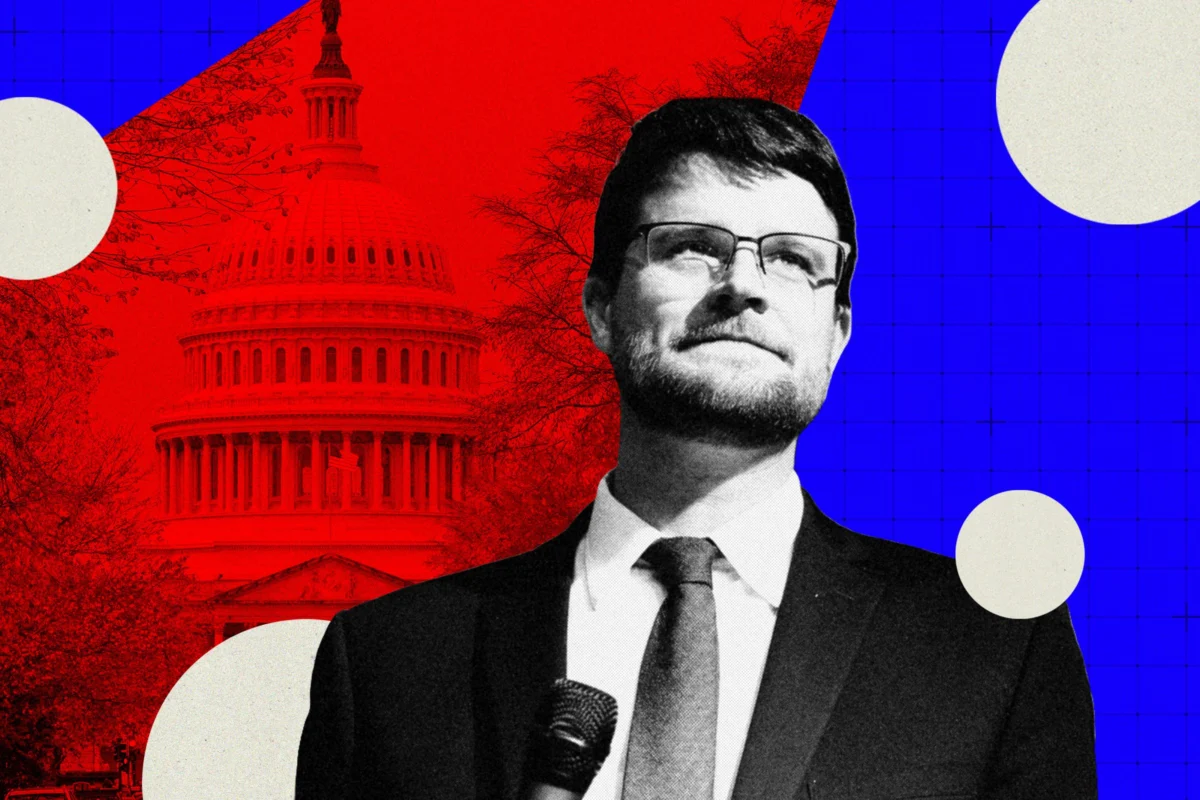
In the tumultuous landscape of American politics, where news cycles churn with dizzying speed and electoral outcomes hang by a thread, few figures have managed to transcend their professional role to become a genuine pop culture phenomenon. Yet, this is precisely the trajectory of Steve Kornacki, the NBC News national political correspondent and data analyst, whose earnest, indefatigable presence in front of a sprawling electoral map has cemented his status as a beloved public figure. His unexpected rise to prominence during the high-stakes 2020 presidential election between Donald Trump and Joe Biden transformed him from a respected political commentator into "America’s sweetheart," a "chartthrob," and "map daddy," captivating millions with his unique blend of analytical rigor and endearing enthusiasm.
Kornacki’s ascent was not a traditional path to fame, nor was it engineered. It was born out of a collective national anxiety during a prolonged election night (and days) where every precinct count and state projection felt profoundly consequential. As the nation held its breath, Kornacki became the steady, reassuring voice, gracefully guiding teeth-grinding, fist-clenching viewers through the intricate dance of electoral math that ultimately culminated in Joe Biden’s victory. His tireless work, often depicted in his now-iconic khaki pants, resonated deeply with an audience craving clarity and reassurance amidst uncertainty. This unique connection propelled him into the cultural zeitgeist, earning him a spot on People magazine’s "Sexiest Men Alive" list that same year – an unprecedented recognition for a political data analyst. The internet, ever quick to embrace a new icon, became obsessed with his distinct sartorial choice, turning his khakis into a symbol of his dedication and relatability.
The Evolution of a Data Journalism Phenomenon
Steve Kornacki’s journey to becoming a household name is rooted in years of dedicated political reporting and analysis. Before his 2020 breakout, Kornacki had already established himself as a keen observer of American politics, working for various news outlets, including the New Jersey Journal, PoliticsNJ.com, and Roll Call, before joining MSNBC in 2013. His early career focused on state-level politics and congressional races, honing his ability to dissect complex electoral data and communicate it effectively. This foundation proved invaluable when he took on the role of presenting election results, a task that demands both precision and clarity.
The 2020 election cycle, however, provided an unparalleled stage for his particular talents. The confluence of a global pandemic, a deeply polarized electorate, and a protracted vote-counting process in key battleground states created an intense, prolonged period of uncertainty. Traditional election night coverage, usually a fast-paced sprint to a clear winner, morphed into a multi-day marathon. It was during this extended period that Kornacki’s calm, persistent explanations, coupled with his visible exhaustion and unwavering focus on the data, truly shone. He demystified the electoral college, explained the nuances of mail-in ballot counting, and meticulously updated state-by-state totals, making complex information accessible to a broad audience. His ability to distill overwhelming data into digestible narratives transformed a potentially dry statistical exercise into compelling television, making him a trusted arbiter of information when it was most needed.
His influence didn’t wane after 2020. Kornacki further cemented his status as the "king of election season" with the introduction of the "Kornacki Cam" during the 2022 midterm primary election nights. These behind-the-scenes livestreams, offering raw, unscripted glimpses into his data preparation and analysis, amassed an astonishing 42 million views. This digital extension of his persona allowed viewers an even more intimate look at his process, fostering a deeper sense of connection and community. The success of the "Kornacki Cam" underscored the public’s appetite not just for election results, but for the transparency and dedication of the people delivering them. As another pivotal midterm election day approached, Kornacki openly acknowledged the immense pressure and the reliance viewers placed on him. "I get very anxious about being prepared for election night," he confessed, "and then thinking of all the things that I might not be prepared for, and then just taking the phone out and trying to get prepared." This candid admission of vulnerability only enhanced his relatability, reinforcing his image as a hardworking, dedicated professional striving for accuracy.
The Digital Paradox: A High-Tech Job, Analog Habits
Despite spending an inordinate amount of time "logged on" for his demanding profession, Steve Kornacki presents a fascinating paradox when it comes to his personal digital habits. One might expect a data analyst of his caliber, whose public persona is inextricably linked to screens and real-time information, to be deeply immersed in contemporary online culture. Yet, Kornacki reveals a surprising detachment from many aspects of the "chronically online" lifestyle. He seems largely unaware of internet memes, admits that FaceTime "isn’t really his thing," and openly confesses to not knowing what a subreddit is, even humorously asking if it’s part of the "dark web." This disconnect between his professional digital mastery and his personal digital comportment paints a unique portrait of a modern media figure.
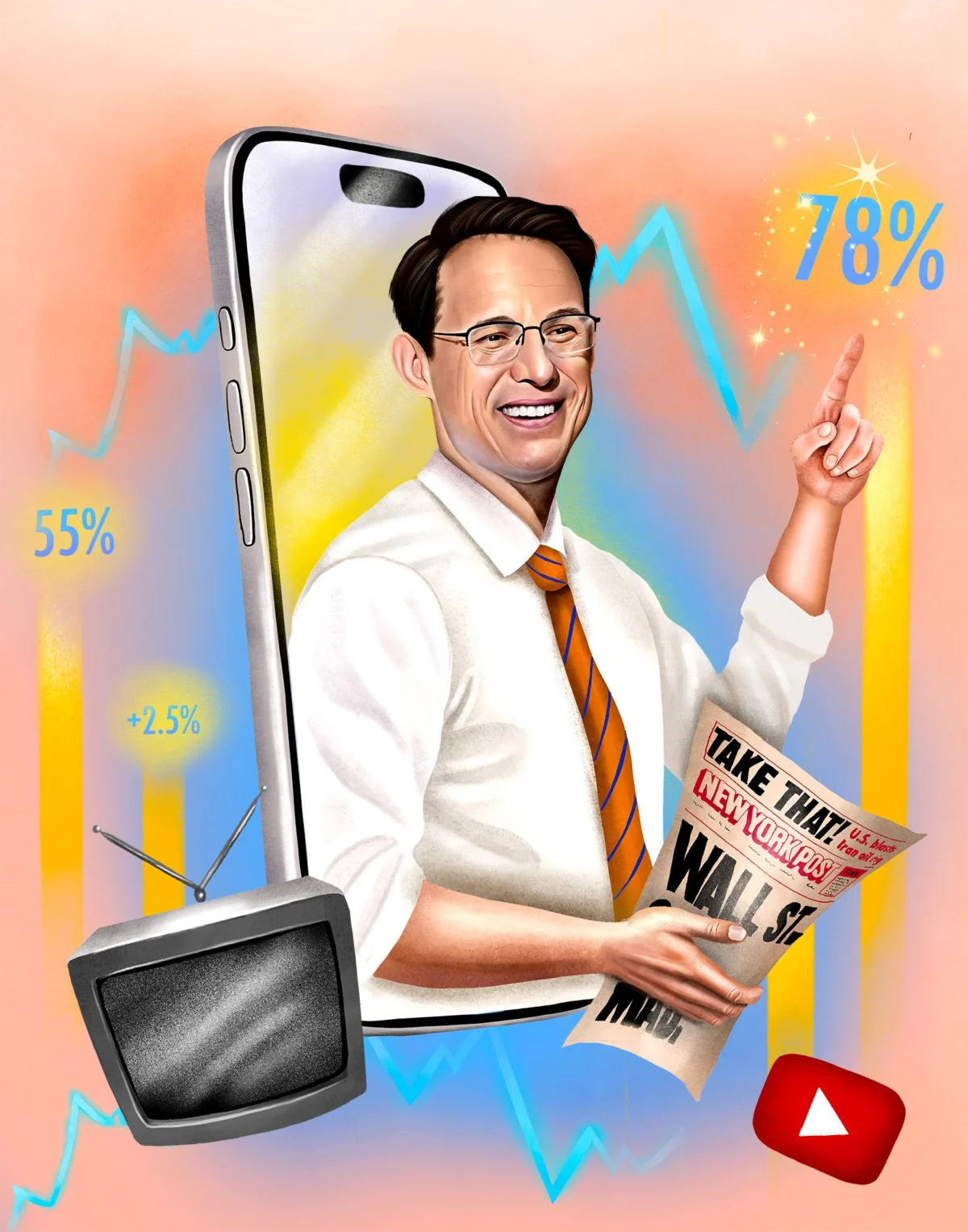
His tech inventory further illustrates this intriguing contrast. His primary mobile device is an iPhone 17 Pro, a top-tier smartphone he "upgrades to" roughly once a year due to breakage. While he acknowledges the incremental improvements in camera technology, he notes, "It never is any different to me, and the battery’s always great for 10 days" – a testament to his practical, rather than enthusiast, approach to gadgets. His computer model is an aging Dell desktop, which he estimates has been in his office "probably as long as I’ve been at NBC." Running on Windows 7 Pro, an operating system that ceased mainstream support in 2020, he concedes, "This thing is on its last leg because I’ve just been too lazy to replace it." His aversion to Apple’s ecosystem is also notable: "I never really got into Macs. I think I had one once, and I just remember not really liking it. I know it’s supposed to be user-friendly, but it actually drove me a little crazy." This preference for utility over sleek design, and an apparent resistance to change, underscores his pragmatic digital philosophy.
Kornacki’s average daily screen time clocks in at 3 hours and 35 minutes. While this might seem moderate compared to national averages, which often hover around 6-7 hours for adults (excluding work-related computer use), he finds it "depressing," calculating it as "more than 12.5 percent of my life. And then you take out the eight hours of sleep, it’s an even bigger piece of the pie." He contemplates "dramatic steps to change it," a common sentiment in an age of digital overload, but, like many, admits he "never actually do[es] it." This screen time is primarily dedicated to work-related activities: texting, email, and social media for news and election preparation. He describes a constant internal drive to ensure he’s "not missing something that’s happening in my world," often leading to "panicky thought[s] about a particular state" and immediate efforts to address any perceived "blind spot."
His digital inbox habits are particularly striking. He maintains a staggering 53,828 unread emails. What began as an overwhelming number around 5,000 has now become "just part of the furniture," almost a "game now to see how high I can get it." This level of digital clutter is an extreme example of email fatigue, a pervasive issue in the modern workplace. Studies consistently show that excessive email can contribute to stress and decreased productivity. In contrast, his 75 unread texts, while still high for some, are more manageable. He makes a conscious effort "probably once every week or two" to "sit down with the texts to get it down to zero," indicating a prioritization of direct communication over the less urgent flow of email.
A Glimpse into His Digital Footprint
Beyond his work, Kornacki’s tech interactions offer further insights into his unique blend of traditional and contemporary influences. His music app of choice is Spotify, a standard in digital music streaming. His all-time top song, "My Girl" by The Temptations, speaks to a classic taste. He recalls a "listening age" assessment by Spotify that pegged him at "87 or something," again highlighting a slightly anachronistic, yet endearing, aspect of his digital persona.
His last FaceTime call was with a cousin "over the summer" for a "family reunion thing." He openly expresses a preference for traditional phone calls, valuing the freedom from "worry about appearances or anything." His strong aversion stems from the "sick of Zoom with Covid" experience, a sentiment shared by many in the post-pandemic era who have experienced "Zoom fatigue." This preference for audio-only communication underscores a desire for genuine connection without the added performance anxiety of video.
His last Google search was for "Boothbay Harbor 2024 presidential election results." This highly specific query demonstrates his deep dive into micro-level electoral data, particularly relevant for states like Maine where results are often tallied by town rather than county, requiring granular research beyond standard county-level aggregates. This meticulous approach is a hallmark of his data analysis, ensuring he understands local electoral dynamics that can be crucial in close races.
The last photo he took was of "Sergeantsville, New Jersey," captured during a rare two-hour window of free time before boarding a train to Washington D.C. This detail humanizes his demanding schedule, offering a brief glimpse into moments of personal observation amidst professional intensity.
Intriguingly, Kornacki has begun experimenting with Artificial Intelligence (AI) for his election prep. His last AI query was, "Can you overlay these numbers onto the attached map of Minnesota counties?" This represents a shift from his previous method of "handwrit[ing] them myself on county maps." While the AI-generated maps are "much cleaner" and "look much better," he harbors "a lot of queasiness and misgivings about AI." He questions whether the act of handwriting data helped him "internalize it better," musing, "Maybe this was a bad move." This reflects a broader debate within many professions about the balance between technological efficiency and the cognitive benefits of manual engagement. His cautious embrace of AI, driven by the desire to "save an hour," is indicative of a professional grappling with the transformative, yet unsettling, power of new tools.
When it comes to digital expression, Kornacki is notably sparse. He reports no top three or most recent most used emojis, admitting he "really don’t use emojis, or, as I mistakenly pronounce them, emoj-eyes." The closest he comes is the "thumbs-up thing on text," though he sometimes uses the "wink one, because my jokes don’t always come through to people." This limited use of emojis further highlights his less-than-fluent grasp of internet vernacular.
His favorite social networks are X (formerly Twitter) and YouTube. He uses X primarily "to keep me aware of things," but candidly admits, "I’m not sure it’s a healthy thing to use." This sentiment mirrors widespread concerns about the platform’s content moderation and polarizing effects, a topic frequently debated in media ethics. YouTube, however, holds a different significance, particularly for the "Kornacki Cam" livestreams. He notes how "we built a community on there with the folks who were tuning in and watching these things," finding it "kind of cool to see that come into being." This distinction between a platform for information gathering (X) and one for community building (YouTube) reveals a nuanced approach to social media.
Beyond his employer, NBC, Kornacki’s favorite news source is The New York Post, specifically its "old-school print edition." He expresses a deep affection for "picking up a tabloid newspaper" and the "old-school feeling with it." His preference for a physical newspaper, even contemplating a subscription while still enjoying "the act of going to a newsstand," underscores his appreciation for tangible media in an increasingly digital world. This is another facet of his traditional sensibilities clashing with his digital professional life. His admission of no favorite subreddit and questioning if it’s the "dark web" further solidifies his distance from niche online communities.
His favorite tech product is a "super-fast Anker charger," a practical tool recommended by an acquaintance that he finds "transformative." This preference for a utilitarian gadget that solves a common problem (low battery) over a more flashy or complex device reinforces his pragmatic approach to technology. Unsurprisingly, given his previous admissions, he has no favorite meme and, when asked about burner accounts, humorously deflects, "If I had burner accounts, I don’t think I would tell you."
Finally, Kornacki expresses nostalgia for the "cable TV bundle," lamenting its gradual disappearance. He particularly feels its absence "this time of year when trying to watch football games," noting the current fragmentation into "this streaming product and that streaming product." This sentiment reflects a broader consumer frustration with the increasing complexity and cost of accessing content that was once conveniently packaged, a phenomenon often referred to as "cord-cutting" and the "streaming wars." His final response on his "tech hygiene spectrum" — "Ooh, I don’t want to make myself a target with the answer" — is a playful nod to his self-awareness regarding his somewhat unconventional digital habits.
Broader Implications: The Human Face of Data in a Digital Age
Steve Kornacki’s journey from political analyst to accidental pop culture icon offers profound insights into the evolving relationship between media, technology, and public engagement. His success demonstrates that in an era often characterized by sensationalism and clickbait, there remains a deep public appetite for credible, transparent, and empathetic communication of complex information. He has effectively humanized data journalism, turning what could be a dry, technical exercise into a compelling, relatable narrative.
His unique blend of high-level digital data analysis and surprisingly analog personal tech habits also reflects a broader societal tension. While technology permeates nearly every aspect of modern life, the ways individuals engage with it vary wildly. Kornacki embodies the professional necessity of digital fluency alongside a personal preference for more traditional, less "online" modes of interaction. His "queasiness" about AI, for instance, is not merely a personal quirk but a microcosm of societal anxieties about automation’s impact on human skill, critical thinking, and job security – concerns that